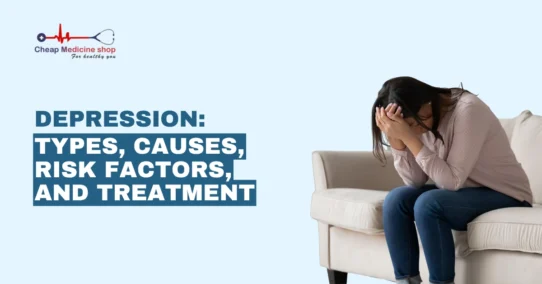





Depression doesn’t just affect your mood; it can also impact your most intimate relationships. When you are feeling low, anxious, or stressed, your brain and body may struggle to coordinate, making arousal, orgasm, and intimacy with your partner more difficult. Some people notice sex feels less pleasurable, while others may find it painful or more challenging to climax.
The link between Depression and Sexual Dysfunction (SD) is stronger than you might think. The connection between the two is bidirectional, meaning each condition can worsen the other. On top of that, certain antidepressants are also known to affect sex drive, erections, or orgasm in all genders.
In middle-aged and older men, Depression can cause Erectile Dysfunction (ED) or Premature Ejaculation (PE). While in women, it might lead to low sexual desire, inability to achieve orgasm, and pain during sex.
Thankfully, with the right treatment plan, partner’s support, and open communication with your healthcare provider, both conditions are highly manageable. In this article, we will explain how Depression can cause Sexual Dysfunction, how to get a proper diagnosis, and which treatment options are available to help restore your mental and sexual health.
Does Depression cause Sexual Dysfunction?
Basically, sexual desire begins in the brain with neurotransmitters like dopamine and serotonin. These brain chemicals send signals to nerve cells that increase blood flow to your genitals. When Depression or Anxiety interferes with these pathways, the messages don’t travel as they should, making desire and arousal harder to achieve. This is why people with Depression often experience low libido, difficulty maintaining erections, or delayed orgasm.
In fact, research published in the Indian Journal of Psychological Medicine in 2017 shows that 67% of depressed men and 75% of depressed women reported SD, in particular, decreased interest in sex.
Moreover, certain antidepressants affect these very neurotransmitters, particularly serotonin, thus altering the delicate balance needed for normal sexual function. So, while they improve your mood, they may interfere with the normal brain-to-body communication needed for sexual function.
This means Depression can interfere with sexual health both directly, by altering brain chemistry, and indirectly, through medications. Recognizing this cyclic cause-and-effect relationship is thus the first step toward proper diagnosis and treatment.
Save up to 90% on your medicine bills

Cenforce 200 Mg
Starting at just $0.84 per tabletBuy Now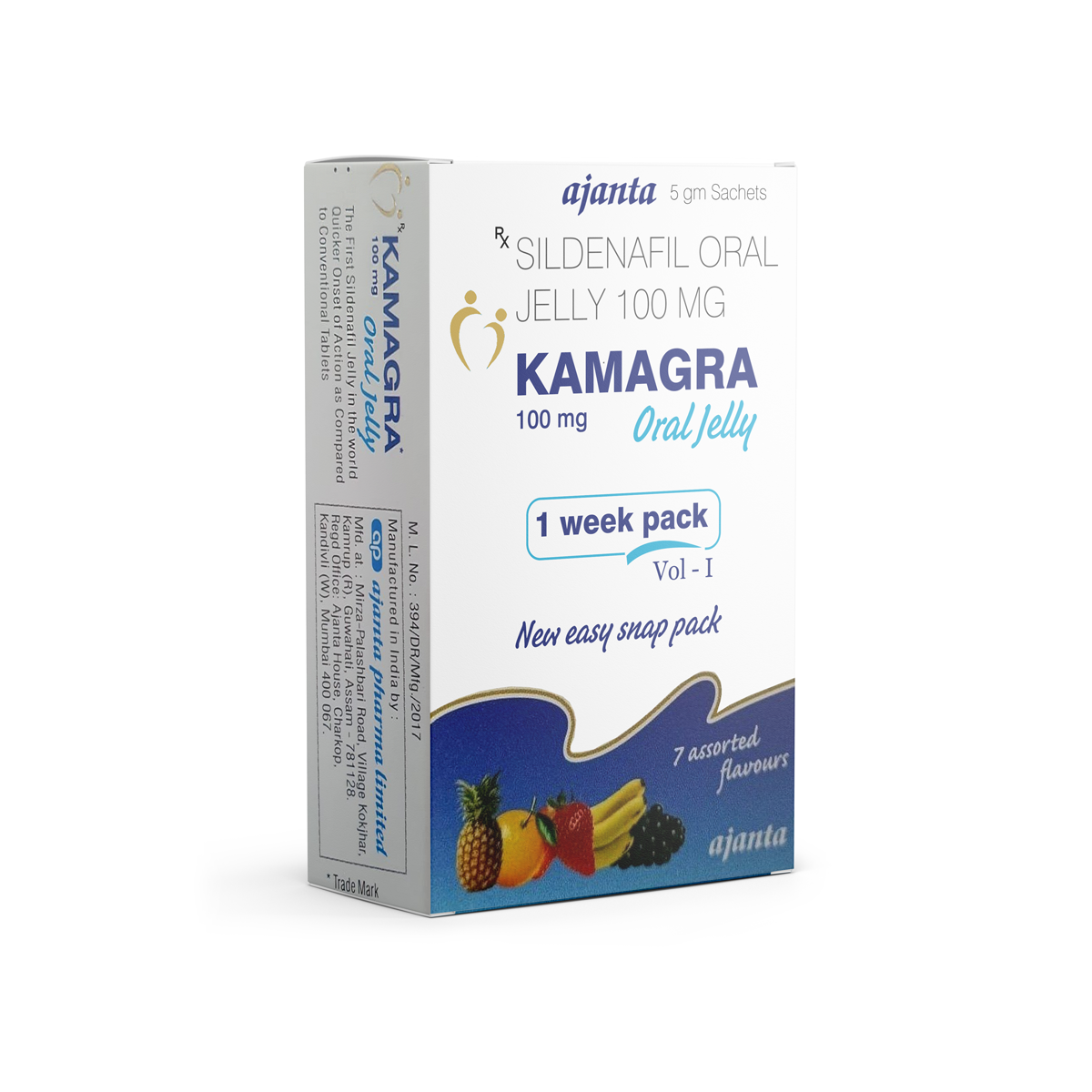
Kamagra Oral Jelly Rx 100 Mg
Starting at just $1.86 per sachetBuy Now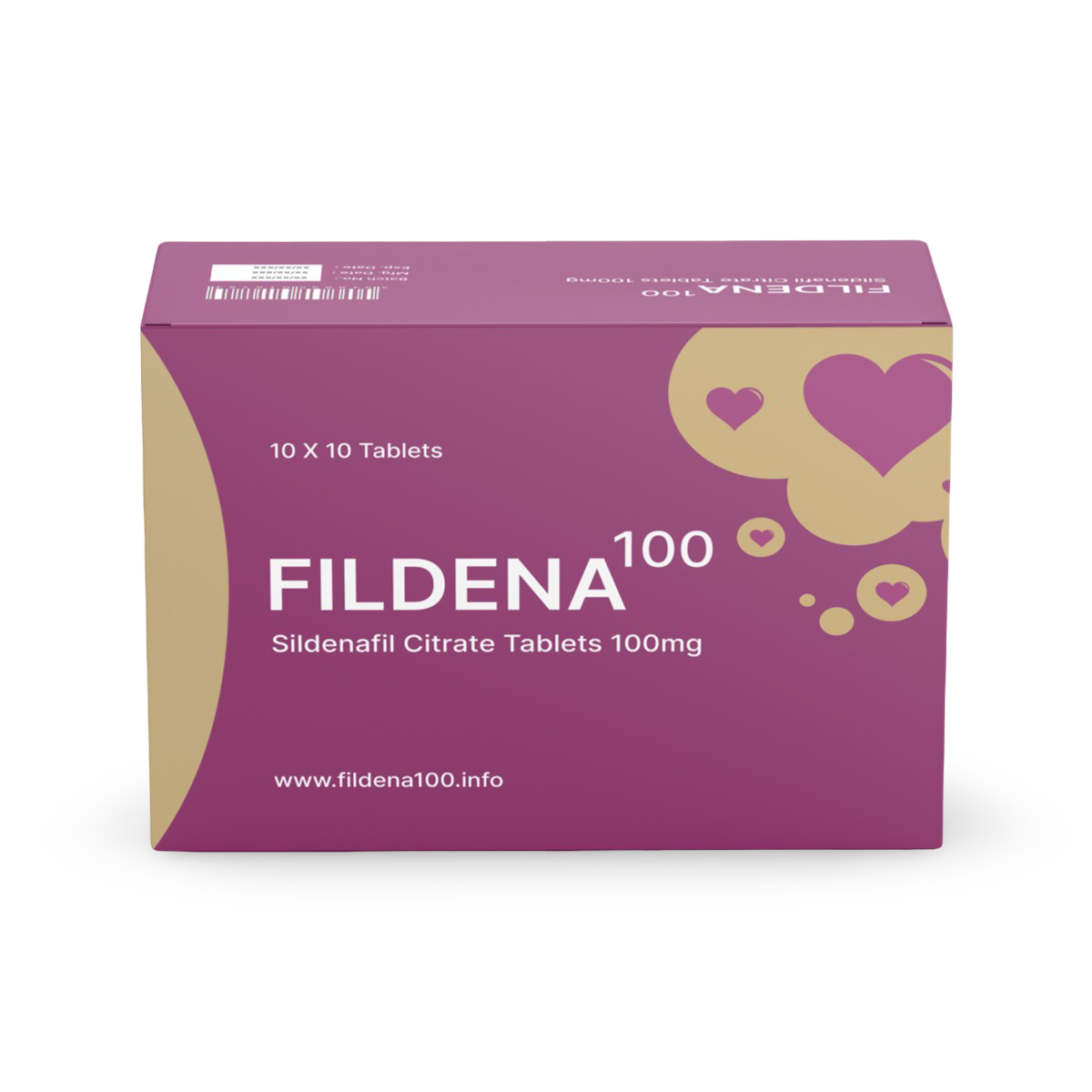
Fildena 100 Mg
Starting at just $0.80 per tabletBuy Now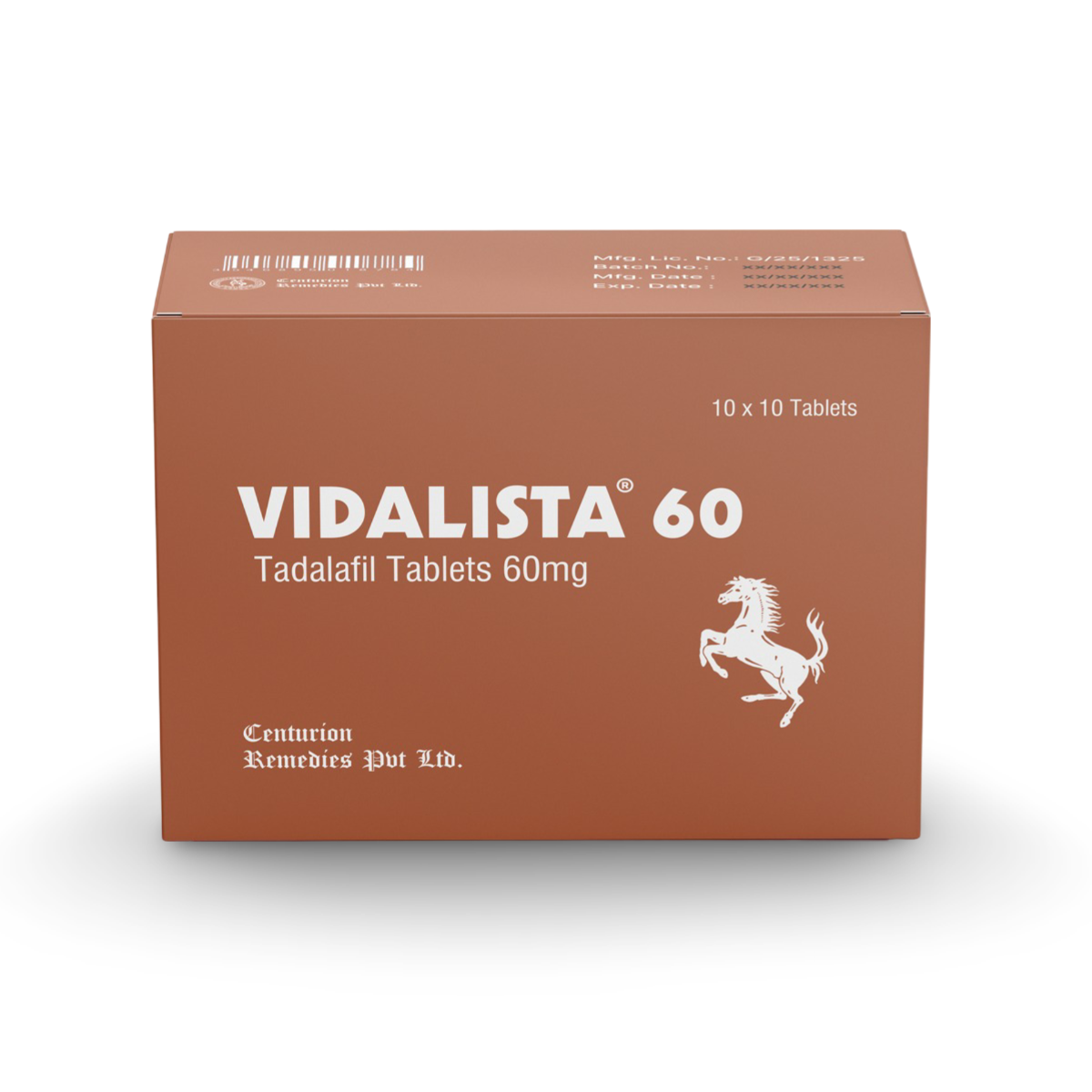
Vidalista 60 Mg
Starting at just $0.90 per tabletBuy NowSexual challenges that follow Depression
Depression doesn’t just affect mood; it also interferes with your brain chemistry and hormones linked to desire and satisfaction. This can lead to several intimacy challenges and sexual difficulties between you and your partner. These might include:
- Inability to experience sexual pleasure
- Loss of interest in sex or intimacy with others
- Low energy or chronic fatigue that dampens desire
- Mood swings contributing to lack of arousal or Performance Anxiety
- Reduced self-esteem and negative body image
Sexual side effects of antidepressants
As explained earlier, many antidepressants can also cause sexual side effects in both men and women. They are similar to those caused by Depression and might include reduced libido, confidence and sexual pleasure.
Disorders resulting from Depression medications are classified as Treatment-Emergent Sexual Dysfunction (TESD). The most common culprits for TESD are Selective Serotonin Reuptake Inhibitors (SSRIs).
Studies estimate that between 30% and 60% of people taking SSRIs may experience some type of Sexual Dysfunction. Other antidepressant classes (Serotonin-Norepinephrine Reuptake Inhibitors, Monoamine Oxidase Inhibitors and Tricyclic Antidepressants) can also cause sexual side effects. If you experience such changes, be sure to discuss them openly with your psychiatrist, psychologist, or therapist.
Risk factors of Sexual Dysfunction linked with mental health
While Major Depressive Disorder (MDD) is a common cause, many other underlying psychological factors can increase your risk of Depression and, in turn, sexual disorders.
- Sex: Women with MDD have higher rates of SD than men (75.3% vs. 38.4%).
- History of sexual abuse: Trauma in your childhood or adulthood increases the likelihood of sexual difficulties later in life.
- Anxiety, or relationship conflict: These are frequent triggers of Performance Anxiety and loss of desire or confidence. This can lead to a disinterest in partnered sex.
- Hormonal changes: These naturally affect lubrication, interest, and arousal in both men and women. But it is worse for menopausal females suffering from Depression.
- Socio-economic status: People with lower socio-economic status or education may have higher SD risk, possibly due to chronic stress, limited access to care, or cultural barriers.
Diagnosis of Depression-linked Sexual Dysfunction
Doctors usually take a biopsychosocial approach, meaning they examine the medical, psychological, and relational factors simultaneously when Depression and Sexual Dysfunction occur together. This ensures they don’t just treat the symptoms but also understand the underlying causes.
The first step is usually a detailed medical and sexual history to form a baseline sexual function before treatment, so that they can measure improvements. From there, several assessments are used, which include:
- Validated questionnaires using tools like the Arizona Sexual Experience Scale (ASEX) and the International Index of Erectile Function (IIEF) to measure your sexual functioning.
- Psychological evaluation to assess mood, Anxiety, trauma history, self-image issues or relationship stressors that could be influencing your sexual health.
- Physical exam to check for visible issues or structural defects.
- Blood tests are used to check hormone levels (testosterone and estrogen) and general markers, including thyroid function, fasting glucose, and cholesterol.
- Imaging or vascular tests if blood flow issues to your genitals are suspected.
This careful evaluation helps create a personalized treatment plan for you that works in both the short and long term.
Treatment options for Depression-linked Sexual Dysfunction
Since reasons for SD are varied, treating Sexual Dysfunction alongside Depression requires a combination of approaches, that is, psychological, pharmacological, or a mix of both. Lifestyle changes such as improving your diet, exercising, quitting smoking, and reducing alcohol consumption also help you achieve better and quicker outcomes.
Psychological therapy for all genders
Therapies that focus on thoughts, emotions, and relationships often make a big difference. Cognitive-Behavioral Therapy (CBT) helps you identify and challenge negative beliefs around intercourse and performance, while sex therapy can improve communication, reduce Anxiety, and restore intimacy between you and your partner.
Unlike medications, these approaches have no physical side effects and even improve your overall well-being beyond just sexual function.
Treatment for Depression-linked ED in males
For men with Depression-related Erectile Dysfunction, Phosphodiesterase type 5 (PDE5) inhibitors such as Sildenafil, Tadalafil, or Vardenafil are considered first-line treatments. Studies have shown Sildenafil to be 76% effective in treating ED in depressed men and even improving depressive symptoms when erections are restored.
Hormonal and non-hormonal therapy for females
Women with Depression experiencing HSDD or Female Sexual Interest and Arousal Disorder (FSIAD) may be prescribed FDA-approved Flibanserin (Addyi or Filban) or Bremelanotide (Vyleesi). For lubrication difficulties, you can try lubricants or vaginal oils.
Other promising treatments include topical DHEA (intravaginal) for low libido and Testosterone Replacement Therapy (off-label), primarily given to postmenopausal women.
Lifestyle adjustments for antidepressant-linked Sexual Dysfunction
Sometimes the very medicines that help ease Depression can bring unwanted changes in your sex life. This is called Treatment-Emergent Sexual Dysfunction. The good news is that these side effects are often temporary or reversible with the right plan.
Your doctors may suggest several strategies to balance mood support with your sexual well-being, such as:
- Watchful waiting: Sometimes side effects improve with time as your body adjusts to the medicine. This approach may be suitable for short-term therapy or patients responding well to antidepressants.
- Adjust timings: Try taking your antidepressant at different times of the day to manage side effects better.
- Lower the dose: Talk with your doctor or therapist before reducing the dose, as tapering too quickly can worsen your symptoms.
- Switch to a lower-risk medication: Options like Bupropion, Agomelatine, or Vortioxetine may ease sexual side effects while still treating Depression. Your doctor may prescribe Buspirone alongside.
- Schedule intimacy: Plan sexual activity at times when medication side effects are least noticeable, such as before your daily dose.
Conclusion
Depression and Sexual Dysfunction are closely linked, often creating a cycle where one makes the other worse. Depression can interfere with sexual health both directly by altering brain chemicals like serotonin and dopamine, and indirectly through antidepressant side effects. It may cause Erectile Dysfunction, Premature Ejaculation, low libido, or difficulty achieving orgasm, affecting both men and women differently across age groups.
The promising news is that both conditions are highly treatable. With a multidimensional treatment plan incorporating therapies like CBT, medications such as PDE5 inhibitors or Filbanserin and lifestyle changes, you too will be able to break the cycle and reconnect with yourself and your partner.
Frequently Asked Questions
Can lack of sex cause Depression?
Yes, in some cases, a lack of sex may cause Depression. The absence of physical connection reduces happy hormones like oxytocin and dopamine, which can increase feelings of loneliness, frustration, and stress. This may contribute to depressive symptoms.
Can missing morning erections be caused by Depression?
Yes, Depression can influence morning erections as it can reduce testosterone levels and disrupt sleep cycles. Antidepressants may also play a role in these nocturnal occurrences. Persistent absence of morning erections can signal Depression-related u003ca href=u0022https://www.cheapmedicineshop.com/blog/sexual-wellness/erectile-dysfunction/u0022u003eErectile Dysfunctionu003c/au003e or other health concerns, which you should discuss with a doctor.
Can Depression make you asexual?
No, being asexual is a sexual orientation and not a medical condition or mood disorder. However, Depression can reduce your sexual desire or interest drastically, sometimes leading to what feels like asexuality. With proper treatment, you can regain sexual interest as your mental health improves.
Can having sex help with Depression and Anxiety?
Yes, regular, fulfilling sex releases endorphins, oxytocin, and dopamine, which reduce u003ca href=u0022https://www.cheapmedicineshop.com/blog/mental-health/stress/u0022u003estressu003c/au003e and elevate mood. For some, it can ease mild symptoms. However, it is certainly not a replacement for medical care if Depression is persistent or severe.
Which antidepressants have the most sexual side effects?
SSRIs like Paroxetine, Fluoxetine, Sertraline, Citalopram, and Escitalopram cause the most sexual dysfunction. They increase serotonin levels, which can inhibit dopamine and Nitric Oxide levels crucial for sexual desire, arousal, and orgasm.
Which Depression drugs are less likely to cause Sexual Dysfunction?
Antidepressants such as Bupropion, Agomelatine, Vortioxetine, Vilazodone, and Mirtazapine have fewer or rarer sexual side effects. These medications typically affect dopamine more than serotonin, preserving sexual function by maintaining brain chemicals and u003ca href=u0022https://www.cheapmedicineshop.com/blog/sexual-wellness/what-happens-when-a-female-is-sexually-excited/u0022u003earousalu003c/au003e pathways.
Is there Viagra for women?
No, currently, there’s no exact Viagra (Sildenafil Citrate) equivalent for women. However, the FDA has approved Flibanserin (Addyi) and Bremelanotide (Vyleesi) for certain types of low sexual desire in women. You can u003ca href=u0022https://www.cheapmedicineshop.com/lovegra-100mg.htmlu0022u003ebuy generic female Viagrau003c/au003e, containing Sildenafil, with a doctor’s prescription.
Cheap Medicine Shop only refers to credible, authoritative sources for our content. If you're curious about how we ensure the integrity of our content, we encourage you to read our Content Information Policy.