




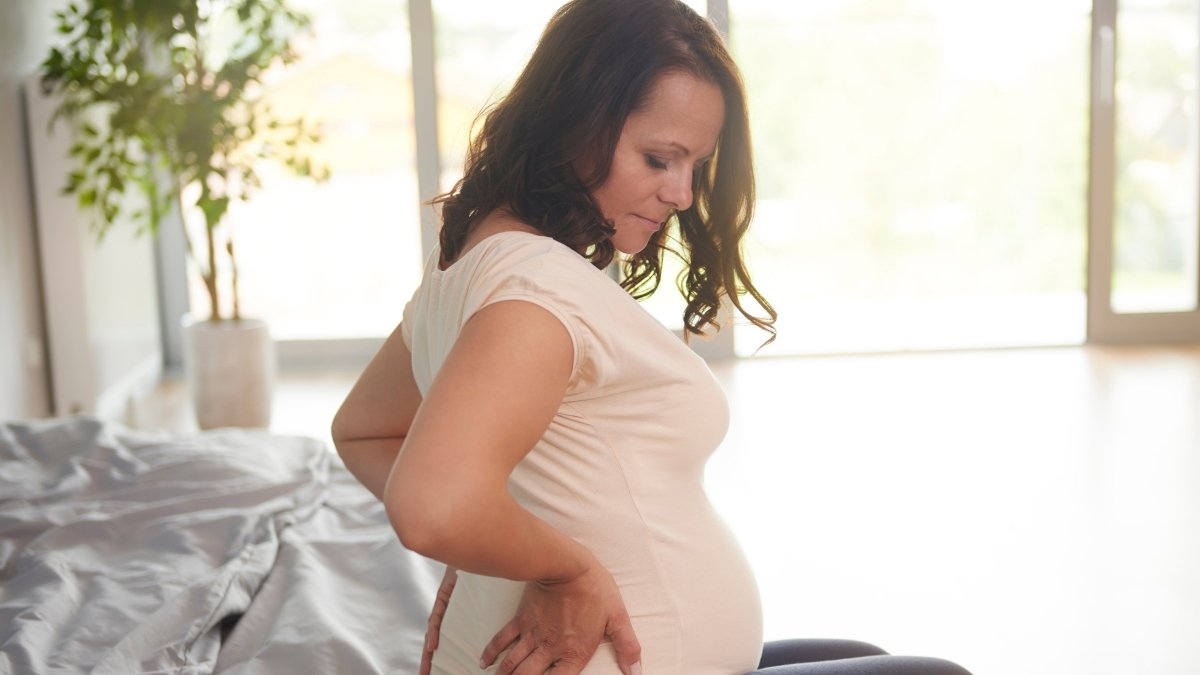

Polycystic Ovarian Syndrome(PCOS) is a condition affecting 10% of women across the globe. The condition arises when the ovaries produce excessive amounts of androgens. It results in enlarged ovaries with cysts at the edges. The cause of the disease is not known. It is speculated to be caused by environmental and genetic factors.
The significant effect of the syndrome is hormonal imbalance. This disparity can often interfere with the fertility of women. The risk of PCOS and pregnancy is high. Large cysts and ovaries have immature eggs that widen the gap between PCOS, increasing the chance of pregnancy.
However, PCOS is more than just about fertility. The condition is common and treatable. PCOS and getting pregnant are not flip sides of a coin. The diagnosis of the disease is simply a cause of concern where you may need medical treatment. Proper medical assistance will raise the chances of PCOS and pregnancy chances. Fair treatment will regulate your hormonal imbalance, keeping PCOS in check and reducing the risk of PCOS and pregnancy.
PCOS and Getting Pregnant: What is the Relation?
PCOS is a condition that is the mainspring of hormonal disturbance in the body. Androgen is a male hormone produced in small amounts in females under normal circumstances. When one suffers from PCOS, Androgen is fabricated in large quantities.
The repercussions of the changes are thinning of hair in the head, weight gain, irregular and painful periods, hair growth at different parts of the body, and oily and acne-prone skin.
Reproductive hormonal balance and the secretion of certain fluids intercede in the growth of the egg. In addition, the release of the eggs is also inhibited by hormonal imbalance. Thus, not only is fertility gets affected, it may even lead to the absence of ovulation in some cases.
The inability to release a healthy egg will not allow the sperm to fertilize it. PCOS and getting pregnant are a sequel to ovulation problems.
Save up to 90% on your medicine bills
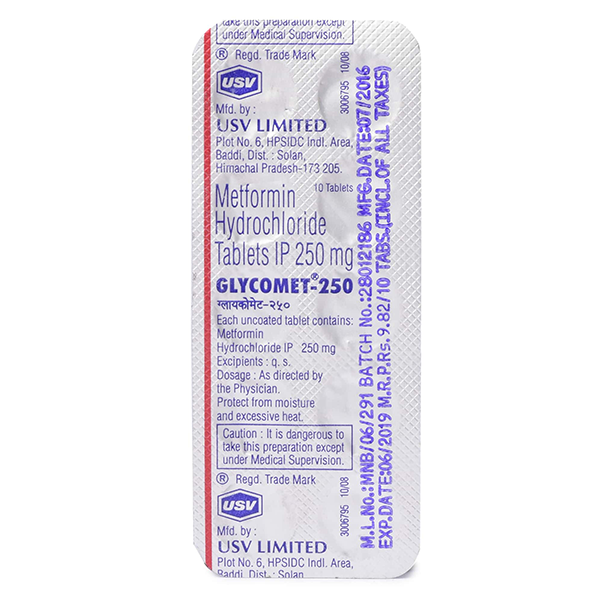
Glycomet 250 Mg

Aldactone 25 Mg
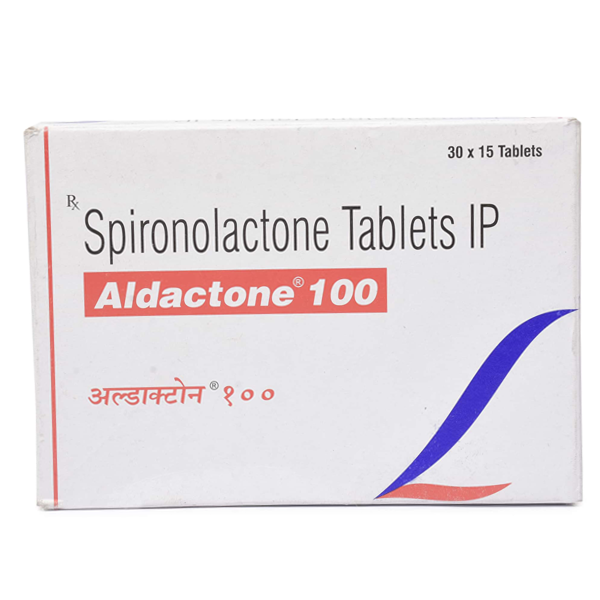
Aldactone 100 Mg

Carmel Organics Ashwagandha Extract Tablets
Risk of PCOS and Pregnancy
PCOS and getting pregnant can have the following risks involved:
- Microsomia( Overweight babies).
- High blood pressure and hypertension.
- Miscarriage.
- Blood clotting.
- Preterm birth.
- Gestational Diabetes( diabetes developed during pregnancy).
- Preeclampsia( swelling, headache, urine with protein, and many other complications).
Symptoms of PCOS and Pregnancy
When one is pregnant, there are high chances of developing PCOS. Though one is monitored closely during the whole pregnancy, one can look for such symptoms that indicate PCOS:
- Impulsive and sudden headaches.
- Feeling dizzy and loss of consciousness.
- Massive sweating and confusion.
PCOS Treatment During Pregnancy
Healthcare professionals use medications to regulate blood sugar levels, insulin, and metformin to treat PCOS during pregnancy. Lifestyle changes like maintaining a healthy diet, meditation, and exercise are also recommended.
The following treatments are recommended by medical professionals( after proper diagnosis) that help one get pregnant:
Metformin
People suffering from PCOS often face the concern of insulin resistance since their body does not use sugar adequately. Insulin boosts the production of androgen in the body. The outcome is decreased and negligible ovulation. Metformin is an oral medication that is often prescribed by professionals.
The medicine is not approved by the Food and Drug Administration(FDA) for PCOS treatment in particular. However, the medication has marked its presence in the treatment for regulating insulin and blood sugar levels in the body.
Clomiphene
This is one of the most common treatments recommended by doctors to treat PCOS. The drug has been asserted by the American College of Obstetricians and Gynecologists(ACOG) for the effective treatment of PCOS. The drug boosts the production of healthy eggs and paves the way for their release. It has shown positive results for PCOS and getting pregnant chances.
Letrozole
Follicle-stimulating hormone(FSH) is the one that facilitates ovulation in the body. Letrozole boosts the production of FSH and thus enabling PCOS and getting pregnant.
Surgery
When the long-term solutions are not met, and there is no other medical treatment available, surgery is the last resort. Surgery is required to remove the outer shell of the thickened ovaries. One of the popular treatments for the same is ovarian drilling.
Lifestyle Changes for PCOS and Pregnancy Chances
Weight gain is a customary consequence of PCOS. The gain in weight can result in further hormonal imbalance in the body. Losing weight and adopting a healthy and active lifestyle can help treat PCOS.
Adopting healthy eating habits like including more vegetables and avoiding oily processed food is an effective measure to fight PCOS. Avoid alcohol and smoking to further help in the process.
The fertility odds can be removed with treatment and lifestyle changes. PCOS is a common and treatable issue. Maintaining your blood sugar levels, eating healthy, and exercising have a significant impact on treating PCOS.
The Bottom Line
PCOS and pregnancy chances are favourable. All you need is a little professional help, medications and lifestyle changes. There are many treatments available for PCOS. Diagnosis will reveal the severity of the problem enabling medical professionals to recommend the proper treatment.
Regardless of the common dilemma, PCOS and getting pregnant has a high success rate. Stay healthy and draft a diet plan. With a bit of help, you will be smiling with a positive pregnancy test.