






Cialis stands as one of the most recognized medications for treating Erectile Dysfunction or ED, but many people wonder about its broader effects on the human body. What does Cialis do beyond helping with erection problems?
This popular medication, containing the active ingredient Tadalafil, offers several benefits beyond its primary use. From cardiovascular effects to potential benefits for both men and women, understanding how this medication works can help one make informed decisions about their health. The mechanisms behind this medicine affect multiple body systems in ways that many users don’t fully understand.
Read on to explore the comprehensive effects of Cialis and what you should know before taking it.
What does Cialis do for you?
Cialis, containing the active component Tadalafil, is primarily used to treat ED and the symptoms of Benign Prostatic Hyperplasia or BPH. It belongs to a group of medications called Phosphodiesterase type 5 or PDE5 inhibitors, which help improve blood flow by relaxing smooth muscles in blood vessels.
For Erectile Dysfunction, Cialis increases blood flow to the penis during sexual arousal, helping males achieve and support a firm erection. In cases of BPH, it can relieve urinary symptoms like difficulty starting urination or a weak stream by relaxing muscles in the prostate and bladder.
Cialis works by blocking the PDE5 enzyme, which usually breaks down a substance called cyclic Guanosine Monophosphate or cGMP. By preventing this breakdown, Cialis allows cGMP levels to rise, leading to muscle relaxation and better blood circulation where it’s needed most.
One of the reasons Cialis is so effective is its long duration of action in the body. This extended effect gives users more flexibility and spontaneity compared to other ED medications.
Beyond approved uses, some people take Cialis off-label for conditions like Pulmonary Arterial Hypertension or PAH or even for increased muscle pumps during exercise, due to its impact on vascular flow. However, these uses are not Food and Drug Administration or FDA approved and should only be considered under medical guidance.
Additionally, Tadalafil’s absorption rate or bioavailability in the body is about 80%, and its ability to work well regardless of food intake makes it a convenient and reliable choice.
Save up to 90% on your medicine bills

Orgie 20 Mg Oral Strips
Starting at just $1.67 per stripBuy Now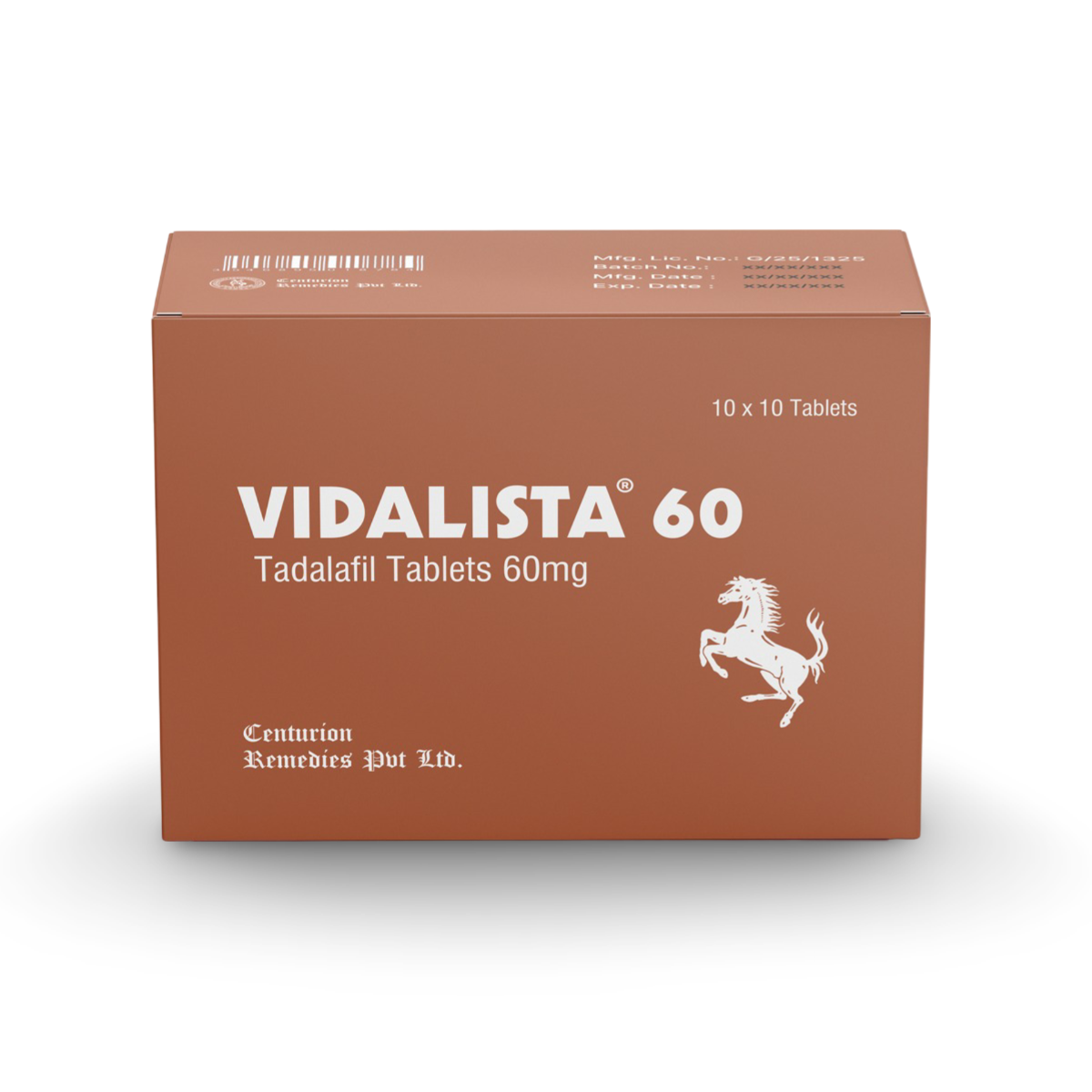
Vidalista 60 Mg
Starting at just $0.90 per tabletBuy Now
Tadalafil Black 80 Mg
Starting at just $1.29 per tabletBuy Now
Cenforce 200 Mg
Starting at just $0.84 per tabletBuy NowWhat does Cialis do to blood pressure and heart rate?
Cialis functions as a mild vasodilator, causing slight reductions in blood pressure by relaxing blood vessel walls throughout the circulatory system. This effect occurs because Tadalafil relaxes smooth muscle tissue in blood vessel walls, allowing them to widen and reduce resistance to blood flow.
The blood pressure reduction is generally mild when the medication is used independently, but becomes clinically significant when combined with certain other medications or substances. Most healthy individuals experience only minor blood pressure changes that don’t affect daily activities or overall cardiovascular function.
However, when combined with excessive alcohol consumption (more than five standard drinks), users are more likely to experience adverse effects, including dizziness, headaches, rapid heartbeat, and potentially dangerous blood pressure drops.
The medication’s cardiovascular effects also extend to treating conditions like PAH, where it helps reduce blood pressure in lung arteries and improves exercise capacity for affected patients.
What does Cialis do for a woman?
Tadalafil is not approved or routinely recommended for use in women, and regulatory bodies have not established its safety and effectiveness in women. Therefore, it is generally not considered suitable for women, unless prescribed for specific off-label conditions under medical supervision.
In some cases, healthcare providers may prescribe Tadalafil off-label to treat PAH in women, where it may help improve blood flow and reduce symptoms, much like in men.
Studies have also explored whether Tadalafil could help manage female sexual dysfunction, particularly by improving genital blood flow in women experiencing arousal disorders. However, research results remain inconclusive, and more large-scale, controlled studies are needed to confirm any meaningful benefit.
Because of hormonal differences and variations in vascular response, the effects of Tadalafil in women may differ significantly from those in men. For this reason, the use of Cialis for women is still experimental and should only be considered under close medical supervision.
Safety considerations
While Cialis is generally safe when used as prescribed, there are certain precautions you should keep in mind. These factors can affect how one’s body responds to the medication and help prevent unwanted side effects:
- Grapefruit interaction: Grapefruit can interfere with how Tadalafil is broken down, increasing its effects and the risk of Cialis side effects.
- Kidney or liver issues: Reduced organ function may slow the clearance of the medicine, requiring dose adjustments.
- Vision or hearing changes: Although rare, sudden loss of vision or hearing has been reported and should be treated as a medical emergency.
- Alcohol use: Drinking too much alcohol with Cialis may increase the risk of dizziness, low blood pressure, or fainting.
- Prolonged erection: Erections lasting over 4 hours (Priapism) can damage tissue and require immediate care.
Conclusion
Cialis, primarily known for treating Erectile Dysfunction, also plays an essential role in managing conditions like Benign Prostatic Hyperplasia and Pulmonary Hypertension (off lable). Its active ingredient, Tadalafil, enhances blood flow, improves physical performance in some cases, and can even aid certain heart and lung conditions.
But what does Cialis do beyond these uses? Compared to other ED medications, it offers long-lasting relief and may positively impact overall quality of life when used appropriately.
However, it’s not without risks; interactions and side effects must be considered. Always consult a healthcare provider before starting. Understanding what Cialis does for men and women helps them make safer, more informed health decisions.

Frequently Asked Questions
Can you split or crush Cialis tablets for easier swallowing?
No, Cialis tablets should be swallowed whole and never split, crushed, or chewed. Altering the Cialis tablet can affect how it is absorbed and may reduce its effectiveness or increase side effects.
Does food affect how well Cialis works in your system?
No. Unlike some ED pills, Cialis can be taken with or without food. However, high-fat meals may slightly delay absorption but don’t significantly reduce the medication’s effectiveness or duration.
What’s the difference between daily and as-needed Cialis dosing?
Daily Cialis involves lower doses (2.5-5 mg) taken regularly, while as-needed dosing uses higher amounts (10-20 mg) taken before anticipated sexual activity. Daily dosing provides constant readiness, while as-needed offers flexibility.
How does age affect Cialis effectiveness and safety?
Older adults may experience more substantial effects due to slower medication clearance and underlying health conditions. Healthcare providers often recommend starting with lower doses and closer monitoring in elderly patients.
What happens if you accidentally take too much Cialis?
Overdosing on Cialis can cause severe blood pressure drops, prolonged erections, and dangerous side effects. Seek immediate medical attention if you have taken more than prescribed or experienced concerning symptoms.
Can certain medical conditions make Cialis less effective?
Yes, conditions like severe Diabetes, advanced heart disease, or significant blood vessel damage can reduce Cialis effectiveness. Proper management of underlying conditions often improves medication response and overall treatment success.
Cheap Medicine Shop only refers to credible, authoritative sources for our content. If you're curious about how we ensure the integrity of our content, we encourage you to read our Content Information Policy.