






Cialis, commonly known by the generic name Tadalafil, is one of the most popular medicines used for treating Erectile Dysfunction in men or Assigned Males at Birth (AMAB). While Cialis is beneficial for many people, there are instances where patients report that it does not work as expected.
Several physical and psychological factors, such as Diabetes and Anxiety, could be the reason behind this. Understanding the exact causes of why Cialis is not working can help people address the problem properly.
This article will explore the several causes why Cialis may not be effective for some people. We’ll also offer suggestions on what to do if you encounter this problem.
Understanding How Cialis Works
Cialis is a Phosphodiesterase type 5 (PDE5) inhibitor that works by inhibiting the PDE5 enzyme.
In normal conditions, sexual stimulation leads to the production of Nitric Oxide (NO) in the penis. This NO increases the production of Cyclic Guanosine Monophosphate (cGMP).
Thie compound cGMP is essential for relaxing the smooth muscles of blood arteries, enabling more blood flow to the penis, resulting in an erection.
However, the PDE5 enzyme degrades cGMP, hindering the onset of an erection. Cialis inhibits PDE5, allowing cGMP levels to rise, resulting in the relaxation of the smooth muscles of the penis.
When a man is sexually excited, this relaxing process allows increased blood flow in the penis in an erection that can be obtained and maintained for satisfactory sexual engagement.
Save up to 90% on your medicine bills
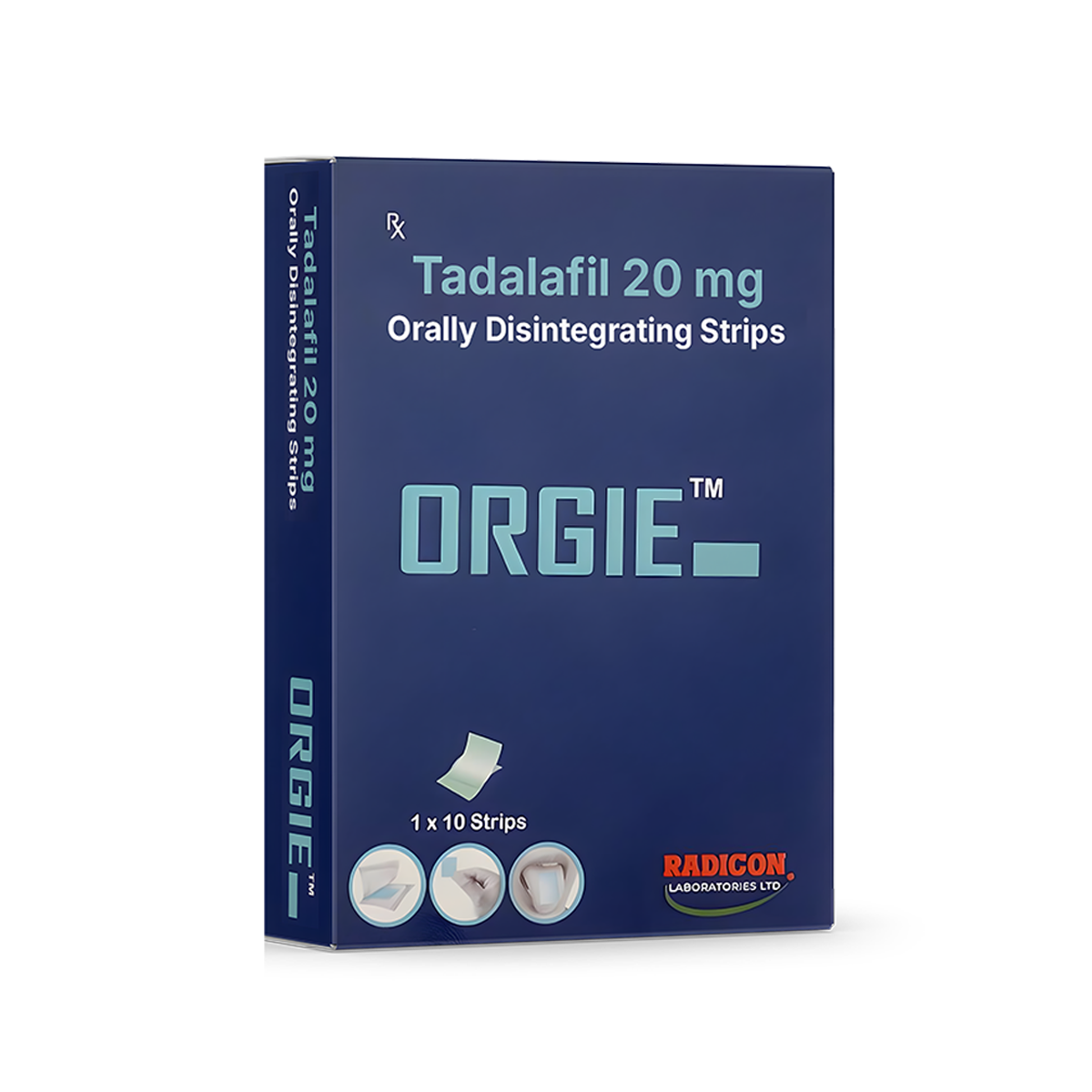
Orgie 20 Mg Oral Strips
Starting at just $1.67 per stripBuy Now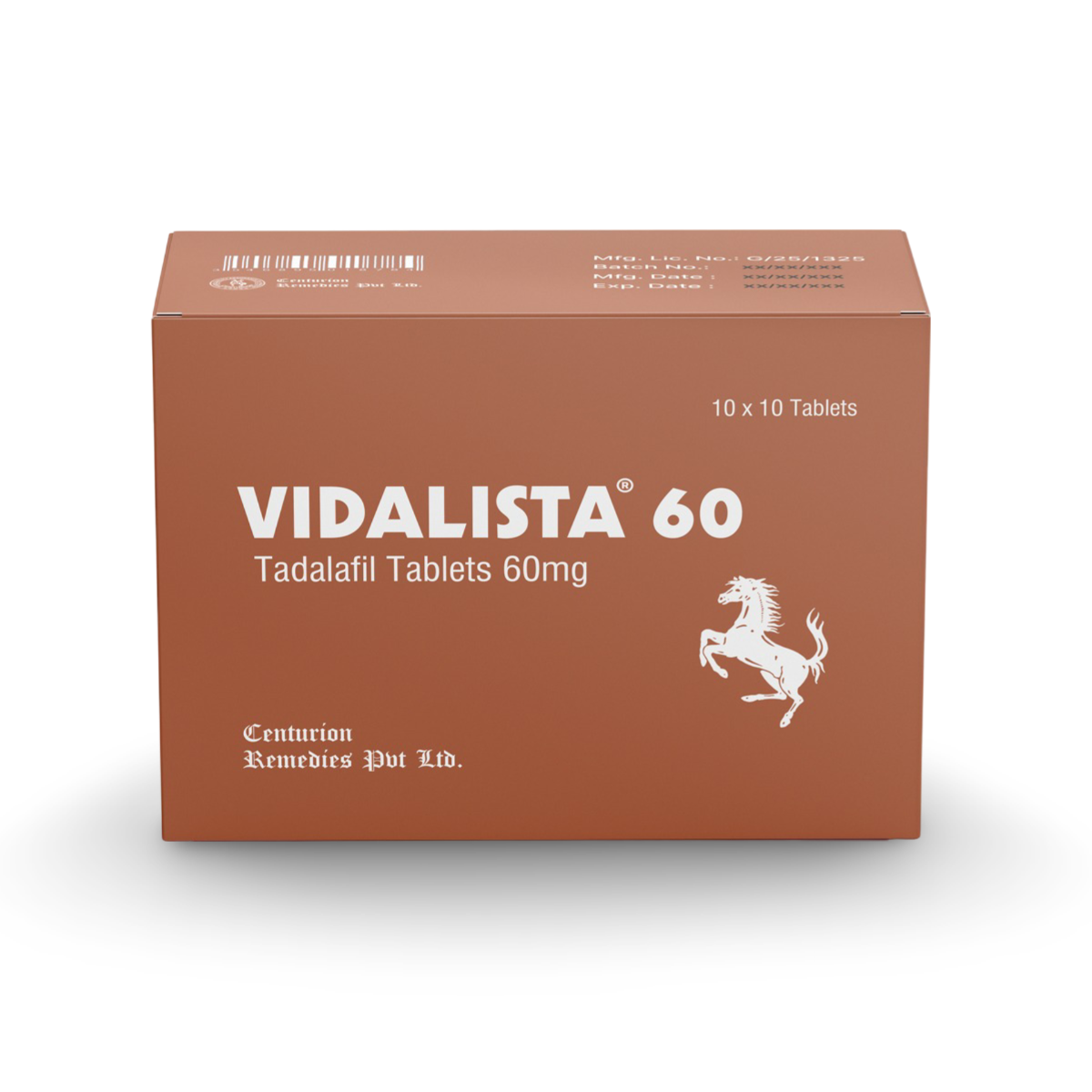
Vidalista 60 Mg
Starting at just $0.90 per tabletBuy Now
Tadalafil Black 80 Mg
Starting at just $1.29 per tabletBuy Now
Cenforce 200 Mg
Starting at just $0.84 per tabletBuy NowWhy Cialis is Not Working: Reason
Despite being highly effective for many males, Cialis may not always perform as desired. According to research, treating Erectile Dysfunction with Cialis may not produce satisfactory outcomes for 20-30% of men.
Several factors can contribute to this problem, including psychological issues, inappropriate usage, dosage issues, underlying health concerns, and potential interactions with other medications.
Let’s look at these factors in detail.
Psychological Issues
Psychological variables such as Anxiety, Stress, Depression, and relationship problems can have a major impact on erectile function. These conditions may affect the sexual arousal.
Cialis requires sexual stimulation to function properly. The medicine may be ineffective if a person is not psychologically relaxed or sexually excited.
Inappropriate Usage
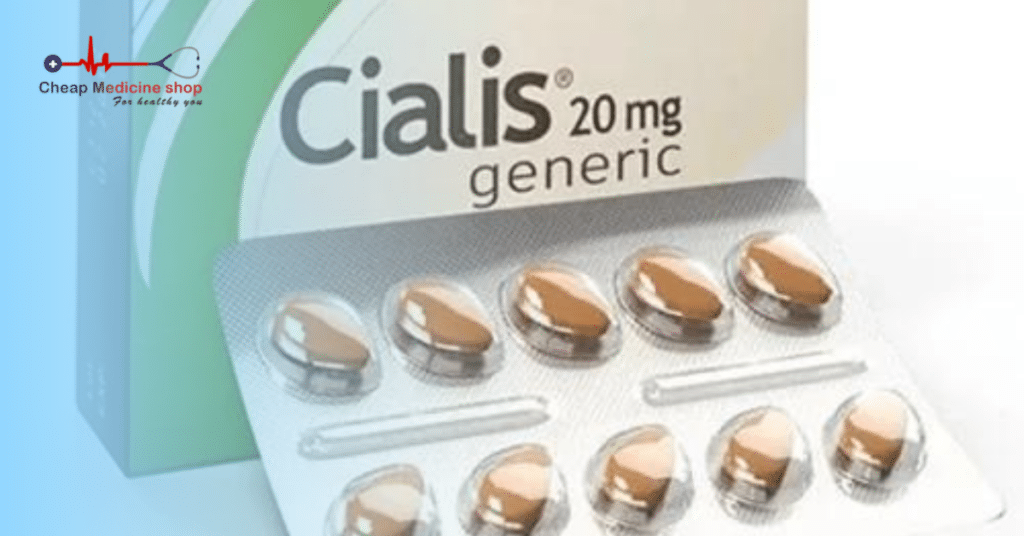
Cialis should be taken at least 30 minutes or 1 hour prior to sexual activity to achieve maximum effectiveness. However, for some males, Cialis may require more time to show its effect. Cialis lasts up to 36 hours, and you can take it without worrying about wearing off the effects.
However, taking Cialis at the incorrect time, without giving it enough time to show its effect, might reduce its efficacy.
If you are keen to know what is the right time to take Cialis to get the desired results, read When to Take Cialis for Best Results? Answering the Question.
Dosage Issues
Each person requires a different dosage of Cialis based on their requirements. If you need a higher dosage of Cialis and are taking a lower dose, its effectiveness may be reduced.
The prescribed starting dose for Cialis is 10 mg; however, this can be changed according to individual needs and responses. If a lesser dose (e.g., 2.5 mg or 5 mg) is taken daily, it may take several days to accumulate in the system before it starts being effective.
On the other hand, consuming medicine in higher doses might have negative consequences without resolving ED symptoms.
Underlying Health Problems
Several medical conditions, such as Diabetes, high blood pressure, Obesity, and low Testosterone levels, can all have an impact on the effectiveness of Cialis in treating ED.
These health conditions can affect blood flow or nerve function, thereby reducing the effectiveness of the medication.
Interactions
Some medications, notably Nitrates and Alpha-blockers, might interact with Cialis reducing the efficacy of Cialis.
These interactions cause a severe decline in blood pressure, leading to dizziness or fainting. Sometimes, having Cialis after a high-fat meal may also affect its effectiveness and delay the onset time.
Additionally, substances such as grapefruit and alcohol may also interact with Cialis, thus influencing its mode of action.
What to Do if Cialis Did Not Work
If Cialis does not work for you, you should reach out to a certified healthcare expert. They might suggest any of the following effective ways to treat your ED based on your health and preferences:
- An expert might suggest an adjustment in the dosage of the medication to improve its efficacy
- If Cialis remains unsuccessful, additional PDE5 inhibitors like Viagra or Levitra may be recommended, as they have different characteristics and may perform better for certain people
- Individuals who are encountering psychological barriers to sexual performance may benefit from therapy or counseling. Consulting a mental health specialist can help you overcome Anxiety, Depression, and relationship problems, thereby improving sexual performance
- According to a study, a healthy lifestyle, including changes in diet, quitting smoking, and exercising daily, may help with Erectile Dysfunction
Key Notes
Although Cialis is a successful treatment for ED in many people, it does not work for everyone. Its ineffectiveness can be linked to psychological difficulties, incorrect usage, underlying health issues, and harmful medication interactions.
If Cialis is not working for you and fails to produce the expected outcomes, it is important to consult a medical professional. They can assist in determining any underlying concerns, adjusting doses, lifestyle changes, or exploring alternate treatment options.
With the right approach and support, many people may discover a solution to improve their sexual health and general well-being.

Frequently Asked Questions
Can Viagra work on me but not Cialis?
Is it possible that Cialis takes longer to function in some men?
Yes, Cialis may take longer for some men to function. While the start of action is usually between 30 minutes to 2 hours, individual metabolism, dietary intake, and overall health affect how soon it works. Give the medication adequate time before judging it as ineffective. Buy Now
Does age influence how effectively Cialis works?
Yes, Cialis’s efficacy can be affected by age, as older men may have underlying health issues that interfere with erectile function. However, age is not the only deciding factor. Cialis works effectively for many older men, especially when other health issues are under control. Buy Now
How does alcohol impact Cialis?
While moderate alcohol use may not have a major influence on Cialis, excessive alcohol consumption could reduce its efficiency and raise the risk of adverse effects such as dizziness and low blood pressure. Buy Now
Can sleep quality affect Cialis’s performance?
Yes, poor sleep quality can negatively affect sexual function and Cialis’s efficacy. Chronic sleep deprivation or sleep problems can disrupt hormone balance and general health, potentially affecting how effectively Cialis works. Ensuring proper sleep hygiene might help you respond better to the medicine. Buy Now