







A doctor may diagnose Erectile Dysfunction (ED) when a male has continuous trouble achieving or sustaining an erection.
ED is a common sexual ailment among males and has several types.
One such type of ED is Vasculogenic ED. It occurs when the blood vessels and arteries do not function properly, reducing the blood flow to the penis.
This may cause erection problems and lead to Vasculogenic Erectile Dysfunction.
This article will discuss the Vasculogenic ED causes, symptoms, and treatments.
Vasculogenic Erectile Dysfunction

Erectile Dysfunction or impotence is a sexual dysfunction. In this condition, a male may not be able to have or hold an erection.
This sexual dysfunction is divided into categories based on the causes of ED, namely, organic and psychogenic.
Psychogenic ED has psychological causes. While organic ED has further sub-types, i.e., vasculogenic, neurogenic, and hormonal.
Vasculogenic ED is one of the most prevalent types of ED.
It occurs when the blood flow to the penis is affected due to improper blood vessels and arteries functioning.
Arteriogenic ED, or Arterial ED, is a type of Vasculogenic Erectile Dysfunction. It may occur when Atherosclerosis leads to a blockage in one or more arteries responsible for blood flow to the penis.
Another sub-type of ED is Venogenic ED. As per this study, the problem may happen due to venous leakage. This can cause the blood to drain too early from the penis.
Save up to 90% on your medicine bills

Cenforce 200 Mg
Starting at just $0.84 per tabletBuy Now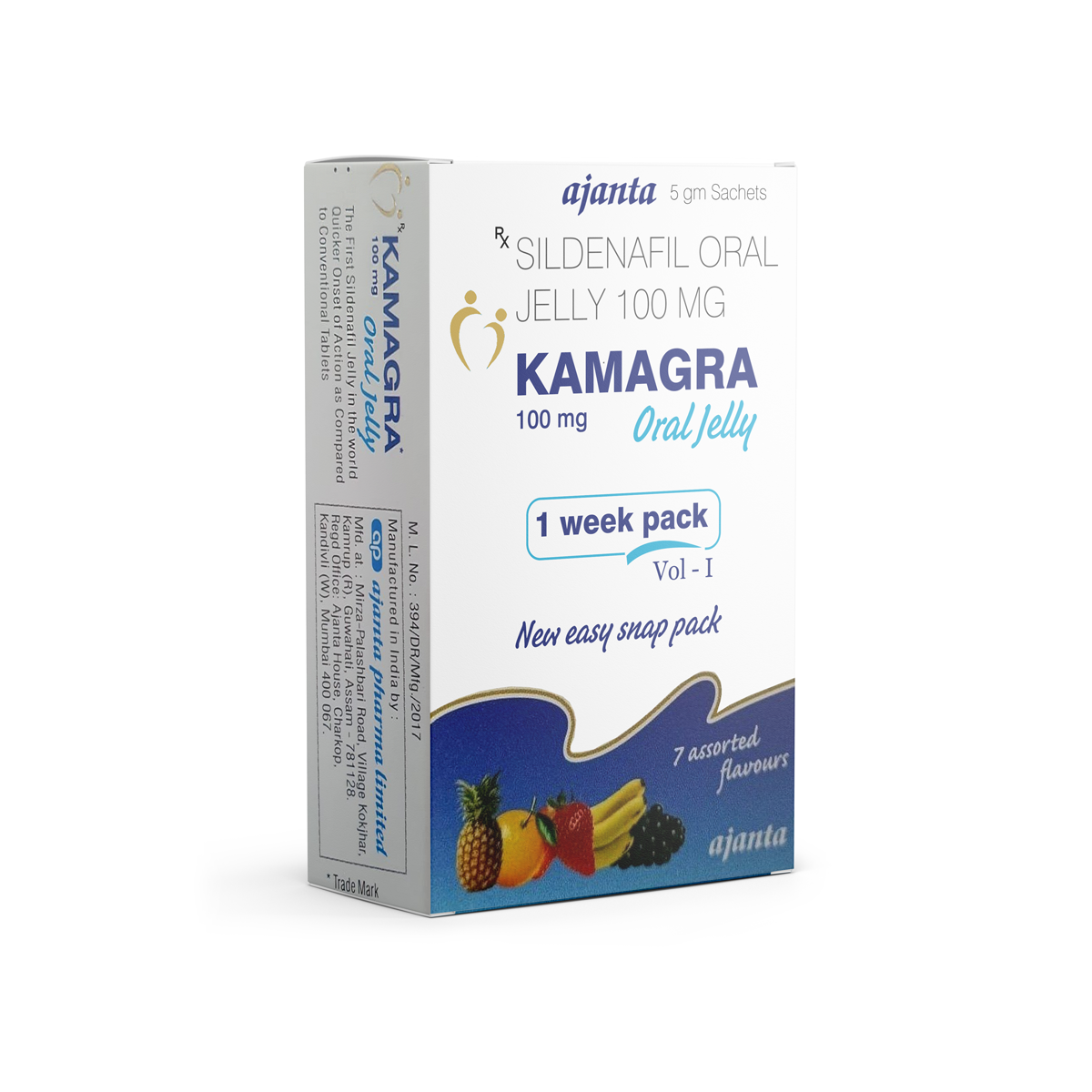
Kamagra Oral Jelly Rx 100 Mg
Starting at just $1.86 per sachetBuy Now
Fildena 100 Mg
Starting at just $0.80 per tabletBuy Now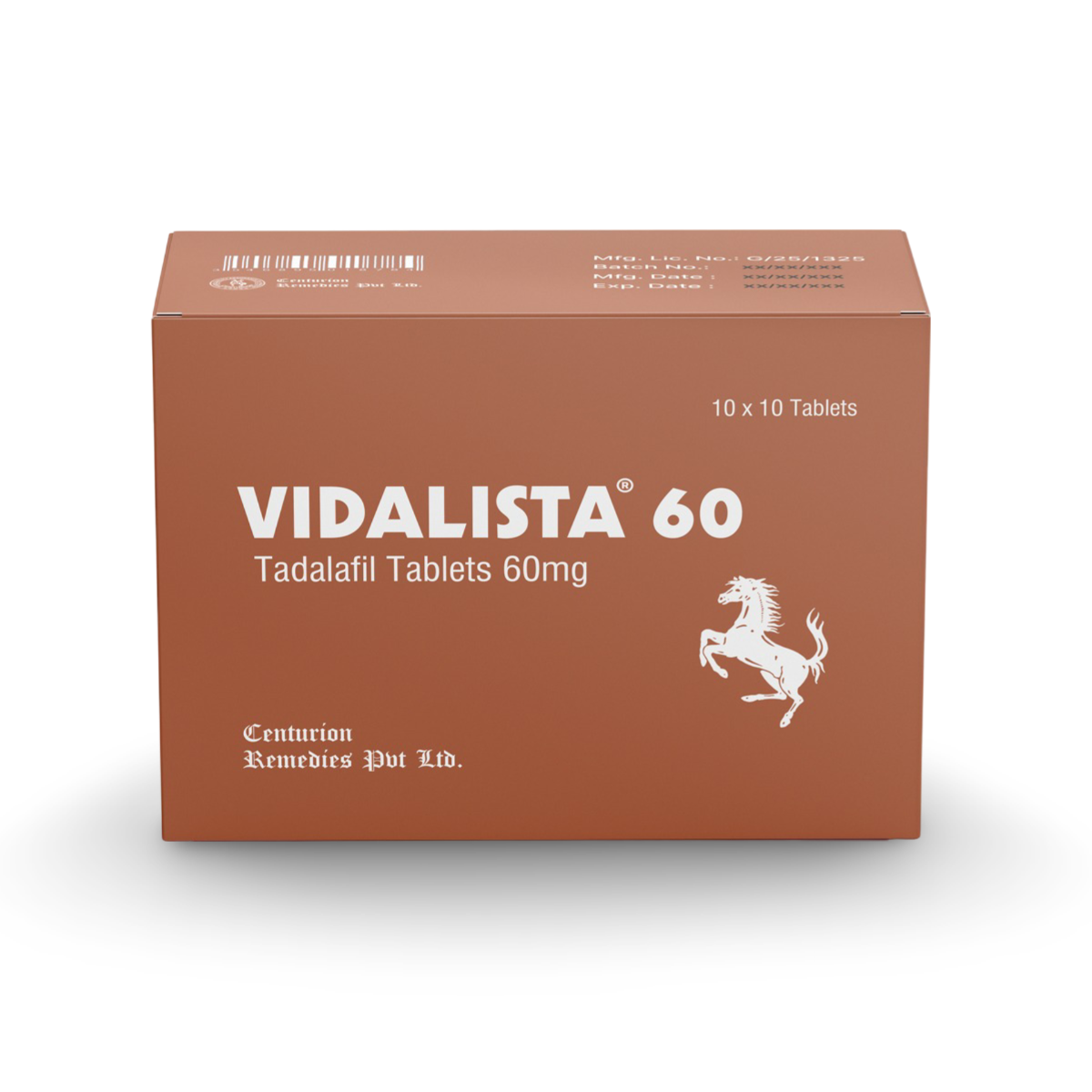
Vidalista 60 Mg
Starting at just $0.90 per tabletBuy NowVasculogenic ED symptoms
You may ask what are the symptoms of this specific ED. Well, all types of ED have similar symptoms irrespective of their category.
ED symptoms may include:
- Trouble having an erection
- Trouble maintaining an erection
- Decrease in sexual desire
What causes Vasculogenic ED
According to a review, the cause of Arterial ED is an insufficient blood supply to cavernous bodies, i.e., penile shafts. The reason for insufficiency may remain the same irrespective of the arterial disease or abnormality.
Thus, the cause of Arterial ED may be health conditions that lead to narrowing or a blockage in the blood arteries. Causes of this sexual dysfunction may include CAD, high cholesterol and diabetes.
- Coronary Artery Disease (CAD) is the narrowing or blockage of arteries due to plaque buildup. In a 2013 research, about 75% of CAD patients had ED.
- Diabetes or high blood sugar for a long period can damage the nerves and blood vessels.
- High blood pressure can prevent the arteries from dilating and the smooth muscle to relax. This can decrease blood flow to the penis.
A 2014 research states that ED is commonly found in Hypertension patients.
- High cholesterol can build up in the arteries causing them to become narrow.
- Obesity can damage the blood vessels and cause a decrease in testosterone levels.
- Peripheral artery disease is the clogging of the lower extremities, including the legs, feet, and penis.
Venogenic ED has similar causes, but they may also include:
- Peyronie’s disease is the formation of scar tissue in the penis. It can lead to a curved or painful erection.
- Neurological disorders can damage the nervous system. This may cause difficulty attaining or holding an erection.
A 2013 study states that neurological conditions and their treatments can cause ED. These conditions may include Epilepsy, demyelinating disorders, brain or spinal cord injuries.
- Extreme stress and anxiety can also cause erection problems.
Vasculogenic ED treatment

There are several invasive and non-invasive treatments for Vasculogenic ED.
Most men may prefer taking ED pills as part of a non-invasive treatment due to their effectiveness and quick results.
While some may need more invasive methods, such as surgery. Other treatments may include injection therapy and lifestyle changes.
Oral medications
Some FDA-approved oral medicines for ED include Sildenafil, Tadalafil, Vardenafil, and Avanafil. They are all PDE-5 inhibitors that affect the PDE-5 enzymes to increase blood flow to the penis.
Your doctor may suggest one of these medicines as a first line of treatment for your erection problems.
Lifestyle changes
Your healthcare provider may recommend some lifestyle changes as part of your treatment. They may suggest a balanced diet, proper sleep cycle, and physical exercise.
Lifestyle changes could help in the treatment of mild ED. These changes, along with other ED treatments, may improve ED symptoms more efficiently.
Surgery
Surgery is a more invasive treatment. Doctors usually suggest this only when other methods are not working for you.
Surgery may involve penile implants, penile vein ligation, or penile arterial surgery. Surgery is an effective treatment in most cases but may have a higher risk of side effects such as infection.
Injection therapy
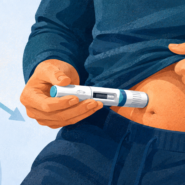
Injection therapy involves using a small needle and syringe. A person may inject a small amount of medicine into the side of the penis.
The therapy may help treat many erectile problems.
A person may feel pain or have penile scarring as a side effect of Injection therapy. But it is not necessary for you to face these side effects.
Summing up
Erectile Dysfunction is a common sexual ailment among males. Vasculogenic Erectile Dysfunction is a more prevalent type among ED patients.
Your doctor may diagnose Vasculogenic ED if you have trouble having or maintaining erections.
The cause of this dysfunction is insufficient blood flow to the penis. This may be due to improper working of arteries and blood vessels.
Health conditions that cause blood arteries to become narrow or create a blockage may cause this sexual dysfunction.
They may include high blood pressure, Diabetes, or high cholesterol.
Several treatment options are available, including oral pills, injection therapy, and surgery.
Consult your doctor for an effective treatment.

Frequently Asked Questions
Can Vascular Erectile Dysfunction be cured?
Treatments for Vasculogenic Erectile Dysfunction can effectively reduce the symptoms. But, they cannot cure the condition.
A 2003 study states that current therapies or treatments for Vasculogenic ED may be ineffective in reversing the condition.
How do you know if ED is vascular?
As per a 2020 study, a basic test to diagnose Vascular ED is to inject vasoactive drugs into the base of the penis. It is a popular and one of the earliest methods to diagnose Vascular ED.
Which nerve causes Erectile Dysfunction?
The nerve responsible for reflex erections is the dorsal penile nerve (pudendal nerve). Damage to this nerve can result in Erectile Dysfunction.
How can I fix ED naturally fast?
Lifestyle changes such as a balanced diet, physical exercise, proper sleep, and weight loss can help reduce ED symptoms. Mental therapy can also help to reduce symptoms of ED.
Is ED a lifelong problem?
Erection problems are usually temporary and go away with the help of treatment. But Erectile Dysfunction cannot be cured.
If the cause of ED is a chronic health condition, it may take time to reduce the symptoms.
Cheap Medicine Shop only refers to credible, authoritative sources for our content. If you're curious about how we ensure the integrity of our content, we encourage you to read our Content Information Policy.