




Do you feel that something is wrong when urine doesn’t flow easily during an erection? Peeing with a boner can be difficult, but in reality, doctors say this is a normal body response, and there is nothing to worry about. Urination is the process of releasing urine, a metabolic waste product, from the bladder. An erection, in contrast, results from increased blood circulation that makes the penis firm. This erectile response is crucial for intimacy and sexual penetration.
Both processes can overlap due to their anatomical proximity and cause discomfort when occurring simultaneously. Methods such as sitting while urinating, gently massaging the abdomen, or double voiding can help urine flow more easily.
This article will thoroughly discuss why it’s difficult peeing with a boner. We will also talk about practical tips to easily urinate with an erection.
Why is it hard peeing with a boner?
Peeing is hard with a boner because the organs involved, which are the urethra, bladder, and penis, are located structurally closer in the pelvic area, creating an overlap between the two processes. When the penis is erect, muscles around the bladder neck and urethra tighten to help prevent urine flow during arousal or ejaculation. This can make urination difficult, even when your bladder feels full.
Urologists consider this medically normal and safe, as it is part of the body’s natural safety mechanism, in which one process is temporarily prioritized over another.
Save up to 90% on your medicine bills

Cenforce 200 Mg
Starting at just $0.84 per tabletBuy Now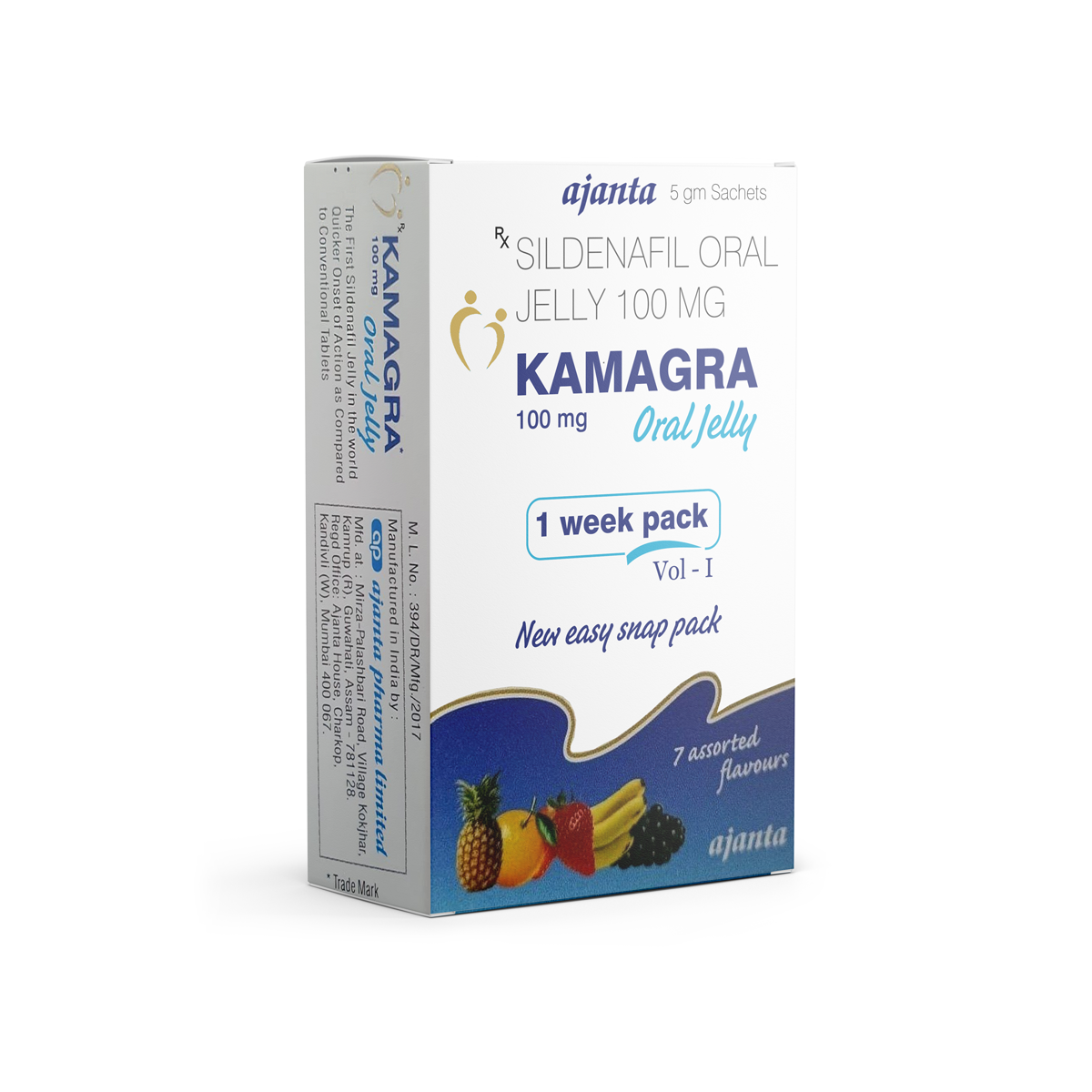
Kamagra Oral Jelly Rx 100 Mg
Starting at just $1.86 per sachetBuy Now
Fildena 100 Mg
Starting at just $0.80 per tabletBuy Now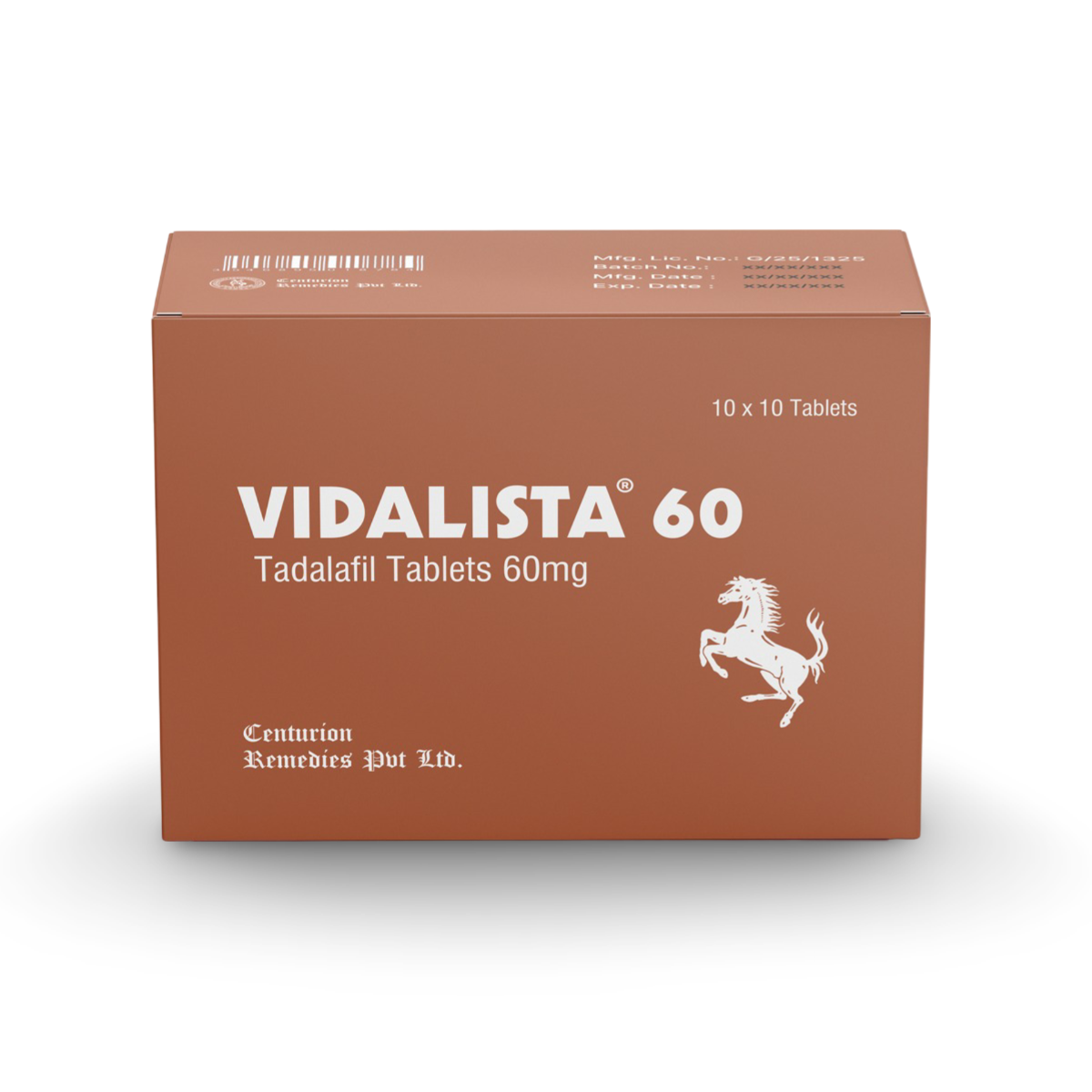
Vidalista 60 Mg
Starting at just $0.90 per tabletBuy NowThe following reasons explain the science behind it in detail:
- Physical blockage: The urethra is squeezed or compressed as the corpora cavernosa (penile muscles) fill with blood, making it difficult for urine to pass through the narrowed urethra.
- Closing of the bladder neck: To prevent semen from entering the bladder (which occurs in Retrograde Ejaculation) during intimacy, the sympathetic nervous system contracts the internal sphincter (a ring of smooth muscle at the bladder neck), making it difficult for urine to flow out.
- Focus on sexual functioning: During arousal, the body prioritizes sexual function by suppressing the bladder voiding reflex to prevent involuntary urination. In turn, you can feel difficulty peeing with an erect penis.
Once the erection subsides, the muscles relax on their own, making the urethra open up and releasing urine from the bladder.
How to pee with a boner
As we discussed before, the urethra opens naturally after ejaculation. However, if the urge to urinate is strong and you can’t wait for detumescence, a few practical methods can help promote easy urine flow. These include eliminating the erection through a short walk or distraction, changing the urinating position to empty the bladder without straining, and stimulating the bladder by massage or a warm compress:
- Light exercise or walk: Take a walk or do light squats to move the blood from the penis to the muscles in the leg to reduce arousal.
- Using cold water: Splash cold water on your hands and face. Cold water can make the penis shrink and prevent an erection by narrowing the blood vessels.
- Distraction: Distract yourself by focusing on non-sexual thoughts. Think of a to-do list or use the 5-4-3-2-1 technique, where you name 5 things you see, 4 things you can feel by touch, 3 things that can be heard, 2 that can be smelled, and 1 that you can taste. It will help eliminate erection for easier peeing.
- Deep breathing: Inhale for 4 seconds, hold the breath for 7 seconds, and then exhale for 8 seconds. It can help promote physical relaxation and reduce erections by acting as a mental distraction.
- Sit down and lean forward: Sit while urinating and try to lean forward to apply light pressure to the abdomen. It reduces tension in the pelvic floor muscles, and gravity helps to pass urine easily.
- Stand and bend forward: Stand at the toilet and lean or bend forward. You can rest one hand on the wall for support. It will slightly relax the pelvic muscles, allowing urine to pass.
- Double voiding: This technique can help to empty the bladder completely. Urinate, then take a 20-60 second break to allow the residual urine to move into the bladder neck. Try to urinate again.
- Bladder massage: Gently massage your lower abdomen, where the bladder is, with your hands. It will help contract the bladder, making it easier for urine to flow with a boner.
- Warm compression: Apply a warm compress to the inner thighs or lower abdomen using a towel. The heat will relax the pelvic floor and bladder muscles, reducing resistance to peeing and urine retention.
When to seek medical care
Due to the anatomy of the urethra, it is completely normal to face discomfort when urinating with an erection. However, signs like pain or difficulty that significantly impact overall quality of life should not be ignored. It is the right time to see a doctor or urologist if you:
- Feel an erection becoming painful and lasting for more than 4 hours.
- Feel pain, incomplete emptying, or notice a weak stream more than usual.
- Experience constant pressure in the pelvic area.
- Notice blood in the urine.
- Struggle frequently to urinate even when there is no erection.
Conclusion
Peeing with a boner can be an uncomfortable experience, but it is generally temporary and normal. Both processes involve muscles, the sphincter and the corpus cavernosa, that are closer to each other in the pelvic area, causing an overlap. Additionally, increased blood flow to the corpora cavernosa, narrowing of the urethra, and tightening of the bladder neck all make urine flow harder during an erection.
Moreover, the body prioritizes sexual function over bladder emptying during arousal. In most cases, this issue resolves naturally once the erection subsides. However, if you want to pee urgently, simple techniques, such as eliminating the erection through cold water, walking, mental distraction, and deep breathing, can help.
Changing positions, like sitting down or bending forward, and stimulating the bladder by double voiding, gentle massages, and warm compression can also make it easier to urinate with a boner.
For safety and effective treatment, consult a doctor in case of difficulty urinating or persistent pain, even in the absence of an erection. These symptoms can indicate an underlying health issue, and timely medical intervention can help sustain overall health.

Frequently Asked Questions
What’s the best position to urinate with morning wood?
Sitting down to urinate with a morning wood is an effective position as it enables better pressure on the abdomen to reduce urethral compression from a boner. It also resembles the natural contraction that pushes urine and avoids a mess from an irregular stream.
At what age do men stop getting morning wood?
There is no specific age when men stop getting morning wood. However, its frequency starts decreasing from the 40s due to low testosterone levels. Many men still experience it in their 60s or 70s, but less often. Sudden loss of morning erection can indicate Erectile Dysfunction or other health issues.
Is it bad to go 7 hours without peeing?
Yes, it is bad to go 7 hours without peeing when done regularly. It is recommended that you empty your bladder every 3-4 hours. Holding the urine for longer can lead to bladder weakening, urine retention, or Urinary Tract Infections (UTIs).
Does difficulty urinating with an erection indicate prostate problems?
No, difficulty urinating with an erection does not indicate prostate problems, as it happens due to the closure of the bladder neck and filling of blood in the corpus cavernosa. Symptoms like difficulty urinating or a weak stream in the absence of an erection can indicate a prostate issue like Benign Prostatic Hyperplasia (BPH).
Cheap Medicine Shop only refers to credible, authoritative sources for our content. If you're curious about how we ensure the integrity of our content, we encourage you to read our Content Information Policy.