




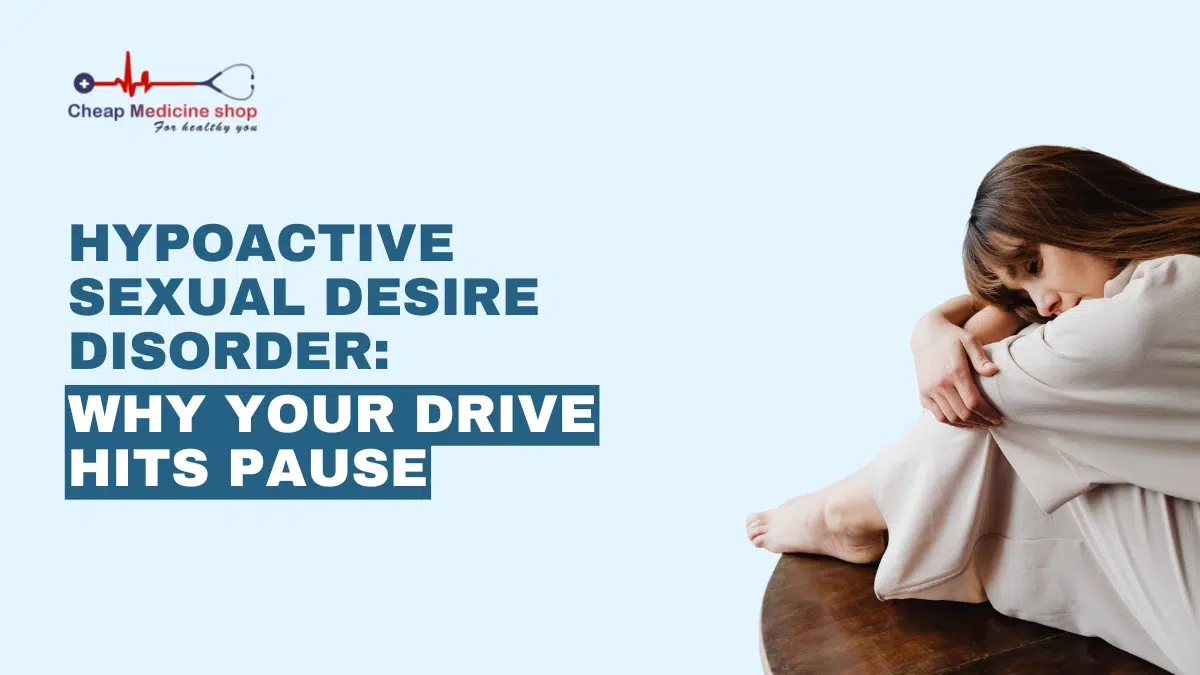

Many individuals go through periods of feeling less interested in sex. But if this low interest continues for months and starts to affect your life, it could be something more. You might feel a deep personal distress when your desire for sexual activity suddenly fades.
This common concern affects people, regardless of gender. Sometimes, this change goes beyond just a temporary dip. It might point to a condition known as Hypoactive Sexual Desire Disorder (HSDD), a real and treatable condition that can impact both men and women.
HSDD causes a noticeable and persistent decrease in your sexual thoughts and desire.
Understanding this condition is the first step toward finding helpful solutions. This article will explore HSDD, why it happens, and how to manage it effectively.
What is Hypoactive Sexual Desire Disorder?
Hypoactive Sexual Desire Disorder (HSDD) is a medical condition where a person experiences a persistent or recurring decrease in sexual desire or fantasies. This loss of interest is more than a temporary phase; it lasts for at least six months and causes significant distress or relationship problems. HSDD can affect both men and women, although it is more commonly diagnosed in women.
Medical classifications, such as the ICD-10 codes, recognize the disorder, which helps healthcare providers identify and treat the condition properly. HSDD is listed under the ICD-10 as code F52.0.
HSDD is sometimes called low sexual desire disorder, sexual desire dysfunction, or persistent low libido. Both Hypoactive Sexual Desire Disorder female and male forms exist, with some differences in their causes and treatments. Nevertheless, the impact on quality of life is equally significant in all individuals.
Save up to 90% on your medicine bills
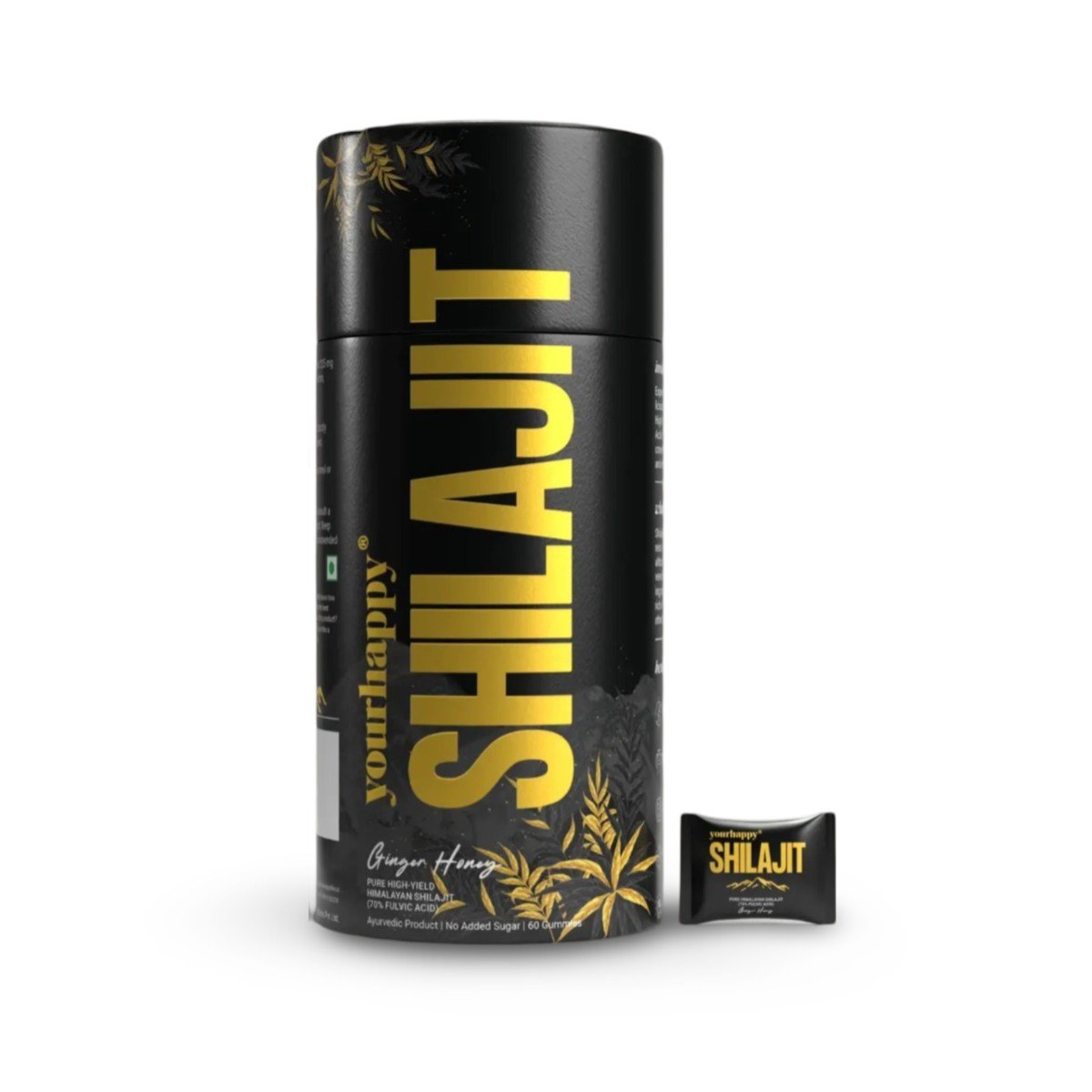
Your Happy Gummies
Starting at just $0.73 per gummyBuy Now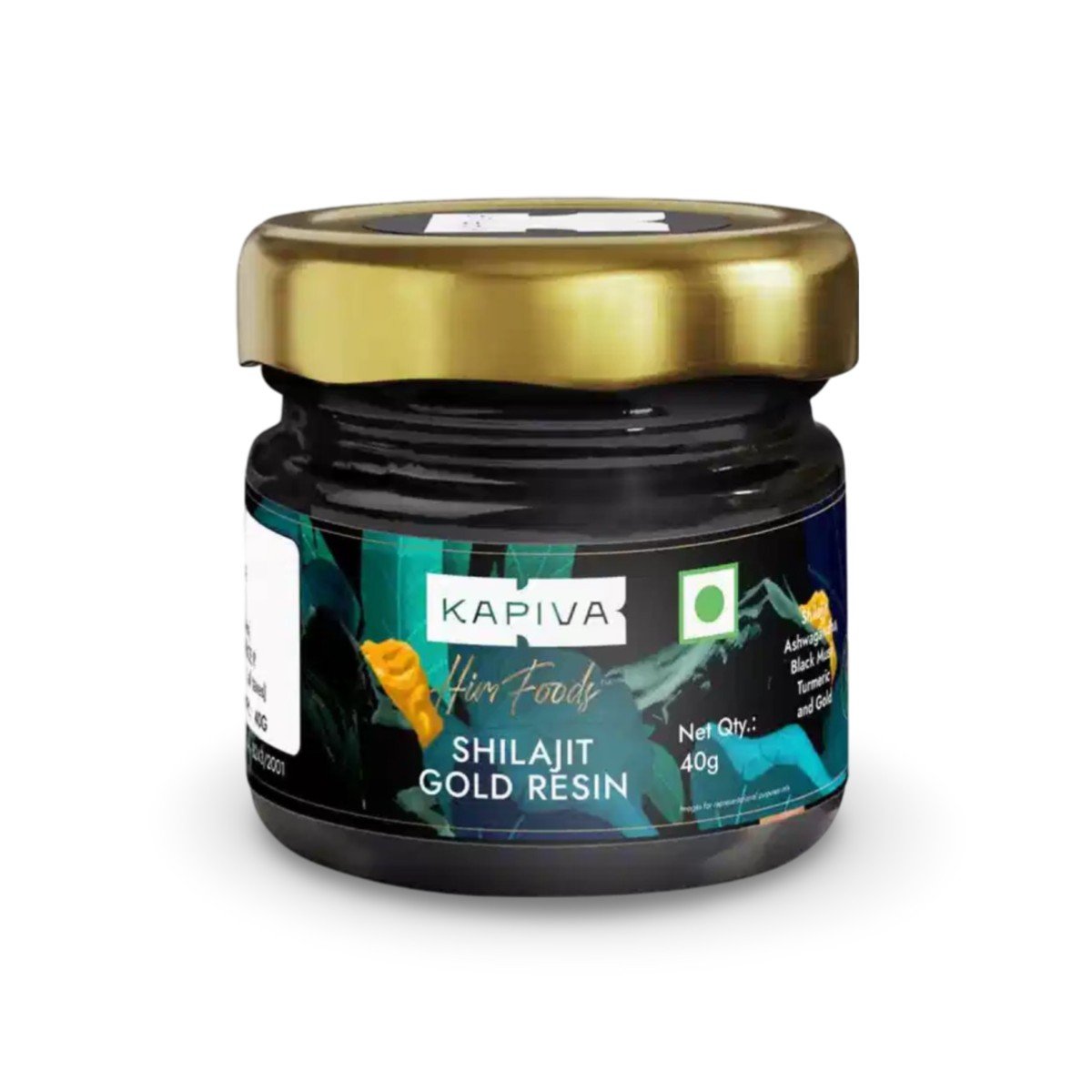
Kapiva Shilajit Gold Resin
Starting at just $39.66 per tabletBuy Now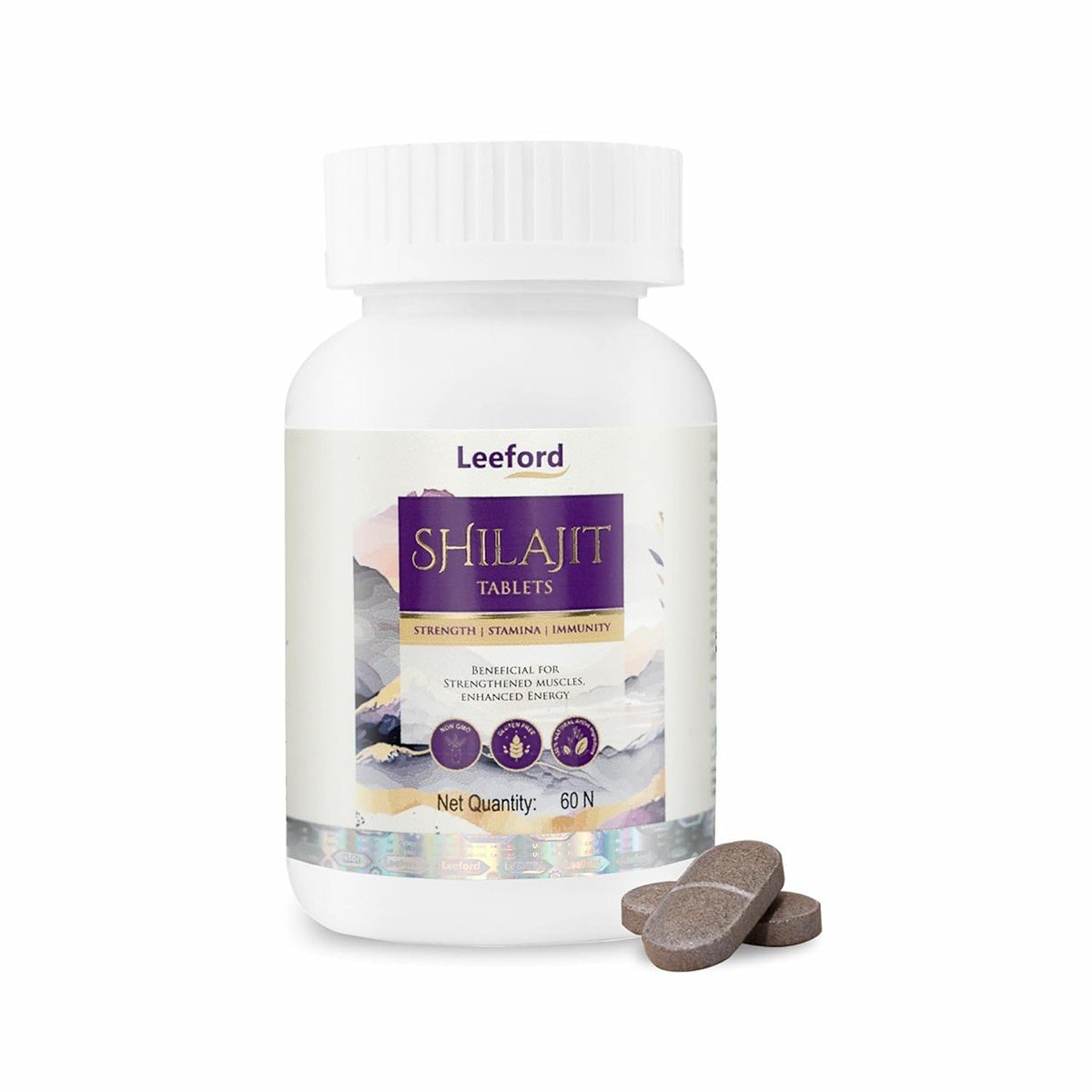
Leeford Shilajit Tablets
Starting at just $0.39 per tabletBuy Now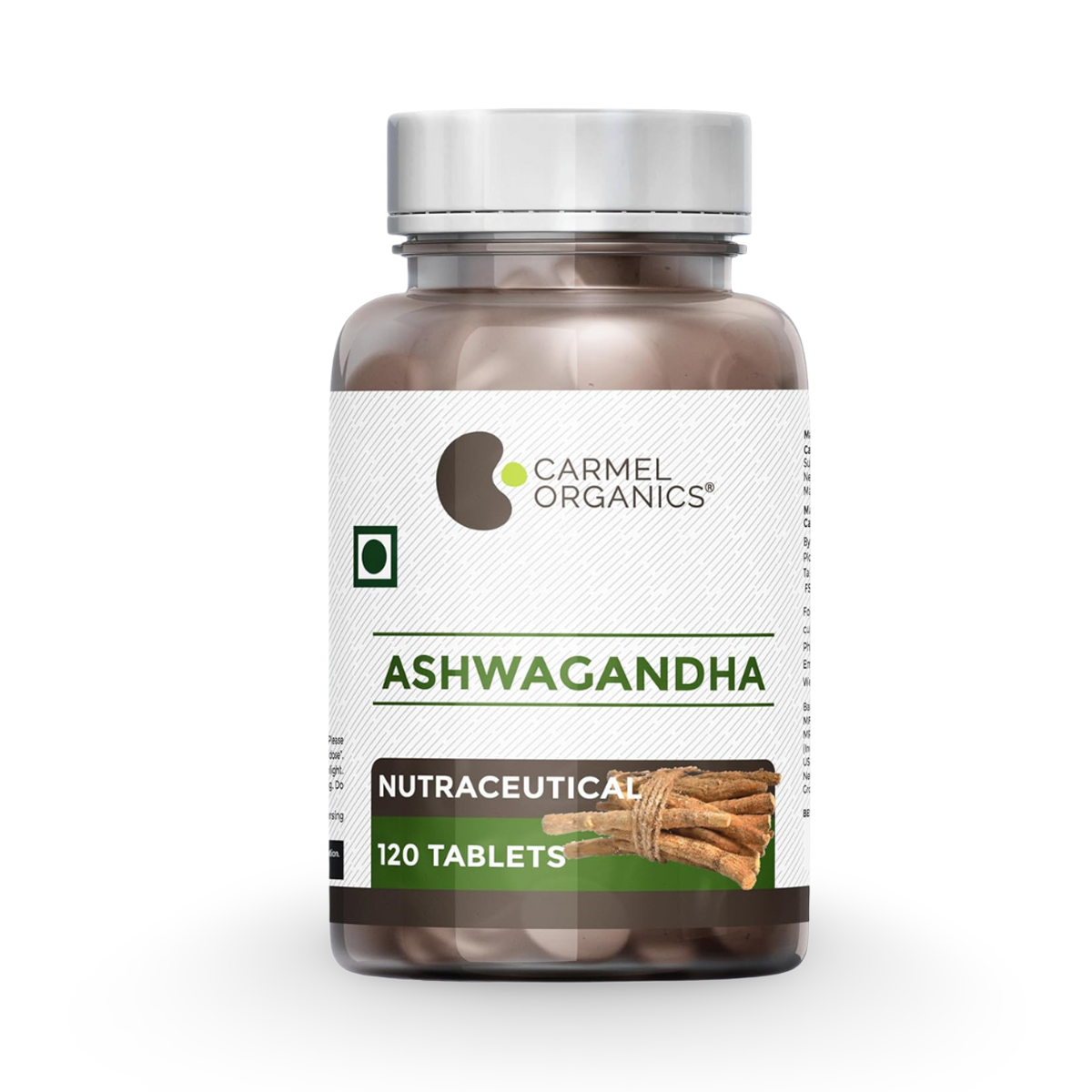
Carmel Organics Ashwagandha Extract Tablets
Symptoms of HSDD
The signs of HSDD can be subtle or obvious, but they all indicate a loss of interest in sexual activity that affects your life. Common Hypoactive Sexual Desire Disorder symptoms include:
- Little or no interest in sexual activity or thoughts
- Few or no sexual fantasies
- Lack of desire to initiate or respond to sexual activity
- Difficulty maintaining sexual interest during intimacy
- Avoidance of situations that might lead to sexual activity
- Feeling distressed or upset about the loss of sexual desire
To be considered HSDD, these symptoms must last for at least six months and cause you personal distress. If you notice these signs, you should explore possible causes and treatment options.
Causes of Hypoactive Sexual Desire Disorder
HSDD can result from a mix of physical, emotional, and relationship factors. Some common causes include:
- Hormonal changes, such as Low Testosterone or Estrogen levels
- Medical conditions like Diabetes, heart disease, or Thyroid problems
- Side effects of some medications, including antidepressants and blood pressure medicines
- Stress, fatigue, or poor sleep
- Mental health issues like Anxiety or Depression
- Relationship difficulties or lack of emotional connection
- Past trauma or sexual abuse
For men, male Hypoactive Sexual Desire Disorder often relates to hormonal imbalances or physical health issues. For women, Female Hypoactive Sexual Desire Disorder may also involve hormonal fluctuations related to pregnancy, childbirth, or Menopause.
How is HSDD diagnosed?
Diagnosing HSDD involves a careful review of your symptoms and overall health. There is no single HSDD test, but it involves honest conversations and some screening tools.
A doctor will:
- Take a detailed medical and sexual history.
- Ask about your emotional health and relationship status.
- Perform a physical evaluation, including a pelvic exam if you are a woman.
- Order blood tests to check hormone levels.
- Use questionnaires or interviews to understand your mental health.
The diagnosis follows criteria for manuals like ICD-10 and the DSM-5-TR. Before confirming HSDD, your doctor will rule out other aspects, such as medication side effects or medical conditions.
How to treat Hypoactive Sexual Desire Disorder?
Treatment for Hypoactive Sexual Desire Disorder depends on the underlying causes and your personal needs. Treatment often combines several approaches to improve sexual desire and overall well-being.
Lifestyle changes
Simple changes can help improve your sexual desire, such as:
- Managing stress through relaxation techniques or exercise.
- Improving sleep quality.
- Reducing alcohol and quitting smoking.
- Eating a balanced diet and staying active.
Counseling and therapy
Psychotherapy and sex therapy are effective for many people with Hypoactive Sexual Desire Disorder (HSDD), as these approaches help address emotional issues, relationship challenges, and negative thoughts about sexual activity.
Cognitive Behavioral Therapy (CBT) has successfully improved sexual function significantly and desire in women with HSDD, with improvements in desire, arousal, comfort, and satisfaction.
Mindfulness-based approaches can help people become more aware of the present moment and less distracted during sexual activity. This can result in greater sexual desire and less distress.
Recent research supports the feasibility and effectiveness of CBT and mindfulness-based therapies, sometimes delivered via the internet, for treating HSDD. Sex therapy additionally provides a supportive environment to explore sexual concerns, improve communication, and strengthen intimacy, which are crucial for managing HSDD.
Medications
There are FDA-approved medications for Hypoactive Sexual Desire Disorder, particularly aimed at women. Flibanserin is approved for Female Hypoactive Sexual Desire Disorder treatment in premenopausal women. It works by balancing brain chemicals related to sexual desire. However, it may have side effects like dizziness or nausea, and is not suitable for everyone.
Hormonal therapies, such as Estrogen creams or Testosterone supplements, may be considered when hormone levels are low. These treatments require close medical supervision.
For male Hypoactive Sexual Desire Disorder, hormone replacement or addressing underlying health issues can improve libido.
Tips for managing HSDD
If you are dealing with a low libido disorder or loss of interest in sexual activity, here are some helpful tips:
- Communicate truthfully with your partner about your feelings and needs.
- Schedule intimate time to reconnect emotionally and physically.
- Explore new ways to enjoy intimacy that do not focus only on intercourse.
- Practice self-care and address mental health concerns.
- Consult a doctor to discuss treatment options tailored to you.
- Be patient with yourself; regaining sexual desire can take time.
Conclusion
Hypoactive Sexual Desire Disorder affects your interest in sexual activity and your emotional connection with others. It is a real medical condition that can impact both men and women, often leading to stress and relationship struggles.
Recognizing common symptoms like a persistent loss of desire and understanding the possible causes, whether hormonal, emotional, or medical, is the first step toward healing. Diagnosis requires careful evaluation, and treatment should be tailored to your specific needs. Options include lifestyle changes, therapy, and safe medications like Flibanserin.
Therapies such as CBT and mindfulness have also shown strong results. With the right approach, many people see real improvements in their desire and intimacy. If you’re facing this challenge, don’t ignore the signs. Talk to a healthcare provider to find a plan that works for you.

Frequently Asked Questions
How to recover from sexual weakness?
To recover from sexual weakness, you should focus on a healthy lifestyle. Eat well, exercise regularly, and get good sleep. Discuss openly with your partner about what you’re experiencing. Manage stress and avoid smoking or too much alcohol. If needed, see a doctor for advice and treatment.
How do I stop losing arousal?
To stop losing arousal, you can try relaxing and focusing on the moment during intimacy. Talk frankly with your partner about how you’re feeling. Make sure you get enough rest, reduce stress, and avoid distractions. If needed, see a healthcare provider for advice and support.
At what age does a woman stop ejaculating?
Women do not ejaculate in the same way men do. Some women release fluid during orgasm, but not all do. There is no specific age when this stops. It may change with age, hormones, or health conditions. Every woman’s body is different.
What happens when a woman takes Viagra?
When a woman takes Viagra, it may increase blood flow to her genital area, which can help with physical arousal like feeling more sensitive or lubricated. However, Viagra is not approved for women, and its effects on female sexual desire are not well studied.
Is HSDD a mental illness?
No, Hypoactive Sexual Desire Disorder (HSDD) is not a mental illness by itself. It is a sexual desire dysfunction that can be linked to mental health matters like Anxiety or Depression. You may need support for both your emotional health and sexual desire to feel better.
What is hypersexuality in men?
Hypersexuality in men means having very strong or frequent sexual thoughts, urges, or behaviors that feel hard to control. It can influence your daily life, relationships, and emotions. If you notice this happening often and it causes problems, you should talk to a healthcare professional for help.
Cheap Medicine Shop only refers to credible, authoritative sources for our content. If you're curious about how we ensure the integrity of our content, we encourage you to read our Content Information Policy.