





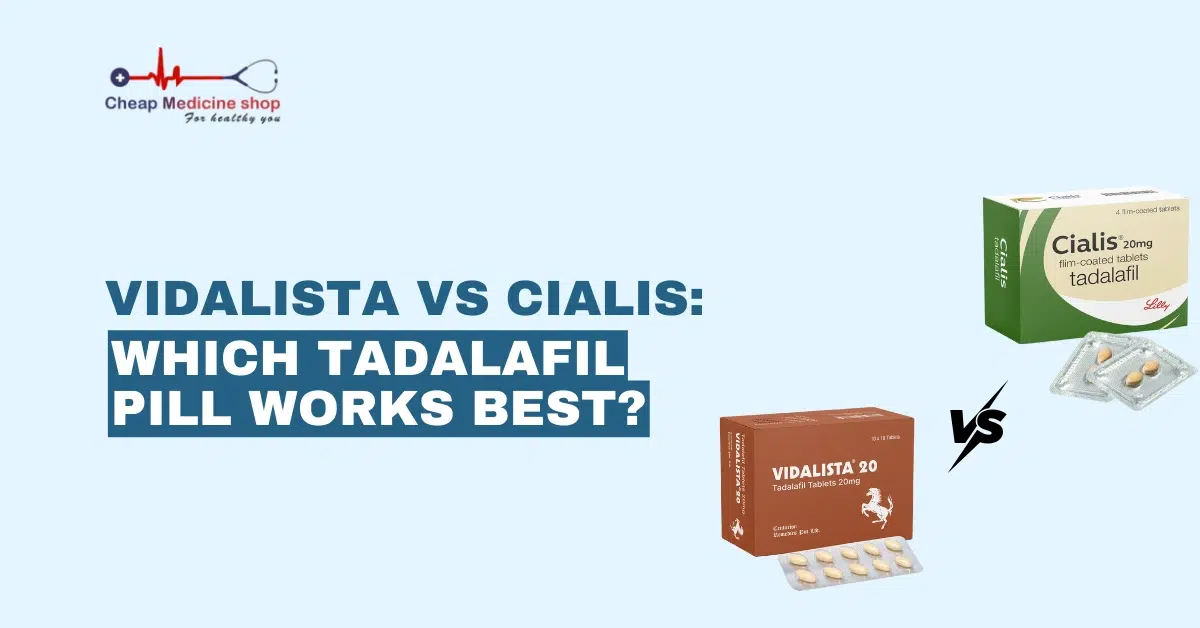

Erectile Dysfunction (ED) is more common than many men think. Fortunately, it’s also highly manageable with the right treatment. Two of the most trusted medications for this are Vidalista and Cialis. Both contain Tadalafil, a proven Phosphodiesterase type 5 inhibitor (PDE5i). When a man is sexually aroused, it boosts blood flow to the male genitals, leading to firm, sustained erections.
While both medicines effectively treat ED or impotence, their branding, price, and FDA approval status differ. Cialis is the original patented medication. In contrast, Vidalista is a WHO-compliant generic version of Cialis. It provides the same therapeutic results as the branded variant but at a much more affordable price.
This article deep dives into the Vidalista vs Cialis comparison to help you make an informed choice based on cost, availability and specific dosage requirements. But do remember to consult your sexologist before beginning, stopping or switching any medication.
Vidalista vs Cialis: A brief overview
Both Vidalista and Cialis, containing Tadalafil, remain effective for up to 36 hours, making them one of the longest-lasting ED treatments available and most suitable for those who want to avoid taking the medicine every day. Here’s a table listing their similarities and differences:
| Parameter | Vidalista | Cialis |
| Manufacturer | Centurion Laboratories Pvt. Ltd. | Eli Lilly and Company |
| Appearance | orange or peach-colored, oval or almond-shaped tablet | Yellow or black, almond-shaped tablet |
| Active Ingredient | Tadalafil in 2.5 mg to 80 mg strengths | Tadalafil in 2.5 mg to 20 mg strengths |
| Onset of Action | 30-60 minutes | 30-60 minutes |
| Duration of Action | Up to 36 hours with a half-life of 17.5 hours | Up to 36 hours |
| Availability | 2.5 mg, 5 mg, 10 mg, 20 mg, 40 mg, 60 mg and 80 mg. | 2.5 mg, 5 mg, 10 mg and 20 mg maximum dose. |
| Cost Range (without insurance) | $0.50-$1.50 per tablet | $12- $80 per tablet |
| Regulation | WHO-GMP-compliant generic variant | EMA and FDA-approved brand |
| Efficacy | Clinically equivalent under medical supervision | FDA and EMA-proven efficacy |
| Side effects and risk | Mild headache, flushing, muscle aches, indigestion, and light-headedness. However, there is a higher risk with stronger doses | Well-documented safety profile since 2003; however, side effects like backache, upset stomach, dizziness and headache are commonly reported. |
Save up to 90% on your medicine bills
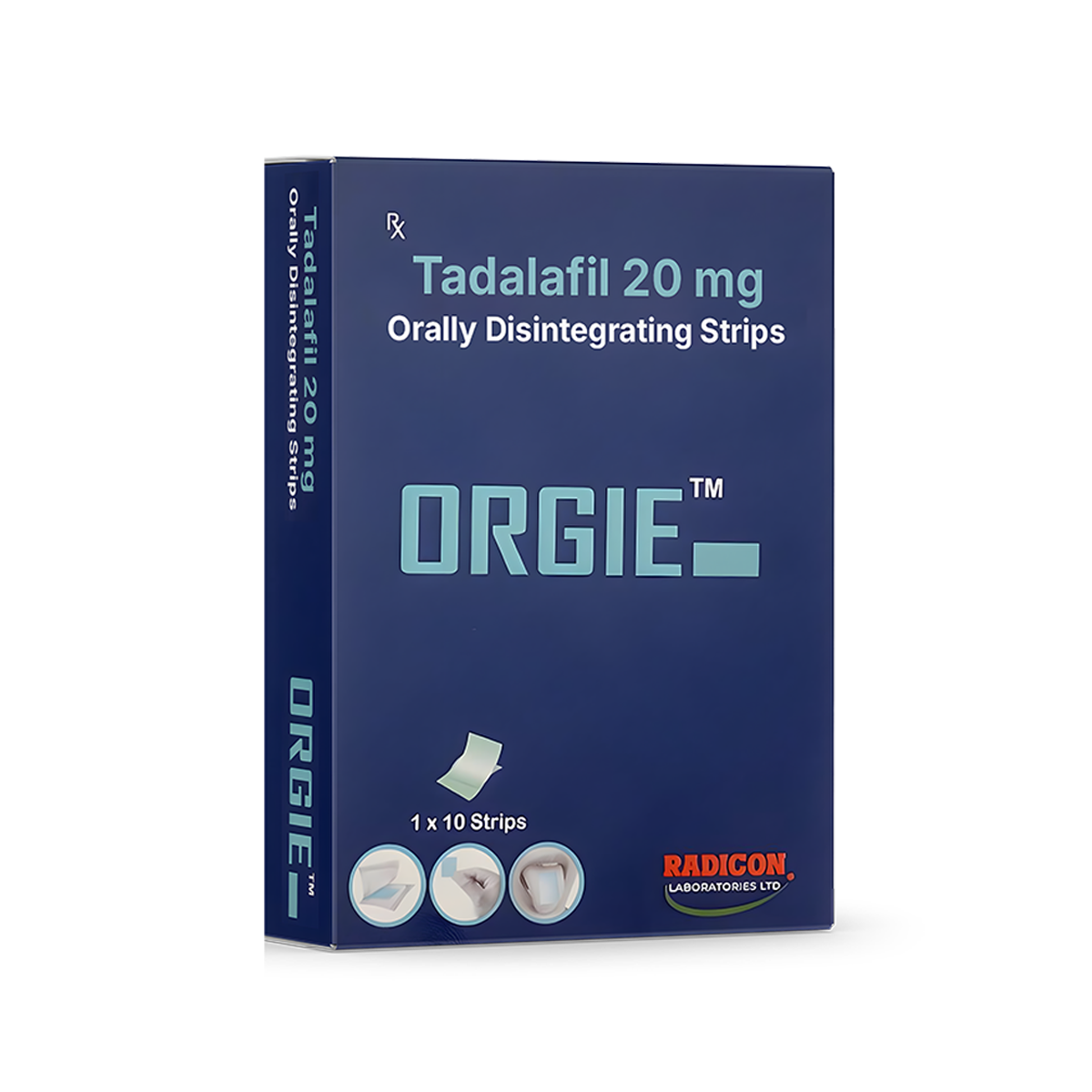
Orgie 20 Mg Oral Strips
Starting at just $1.67 per stripBuy Now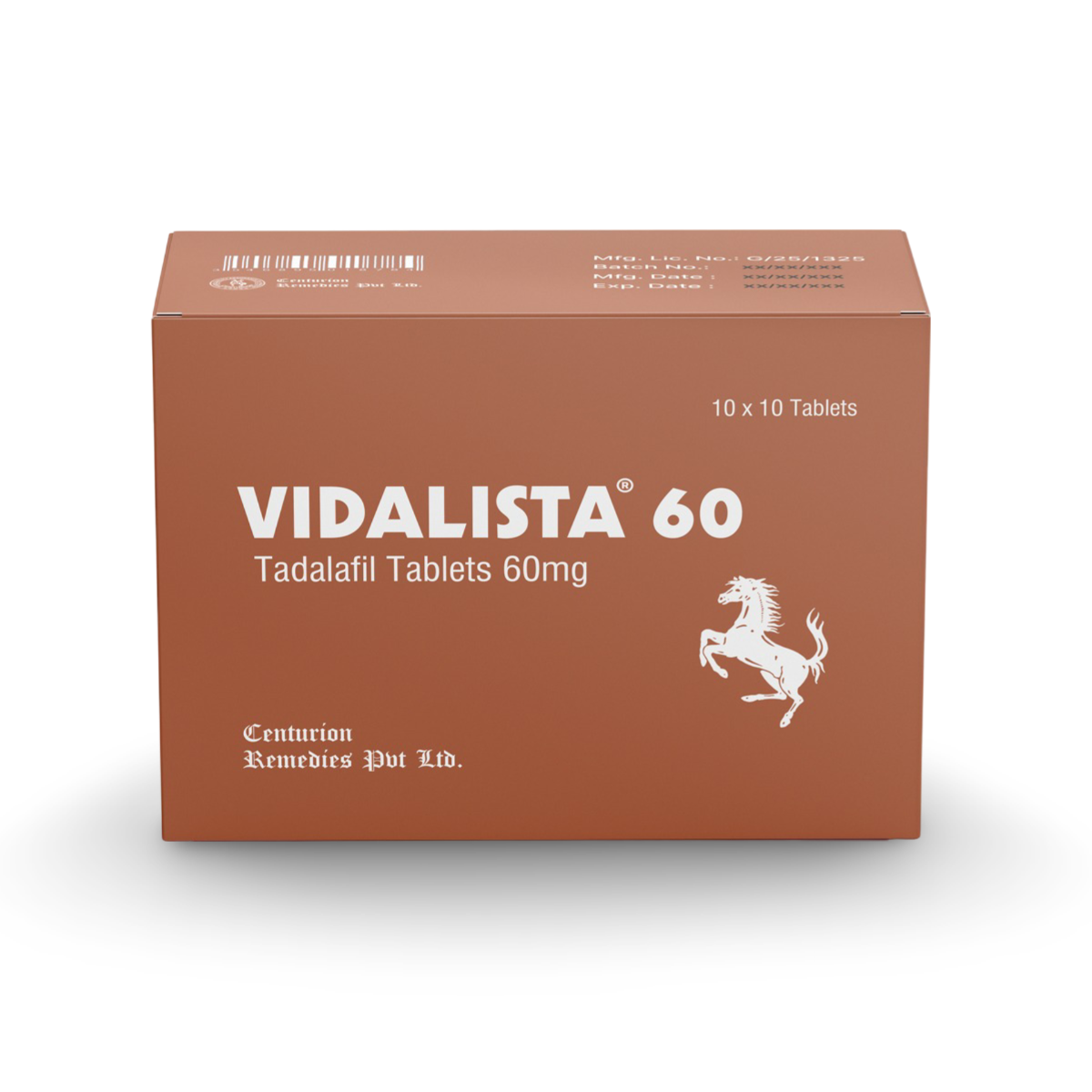
Vidalista 60 Mg
Starting at just $0.90 per tabletBuy Now
Tadalafil Black 80 Mg
Starting at just $1.29 per tabletBuy Now
Cenforce 200 Mg
Starting at just $0.84 per tabletBuy NowNow that you have a basic understanding of these two popular ED pills, let’s explore their appearance, usage, available doses, approvals, and potential side effects in more detail.
Brand vs generic: Appearance and manufacturer
Cialis is the original branded Tadalafil medication developed by Eli Lilly and Company, USA. Its patented almond-shaped yellow tablet has become a global symbol of reliability for men with ED.
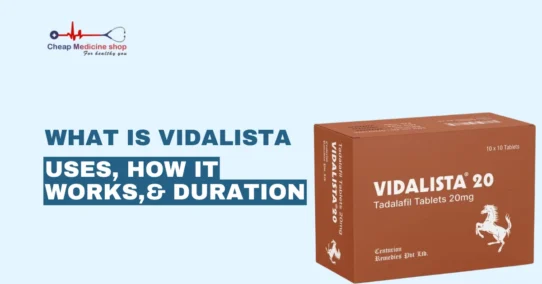
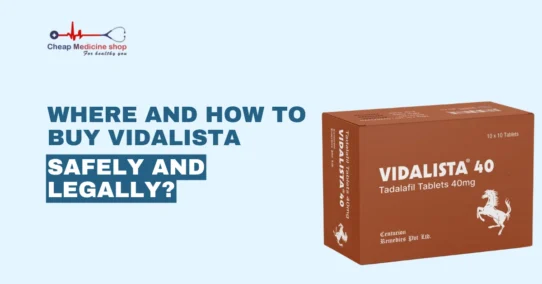
In contrast, Vidalista, manufactured by Centurion Laboratories, is a generic version of Cialis with the same active ingredient. It comes in the shape of orange or peach-colored, almond-shaped tablets. The latest in its series is the highly potent Vidalista Black 80 mg, which are black oval pills.
Thus, both ED pills are visually distinct but therapeutically identical when used as prescribed. The choice is now between a regulated decades-old brand and an affordable generic.
Approval status
Cialis received approval from the U.S. Food and Drug Administration in 2003 and European Medicines Agency (EMA) authorization on November 12, 2002, for the treatment of Erectile Dysfunction in men. It later gained approvals for Benign Prostatic Hyperplasia (BPH) as well.
After Eli Lilly’s patent expired in 2018, other companies were permitted to produce generic Tadalafil, leading to FDA-approved generics. Thus, Good Manufacturing Practices-compliant Centurion Laboratories, too, began manufacturing Vidalista, their generic version of Cialis.
You can either opt for Cialis, backed by documented trials, or an equally effective Vidalista after discussing with your healthcare provider.
Strengths and dosing schedule
The prescribed strength and dosing schedule of both brand and generic variants of Tadalafil will vary according to the condition being treated, its severity, and your existing medications.
Vidalista series offers a broader range, from 2.5 mg and 5 mg low doses (ideal for PAH/BPH) to Vidalista 20 mg, 40 mg moderate doses for ED. Moreover, Vidalista Black 80 mg is the maximum dose available for severe or treatment-resistant cases of impotence.
Cialis, on the other hand, is available only in 2.5 mg, 5 mg, 10 mg, and 20 mg strengths. So it does not allow as much flexibility as Vidalista in personalizing your treatment plan.
Cost comparison: Vidalista vs Cialis
When it comes to pricing, Cialis is priced higher, ranging from $12 to $80 per tablet, depending on its strength. This is primarily due to brand recognition and regulatory costs.
At the same time, Vidalista is significantly cheaper, costing approximately $0.50 for lower doses to $1.5 per tablet for the highest dose. This is up to 80% less than the branded Tadalafil without insurance.
Thus, for long-term therapy, many users prefer Vidalista due to its affordability and comparable efficacy.
ED medication effectiveness: Cialis vs Vidalista
Both Vidalista and Cialis are considered equally effective treatments for Erectile Dysfunction, as any Tadalafil-based clinical data applies to both branded Cialis and its generics. Clinical trials show that patients taking 10 mg or 20 mg doses of Tadalafil had successful sexual intercourse about 64% and 71% of the time, respectively.
However, for a severe case of ED, you will need high-strength Vidalista 60 or 80 mg instead of low-dose Cialis. Moreover, high-dose Tadalafil has proven to be more effective in men with Diabetes.
Side effects and risk factors
Both Vidalista and Cialis share the same active ingredient, Tadalafil, which means they generally have the same side effects and potential for drug interactions.
The most common side effects include headache, facial flushing, nasal congestion, dizziness, indigestion, and back pain. These are usually mild and temporary, but can worsen if higher doses are taken or if combined with alcohol, grapefruit juice or certain medications. Allergic reactions, sudden vision or hearing changes and prolonged painful erections are rare but possible.
Tadalafil is generally well-tolerated, especially at low doses, whereas higher strengths may not be suitable for some. Special caution is needed for older adults (especially over 65), those with serious heart conditions, uncontrolled blood pressure, severe liver or kidney impairment, and anyone taking medications like nitrates, alpha-blockers, certain antifungals, or HIV protease inhibitors. This is due to the risk of adverse effects like a sudden drop in blood pressure or fainting.
Even though Vidalista and Cialis have similar safety profiles, individual responses may vary based on your overall health, current medications, and underlying conditions. So, review Cialis or Vidalista precautions carefully with your healthcare provider before starting or switching therapy.
Conclusion
Both Vidalista and Cialis contain Tadalafil and deliver equally effective results in treating Erectile Dysfunction and conditions requiring blood vessel relaxation. The key difference between the two lies in their price, manufacturer, and brand recognition, which can impact your final decision.
Vidalista offers cost-effective flexibility across a wide range of strengths, but high doses must be taken cautiously. In comparison, Cialis provides a long-established brand trust with global regulatory approvals at a higher cost. Thus, Vidalista vs Cialis choice depends on your overall health, the severity of your condition, and your budget.
Since both help restore intimacy and confidence when used responsibly, consult your healthcare provider to ascertain the best-suited therapy for you.

Frequently Asked Questions
Can I switch from Cialis to Vidalista?
Yes, you can switch from Cialis to Vidalista or vice versa, but only under a doctor’s guidance. Even though both share the same salt, their dose strengths and inactive ingredients differ, so switching from one ED pill to the other requires medical supervision.
Can I take Vidalista with Cialis?
No, you should not take Vidalista with Cialis, as both PDE5 inhibitors increase the risk of low blood pressure and side effects. Use only one at a time and as prescribed by your healthcare provider.
Are Vidalista and Cialis safe for everyone?
No, while Vidalista and Cialis are clinically proven to be safe for most men, they are certainly not intended for women or children. Moreover, they may not be suitable for males with heart disease, very Low Blood Pressure, recent Stroke or heart attack or severe liver or kidney issues.
Where can I buy branded or generic Cialis online?
You can purchase both branded Cialis and its generic alternatives safely from Cheap Medicine Shop, a trusted online pharmacy specializing in genuine medicines. We source high-quality generics from GMP-certified manufacturers and offer them at affordable prices, with discreet packaging and global delivery.
Cheap Medicine Shop only refers to credible, authoritative sources for our content. If you're curious about how we ensure the integrity of our content, we encourage you to read our Content Information Policy.