



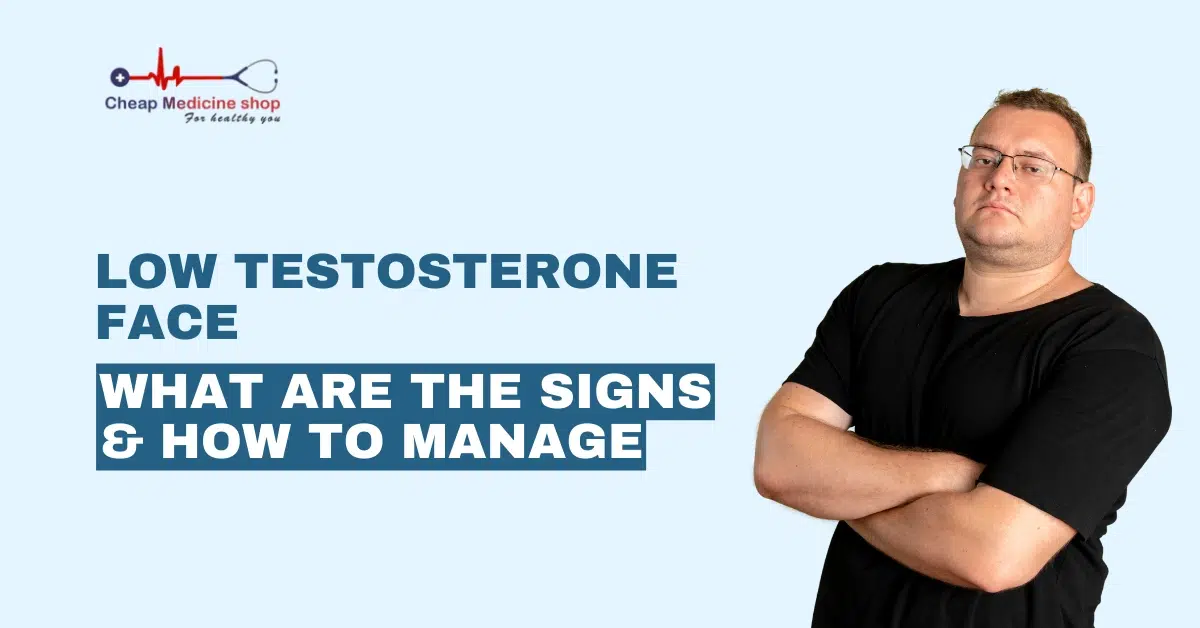

Many people notice their face looking softer or less defined and wonder what’s behind the change. Sometimes the answer is hormonal, and this is where the idea of a low testosterone face comes in.
It is a term used to describe facial changes that appear when testosterone (T) levels drop. These hormonal shifts can lead to a weaker jawline, reduced facial hair, or even skin that appears duller or more tired than usual.
While these signs can be subtle, they often prompt questions about what’s happening inside the body. This is why understanding Low Testosterone matters, not just for appearance, but for your overall well-being.
In this article, you will get a breakdown of what a low testosterone male face really means, who it tends to affect, how it compares to signs of High Testosterone, and the medical and lifestyle factors that influence these changes. You’ll also find practical ways to manage and improve these symptoms, from simple home steps to supplements and treatment options.
Signs of low testosterone face
When testosterone levels drop, a condition known as Hypogonadism, you will notice gradual changes to your facial features. Over time, it can influence hair growth, skin quality, and even facial structure. Some common signs are:
- Reduced facial hair growth: Low Testosterone slows beard growth or makes facial and body hair appear patchy and limited. This is most noticeable in men who previously had fuller or faster-growing facial hair.
- Thinner, drier, or dull skin: Since testosterone supports collagen and natural oil production, low T levels can lead to skin that looks drier, less firm, or more fragile.
- More pronounced wrinkles or sagging: Reduced collagen can weaken the skin’s structure, making fine lines and sagging more visible, especially around the eyes and jawline.
- Altered skin tone: You can develop changes in skin pigmentation, like Melasma, which appears as brown or gray-brown patches.
- Changes in facial structure: Chronic Low Testosterone can contribute to mild facial structure change, like bone density loss, which can cause deeper under-eye hollows, more visible dark circles, or a less defined jawline.
- Fat accumulation in the face: Testosterone helps regulate fat storage, and when levels drop, the body may redistribute fat differently, sometimes making the face appear rounder or softer.
- Facial bloating or puffiness: Due to changes in fluid balance and decreased muscle tone, low testosterone can subtly alter the face shape, especially around the cheeks and under the eyes.
Save up to 90% on your medicine bills

Cernos Gel 1%w/w
Starting at just $3.03 per sachetBuy Now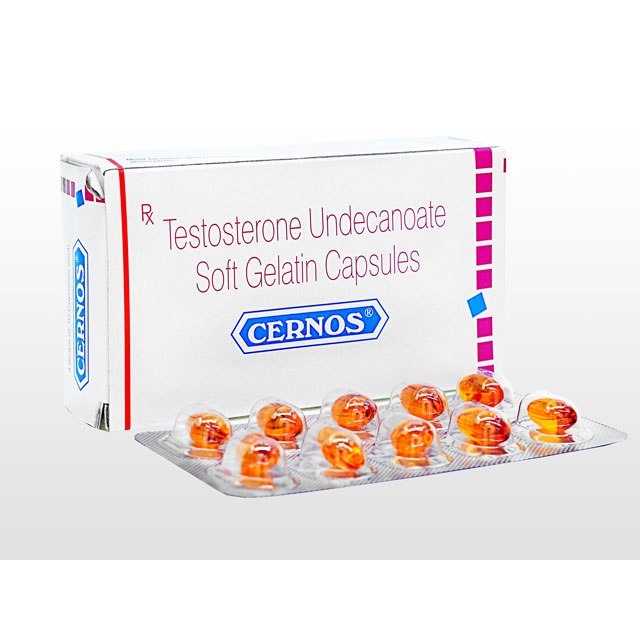
Cernos 40 Mg Soft Gelatin Capsule
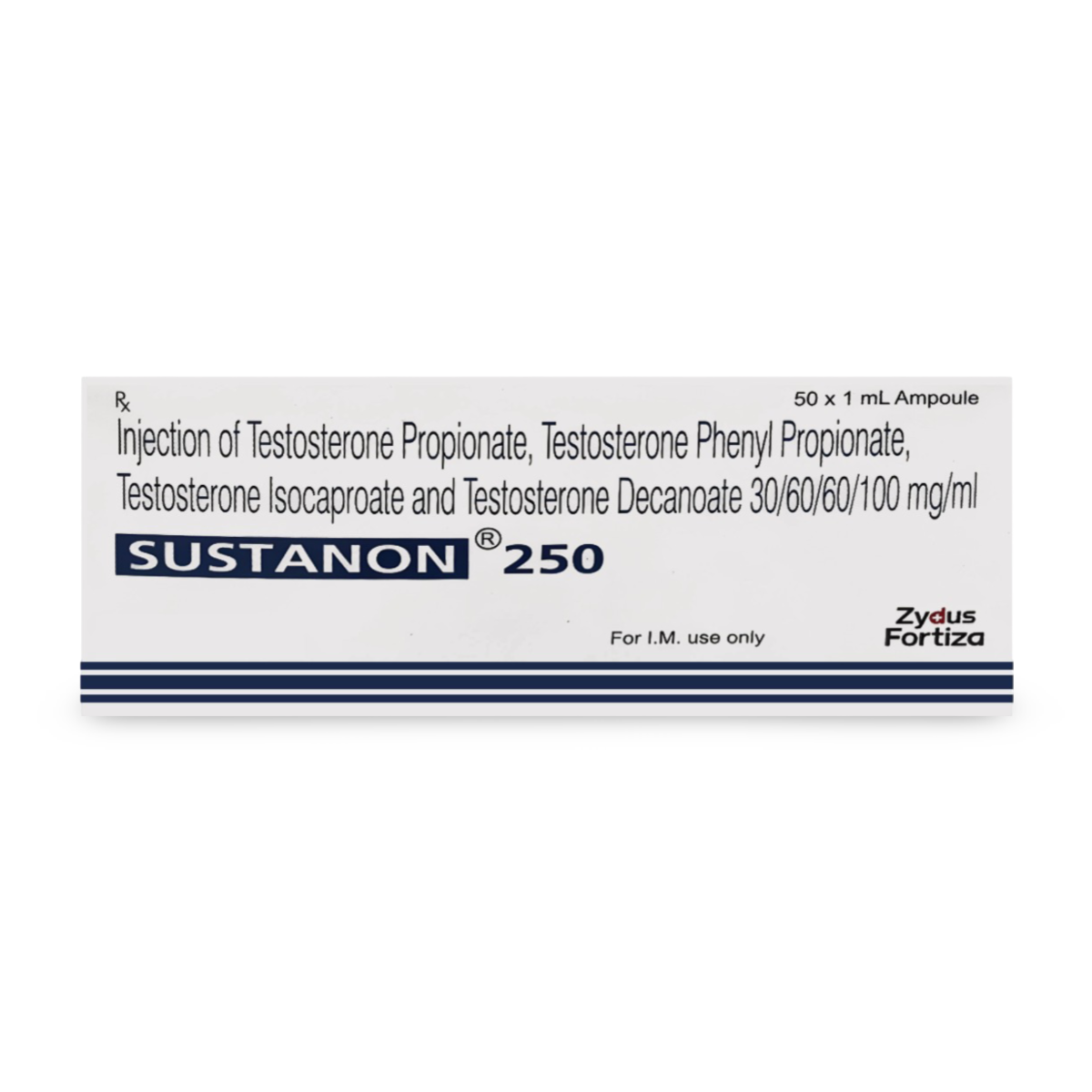
Sustanon 250 Injection
Starting at just $12.84 per injectionBuy Now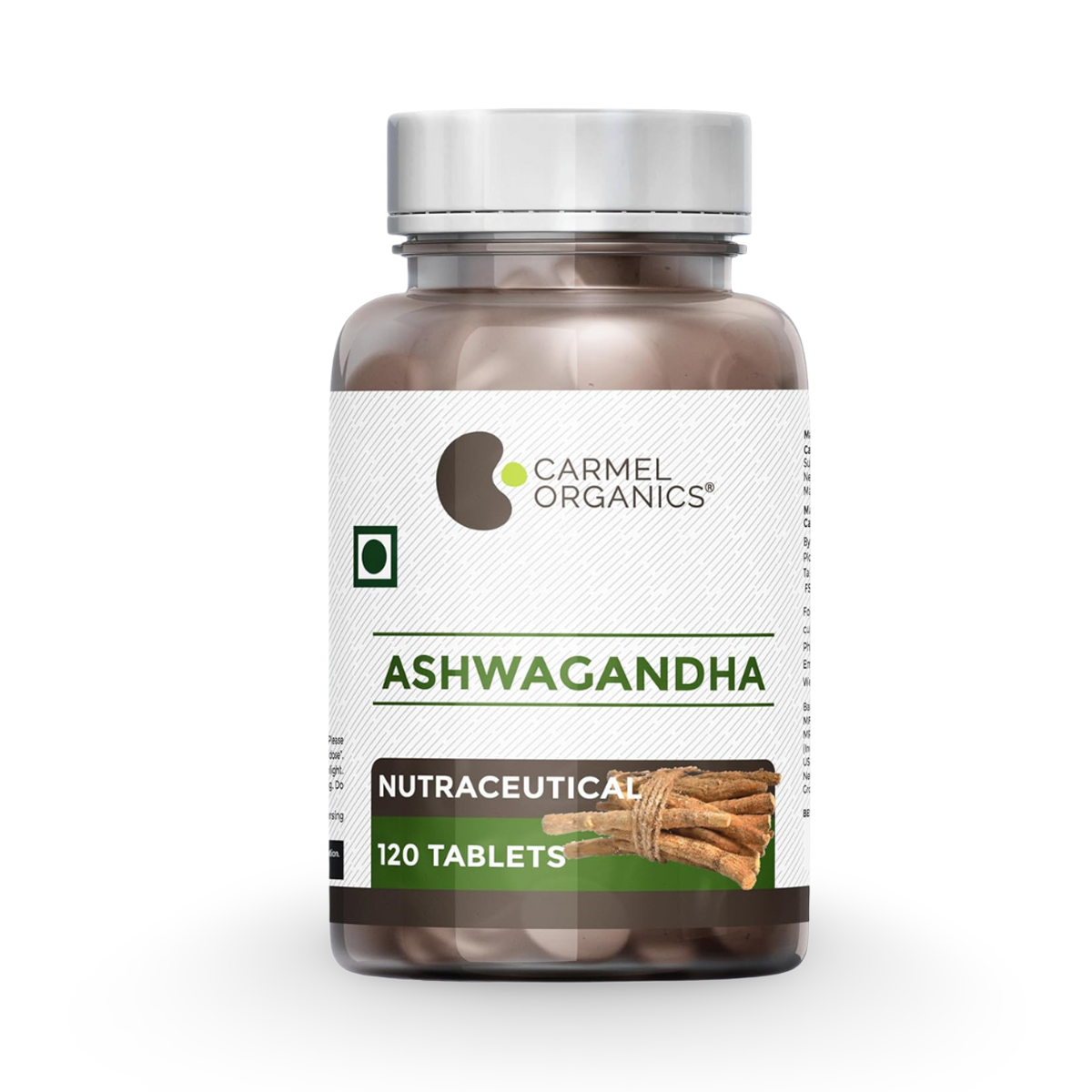
Carmel Organics Ashwagandha Extract Tablets
High vs low testosterone face
High and low testosterone levels can significantly influence facial features and skin characteristics in men. Here’s a comparison outlining of low vs high testosterone face, with the key differences:
| Features | High testosterone face | Low testosterone face |
| Jawline and cheekbone | Stronger, more angular facial structure due to increased bone growth and muscle mass. | Reduced definition and a rounder appearance from lower bone and muscle mass. |
| Chin | A more extended lower face that creates a sharper, masculine profile. | A softer, shorter chin that reduces overall facial sharpness. |
| Facial hair | Dense, faster-growing beard covering a larger area of the face. | Slow-growing, uneven beard or mustache due to reduced follicle stimulation. |
| Skin | Increased collagen and oil production create firmer, less wrinkle-prone skin. | Less oil and collagen lead to dryness, fine lines, and a more fragile skin texture. |
| Facial traits | Broader forehead, stronger brow ridge, larger jaw, and leaner fat distribution. | Softer overall features with rounder cheeks, smaller jaw, and fuller facial fat distribution. |
Who is at risk for low testosterone face
Low Testosterone can occur in many different groups, but some specific individuals are more likely to experience hormone-related changes on the face. Those at higher risk include:
- People with chronic conditions: Chronic conditions like Type 2 Diabetes, kidney disease, Liver Cirrhosis, and HIV/AIDS often lead to hormone imbalances linked to low testosterone levels.
- Older adults: Testosterone levels naturally start to decline with age (typically around 30-35), making older men the most commonly affected group.
- People with Obesity: Excess body fat due to Obesity can disrupt hormone balance and lower testosterone production.
It is important to monitor both facial changes and overall health, as it can provide early signs of changing hormone levels.
What causes low testosterone?
Low testosterone can result from a combination of medical conditions, medications, and lifestyle-related factors that disrupt normal hormone production. These factors influence the production, regulation, and utilization of testosterone in the body.
Health conditions
Several health conditions can interfere with hormone production, leading to low testosterone production in the body. Here are the medical issues contributing to Low Testosterone:
- Testicular damage or dysfunction.
- Issues with the pituitary gland, such as pituitary tumors or traumatic brain injury.
- Disorders such as autoimmune diseases and Thyroid Dysfunction.
- When your body has an elevated level of inflammation and poor metabolism.
Medications
Several medications can reduce testosterone levels as they can affect hormone regulation and production. This is usually a side effect of treating other health conditions. These can include:
- Opioids for pain management
- Glucocorticoids for inflammation/autoimmune diseases
- Chemotherapy agents
- GnRH agonists/antagonists for Prostate Cancer
- Anti-androgens for acne, hair loss, prostate issues
- Selective Serotonin Reuptake Inhibitors (SSRIs) for Depression or Anxiety
- Cimetidine for acid reflux
Lifestyle factors
Look out for lifestyle factors that contribute to low testosterone. Here’s how everyday factors influence hormone balance:
- Chronic stress: Elevated cortisol (stress hormone) can suppress testosterone production.
- Poor nutrition: Inadequate intake of nutrients like zinc, vitamin D, and healthy fats can affect testosterone production, as they are essential for normal hormone synthesis.
- Sleep deprivation: Testosterone is produced during deep sleep, so poor sleep lowers testosterone levels.
- Excess alcohol use: Alcohol impairs hormone metabolism and testicular function.
- Physical inactivity: Inactive routines can lead to increased body fat and disrupted hormone levels.
How to treat low testosterone?
Changes in facial appearance linked to low testosterone face shape can improve when the underlying hormone imbalance is addressed. Low testosterone treatment options range from supportive lifestyle habits to medical therapies, depending on the severity of symptoms and overall health.
Medical treatment options
If facial changes become significant and accompanied by low mood, fatigue, or a decreased libido due to low testosterone, you should consult a healthcare professional. Medical evaluation is essential for accurately diagnosing Low Testosterone. Depending on your diagnosis, a doctor may prescribe:
- Clomiphene Citrate: Clomiphene is an oral, non-steroidal fertility medication that stimulates natural testosterone production and is often preferred when fertility preservation is essential.
- Testosterone Replacement Therapy (TRT): It is a treatment to raise testosterone levels that is available as gels, injections, patches, or pellets to restore testosterone levels.
- hCG (human Chorionic Gonadotropin): Another fertility treatment therapy that helps support testicular function and testosterone production.
- Aromatase inhibitors: This group of medications is used selectively to reduce excess estrogen and improve testosterone balance.
Supplements
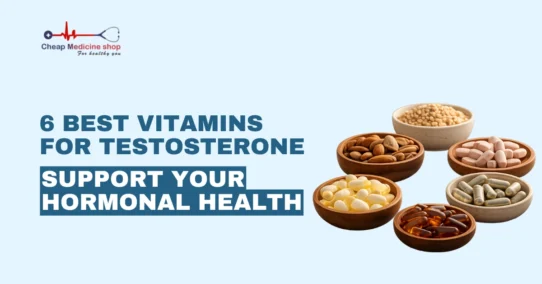
Supporting healthy testosterone levels often involves addressing nutritional deficiencies. To resolve this issue, taking multivitamins or over-the-counter (OTC) supplements can help regulate testosterone more effectively, especially when they are combined with exercise and stress control. Here are some supplements commonly linked to healthy testosterone support:
- Zinc: Essential for testosterone production; deficiency is strongly linked to low levels, especially in physically active men.
- Vitamin D: Acts like a hormone in the body and is associated with higher testosterone when levels are adequate.
- Magnesium: Helps release active testosterone in the bloodstream and supports muscle recovery and sleep quality.
- Ashwagandha: A herb shown to support testosterone by reducing the stress hormone (cortisol) levels.
- Shilajit: Shilajit can increase testosterone levels by boosting Dehydroepiandrosterone (DHEAS), the hormone that is converted into testosterone in the body.
Supportive lifestyle habits
Lifestyle adjustments support skin health, facial structure, and overall hormone balance. These adjustments help the body function at its best, which can positively influence the symptoms of Low Testosterone. Helpful strategies include:
- Omega-3 fatty acids-rich diet
- Regular physical activity
- Prioritise 7-9 hours of sleep
- Managing stress
- Reducing smoking and alcohol
Conclusion
A low testosterone face often shows up through gradual changes like a softer jawline, slower beard growth, dull skin, or deeper under-eye hollows. These signs are not cosmetic issues, but rather physical clues that testosterone levels may be dropping within the body.
The contrast between high and low testosterone in facial features explains why definition, facial hair density, and skin firmness gradually fade as hormone levels decline. Men at higher risk, such as older adults, people with Obesity, Diabetes, or chronic illness, are more likely to notice these changes alongside fatigue or reduced vitality.
The underlying causes of low T face can range from health conditions like autoimmune diseases and medications like opioids to lifestyle factors like poor sleep, stress, and nutrition deficiencies.
Treatment options include medical care like Testosterone Replacement Therapy (TRT), fertility-preserving medications like Clomiphene Citrate. All of these work best when they are paired with supportive lifestyle habits like exercise, proper sleep, and stress control. OTC supplements like vitamin D, ashwagandha, and shilajit further support hormone balance when used appropriately, helping to improve both facial features and your overall health.

Frequently Asked Questions
Are the facial changes from Low Testosterone reversible?
Yes, some changes in facial shape, such as muscle loss or mild puffiness, can improve with proper treatment, lifestyle adjustments, and medical therapy. However, results depend on age, genetics, and how long you have had Low Testosterone levels; early intervention offers better outcomes.
Can a man live with very low testosterone?
Yes, millions of men live with very low testosterone, often without realizing it. However, when low testosterone is left untreated, it can gradually lead to health problems such as Osteoporosis, reduced red blood cell production, Fatigue, and loss of muscle mass. Early evaluation helps prevent these long-term effects.
Can low testosterone cause death?
No, low testosterone does not directly cause death. However, low testosterone levels are associated with increased overall mortality. This link reflects higher risks from cardiovascular disease, metabolic disorders, and frailty, not low testosterone itself being immediately fatal.
What is the new treatment for low testosterone?
New treatments for low testosterone include Kyzatrex and Tlando, FDA-approved oral Testosterone Undecanoate capsules taken with food, which stimulate natural testosterone production while preserving fertility.
What is the fastest way to regain testosterone?
TRT injections like Cypionate significantly elevate serum levels, often 200–500% within 24-48 hours, peaking at 48-72 hours post-injection. Combining aerobics and resistance training provides a 15–30% natural increase post-session, sustained over 1-2 weeks.
Cheap Medicine Shop only refers to credible, authoritative sources for our content. If you're curious about how we ensure the integrity of our content, we encourage you to read our Content Information Policy.