



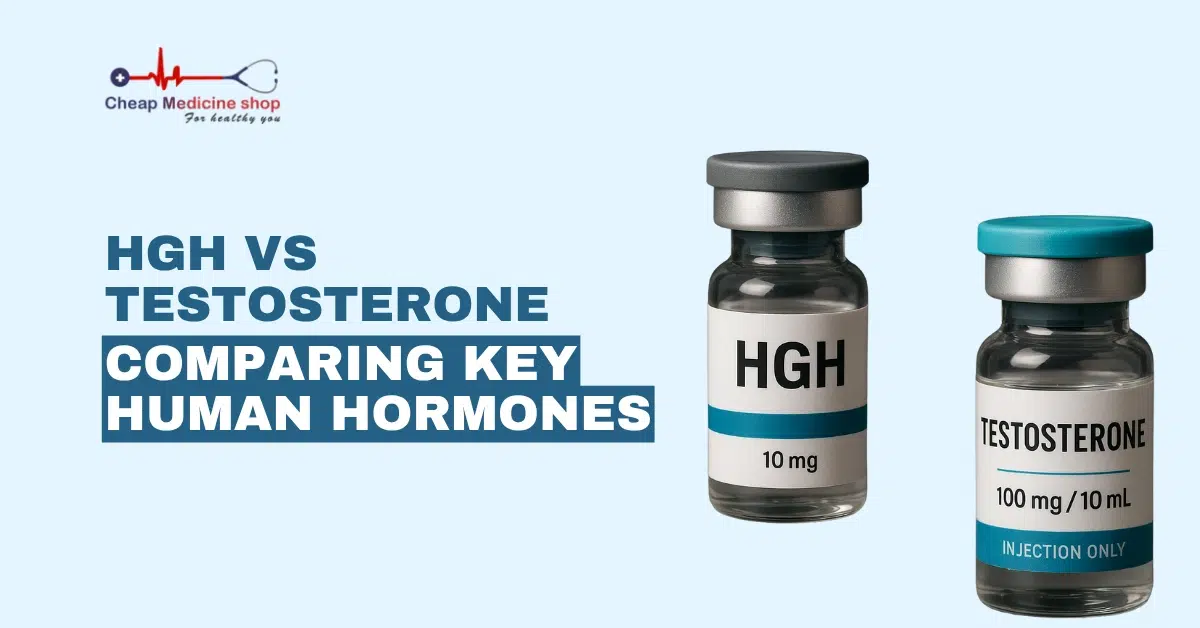

Human Growth Hormone (HGH) and testosterone are two major hormones that impact metabolism, growth, and overall well-being. While levels of both hormones fall with age, they play very different roles in the body.
HGH is primarily responsible for regulating growth, metabolism, and tissue repair. On the other hand, testosterone manages sexual development and energy levels. In modern medicine, these hormones are used for hormonal therapies to address specific health issues.
Knowing their functions, uses, and side effects can help people make informed decisions about the supplements or therapies they use. In this article, we will compare these essential hormones across key parameters, including their administration methods and sources of production, to help you have a better understanding.
HGH vs testosterone: Key differences
HGH and testosterone differ across numerous key aspects, including their core functions and uses. The following table highlights the key differences between them:
| Feature | Human Growth Hormone (HGH) | Testosterone |
| Primary function | Promotes metabolism, growth, and cell regeneration Affects the body by improving tissue repair and fat metabolism processes | Responsible for libido, muscle mass, and sexual development in men Affects the body by boosting muscle strength, sex drive, mood, and bone density |
| Source | Produced by the pituitary gland | Produced mainly in testicles (males) and ovaries (females) |
| Impact of aging | Levels drop with age, impacting metabolism and tissue repairment | Levels decrease with age, reducing libido and muscle mass |
| Therapy | Used for anti-aging and treating HGH deficiency | Treats the Low Testosterone (Low T) condition and associated symptoms |
| Administration | Administered via injections | Administered via patches, injections, or gels |
| Side effects | Insulin resistance, joint ache, and swelling | Elevated Red Blood Cell (RBC) levels, acne, and mood swings |
Save up to 90% on your medicine bills

Cernos Gel 1%w/w
Starting at just $3.03 per sachetBuy Now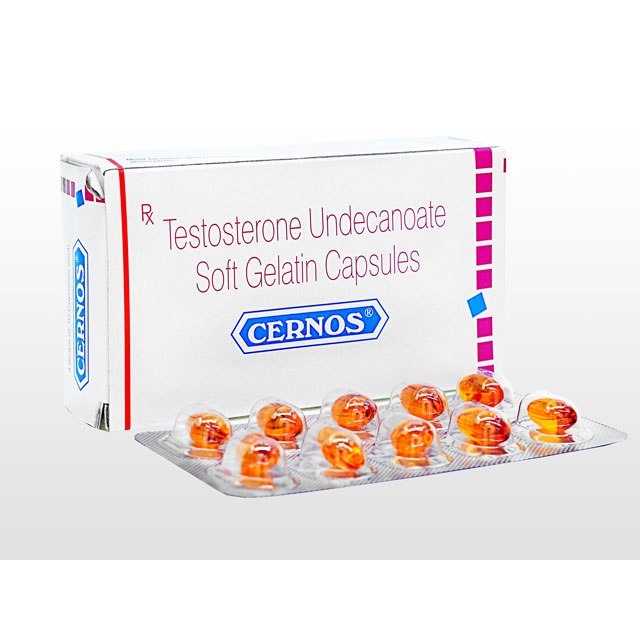
Cernos 40 Mg Soft Gelatin Capsule
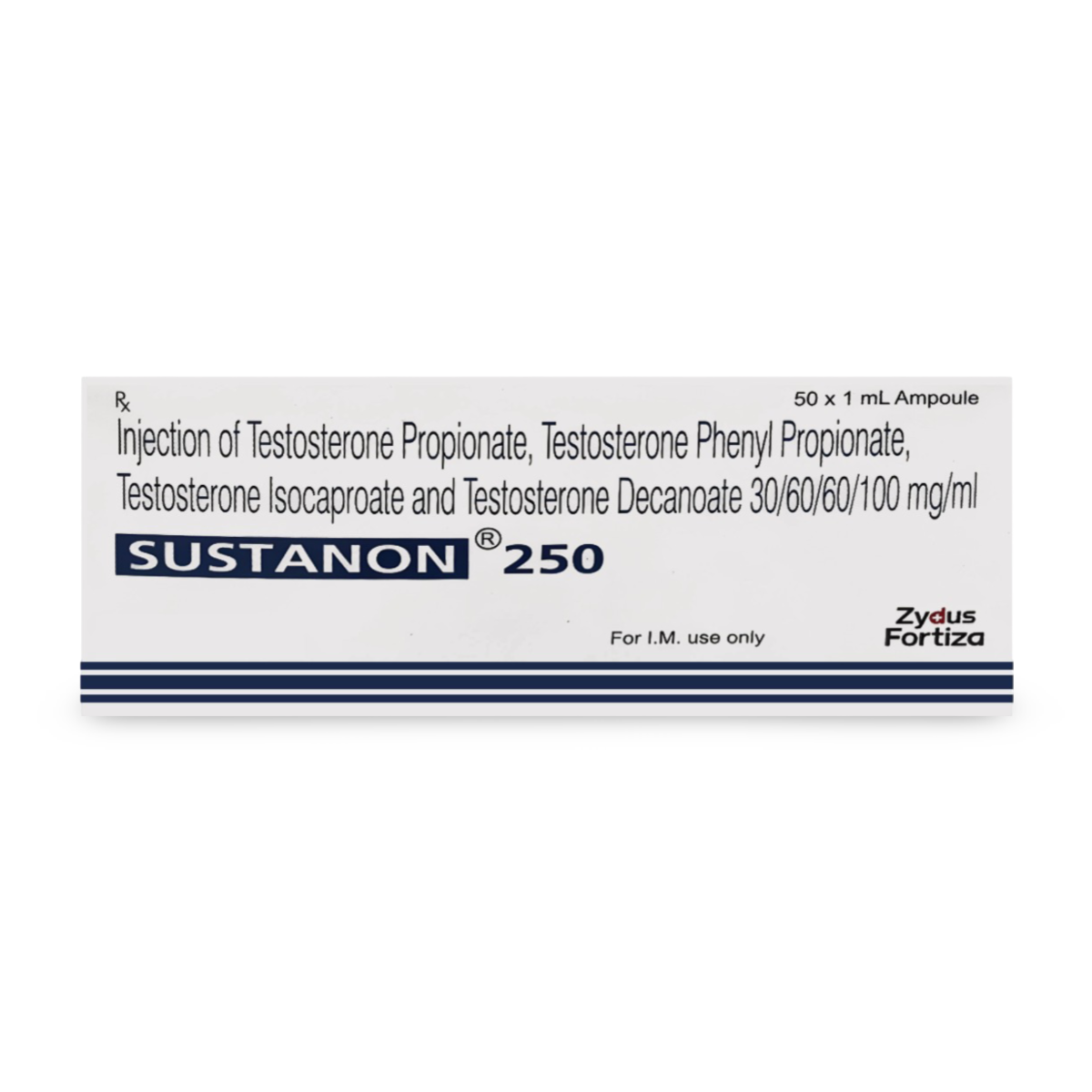
Sustanon 250 Injection
Starting at just $12.84 per injectionBuy Now
Carmel Organics Ashwagandha Extract Tablets
Key functions of HGH and testosterone
HGH is essential for triggering overall growth and cell regeneration. It also enables the maintenance of physiological functions, such as bone and tissue repair, immune system support, and cardiovascular function. HGH regulates the metabolism of carbohydrate, protein, and fat. Growth Hormone Deficiency can lead to reduced muscle mass and slow wound healing.
On the other hand, Testosterone is the primary male sex hormone responsible for developing male sexual characteristics, including increased muscle mass, a deep voice, and facial hair. It further maintains bone density, muscle strength, and libido. It can influence cognitive function and impact mood.
Other crucial functions of growth hormone are:
- Increase in skin elasticity
- Aids in recovery from injuries
- Supports the maintenance of lean muscle
A few other testosterone functions, which are milder in women due to lower hormone levels, include:
- Promote protein synthesis in the muscles, resulting in an increased muscle mass and enhanced strength
- Enhance RBC production, leading to improved endurance and circulation.
Production of testosterone and HGH
Natural secretion of HGH is carried out by the pituitary gland, which is located at the base of the brain. It is typically produced during sleep in a pulse form. Levels of this hormone keep fluctuating throughout your life, following a 24-hour rhythm cycle.
Whereas testosterone is produced in the testicles in men and in minor amounts in the ovaries and adrenal glands in women. Brain signals, primarily from the pituitary gland and hypothalamus (a small structure in the brain responsible for maintaining body temperature), regulate its production.
While testosterone also follows a 24-hour rhythm cycle, its peak occurs in the morning and declines in the evening, unlike growth hormone, which has its largest spike during nighttime sleep.
Impact of aging on HGH vs testosterone levels
Both hormones decline naturally with age, but they have different impacts. HGH levels begin to decrease after approximately age 30. This leads to slower metabolism, reduced tissue repair, loss of skin elasticity, and an increase in fat.
In contrast, low testosterone levels can result in a low libido, reduced bone density, and decreased muscle mass and strength. This decline also impacts energy, mood, and overall sexual health. An age-linked decrease in hormones significantly contributes to the physical changes typically seen in older adults.
Therapy and administration methods of testosterone and HGH
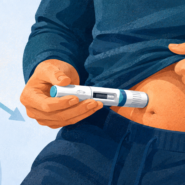
HGH therapy is typically used to treat the deficiency of growth hormone in adults and children. Sometimes, it’s also used off-label for anti-aging applications. The treatment is administered through subcutaneous injections, with shots given regularly just beneath the skin. This is done using devices like autoinjectors, syringes, and injection pens.
Conversely, Testosterone Replacement Therapy (TRT) is used for treating the Low T condition in men. It targets to control symptoms like muscle loss, fatigue, and low libido. TRT is administered in several forms, including Testosterone gel, patches and intramuscular injections. Such forms make their administration much easier.
The administration method for both hormones depends on medical advice and individual preference. Dosage varies with the treated condition and delivery method, while treatment duration is typically long-term (6 months to several years).
Also Read: To learn more about which form of testosterone is better, read Testosterone Gel vs Injection: Which One is Right for You?
Side effects of testosterone vs HGH
Since both hormones are responsible for different functions, the range of side effects also differs. A deficiency of growth hormone can lead to hair thinning, increased body fat, and a low mood. Effects observed due to natural overproduction or overuse of the synthetic form of HGH include:
- Type 2 Diabetes
- Headaches
- Joint and muscle aches
- Carpal Tunnel Syndrome (pain and numbness in fingers and the hand)
- Swelling in the limbs linked to fluid retention
- High cholesterol
- Numbness
- Fatigue
In contrast, Low T levels can trigger muscle loss and fatigue in males and females, and Erectile Dysfunction in men. Effects of testosterone resulting from high levels or misuse of therapy are:
- Oily skin
- Acne
- Mood swings
- Fluctuation in libido
- Shrinking of testicles (men only)
- Excessive facial hair (women only)
When are growth hormone vs testosterone therapies suggested?
These therapies are recommended on the basis of individual health status and treatment goals. It is also crucial to understand hormone levels in the body before initiating the treatment.
HGH therapy will be helpful in the case of:
- Diagnosis of growth hormone deficiency.
- Chronic fatigue or slow recovery associated with low HGH.
- Seeking benefits like fat metabolism, anti-aging, and tissue repair.
TRT is suitable if:
- Suffering from clinically Low Testosterone levels.
- Seeking a direct increase in sexual function, muscle mass, and strength.
- Experiencing fatigue, mood issues, and low libido.
Conclusion
Testosterone and HGH are vital hormones with distinct roles in the body. HGH supports metabolism, growth, and tissue repair, while testosterone is crucial for mood, muscle strength and the development of male sexual characteristics.
When comparing HGH vs testosterone, each offers different benefits in hormonal therapy. Testosterone benefits by increasing libido and muscle mass, whereas HGH enables anti-aging and recovery effects. Moreover, both have distinct unwanted effects due to their varying functions. Testosterone can trigger libido changes and acne, while HGH can result in fluid retention and headaches.
Consulting a doctor will control unwanted effects and minimize risks. Ultimately, both hormones are essential for overall well-being. Understanding their importance and functions can guide the proper treatment in case of excess or deficiency.

Frequently Asked Questions
Can I take HGH and testosterone together?
Yes, you can take HGH and testosterone together under medical guidance. This combination is sometimes used to enhance physical function, increase muscle mass, and improve overall strength. Several studies report that this combination is generally well-tolerated and safe when used under proper professional guidance.
Does HGH increase testicle size?
Yes, several clinical studies indicate that HGH can increase testicle size only in young males with growth hormone deficiency. This effect is associated with growth hormone’s role in triggering Insulin-like Growth Factor 1 (IGF-1), which enables the development of sexual organs.
What happens if testosterone is low?
Low Testosterone can result in decreased sexual drive and affect erectile function. Men with this condition can also experience reduced energy levels, fatigue, and a significant fall in strength and muscle mass. It can further lead to mood changes and an increase in body fat.
Which foods increase testosterone?
Food that increases testosterone includes protein-rich foods such as eggs, chicken, and nuts. Garlic and onions are other natural testosterone boosters. Additionally, oysters, fatty fish, and shellfish are important sources of nutrients that support testosterone production.
Cheap Medicine Shop only refers to credible, authoritative sources for our content. If you're curious about how we ensure the integrity of our content, we encourage you to read our Content Information Policy.