




Low Testosterone or Hypogonadism is common in nearly 2% of men or Assigned Males at Birth (AMAB).
To tackle this issue, many turn to Testosterone Replacement Therapy (TRT), with injections being a common delivery method of this treatment.
However, if not administered properly, these injections can lead to irritation, pain, or even infection.
In this article, we address the question, What Happens If Testosterone Is Not Injected Into The Muscle? and the alternative delivery methods available.
Application of Testosterone Injections
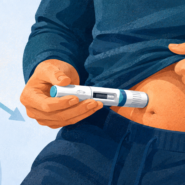
Testosterone injections are directly applied to the muscles i.e. intramuscularly, making them an effective option to treat low Testosterone.
This method ensures that the hormone is released slowly and steadily into the bloodstream and works more effectively than Testosterone gels.
Several factors contribute to the importance of this delivery method:
Absorption Rate: Muscles have a rich blood supply, facilitating rapid medicine absorption.
Sustained Release: Intramuscular injection provides a prolonged therapeutic effect compared to other administration routes.
Avoiding Tissue Damage: Injecting testosterone into other tissues, such as subcutaneous fat, can lead to irritation and potential complications.
Save up to 90% on your medicine bills

Cernos Gel 1%w/w
Starting at just $3.03 per sachetBuy Now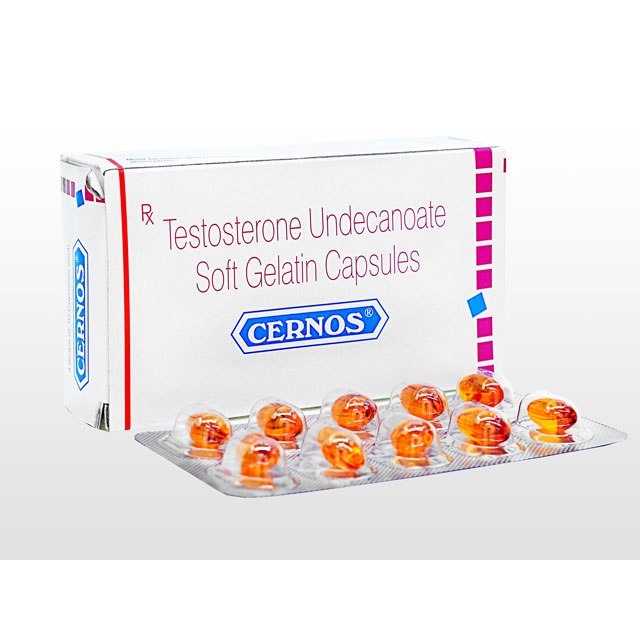
Cernos 40 Mg Soft Gelatin Capsule
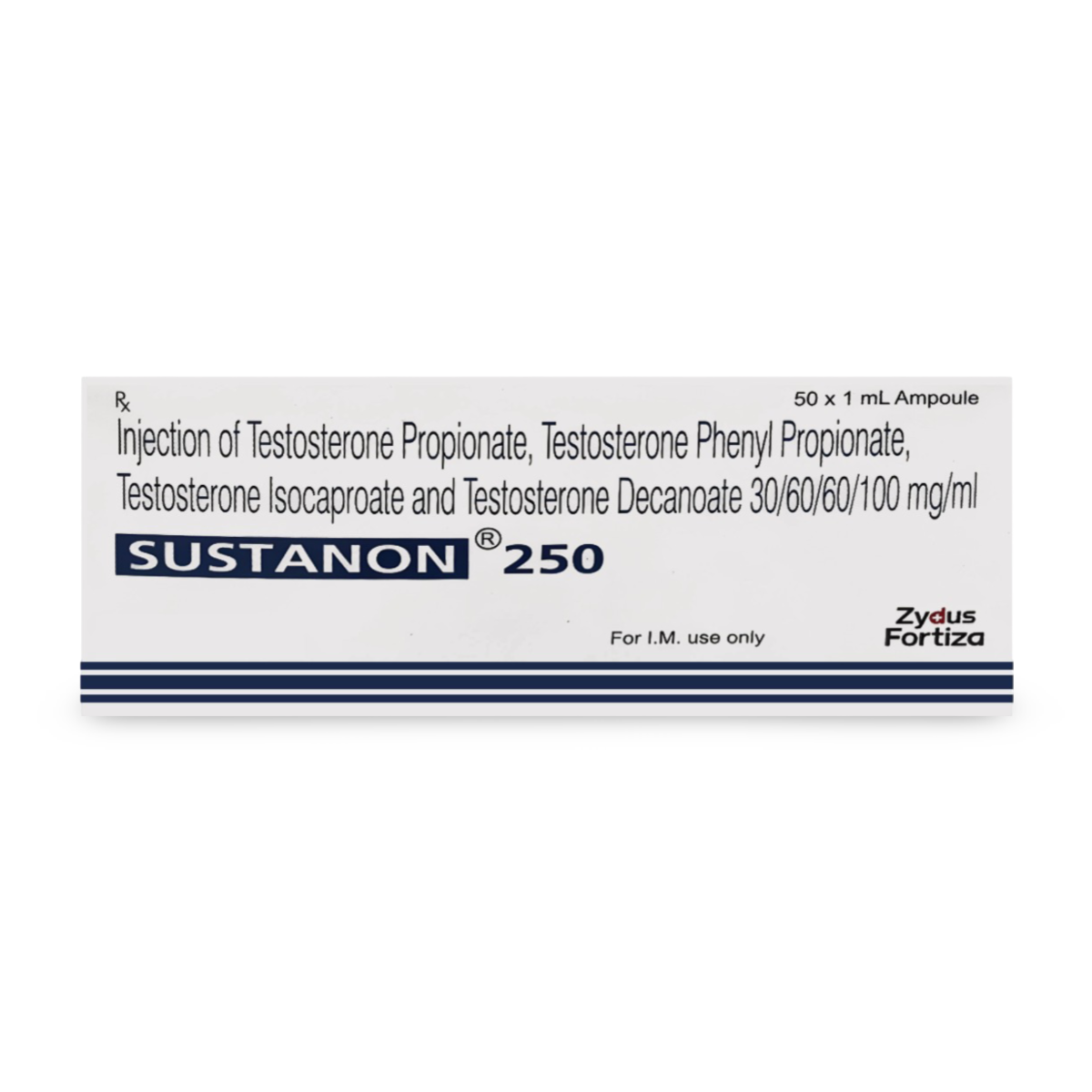
Sustanon 250 Injection
Starting at just $12.84 per injectionBuy Now
Carmel Organics Ashwagandha Extract Tablets
What happens if Testosterone is not injected into the muscle?
If testosterone is not injected into the muscle, several issues like reduced efficacy, improper absorption, pain, irritation, or infection may arise.
Let us discuss them in detail.
- Reduced Efficacy: Subcutaneous (injecting into the fatty tissue) or intravenous (directly into a vein) injection might result in faster absorption and shorter duration of action, leading to fluctuating hormone levels and decreased benefits.
- Inefficient Absorption: Testosterone may not be absorbed effectively if injected into the wrong tissue, reducing its overall impact and causing Testosterone absorption problems.
- Pain and Irritation: Incorrect injection technique can cause pain, itching, redness, and swelling at the injection site.
- Infection Risk: Improper handling of the injection equipment or contamination of the injection site increases the risk of infection.
Alternative Testosterone Delivery Methods
While intramuscular injection is the most common method, there are other alternatives available:
Testosterone Patches: These patches are applied to the skin and release the hormone gradually. They offer a convenient alternative to injections but may be less effective for some individuals.
Testosterone Gels: Applied to the skin, Testosterone gels provide a steady release of Testosterone. They are generally well-tolerated but can be messy and may transfer to others.
Testosterone Implants: Small pellets are inserted under the skin and release the hormone slowly over several months. Implants require surgical placement and may not be suitable for everyone.
Oral Testosterone: While available, oral Testosterone is less effective due to liver metabolism, which reduces its bioavailability.
Testosterone gels offer a convenient option with potential benefits like easier application and consistent hormone delivery.
Determining Which is More Effective in Increasing Testosterone depends upon factors like deficiency, side effects, and patient preferences.
Conclusion
Proper administration of testosterone injections is crucial for optimal therapy. Injecting testosterone into the muscle ensures effective absorption and sustained hormone levels.
What happens if Testosterone is not injected into the muscles? The consequences of Incorrect Testosterone Injection administration include infection, reduced efficiency, pain, irritation, or improper efficiency.
Deviating from this method can lead to reduced efficacy, discomfort, and potential complications.
Some alternative delivery methods that are less complex include Testosterone gels, patches, and implants.

Frequently Asked Questions
What are the symptoms of ineffective Testosterone absorption due to incorrect injection?
Ineffective testosterone absorption due to incorrect injection can lead to persistent symptoms of low testosterone, such as fatigue, decreased libido, and mood swings. Additionally, pain, swelling, and redness at the injection site may occur. Explore Now
How often should I adjust my injection technique if I’m having issues with muscle injection?
If you’re experiencing issues with Testosterone and muscle absorption, consult your healthcare provider immediately. They can assess the situation, provide guidance on injection techniques, and recommend potential adjustments. Frequent changes to injection technique without medical advice can be risky and may hinder Testosterone absorption. Explore Now
Can I inject Testosterone myself?
No, self-injecting Testosterone is generally discouraged without proper medical guidance and training. Improper injection technique can lead to serious complications, including infection and tissue damage. Explore Now
What should I do if I miss a testosterone injection?
If you miss a testosterone injection, contact your doctor immediately. They will guide whether to reschedule the missed dose or adjust your treatment plan. Never double the dose to catch up, as this can lead to serious side effects. Explore Now
Can Testosterone replacement therapy increase the risk of Prostate Cancer?
No, it is a misconception that Testosterone Replacement Therapy (TRT) increases Prostate Cancer risk. However, recent studies suggest that TRT does not raise the risk of developing prostate cancer. Explore Now
Cheap Medicine Shop only refers to credible, authoritative sources for our content. If you're curious about how we ensure the integrity of our content, we encourage you to read our Content Information Policy.