



Understanding how to control eye pressure is crucial for maintaining good ocular health.
Increased Intraocular Pressure (IOP) can cause Glaucoma and other serious disorders that can cause irreversible visual loss.
This article explains eye pressure management and the role of eye drops as a crucial therapeutic alternative.
We’ll review ways to regulate IOP levels, explore the different types of eye drops for eye pressure, and choose between prescription and over-the-counter (OTC).
We’ll also go through possible side effects and safety measures so that you have all the information you need to protect your eye health.
Eye Pressure Management Strategies
Intraocular Pressure is commonly referred to as eye pressure, and is crucial for preserving ideal eye health.
Too high IOP levels can cause Glaucoma, a dangerous eye disease that, if left unchecked, can cause vision loss.
To understand the relationship between Glaucoma and blindness, read Does Glaucoma Cause Blindness? Unveiling the Facts.
It’s important to control eye pressure, and several methods can be used to support in maintaining healthy IOP levels.
Several strategies like lifestyle modifications, regular eye checkups, and healthy dieatry habits might prove beneficial.
Let’s discuss these strategies in detail below.
Lifestyle Modifications: Lifestyle changes can have a big impact on eye pressure.
Better eye health can result from controlling stress, eating healthfully, and abstaining from excessive coffee and alcohol use.
Dietary Considerations: Nutrients good for eye health are abundant in some diets.
Eating omega-3 fatty acids, leafy greens, and seafood may help reduce ocular pressure.
To learn about foods that lower eye pressure, read Foods to Reduce Eye Pressure: A Comprehensive Guide for Healthy Vision.
Regular Eye Exams: Regular eye exams are one of the primary strategies for controlling eye pressure.
These tests allow eye care specialists to assess your IOP and identify any potential problems at an early stage.
To learn more about different eye tests for eye pressure, read Decoding Eye Pressure Tests: A Visionary Insight.
Save up to 90% on your medicine bills
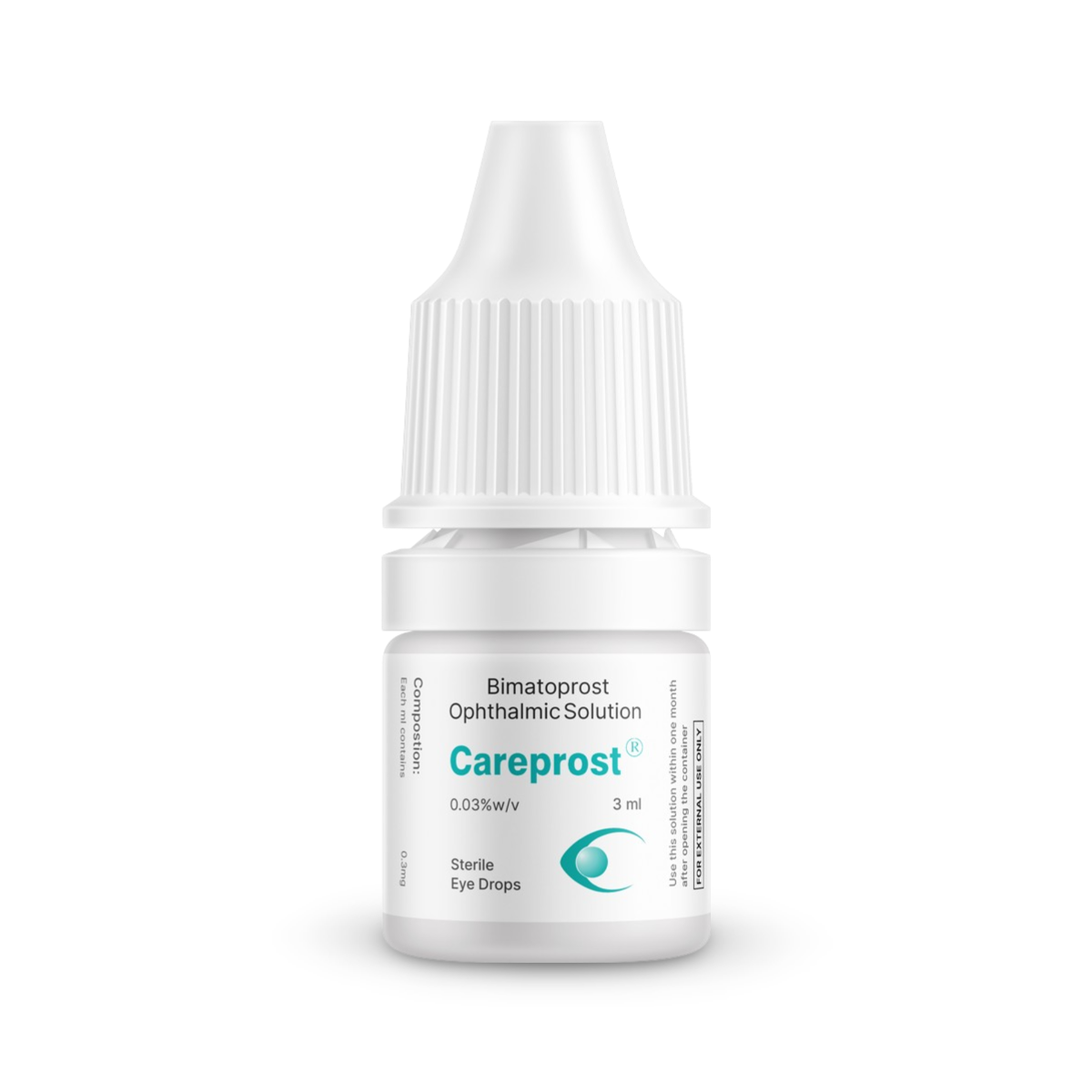
Careprost (With Brush) 3ml 0.03%
Starting at just $17.36 per bottleBuy Now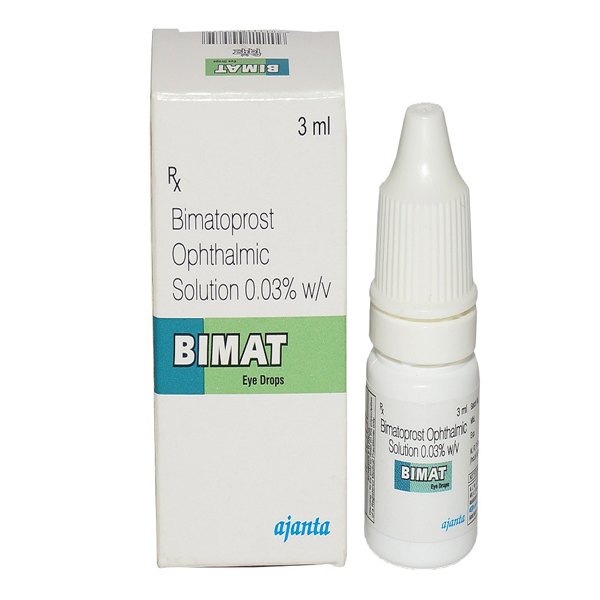
Bimat 0.03% w/v
Starting at just $10.16 per bottleBuy Now
Bimat (With Brush) 3 ml (0.03%)
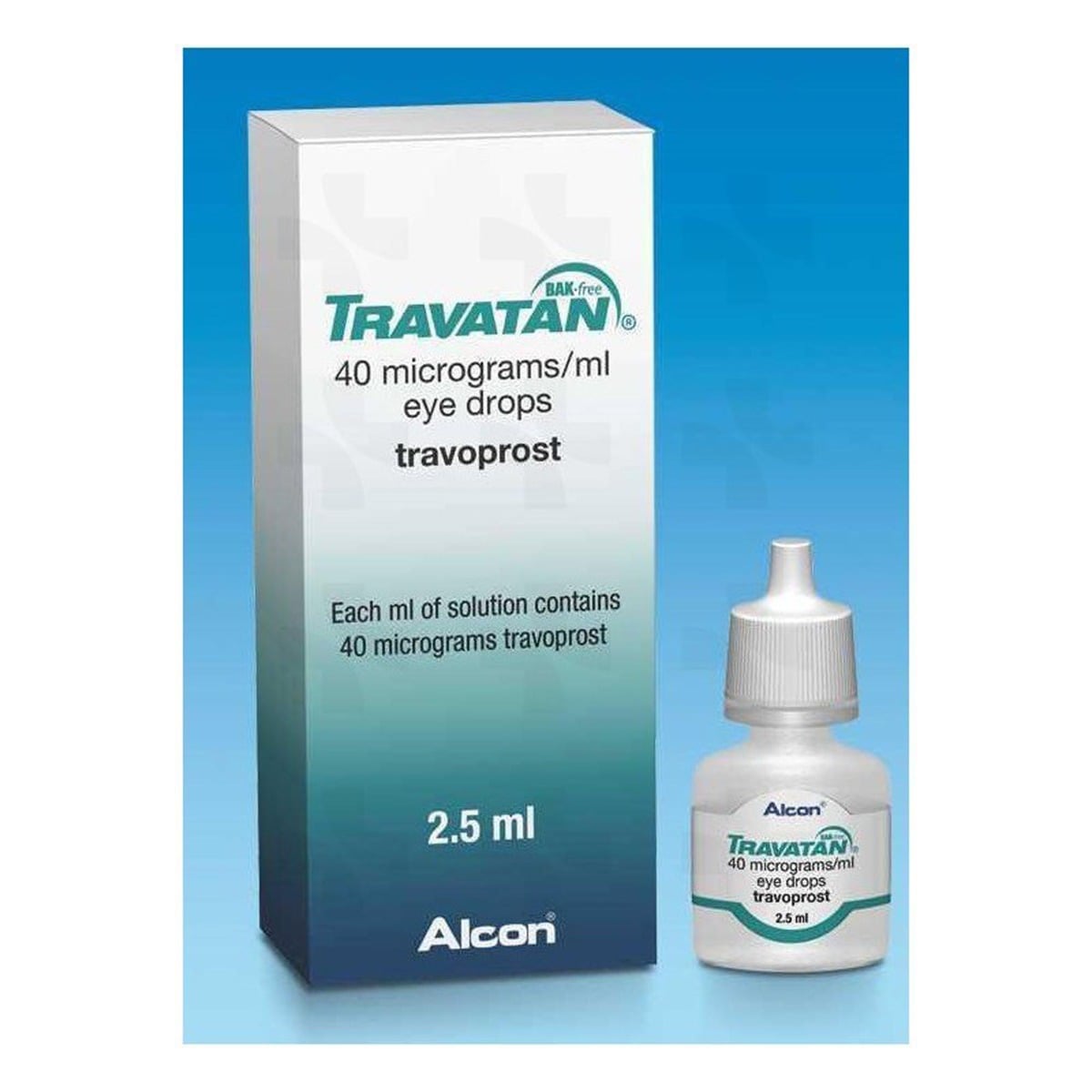
Travatan 40 Mcg/2.5ml
Eye Drops for Eye Pressure as a Treatment Option
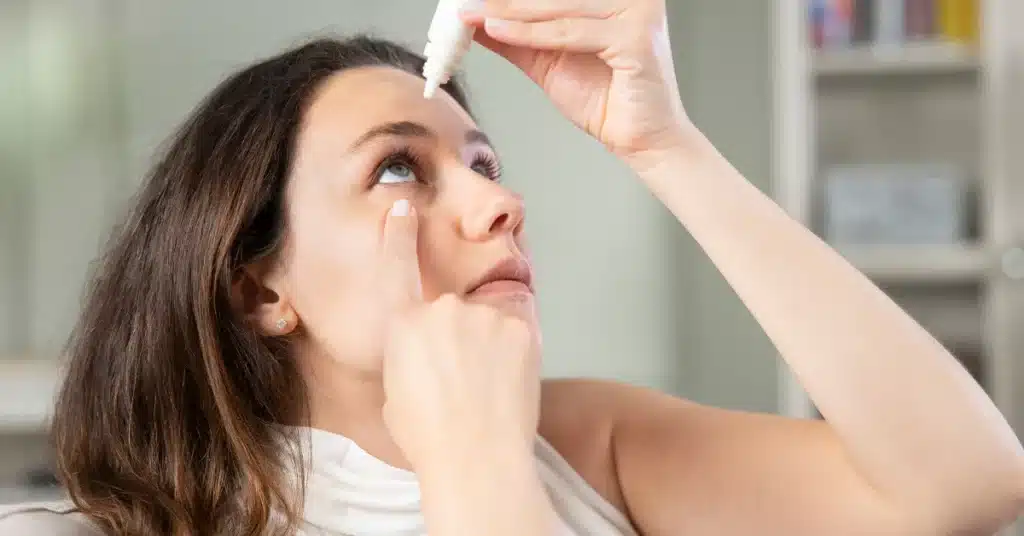
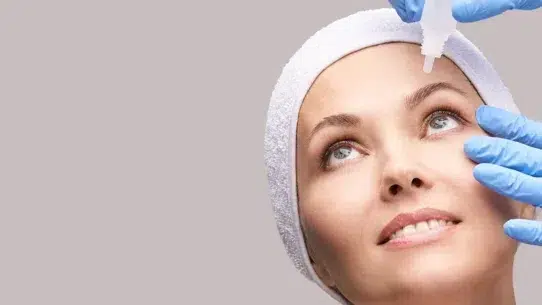
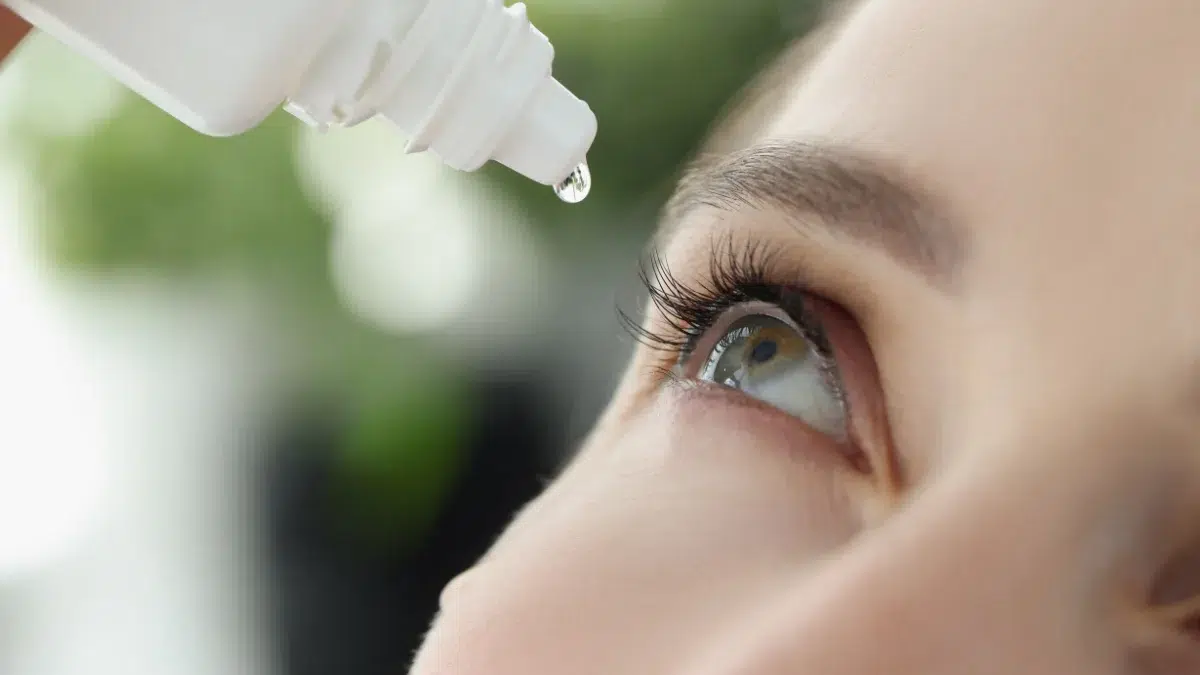
Ocular drops are a crucial component of the treatment approach when treating elevated ocular pressure.
These medicines lower IOP and prevent additional optic nerve injury in several ways.
Effective management requires understanding the diverse eyedrop varieties and how they work.
Prostaglandin Analogs: By increasing fluid drainage from the eye, these eyedrops lower IOP.
These eye drops are most commonly used in the evening.
Beta-Blockers: Beta-Blocker eye drops are known to reduce the production of aqueous humor in the eye. This can be beneficial in some cases, such as in the treatment of Glaucoma.
Typically, they are used in the morning and evening.
Alpha Agonists: Eye drops containing an alpha agonist increase outflow and decrease fluid production.
These eyedrops can be used multiple times every day.
Carbonic Anhydrase Inhibitors: These eye drops reduce the formation of aqueous humor and are frequently used with other medicines that lower ocular pressure.
To learn more about ways to lower eye pressure, read How to Lower Eye Pressure: Treating Glaucoma Effectively.
Prescription vs. Over-the-counter (OTC) Eye Drops
It’s important to remember that prescription eye drops are designed for certain eye disorders like Glaucoma and require a doctor’s advice when comparing prescription and over-the-counter (OTC) eye drops.
Prescription eye drops frequently have stronger, more focused effects.
OTC eye drops, on the other hand, are widely accessible and provide modest, transient relief from common eye discomforts.
Still, they are not meant to cure underlying eye diseases.
Prescription Eye Drops: People with Glaucoma or elevated IOP are often advised to use prescription eye drops.
A professional eye care consultation is required for customized medicine with stronger effects.
Over-the-counter (OTC) Eye Drops: Over-the-counter eye drops are commonly used for temporary eye irritation relief but should not be used without a prescription.
They are not the primary treatment for Glaucoma or increased IOP, although they can help with symptoms like dryness and redness.
Potential Side Effects and Precautions
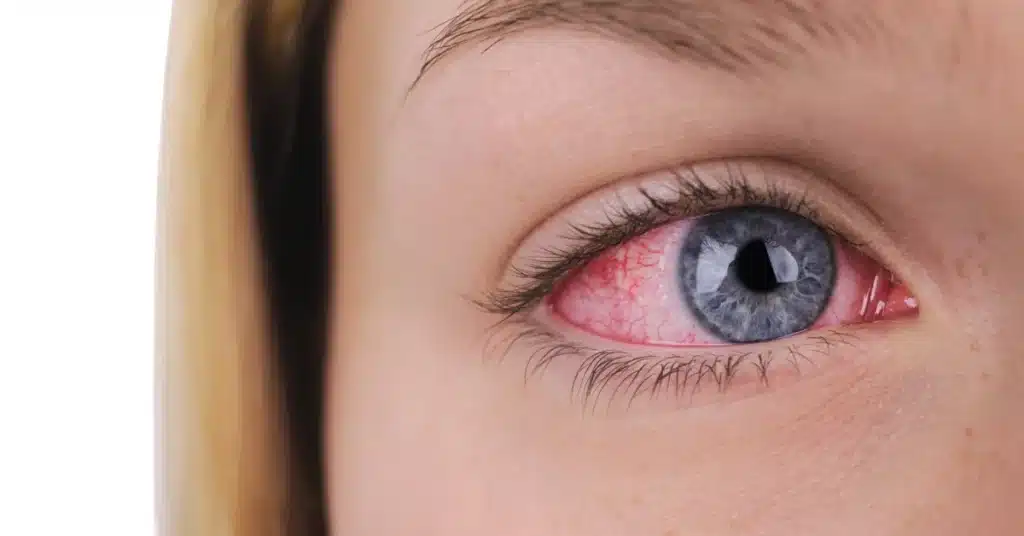
Although eye drops are useful for controlling eye pressure, they can also have significant negative effects and require special care.
Common Side Effects: Eye irritation, red eyes, stinging, or taste alterations are possible side effects.
It’s critical to communicate any negative effects to your healthcare professional.
Precautions: Users of eye drops should exercise caution when handling, storing, and administering them.
To lower the chance of contamination or inappropriate use, closely adhere to your healthcare provider’s instructions.
Conclusion
Managing eye pressure is essential for good eye health and avoiding problems like Glaucoma.
Maintaining optimal Intraocular Pressure requires eye pressure management techniques, such as routine eye exams, lifestyle changes, and dietary decisions.
The use of eye drops is the basis of the treatment of high eye pressure.
People may choose eye drops wisely in consultation with their eye care providers if they know the many types and how they work.
Follow your doctor’s instructions carefully, be aware of potential side effects, and take necessary precautions when using prescription or over-the-counter eye drops.

Frequently Asked Questions
What causes elevated eye pressure, and why is it a concern?
Elevated eye pressure, or Intraocular Pressure (IOP), can be caused by various factors, including genetics and aging. It is a concern because sustained high IOP can lead to optic nerve damage, a primary risk factor for Glaucoma and vision loss.
Can I use eye drops to prevent Glaucoma if I have a family history of the disease?
Using eye drops as a preventive measure for Glaucoma is typically not recommended.
Consult an eye care professional to assess your risk and discuss appropriate monitoring and treatment options.
Are prescription eye drops the only option for managing eye pressure?
While prescription eye drops are often the primary treatment for Glaucoma and elevated eye pressure, someOTC eye drops can temporarily relieve eye discomfort.
However, OTC drops are not a substitute for prescription medications.
What are the main types of eye drops used for managing eye pressure?
The main types of eye drops for managing eye pressure include Prostaglandin Analogs, Beta-Blockers, Alpha Agonists, and Carbonic Anhydrase inhibitors. Each type works differently to lower IOP.
How do I know if I have high eye pressure?
Intraocular Pressure (IOP), commonly known as high eye pressure, can be identified through a thorough eye exam performed by an optometrist or ophthalmologist.
Regular eye exams are essential for the early detection and management of illnesses like Glaucoma since elevated IOP might be a risk factor for those diseases.
Cheap Medicine Shop only refers to credible, authoritative sources for our content. If you're curious about how we ensure the integrity of our content, we encourage you to read our Content Information Policy.