








Pink eye, also known as Conjunctivitis, is a common eye infection that bacteria, viruses, or allergens can cause.
Bacterial Conjunctivitis is a type of pink eye that is caused by bacteria and can be treated with Antibiotics.
Ciprofloxacin is an antibiotic medication that is commonly used to treat bacterial Conjunctivitis.
In this article, we will discuss the proper use and dosage of Ciprofloxacin for pink eye, the effectiveness, and the side effects of Ciprofloxacin for pink eye.
What is Ciprofloxacin and How to Use It
Ciprofloxacin belongs to a class of Antibiotics called Fluoroquinolones.
They are a group of highly effective Antibodies used to treat upper and lower respiratory tract infections.
It works by inhibiting the DNA gyrase enzyme, which is necessary for bacterial DNA replication and repair.
Ciprofloxacin effectively kills the bacteria responsible for the pink eye by blocking the DNA gyrase enzyme.
Ciprofloxacin is available in two forms: eye drops and eye ointment.
Both forms are used to treat bacterial infections of the eye, such as bacterial Conjunctivitis.
Here are the steps to use Ciprofloxacin eye drops and eye ointment.
- Wash your hands thoroughly with soap and water
- Tilt your head back and pull down your lower eyelid to create a small pocket
- Hold the dropper above your eye and squeeze one to two drops into the pocket
- Close your eye and gently press your finger against the corner of your eye for one to two minutes. This helps to prevent the medication from draining into your tear duct and being absorbed into your bloodstream
- Repeat these steps for your other eye if required
To explore the other types of medicines for pink eyes, read Comprehensive Guide To Pink Eye Medicine.
Save up to 90% on your medicine bills
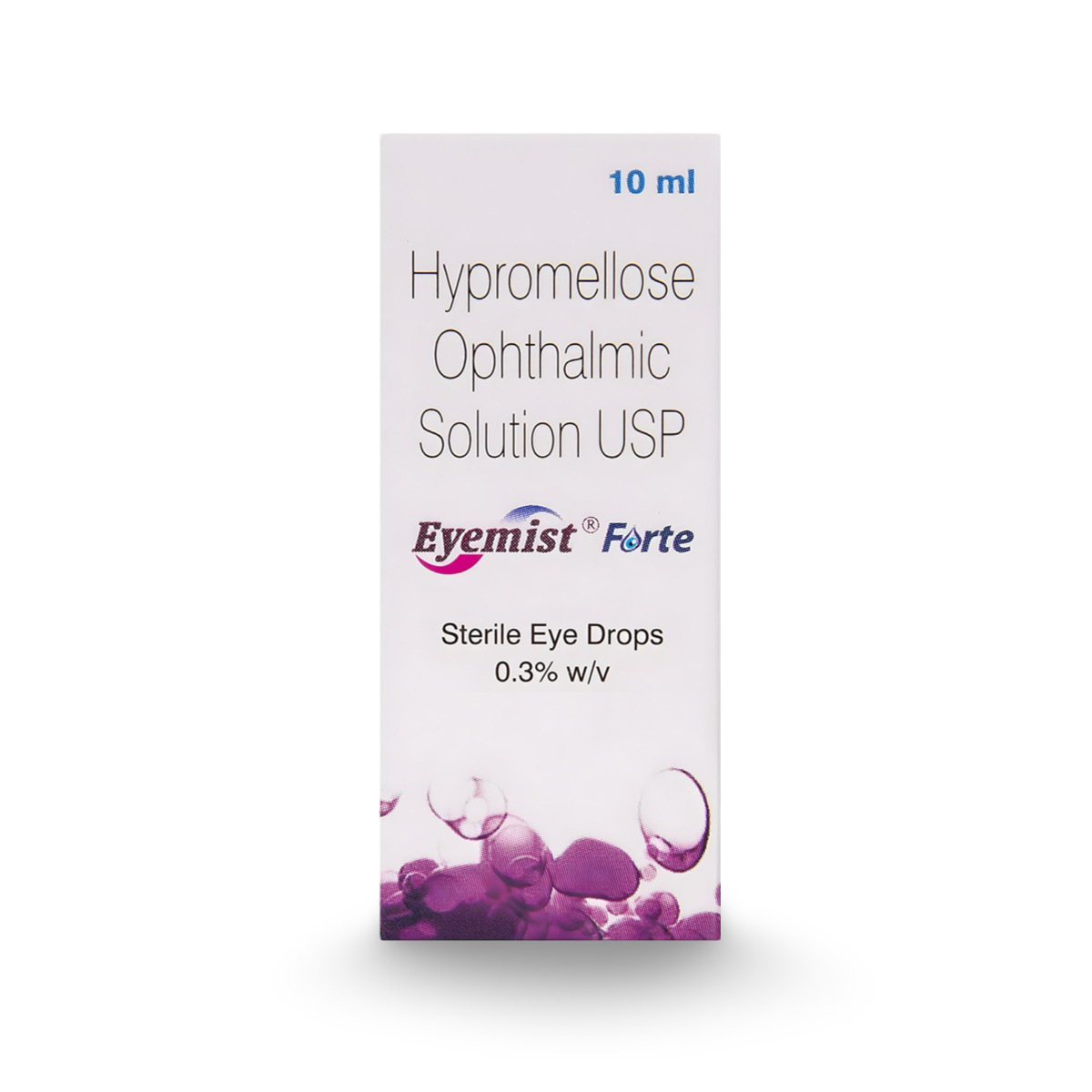
Eyemist Forte 10 ml
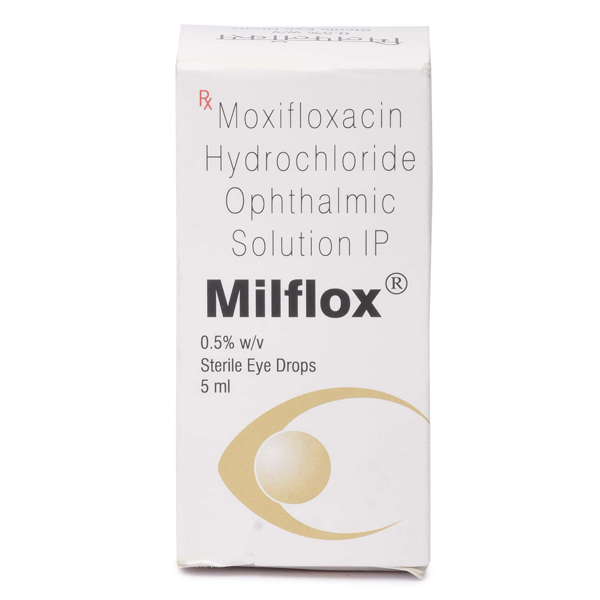
Milflox 0.5% 5 ml

Restasis 0.05% Ophthalmic Emulsion 0.4ml

Pred Forte 10 ml
Dosage of Ciprofloxacin for Pink Eye
The dosage of Ciprofloxacin for pink eye depends on the infection’s severity and the patient’s age.
It is important to use the medication during the entire course of treatment.
Even if your symptoms have disappeared and if you feel better after few doses, do not miss any doses.
The recommended dosage for adults and kids is:
- The recommended dosage of Ciprofloxacin for Conjunctivitis in adults is one to two drops every two hours for two days
- The recommended dosage for children is one to two drops every four hours for five days
Effectiveness of Ciprofloxacin for Pink Eyes
Ciprofloxacin has been proven to be highly effective in treating bacterial pink eye.
Its broad-spectrum activity allows it to target a wide range of bacteria, including those bacteria like Staphylococcus that cause Conjunctivitis.
Ciprofloxacin is considered a first-line treatment option for pink eye due to its efficiency and low risk of resistance development.
When using Ciprofloxacin for pink eye, it is crucial to follow the prescribed dosage and duration of treatment as directed by your healthcare provider.
Failure to complete the full course of Antibodies may result in incomplete bacteria eradication and potential infection recurrence.
Potential Side Effects of Ciprofloxacin

Like any other medication, Ciprofloxacin can cause side effects.
These side effects usually subside on their own and do not require immediate medical attention.
However, if you experience severe eye pain, vision changes, eye discharge, or worsening symptoms after starting Ciprofloxacin, do not hesitate to consult your doctor.
While rare, some individuals experience the following mild to moderate side effects.
- Temporary stinging or burning sensation upon application
- Itching
- Eye pain
- Redness
- Blurred vision
- Change in taste perception
These potential side effects could be prevented by taking proper precautions and following a doctor’s guidance.
To know more about the pain caused by pink eye in detail, read Is Pink Eye Painful? Understanding the Discomfort of Conjunctivitis.
Conclusion
Ciprofloxacin is a reliable and effective Antibiotic for the treatment of bacterial pink eye.
With its broad-spectrum activity and low risk of resistance development, it remains a popular choice among doctors.
However, it is crucial to use Ciprofloxacin for pink eye as directed, complete the full course of treatment, and be mindful of potential side effects.
If you suspect you have pink eye or have been prescribed Ciprofloxacin, consult with your doctor for proper evaluation, guidance, and treatment.

Frequently Asked Questions
How Does Ciprofloxacin work?
Ciprofloxacin is an Antibiotic medication that belongs to a class called Fluoroquinolones. It works by inhibiting the DNA gyrase enzyme, which is necessary for bacterial DNA replication and repair. This effectively kills the bacteria responsible for pink eye.
See our Recommendations
Are there any special dietary instructions that I should follow while using the medication?
No, there are not any special dietary restrictions that you need to strictly follow but you should consult your doctor about drinking coffee and other beverages which contain caffeine.
See our Recommendations
How long should I use Ciprofloxacin for pink eye?
The duration of Ciprofloxacin for pink eye depends on the severity of the infection and the patient’s age. It is important to use medication for the full time of treatment even if symptoms disappear.
See our Recommendations
Can Ciprofloxacin be used for other eye infections?
Yes, Ciprofloxacin is an FDA-approved medication for treating bacterial infections. Apart from Conjunctivitis, it can be used for eye conditions like corneal ulcers. However, it is not effective against viral eye infections.
See our Recommendations
Can Ciprofloxacin be used for preventing eye infections?
No, Ciprofloxacin is not recommended for preventing eye infections other than those caused by bacteria. It is an Antibiotic used only to treat bacterial eye infections such as Conjunctivitis (pink eye).
See our Recommendations
Cheap Medicine Shop only refers to credible, authoritative sources for our content. If you're curious about how we ensure the integrity of our content, we encourage you to read our Content Information Policy.