





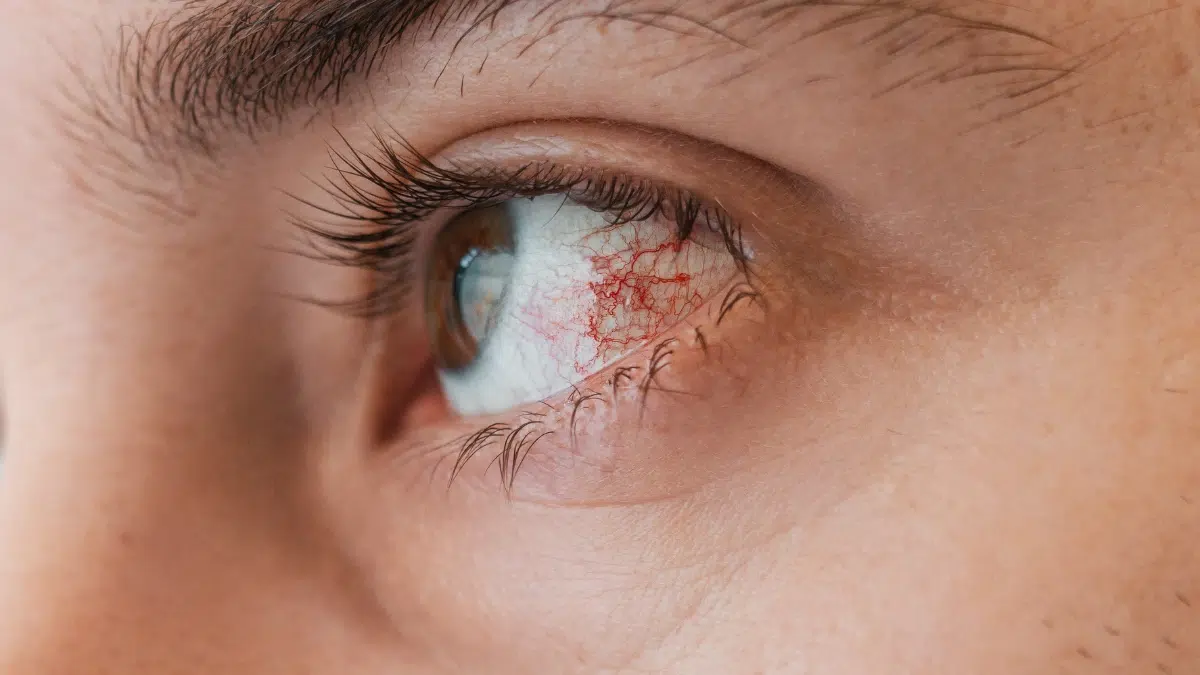

Posterior Uveitis or Choroiditis is a group of disorders characterized by inflammation of the choroid.
This condition can cause discomfort and difficulty in functioning normally by causing vision problems.
It can affect your vision by leading to problems like black spots or light sensitivity. If left untreated, it can also lead to permanent loss of vision.
This makes it important to diagnose and treat the condition early.
This article will discuss all about Posterior Uveitis, including its symptoms, causes, and treatments.
What is Posterior Uveitis
Posterior Uveitis is defined as a group of disorders characterized by the inflammation of the choroid.
The choroid is the back part of the uvea (the middle layer of the eye).
This condition can also affect the retina and/or the optic nerve, which may lead to permanent loss of vision.
Among the various types of Uveitis, Posterior Uveitis is the least common. While Anterior Uveitis accounts for approximately 50% of Uveitis cases.
Though a rare form of Uveitis, people with certain genes are more likely to develop Posterior Uveitis.
People with a weak or impaired immune system are also more susceptible to viral Posterior Uveitis.
Seeking prompt treatment can help prevent vision loss due to Posterior Uveitis.
Buy your pack of corticosteroid tablets to protect your vision today!
Save up to 90% on your medicine bills
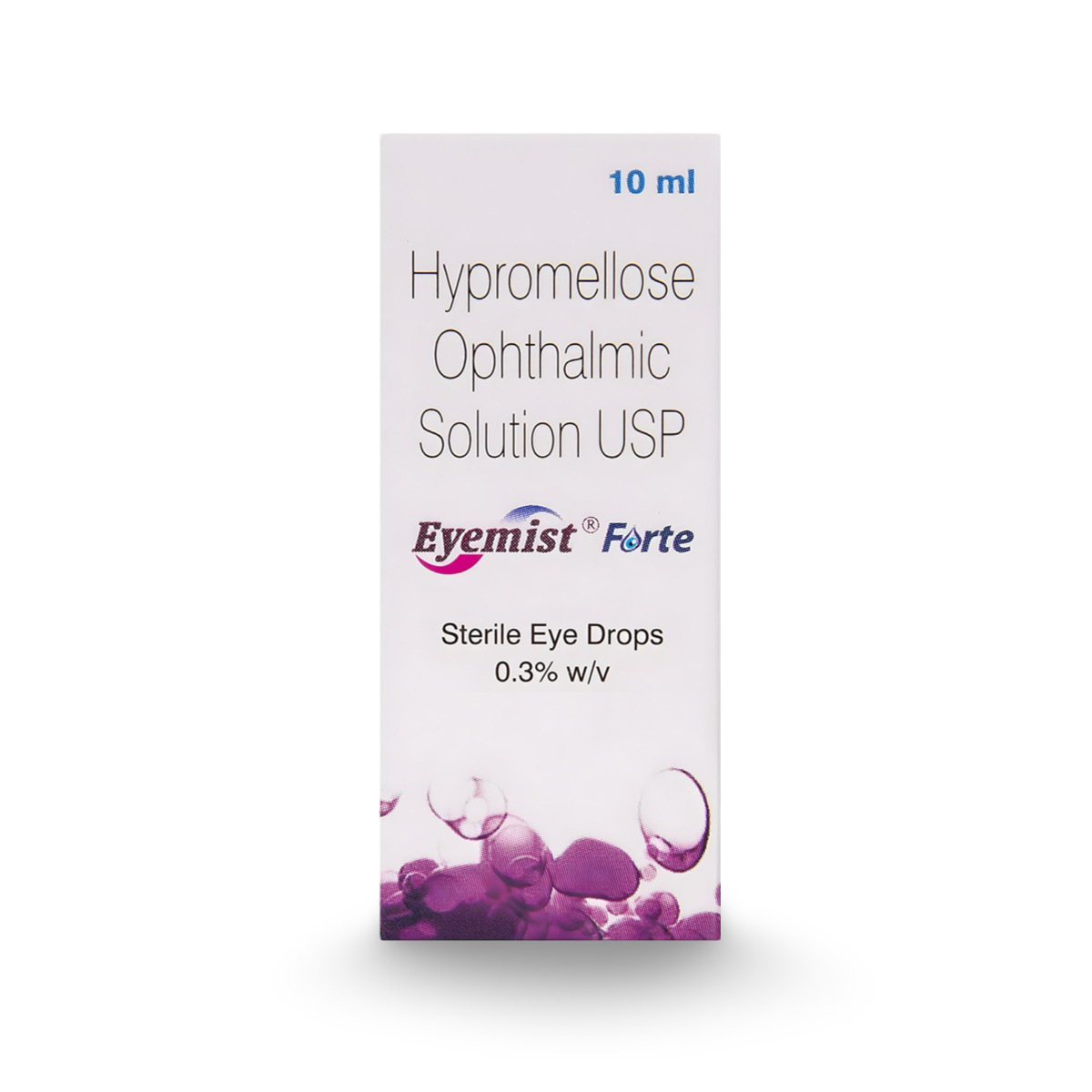
Eyemist Forte 10 ml
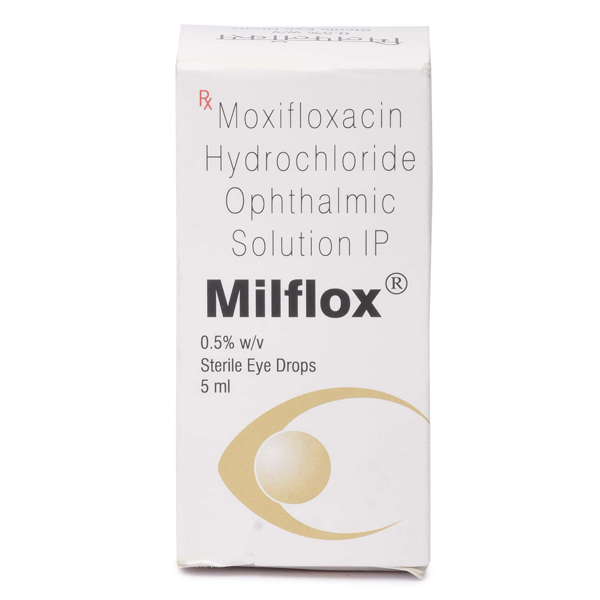
Milflox 0.5% 5 ml
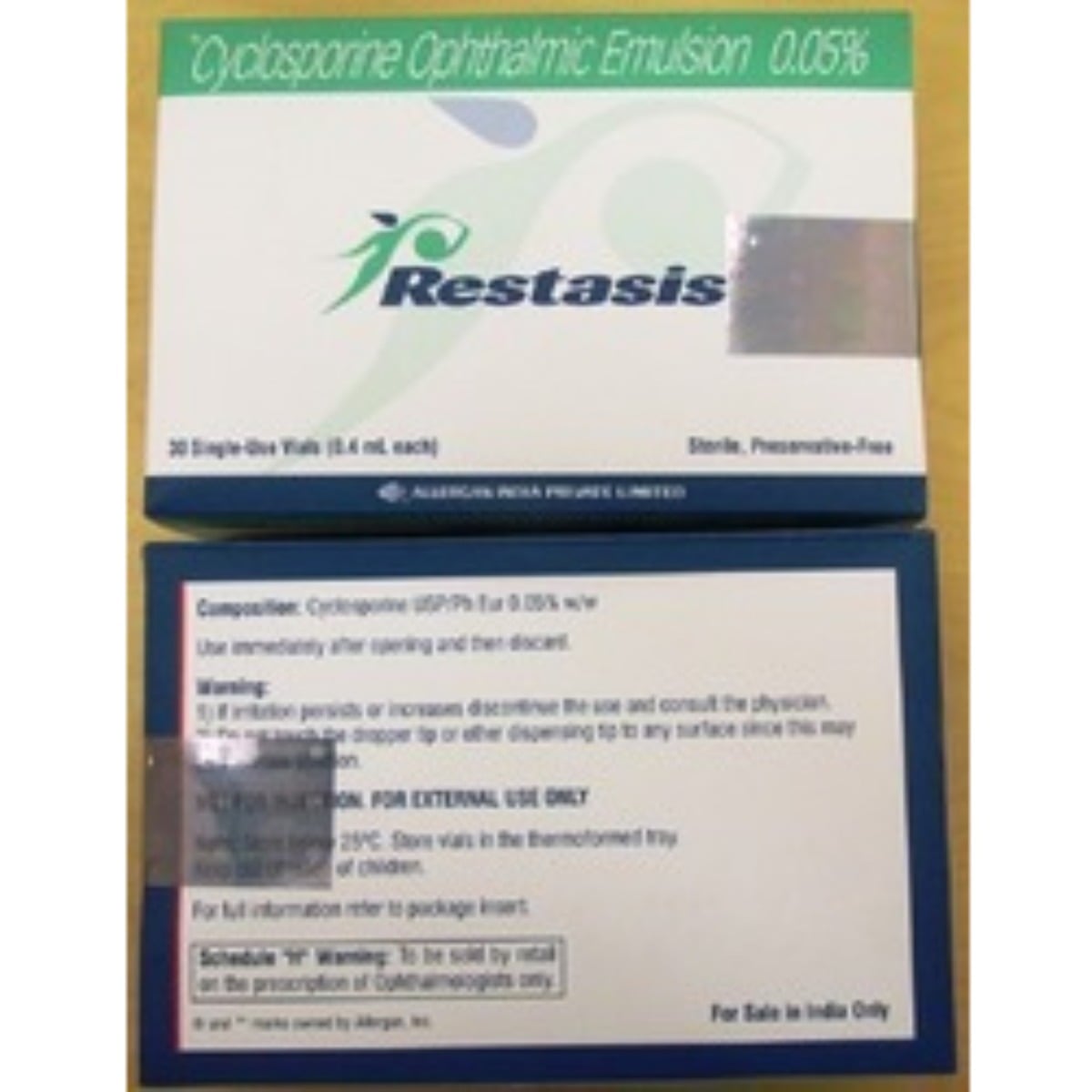
Restasis 0.05% Ophthalmic Emulsion 0.4ml
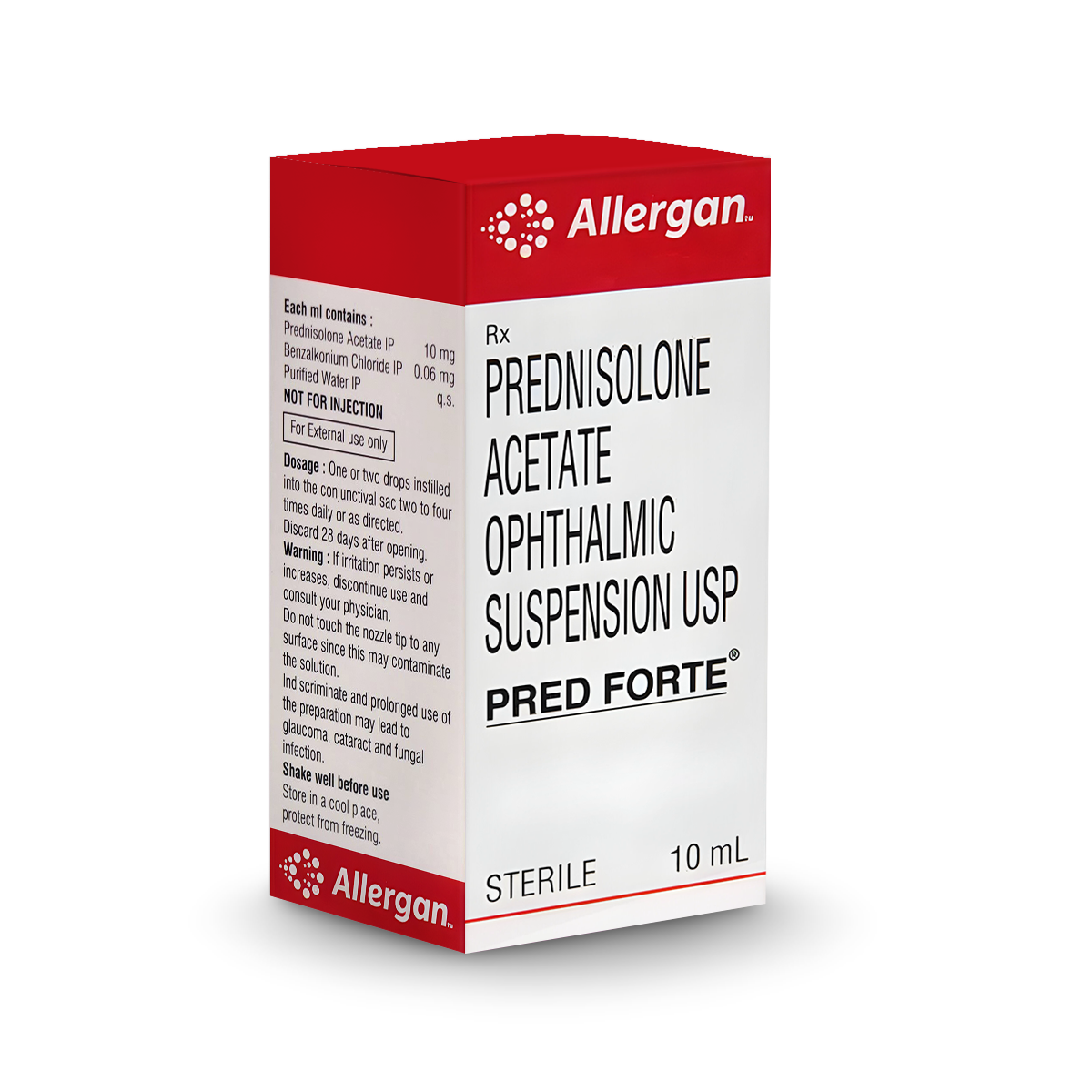
Pred Forte 10 ml
Symptoms of Posterior Uveitis
Signs and symptoms of Posterior Uveitis that can help identify and diagnose the condition early include:
- Blurred vision
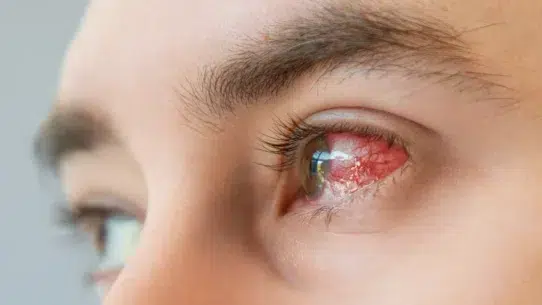
- Floaters (black spots or wispy lines that move across the vision)
- Scotoma (blind spots)
- Distorted vision
- Loss of vision
To learn how long blurred vision lasts due to Uveitis, read How Long Does Blurred Vision Last With Uveitis: Unveiling The Facts.
Pain and redness may also occur if the anterior part has also become inflamed as part of Panuveits.
Panuveitis is an inflammation of all the layers of uvea, which includes iris, ciliary body, and choroid.
Some patients may also be asymptomatic if the lesions are present on the periphery of the retina.
To better understand the symptoms of Uveitis in general, Read 8 Uveitis Symptoms You Need to be Aware of.
Posterior Uveitis Causes
Posterior Uveitis can result from autoimmune disorders, infections, or trauma.
Based on the causes, Posterior Uveitis can be classified into infectious and non-infectious types.
Causes of Infectious Posterior Uveitis include:
- Toxoplasmosis
- Viruses like cytomegalovirus, herpes simplex, rubella, lymphocytic choriomeningitis virus
- HIV-related eye diseases
- Tuberculosis
- Toxocara
- Syphilis
- Fungal infections caused by Candida species
- Coccidioidomycosis histoplasmosis
Causes of non-infectious Posterior Uveitis include:
- Sarcoidosis
- Behcet’s disease
Wondering about the causes of other Uveitis types? Read Uncovering Uveitis Causes: From Infections to Autoimmune Factors.
Posterior Uveitis Treatment
Treating the underlying cause, i.e., autoimmune disorder, infection, or injury, is the first step in treating Posterior Uveitis.
Treatment of the underlying virus infection with the help of antivirals or antibiotics can help treat infectious Posterior Uveitis.
Non-infective Uveitis is treated with corticosteroids like Prednisolone through eye drops, oral tablets, and injections.
Classes of corticosteroids used in the treatment include periocular, intravitreal, or systemic steroids.
Immunomodulator therapy may be recommended if the body has stopped or does not respond to steroids.
It is vital to consult an eyecare specialist if you notice Posterior Uveitis symptoms. If left untreated, Posterior Uveitis can cause permanent blindness.
In rare cases, surgical options may be considered to prevent complications like Glaucoma and Edema.
To explore more treatment options for Uveitis, read A Comprehensive Guide to Uveitis Treatment.
Summing Up
Posterior Uveitis is the inflammation of the choroid, the back part of the uvea. In some cases, it may also affect the retina or optic nerve, which can affect vision.
It is the least common type of Uveitis that generally presents itself with blurred vision, blind spots, and distorted vision.
In some cases, the patient may remain asymptomatic if the lesions are present on the periphery of the retina.
Posterior Uveitis can occur due to causes like autoimmune disorders, infections, or injury.
Treating the underlying cause of infectious Posterior Uveitis with the help of antivirals, antibiotics, and other medicines can help.
The standard therapy for non-infectious Posterior Uvetis includes corticosteroids in the form of pills, eye drops, or injections.
Other treatments like immunomodulator therapy, may be considered if the patient does not respond to steroids.

Frequently Asked Questions
Is Posterior Uveitis contagious?
No, Posterior Uveitis is non-contagious. It is usually caused by infections or autoimmune conditions, not by contact with an infected person. See our Recommendations
Is Posterior Uveitis the same as Anterior Uveitis?
No, Posterior Uveitis and Anterior Uveitis are different. Posterior Uveitis affects the back of the eye, while Anterior Uveitis involves the front part of the eye.
The symptoms and treatment can vary between the two. See our Recommendations
Can Posterior Uveitis affect both eyes at the same time?
Yes, Posterior Uveitis can affect one or both eyes simultaneously, depending on the underlying cause. See our Recommendations
Are there any home remedies for Posterior Uveitis?
No, there are no specific home remedies for Posterior Uveitis.
It’s important to consult an eye specialist for proper diagnosis and treatment of this eye condition. See our Recommendations
Can children develop Posterior Uveitis?
Yes, Posterior Uveitis can affect individuals of all ages, including children. Pediatric Uveitis is a specific concern, and it requires specialized care. See our Recommendations
Cheap Medicine Shop only refers to credible, authoritative sources for our content. If you're curious about how we ensure the integrity of our content, we encourage you to read our Content Information Policy.