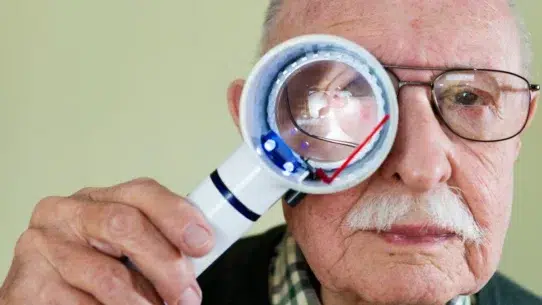






Diabetic Retinopathy is a serious condition that affects the eyes and vision due to Diabetes.
A person can experience symptoms like blurred vision, floaters, pain or pressure in the eyes, and even vision loss.
As a common complication of Diabetes, this eye condition demands attention and awareness for its potential to lead to severe vision impairment if left unchecked.
Diabetic Retinopathy has two main stages, Nonproliferative Diabetic Retinopathy (NPDR) and Proliferative Diabetic Retinopathy (PDR).
This article aims to provide a clear understanding of Diabetic Retinopathy.
It covers various aspects of the condition, including its stages, how it affects vision, what factors cause it, and the available treatments.
What is Diabetic Retinopathy
Diabetic Retinopathy is a progressive eye condition resulting from long-term complications of Diabetes.
Symptoms include blurred vision, eye floaters, eye pain, high eye pressure, and vision loss.
It occurs when high blood sugar levels damage the tiny blood vessels in the retina, the light-sensitive tissue at the back of the eye.
When in its early stages, the damage may not cause noticeable symptoms. The early stage of this condition is known as Nonproliferative Diabetic Retinopathy (NPDR).
However, as the condition advances to Proliferative Diabetic Retinopathy (PDR), abnormal blood vessels can develop, leading to severe vision impairment or blindness.
The risk of Diabetic Retinopathy increases with the duration of Diabetes and inadequate blood sugar control.
Retinopathy was found in 44% of Diabetes patients in a 2016 study.
Regular eye examinations are essential for early detection and effectively management of this potentially sight-threatening condition.
Save up to 90% on your medicine bills

Careprost (With Brush) 3ml 0.03%
Starting at just $17.36 per bottleBuy Now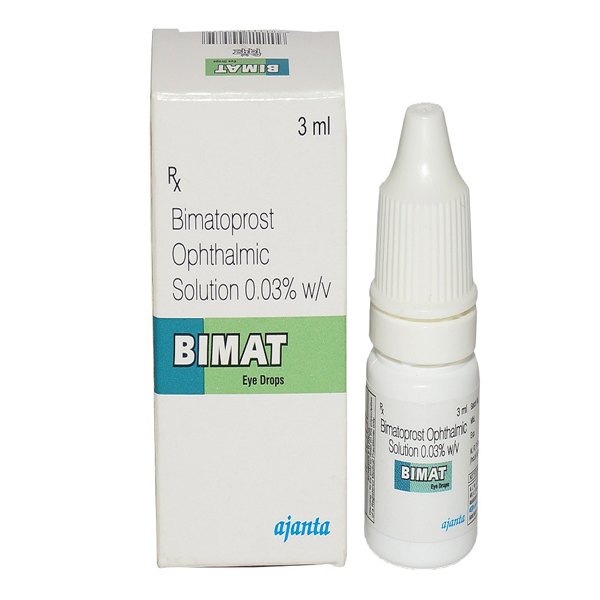
Bimat 0.03% w/v
Starting at just $10.16 per bottleBuy Now
Bimat (With Brush) 3 ml (0.03%)
Travatan 40 Mcg/2.5ml
Diabetic Retinopathy Stages

Diabetic Retinopathy progresses through two main stages:
- Nonproliferative Diabetic Retinopathy (NPDR)
- Proliferative Diabetic Retinopathy (PDR)
If you leave NPDR untreated, it can get worse and become PDR. This increases your risk of losing your vision.
It’s important to get treatment as soon as possible to prevent this from happening.
Nonproliferative Diabetic Retinopathy (NPDR)
Nonproliferative Diabetic Retinopathy (NPDR) marks an early stage of Diabetic eye disease.
In NPDR, tiny blood vessels in the retina weaken, leading to microaneurysms and retinal swelling.
While vision changes may be minute at this point, it is a critical phase to detect and address.
The treatment for Nonproliferative Diabetic Retinopathy (NPDR) often involves close monitoring and lifestyle adjustments.
Maintaining optimal blood sugar levels is essential, and controlling other risk factors, such as Hypertension, can help slow the progression.
Regular eye exams are important for individuals with Diabetes to prevent the progression to severe stages of NPDR and safeguard long-term vision health.
Proliferative Diabetic Retinopathy (PDR)
Proliferative Diabetic Retinopathy (PDR) represents an advanced stage of Diabetic eye disease.
In this stage, abnormal blood vessels grow on the retina, increasing the risk of severe vision loss.
These fragile blood vessels can leak blood into the eye, causing retinal scarring and potentially leading to retinal detachment.
The 4-2-1 rule is used to diagnose severe pre-Proliferative Diabetic Retinopathy.
According to the rule, a patient is considered to have severe pre-Proliferative Diabetic Retinopathy if they have any of the following symptoms:
- Abnormal venous wall beading in at least two quadrants
- Severe hemorrhages and microaneurysms in all four quadrants
- Intraretinal Microvascular Anomalies (IRMA) in at least one quadrant
A timely diagnosis, often through laser treatment or surgery, is important to prevent further complications.
Diabetic Retinopathy Causes
Diabetic Retinopathy primarily arises from prolonged high blood sugar levels in individuals with Diabetes.
Elevated sugar levels can damage the delicate blood vessels nourishing the retina, leading to their weakening and subsequent leakage.
The growing effect of this damage restricts the retina’s ability to function correctly, resulting in vision problems.
Poorly managed Diabetes is a significant risk factor, emphasizing the importance of consistent blood sugar control.
Furthermore, Hypertension and high Cholesterol levels often increase the progression of Diabetic Retinopathy.
Smoking and genetic predisposition can also contribute to the development of this condition.
Individuals with Diabetes must regularly monitor their health and follow medical advice to reduce risks involved with Diabetic Retinopathy.
To learn about the prevention of Diabetes, read Know 8 Best Ways to Prevent Complications of Diabetes.
Symptoms of Diabetic Retinopathy

Diabetic Retinopathy often develops without noticeable symptoms in its early stages.
However, as the condition progresses, individuals may experience minute changes in vision, such as blurred eyesight.
Floaters, small dark spots, or cobweb-like shapes in the field of vision may also appear.
In advanced stages, these symptoms can lead to vision loss and difficulty seeing at night.
It’s important to recognize these signs early and seek prompt medical attention.
Regular eye check-ups are essential for Diabetic Retinopathy management.
In addition to medical management, incorporating regular exercise into your routine be effective in preventing Diabetic Retinopathy.
Simple aerobic activities, such as walking or swimming, may help improve blood circulation prove effective for your Diabetes.
To know about exercises for your Diabetes, read Know Five Exercises For Regulating Your Diabetes.
Preventions and Management of Diabetic Retinopathy
Preventing and managing Diabetic Retinopathy involves a combination of lifestyle modifications and careful medical care.
Firstly, maintaining optimal blood sugar levels through consistent monitoring and adherence to prescribed medications is important.
A balanced and nutritious diet, low in processed sugars and rich in fruits, vegetables, and whole grains, supports overall Diabetes management and reduces the risk of Retinopathy.
Regular exercise is important for improving insulin sensitivity and promoting cardiovascular health.
Annual eye examinations are essential for early detection, allowing timely diagnosis to prevent progression.
Also, treatments such as laser therapy or injections can help manage the condition and preserve vision.
Quitting smoking is extremely important for people with Diabetes since smoking can worsen the complications of the disease, such as Retinopathy.
Consulting with doctors like Ophthalmologists and Endocrinologists ensures a thorough approach to managing Diabetes and preventing Retinopathy.
If you have Diabetes, you can significantly reduce your risk of developing or worsening Diabetic Retinopathy by following medical guidance and taking preventive measures.
To explore treatment options of Diabetic Retinopathy in detail, read Comprehensive Guide to Diabetic Retinopathy Treatment: Options and Considerations.
Conclusion
Diabetic Retinopathy is a serious condition that affects the eyes and vision due to prolonged Diabetes.
Diabetic Retinopathy has two stages: Nonproliferative (NPDR) and Proliferative (PDR).
Understanding its symptoms is important for those who are dealing with Diabetes.
Symptoms of Diabetic Retinopathy include blurred vision, floaters, eye pain or pressure, and vision loss.
The causes, primarily linked to continuously elevated blood sugar levels, underscore the importance of meticulous Diabetes management.
The key to reducing the impact lies in keeping blood sugar levels in check, prioritizing routine eye check-ups, adopting a healthy lifestyle, and prevention and effectively managing Diabetes .
Early detection and diagnosis are important for the best eye health.

Frequently Asked Questions
Why is early detection important in Diabetic Retinopathy?
Early detection allows for timely diagnosis and management, minimizing the risk of severe vision impairment.
Regular eye check-ups are important in identifying Diabetic Retinopathy in its early stages.
Can Diabetic Retinopathy be completely cured?
No, Diabetic Retinopathy cannot be completely cured.
However, effective management can prevent or slow down the progression of Diabetic Retinopathy.
Timely diagnosis and lifestyle modifications are key to maintaining eye health.
Can Diabetic Retinopathy be completely cured?
No, Diabetic Retinopathy cannot be completely cured.
However, effective management can prevent or slow down the progression of Diabetic Retinopathy.
Timely diagnosis and lifestyle modifications are key to maintaining eye health.
What should individuals with Diabetes do to protect their eyes?
Individuals with Diabetes should prioritize regular eye check-ups, control blood sugar levels, adopt a healthy lifestyle, and follow the advice of their healthcare providers to protect their eyes from severe complications like Diabetic Retinopathy.
How often should individuals with Diabetes have their eyes checked for Diabetic Retinopathy?
Individuals with Diabetes are recommended to have an eye exam at least once a year.
Regular eye check-ups are essential for early detection and timely diagnosis of Diabetic Retinopathy.
What should I do if I suspect Diabetic Retinopathy symptoms?
If you experience any changes in your vision or suspect Diabetic Retinopathy symptoms, you should schedule an appointment with an eye care professional.
Early diagnosis can make a significant difference in preserving your vision.
Cheap Medicine Shop only refers to credible, authoritative sources for our content. If you're curious about how we ensure the integrity of our content, we encourage you to read our Content Information Policy.