







Polycystic Ovary Syndrome (PCOS), is a hormonal disorder affecting females or Assigned Females at Birth (AFAB).
PCOS disrupts the balance of hormones and metabolism, leading to various challenges.
For managing PCOS, It’s important to recognize the complex relationship between diet and hormone balance.
Specifically, Magnesium is essential for controlling Insulin sensitivity and lowering inflammation, which are both symptoms of PCOS.
This article explores the importance of taking Magnesium for PCOS, discusses the various kinds of Magnesium supplements, and offers helpful advice on the right dosage.
Magnesium for PCOS
Many women struggle with Polycystic Ovary Syndrome (PCOS), which affects their hormonal balance and general well-being.
Magnesium is beneficial for PCOS as it enhances Insulin sensitivity, helping to regulate blood sugar levels and reduce Insulin resistance, a common issue in PCOS.
Magnesium also helps to balance hormone fluctuations and reduce inflammation, which addresses important aspects of PCOS symptoms and improves overall metabolic and reproductive health.
If you take Magnesium regularly, you might help your body deal with the underlying causes of PCOS.
In the following sections, we’ll explore Magnesium supplementation as part of your PCOS management strategy.
Want to know about different types of PCOS? Read Beyond the Basics: Exploring Different Types of PCOS.
Save up to 90% on your medicine bills
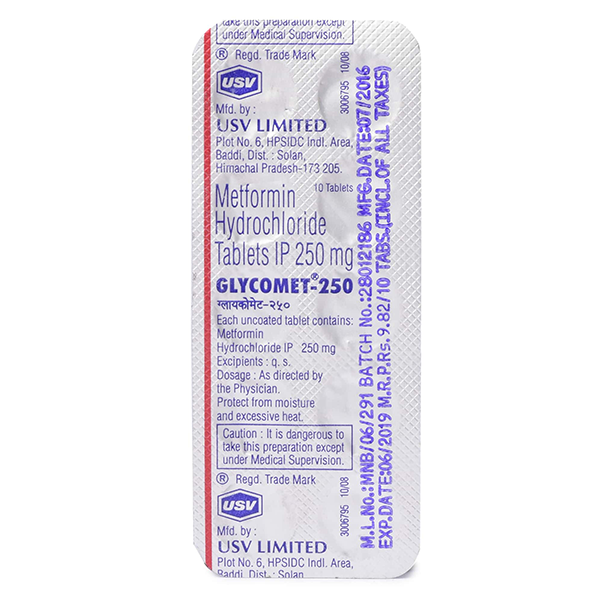
Glycomet 250 Mg

Aldactone 25 Mg
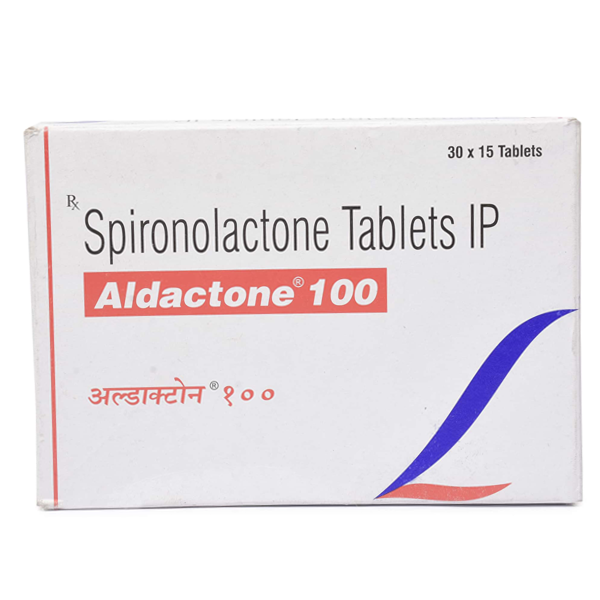
Aldactone 100 Mg
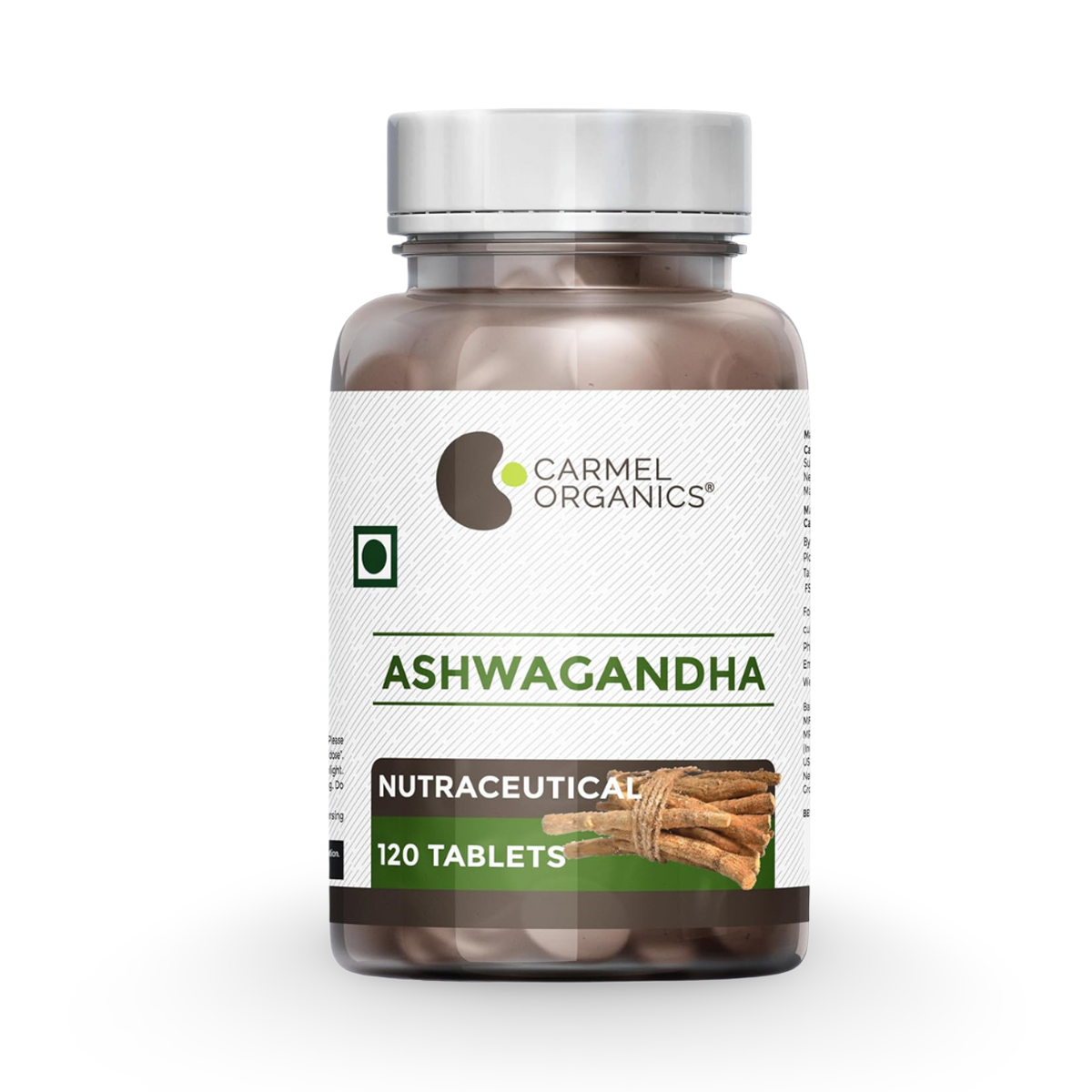
Carmel Organics Ashwagandha Extract Tablets
Magnesium Supplements for PCOS
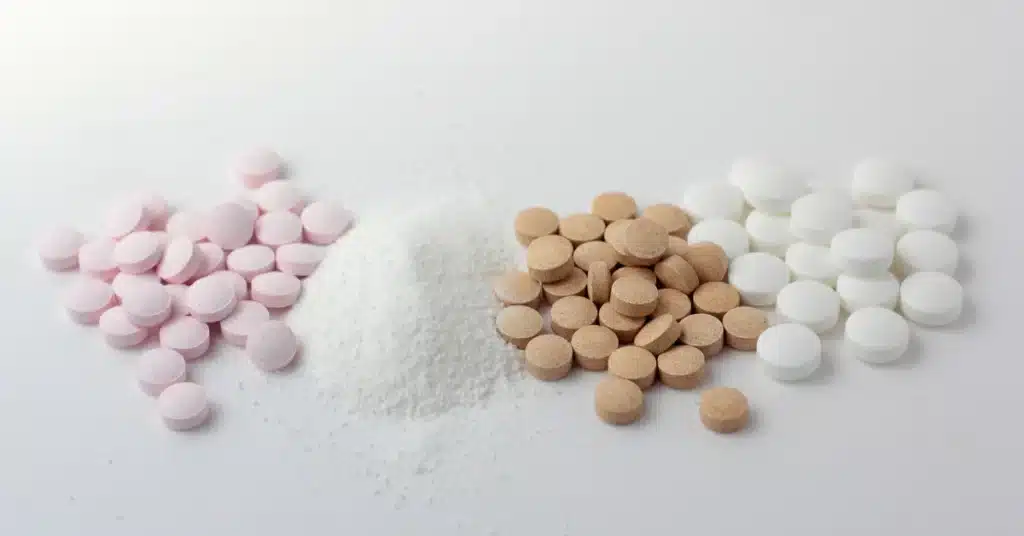
When considering Magnesium supplements for PCOS, it’s essential to choose wisely.
Magnesium Glycinate and Citrate are two significant choices.
Due to its high absorption rate, Magnesium Citrate may help with Insulin resistance, which is an essential aspect of PCOS.
However, due to its more gentle nature on the stomach, Magnesium Glycinate may be preferred by those with sensitive digestive systems.
You must follow suggested dosage recommendations, which might change depending on factors like age and weight.
Remember, the right Magnesium supplement, combined with personalized dosages, can contribute to better PCOS management.
There are various supplements available for PCOS, read A Comprehensive Guide to PCOS Supplements to know more\
Magnesium Dosage for PCOS
Determining the appropriate dosage of Magnesium for PCOS is an important aspect of effective symptom management.
The suggested dosage varies according to age, weight, and general health.
For people with PCOS, doctors typically recommend a daily Magnesium intake of 200–400 mg.
For best results, symptoms should be regularly monitored and the dosage of Magnesium should be changed as necessary.
Remember, the goal is to strike a balance between addressing Magnesium deficiency and avoiding potential side effects.
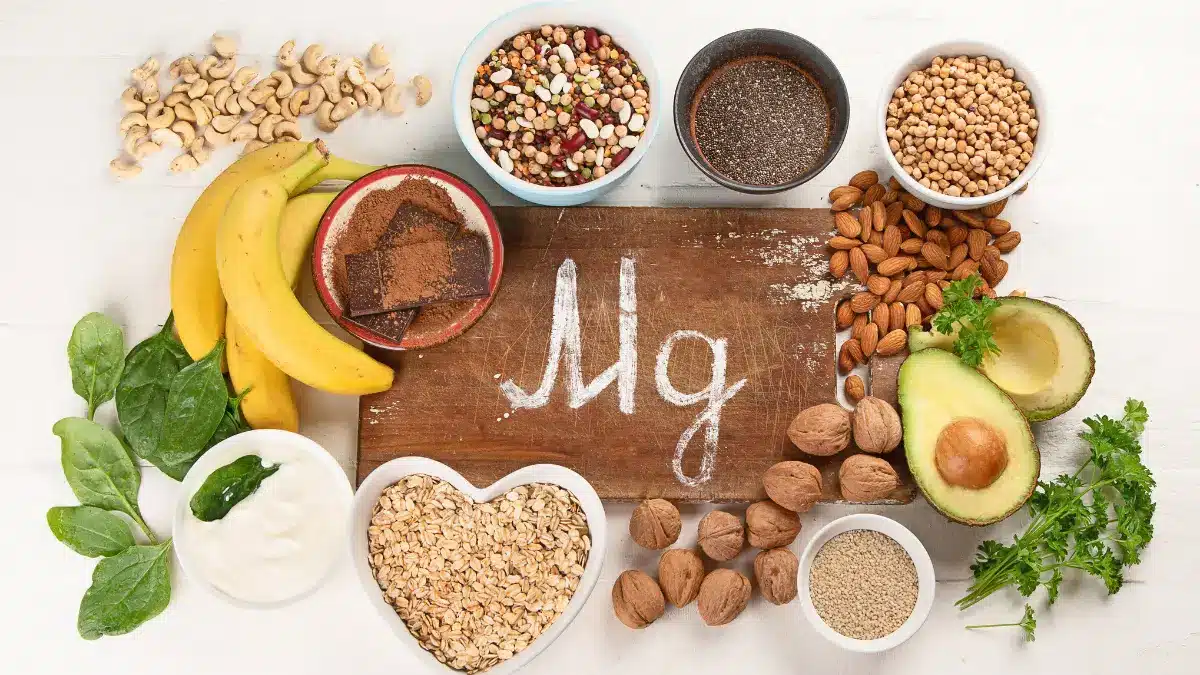
Magnesium-Rich Foods for PCOS

Including foods high in Magnesium in your diet can help naturally manage PCOS.
High-quality sources of Magnesium include leafy greens like kale and spinach.
Almonds, pumpkin seeds, and sunflower seeds can increase your daily intake of Magnesium.
Whole grains, such as quinoa and brown rice, are wholesome choices that are Magnesium rich.
Bananas and Avocados can also provide a tasty, high in Magnesium alternative.
Snacking on dark chocolate in moderation is another enjoyable way to increase your intake of Magnesium.
Remember, a balanced approach to nutrition, incorporating these Magnesium-rich foods, can complement your overall PCOS management strategy.
Want to know about healthy foods for PCOS? Read Can A Healthy PCOS Diet Make A Difference?
Conclusion
Polycystic Ovary Syndrome (PCOS) is a condition where females or Assigned Females at Birth (AFAB) have irregular periods, acne, and other symptoms.
Including Magnesium in your PCOS treatment plan could have several advantages.
Foods and supplements high in Magnesium may help people with PCOS feel better overall by reducing inflammation and enhancing Insulin sensitivity.
Spinach, kale, almonds, pumpkin seeds, and sunflower seeds are excellent sources of Magnesium for PCOS.
Doctors usually advise a daily magnesium intake of 200–400 mg for patients with PCOS.
But it’s important to proceed cautiously when taking Magnesium supplements, following individual dosage guidelines and seeking medical advice.

Frequently Asked Questions
Are there any potential interactions between Magnesium supplements and PCOS medications?
Yes, there can be interactions between Magnesium supplements and PCOS medications. It’s important to inform your healthcare provider about any supplements or medications you are taking to ensure there are no side effects or interactions with medications prescribed for PCOS.
How long does it take to see the effects of Magnesium supplementation on PCOS symptoms?
The timeline for experiencing the effects of Magnesium supplementation can vary from person to person.
It’s essential to be patient and consistent with your supplementation while monitoring changes in symptoms. Consult with your healthcare professional for guidance on taking Magnesium supplements.
Can Magnesium supplementation be combined with other PCOS management strategies?
Yes, Magnesium supplementation can complement other PCOS management strategies, including a balanced diet, regular exercise, and stress reduction techniques.
Taking a thorough strategy is frequently more successful.
How do I choose the right Magnesium supplement for PCOS?
The choice depends on individual preferences and health considerations.
Consulting with a doctor is important to determine the most suitable Magnesium supplement based on your specific needs and tolerances.
Can I stop taking Magnesium supplements once my PCOS symptoms improve?
It’s important to consult with your healthcare provider before making any changes to your supplementation plan.
They can guide you on whether adjustments are needed based on your progress and overall health.
Cheap Medicine Shop only refers to credible, authoritative sources for our content. If you're curious about how we ensure the integrity of our content, we encourage you to read our Content Information Policy.