








Hormonal in nature, Polycystic Ovary Syndrome (PCOS) primarily impacts women during their reproductive years.
The overactivity of the Adrenal glands is a distinguishing factor between Adrenal PCOS and PCOS.
Some women might have lesser-known Adrenal PCOS, which is a subset of PCOS.
In Adrenal PCOS, the Adrenal glands produce excess Androgen, a male hormone.
Elevated levels of Androgens may lead to hormonal imbalance and a significant impact on the functionality of the ovaries, leading to complications during pregnancy.
This article will discuss Adrenal PCOS, its symptoms, treatment options, and more.
Understanding Adrenal PCOS
There are two Adrenal glands, one on top of each kidney.
Adrenal glands make stress hormones like Cortisol in response to acute stress.
Whether it’s physical or mental stress, your Adrenal glands release more Cortisol, which raises your Dehydroepiandrosterone Sulfate (DHEA-S) levels.
Increased Dehydroepiandrosterone (DHEA) and its sulfate version (DHEA-S) impact ovarian and metabolic processes.
Several studies have found an association between DHEA and Adrenal PCOS.
Usually, women with Adrenal PCOS have high amounts of DHEA-S.
High levels of Cortisol and DHEA-S throw off the balance of other hormones in your body, which can cause Adrenal PCOS symptoms
Save up to 90% on your medicine bills
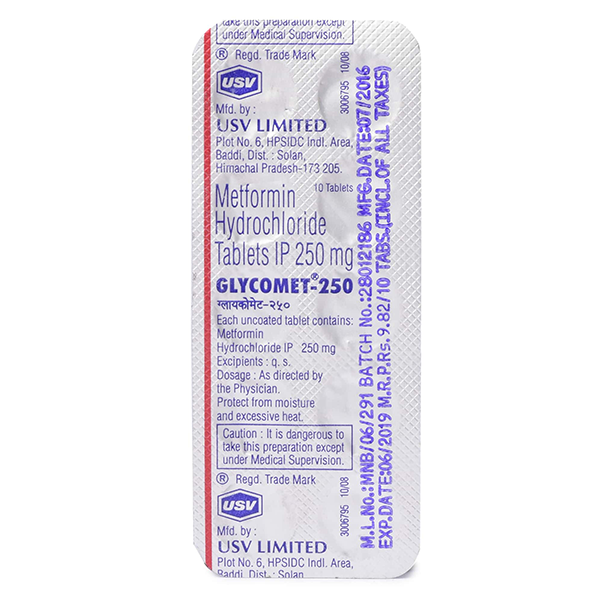
Glycomet 250 Mg

Aldactone 25 Mg
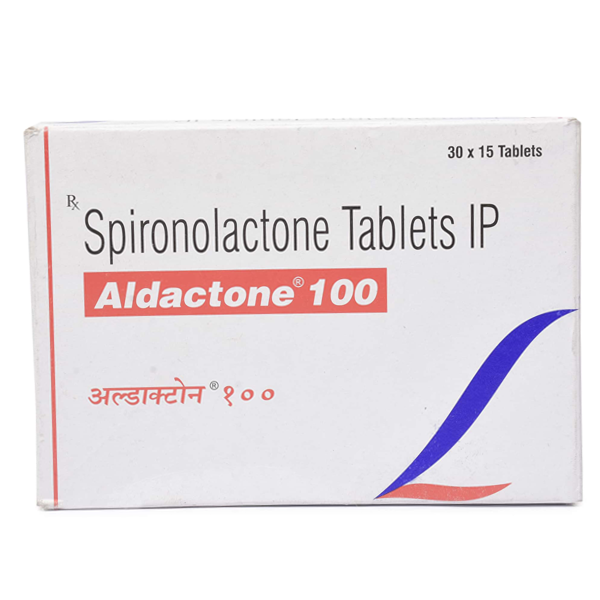
Aldactone 100 Mg
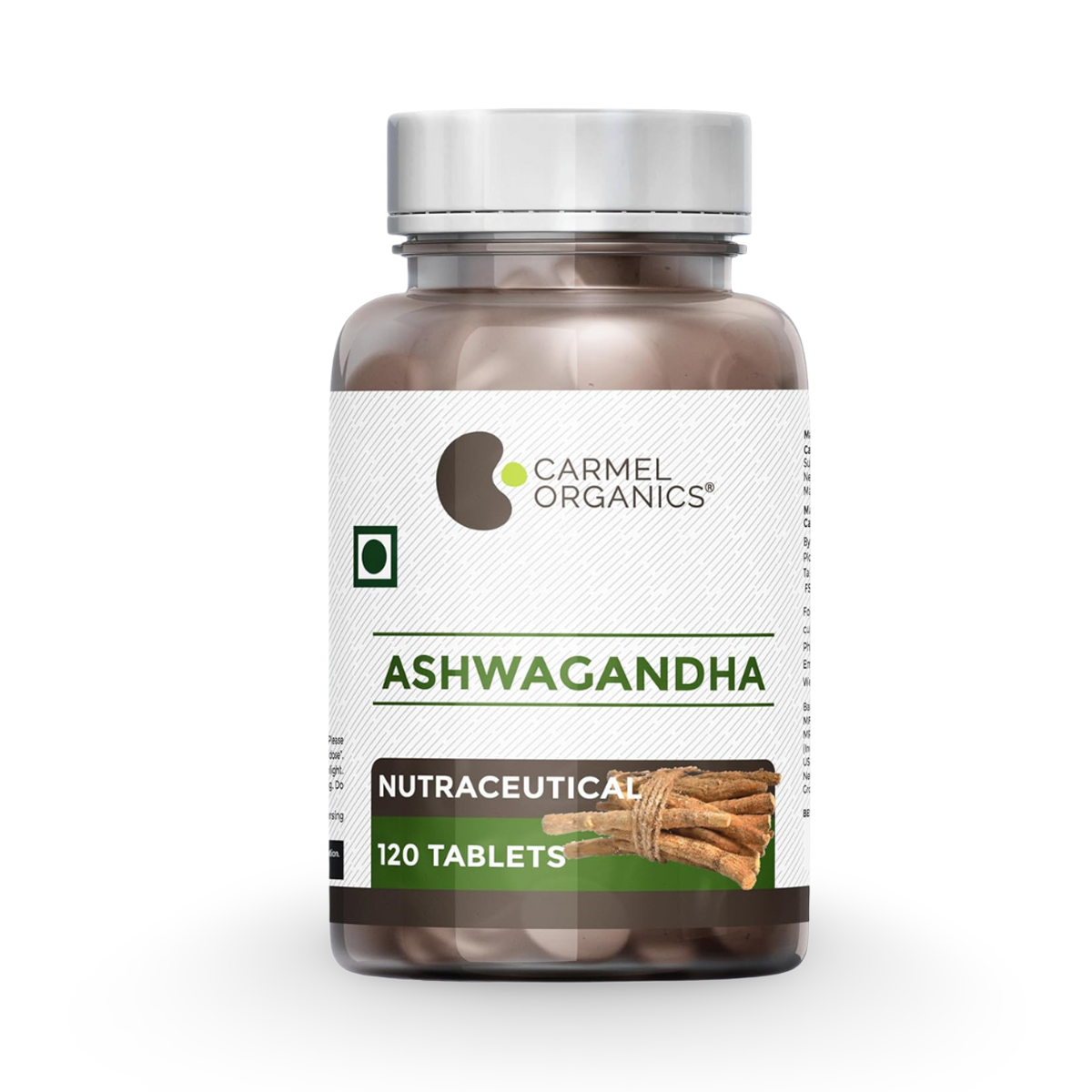
Carmel Organics Ashwagandha Extract Tablets
Symptoms of Adrenal PCOS
The onset of Adrenal PCOS symptoms in the majority of women occurs when they begin menstruating or when they plan to conceive.
Constant symptoms and indications of Adrenal PCOS include:
Irregular Menstrual Cycles

Menstrual cycles that aren’t normal are a sign of both classic PCOS and Adrenal PCOS.
The hormonal imbalance affects ovulation, resulting in unpredictable and typically prolonged menstrual cycles.
Hyperandrogenism
Increased Androgen levels are a key characteristic of Adrenal PCOS.
This may result in symptoms like acne, Hirsutism (excessive hair growth), male-pattern baldness, etc.
Insulin Resistance
Insulin resistance is a common thread between Adrenal PCOS and conventional PCOS.
The body’s reduced sensitivity to Insulin can contribute to weight gain, making it an important symptom to monitor.
Elevated Cortisol Levels
Cortisol levels, when consistently high, can worsen the symptoms of Adrenal PCOS and contribute to Insulin resistance.
Recognizing the symptoms of Adrenal PCOS is important for early detection and effective management.
Adrenal PCOS Treatment
The main focus for treating Adrenal PCOS is to balance Cortisol and reduce DHEA-S levels to within normal limits.
Also, targeting hormonal balance and Insulin sensitivity can help with overall well-being.
For people with Adrenal PCOS, here are some treatment options:
Hormone Regulation
Balancing hormones is a primary focus of Adrenal PCOS treatment.
Doctors may prescribe oral contraceptives or anti-androgen medications to regulate menstrual cycles and balance Androgen levels.
Insulin Sensitizers
Given the link between Adrenal PCOS and Insulin resistance, medications such as Metformin may be prescribed to improve Insulin sensitivity.
This can help manage weight and decrease the risk of developing Type 2 Diabetes.
To learn more about Diabetes and PCOS, read PCOS and Diabetes: A Comprehensive Medical Review
Stress Management

As Cortisol plays a role in Adrenal PCOS, stress management is important.
Meditation, yoga, and some deep breathing exercises can help maintain Cortisol levels and improve overall health.
Some PCOS workouts can also help with stress management. To learn more about such workout, read “PCOS Workouts“
Lifestyle Modifications
Adopting a healthy lifestyle is essential to Adrenal PCOS treatment.
A balanced diet, sufficient sleep, and exercise contribute to hormonal balance and can relieve symptoms of Adrenal PCOS.
To explore more treatment options for PCOS, read Balancing Hormones: A Comprehensive Guide to Effective PCOS Treatment.
Conclusion
Adrenal PCOS can cause hormonal imbalance and make it more challenging to conceive.
Symptoms of PCOS include weight gain, acne, irregular periods, etc.
The initial steps in treating PCOS are making lifestyle modifications like a nutritional diet, exercising, and managing stress.
Several treatment options, like birth control, Metformin, and surgery, can help relieve the symptoms of Adrenal PCOS.
Adrenal PCOS hormonal imbalances and underlying issues can be addressed to restore health and well-being.
Consult a doctor for personalized guidance and treatment options suited to your needs.

Frequently Asked Questions
How should an individual with Adrenal PCOS exercise?
In the case of Adrenal PCOS, it is advisable to prioritize low-intensity cardiovascular exercises like cycling, walking, yoga, and pilates. Consult your doctor to understand the best treatment options for Adrenal PCOS.
Can Adrenal PCOS be reversed?
While complete reversibility of PCOS is not possible, several treatment options are available to relieve its symptoms.
Normal life functioning is achievable for the majority of females with PCOS, barring notable complications.
What is the Adrenal PCOS blood test?
The 17-Hydroxyprogesterone (17-OHP) blood test helps detect Adrenal PCOS. The 17-OHP test is also used to detect late-onset Congenital Adrenal Hyperplasia, another medical disease that might mirror PCOS symptoms.
Is pregnancy possible with Adrenal PCOS?
Yes, pregnancy is possible with Adrenal PCOS. As Adrenal PCOS disrupts ovulation, achieving pregnancy may become more challenging. Several medications are available to increase fertility and the chance to conceive.
What parts of the body does PCOS affect?
PCOS affects the ovaries, adrenal glands, pituitary glands, fat cells, and endocrine pancreas. Consult your doctor for the best-suited treatment options.
Cheap Medicine Shop only refers to credible, authoritative sources for our content. If you're curious about how we ensure the integrity of our content, we encourage you to read our Content Information Policy.