




Many women worldwide are affected by prevalent medical and hormonal conditions known as Polycystic Ovary Disorder (PCOD) and Polycystic Ovary Syndrome (PCOS).
“PCOD” and “PCOS” are two terms that are often mistaken for each other in the field of women’s health.
While both conditions share similarities, they also have distinct characteristics that set them apart.
This article will explore what is PCOD vs PCOS, their symptoms, and available treatment options.
What is PCOD vs PCOS?
Polycystic Ovary Disorder affects the ovaries, leading to the development of small, fluid-filled sacs or cysts.
These cysts disrupt the normal functioning of the ovaries, impacting the menstrual cycle and fertility.
PCOD primarily involves an imbalance in sex hormones, particularly elevated levels of Androgens, the male hormone.
This hormonal imbalance leads to irregular periods, acne, and cyst formation on the ovaries.
Whereas Polycystic Ovary Syndrome, or PCOS, is a more comprehensive term that includes not only ovarian cysts but also a range of metabolic and hormonal irregularities.
It is a syndrome that affects multiple systems in the body.
In addition to ovarian cysts, women with PCOS may experience insulin resistance, which can contribute to weight gain and Diabetes.
Save up to 90% on your medicine bills
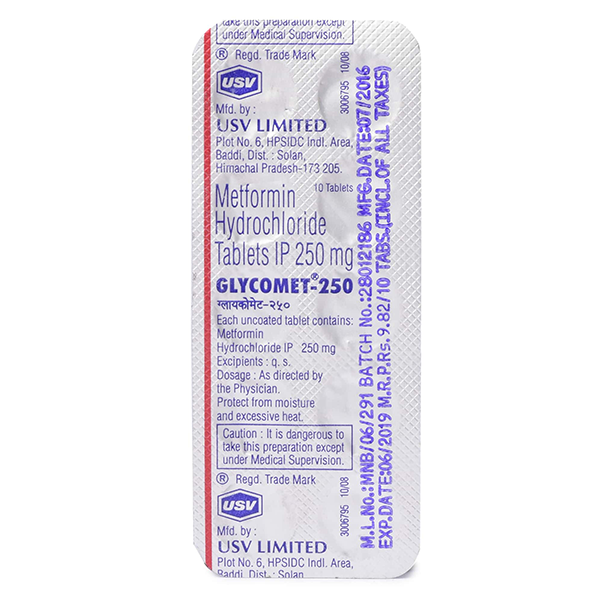
Glycomet 250 Mg

Aldactone 25 Mg
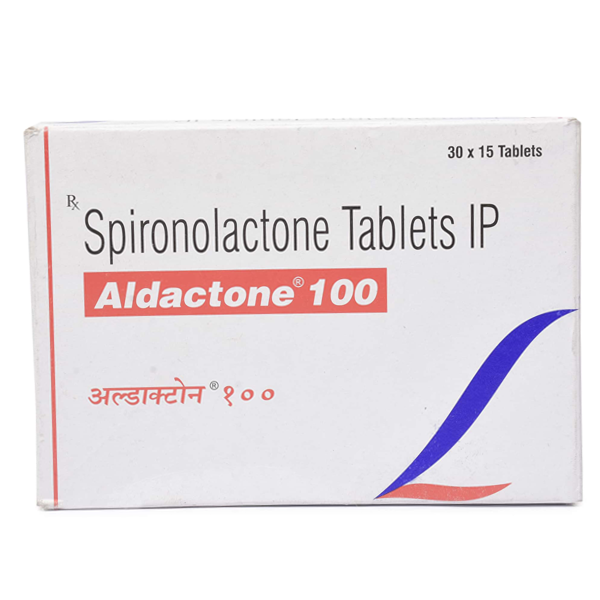
Aldactone 100 Mg
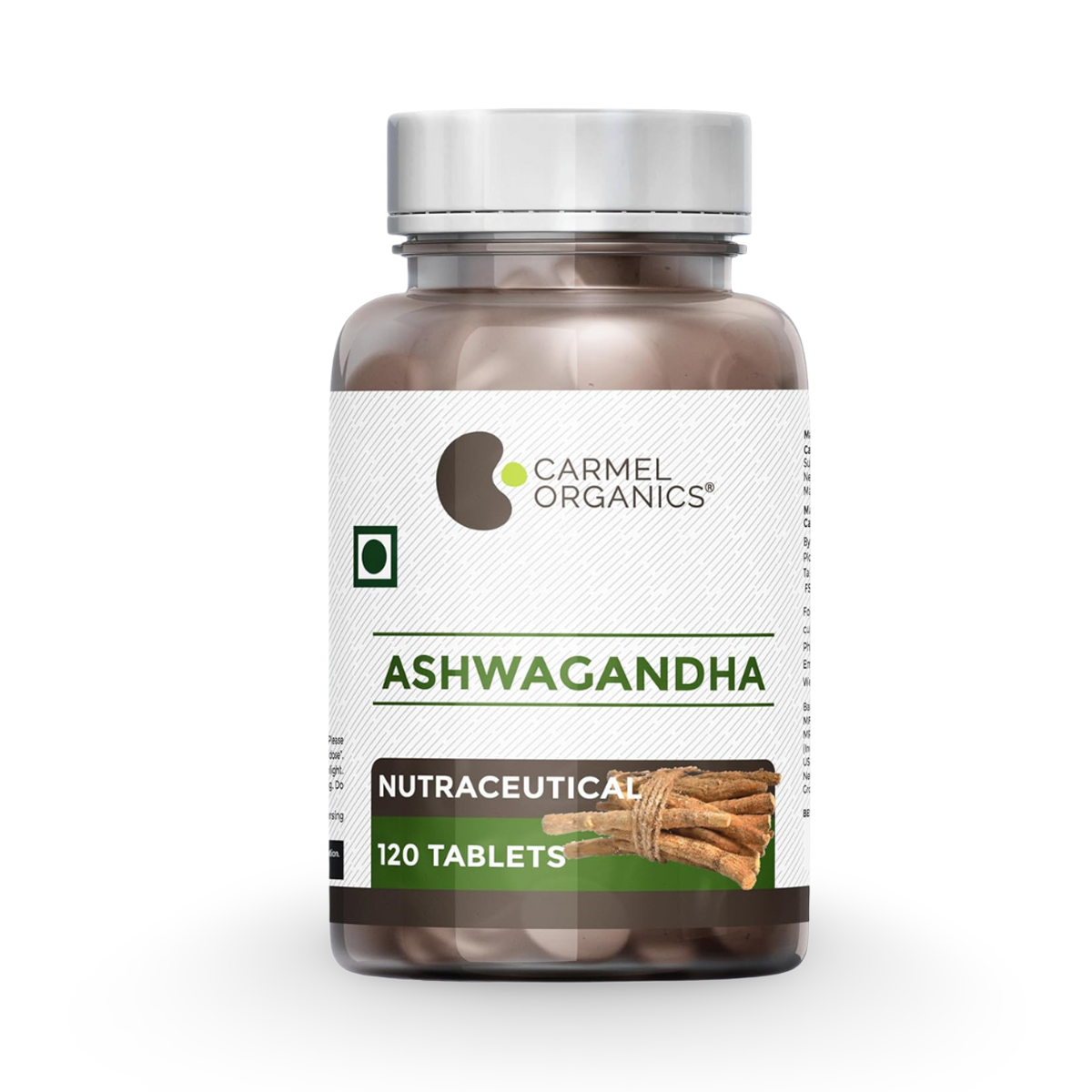
Carmel Organics Ashwagandha Extract Tablets
PCOD vs PCOS Symptoms

PCOD is a subset of PCOS. It may or may not include the metabolic and hormonal symptoms associated with the syndrome.
PCOD symptoms may vary from woman to woman, and not everyone with PCOD will experience the same symptoms.
Common symptoms of PCOD include cysts on the ovaries, irregular periods, mood swings, acne, and facial hair growth.
Due to hormonal imbalances, women with PCOD may also face challenges with fertility.
Whereas PCOS, being a more complex syndrome, presents a wider array of symptoms.
In addition to irregular periods and fertility issues, women with PCOS may experience persistent hormonal disruptions that can affect metabolism.
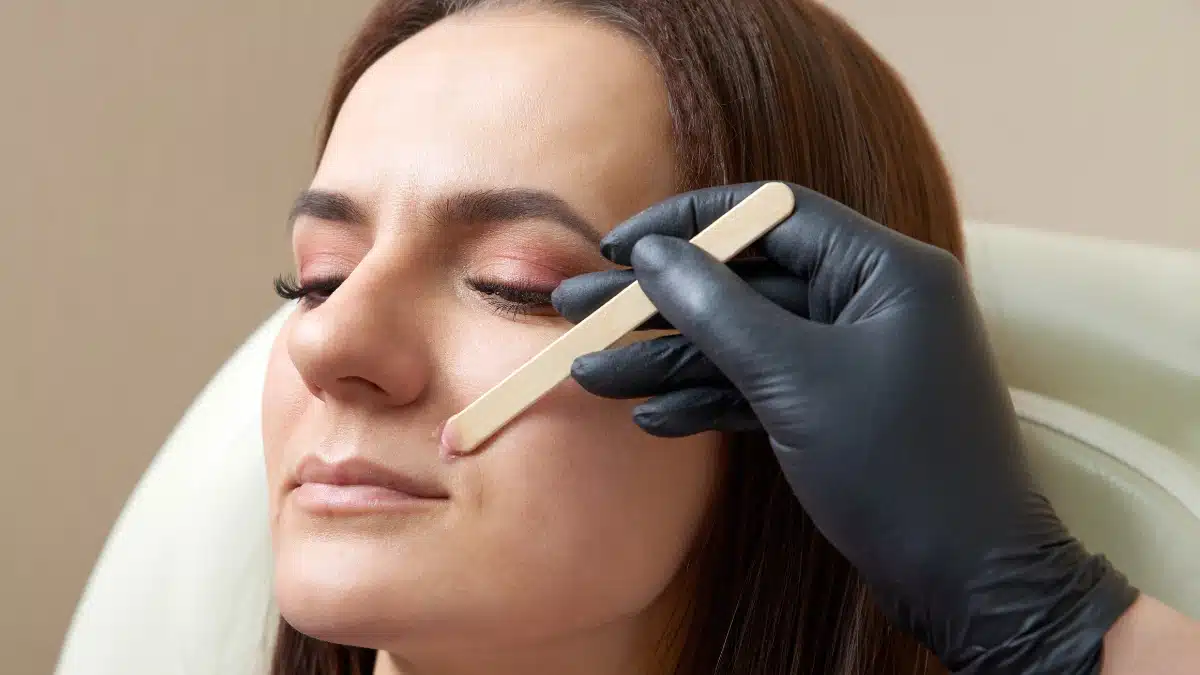
Insulin resistance, weight gain, estrogen imbalance, acne, excessive hair growth (Hirsutism), etc., are the symptoms brought on by PCOS.
One distinctive feature of PCOS is the polycystic ovaries visible on an ultrasound.
PCOD vs PCOS Treatment

The treatment approach for PCOD focuses on managing the symptoms and restoring hormonal balance.
Changes in daily routine, a healthy diet, and exercising or yoga regularly are crucial for managing weight and improving overall well-being.
Hormonal medicines, like birth control pills, may be prescribed to manage symptoms like acne and excessive hair growth and to regulate the menstrual cycle in the treatment of PCOD.
Whereas treatment for PCOS involves an approach that addresses both reproductive and metabolic aspects.
Changes in daily lifestyle, such as a PCOS diet and regular workouts, are fundamental in managing weight and improving insulin sensitivity.
Hormonal contraceptives are commonly prescribed to regulate menstrual bleeding and manage symptoms like acne and Hirsutism.
To learn more about PCOS treatment, read Balancing Hormones: A Comprehensive Guide to Effective PCOS Treatment.
PCOD vs PCOS: A Comparative Overview
Let’s look at a side-by-side comparison to summarize the distinctions between PCOD and PCOS.
| Aspect | PCOD | PCOS |
|---|---|---|
| Definition | Hormonal imbalance affecting ovaries | Comprehensive syndrome with metabolic and hormonal aspects |
| Ovarian Cysts | Present, defining characteristics | Present, but not necessary for diagnosis |
| Symptoms | Irregular periods, acne, weight gain | Irregular periods, acne, Hirsutism, weight gain |
| Metabolic Impact | Limited | Insulin resistance, increased Diabetes risk |
| Fertility Concerns | May affect fertility | Commonly associated with fertility issues |
| Long-term Health Risks | Limited | Increased risk of Diabetes, cardiovascular diseases |
Closure
In conclusion, while PCOD and PCOS share some similarities, understanding the difference between ‘PCOD vs PCOS’ is critical for proper diagnosis and personalized treatment.
PCOD primarily revolves around ovarian cysts and hormonal imbalances, whereas PCOS is a more complex syndrome involving a spectrum of symptoms and metabolic irregularities.
If you suspect that you may be suffering from Polycystic Ovary Syndrome (PCOS) or Polycystic Ovary Disorder (PCOD), seeking consultation with a healthcare professional is important.
A timely diagnosis can help manage the symptoms effectively. So, don’t hesitate to schedule an appointment with a doctor today.

Frequently Asked Questions
Can women with PCOD experience fertility issues?
Yes, women with PCOD may experience fertility issues due to irregular ovulation. However, not all women with PCOD face fertility challenges, and various treatment options are available to address reproductive concerns.
Are lifestyle modifications effective in managing PCOD and PCOS?
Yes, lifestyle modifications, including a balanced diet and regular exercise, are crucial in managing both PCOD and PCOS. These adjustments can help regulate menstrual cycles, control weight, and improve overall well-being.
Is weight gain a common symptom of both PCOD and PCOS?
Yes, significant weight gain is a common symptom of both PCOD and PCOS. Hormonal imbalances can affect metabolism, leading to difficulties in weight management for individuals with these conditions.
Are birth control pills commonly prescribed for managing PCOD and PCOS symptoms?
Yes, healthcare providers often prescribe birth control pills to manage menstrual cycles, acne, and excessive hair growth in individuals with PCOD and PCOS.
Can women with PCOS be at a higher risk for certain health conditions?
Yes, women with PCOS may have a higher probability of health conditions like Type 2 Diabetes, heart disease, and Endometrial Cancer. Regular medical check-ups and lifestyle modifications are essential to address and manage these potential risks.
Cheap Medicine Shop only refers to credible, authoritative sources for our content. If you're curious about how we ensure the integrity of our content, we encourage you to read our Content Information Policy.