




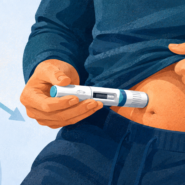



Polycystic ovary syndrome (PCOS) is a hormonal condition and a prevalent and treatable cause of infertility in women.
According to the Centers for Disease Control (CDC), up to 12% of women in the United States have difficulty getting pregnant as a result of untreated PCOS.
The actual prevalence might be higher, considering that nearly 50% of women with PCOS remain undiagnosed or receive inaccurate diagnoses.
The presence of PCOS does not prevent the possibility of pregnancy, but it may require some lifestyle adjustments and medical interventions.
This article talks about PCOS symptoms and how to get pregnant with PCOS to improve the chances of a healthy pregnancy.
PCOS Symptoms

PCOS symptoms, which affect the menstrual cycle and manifest in various ways, may affect fertility and make it difficult to get pregnant.
Some overlooked PCOS symptoms are acne, weight-related challenges, fatigue, mood swings, headaches, and pelvic pain.
Untreated PCOS symptoms increase the risk of health conditions like:
- Type 2 Diabetes
- Sleep Apnea
- Heart disease
- High blood pressure
- High cholesterol
Early diagnosis, lifestyle adjustments, and appropriate treatments are crucial for fertility and overall health.
Save up to 90% on your medicine bills
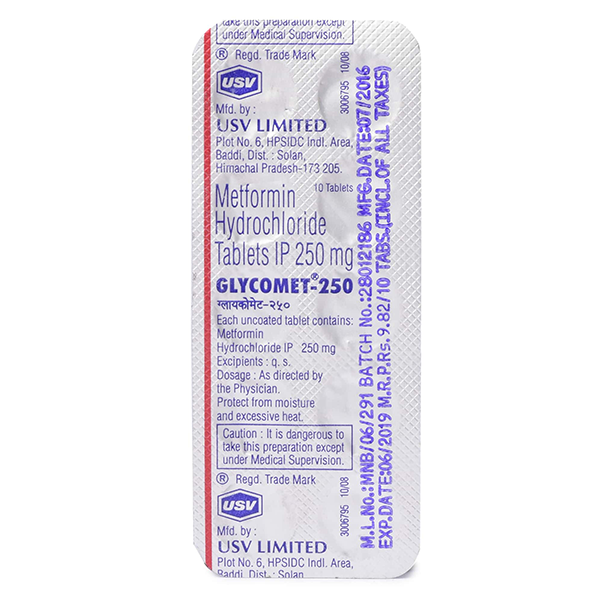
Glycomet 250 Mg

Aldactone 25 Mg
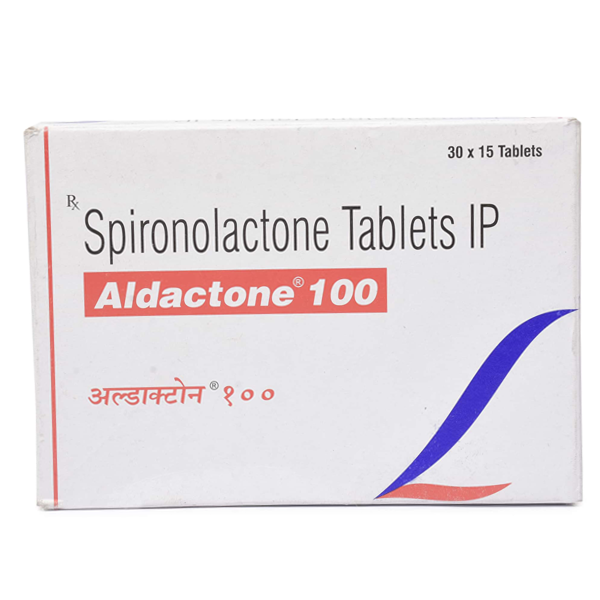
Aldactone 100 Mg
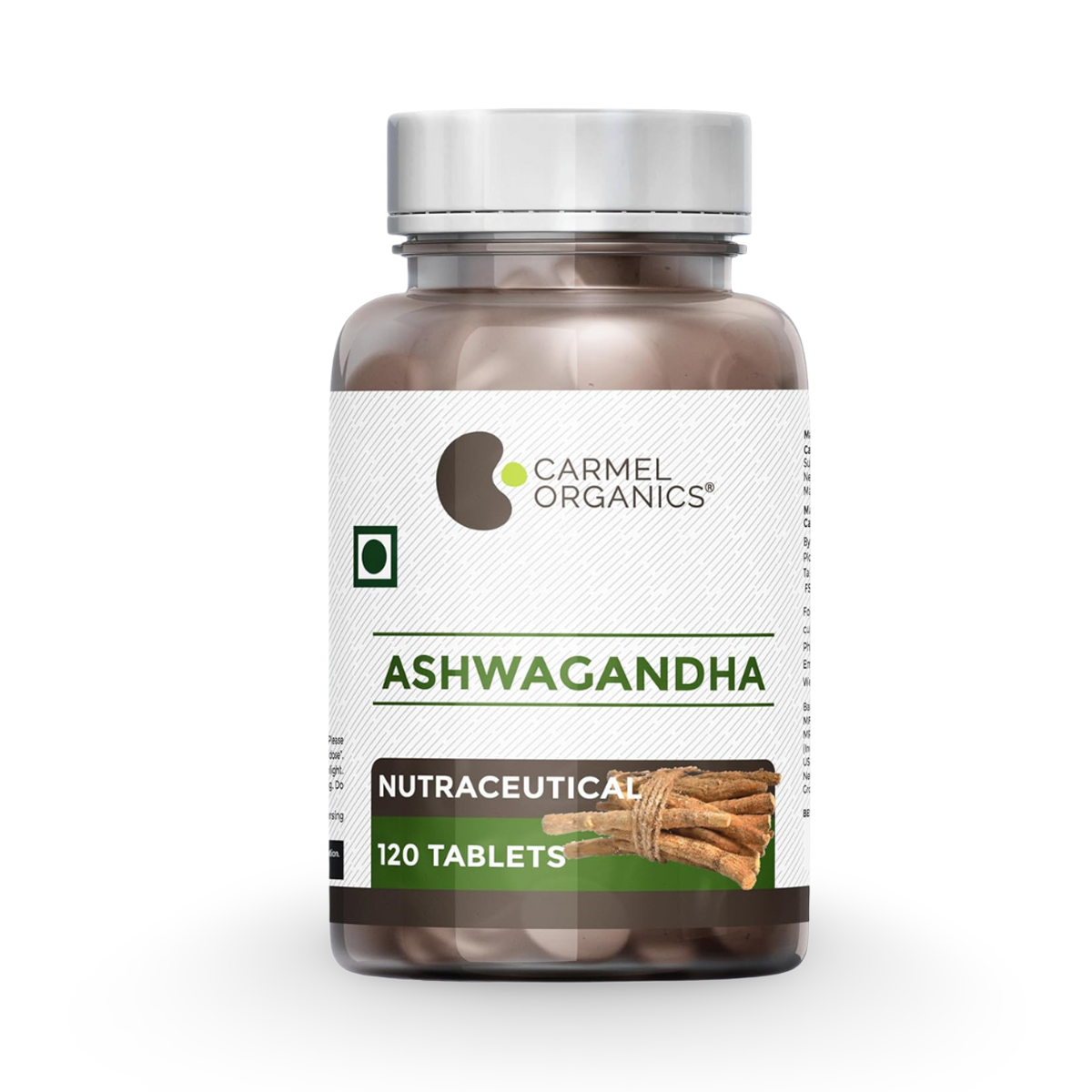
Carmel Organics Ashwagandha Extract Tablets
How to Get Pregnant with PCOS
Usually, getting pregnant with PCOS involves adopting similar measures as women without the condition would for a healthy pregnancy.
Some common measures include consulting a doctor, eating a healthy diet, monitoring blood sugar levels, etc.
Below, we have discussed them in detail:
Maintain a Healthy Weight
While, PCOS is associated with overweight conditions, it is important to note that not all affected women show excess weight.
Achieving a modest weight loss of 5% can improve fertility and relieve other PCOS symptoms.
Include daily exercise, such as walking and strength training, into your routine to keep your weight in check.
Alongside exercise, a balanced diet rich in the following can help with PCOS:
- Fresh and cooked fruits and vegetables
- Whole grains like brown rice, oats, and barley
- Legumes such as beans and lentils
- Lean protein sources like chicken and fish
Nutrition for Pregnancy
Ensuring optimal nutrient levels is crucial for women attempting to conceive.
Replace sugary foods, simple carbs, and unhealthy fats with healthier alternatives.
Consider consulting your doctor about suitable supplements, including Vitamin B9, Vitamin B6, Vitamin B12, Vitamin C, Vitamin D, Vitamin E, and Coenzyme Q10.
Balancing Blood Sugar Levels

Given that PCOS may affect Insulin sensitivity, maintaining balanced blood sugar levels is vital for fertility.
Adopting a healthy diet with increased fiber, protein, and healthy fats, regular exercise, and strength training can enhance Insulin utilization.
In some instances, prescribed medications, such as Metformin, may be recommended to address high blood sugar levels.
Medications for Hormonal Balance
PCOS may disrupt hormonal balance, leading to elevated levels of Testosterone and Estrogen.
Medications like Metformin, Clomiphene Citrate, birth control pills, and fertility medications can be prescribed by your doctor.
According to studies, Clomiphene Citrate helps women with PCOS get pregnant naturally within six cycles.
These medicines can restore hormonal equilibrium and improve the chances of pregnancy.
Fertility Assistance
In vitro fertilization (IVF) may be recommended for individuals struggling to conceive with PCOS.
A fertility specialist will typically conduct a thorough evaluation, including blood tests, ultrasounds, and a physical examination.
IVF presents a chance of pregnancy, with success rates influenced by factors such as age and weight.
A balanced diet and regular exercise before IVF increase its success chances for women with PCOS.
Conclusion
People who have been diagnosed with PCOS can get pregnant. It might require more work and time, but it is possible.
Maintaining a moderate weight, balancing blood sugar levels, and adopting a healthy lifestyle can assist in pregnancy.
While fertility medications alone may work for some, others may benefit from IVF treatment.
The success rates of most treatment options are promising, offering the chance of a positive pregnancy outcome.
For personalized tips on how to treat PCOS, talk to your doctor.

Frequently Asked Questions
Can you get pregnant naturally with PCOS?
Yes, people with PCOS can get pregnant naturally, but it might take them longer to get pregnant than those without PCOS.
Being overweight also decreases fertility, and in addition to PCOS, it adds to the conception issue.
Can someone with PCOS get pregnant at 30?
Yes, most women with PCOS will be able to have a baby with fertility treatment at 30.
But, exact numbers are unavailable because cases vary and different treatments have different success rates.
Does PCOS affect infants born to mothers with PCOS ?
Women with PCOS have an increased risk of pregnancy complications. Babies born to women with PCOS are more likely to die before, during, or after birth or spend time in the Neonatal Intensive Care Unit (NICU).
Which fruits promote fertility?
Citrus fruits are rich in Vitamin C, which boosts female fertility, and hormone levels, and male sperm count and quality. Grapefruits and oranges contain Polyamine Putrescine, which may increase egg and semen health.
How can I increase my chances of getting pregnant with PCOS?
Couples that have intercourse daily or every other day have the highest pregnancy rates. Also, having intercourse near ovulation helps you get pregnant quickly.
Cheap Medicine Shop only refers to credible, authoritative sources for our content. If you're curious about how we ensure the integrity of our content, we encourage you to read our Content Information Policy.