




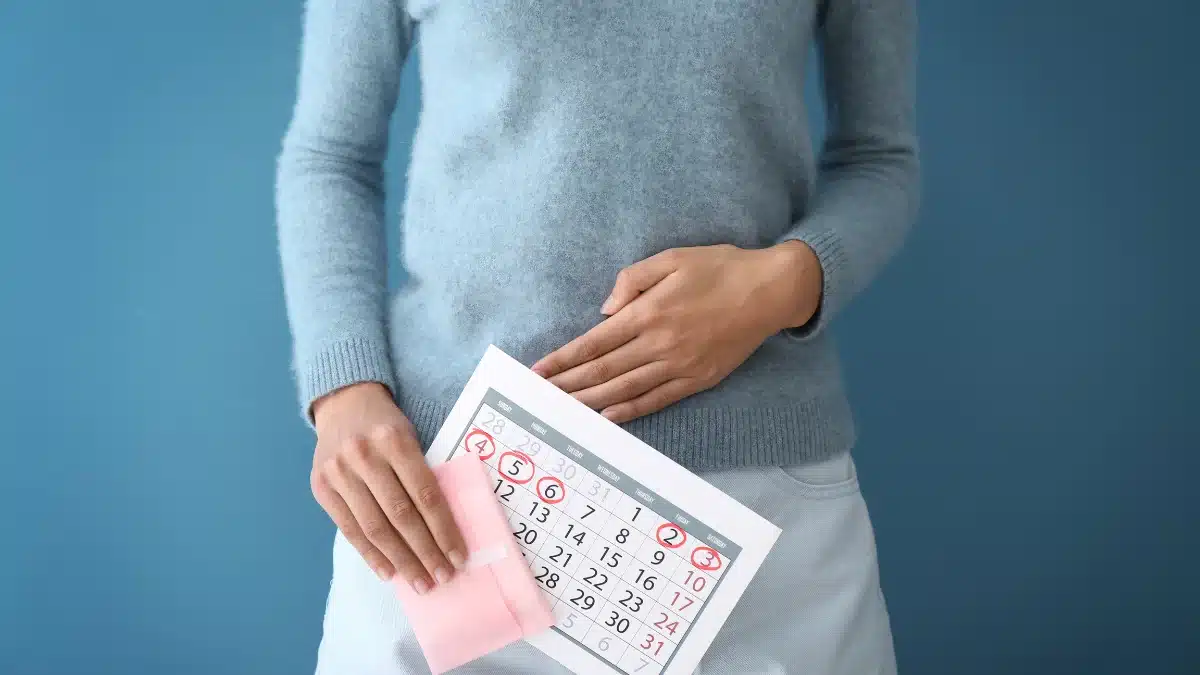

Polycystic Ovary Syndrome (PCOS) is a common problem, and irregular periods are a much more common symptom.
PCOS affects periods in many women, causing them to have long, heavy, and more frequent periods or sometimes no periods at all.
While this may seem like a normal health issue at first that may go away on its own, it can have serious consequences in the long run.
If left untreated, irregular periods with PCOS can cause problems like infertility and Diabetes.
To give you a clear understanding of how to regulate your periods, this article will discuss how to regulate periods with PCOS in detail.
Why Does PCOS Cause Irregular Periods
Polycystic Ovary Syndrome is a hormonal condition characterized by irregular periods, hormonal imbalances, and polycystic ovaries.
While irregular periods are a common characteristic of PCOS, you may be wondering why PCOS causes irregular periods.
People with PCOS generally have higher than normal amounts of Androgens in their body. Androgens are male sex hormones like Testosterone.
Normally, the ovaries in women without PCOS produce an egg monthly for potential fertilization.
When that egg is not fertilized, the egg is released from the body through periods.
In women with PCOS, higher Androgens can affect this ovulation process, due to which an egg may not be released properly. This may disrupt the menstrual cycle in PCOS patients, causing irregular or absent periods.
If you have an irregular menstrual cycle because of PCOS, it is important to consult a doctor for effective management and treatment.
Save up to 90% on your medicine bills
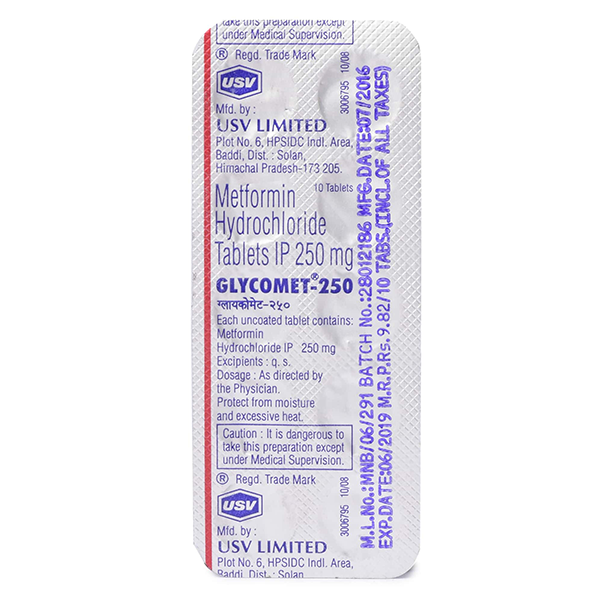
Glycomet 250 Mg

Aldactone 25 Mg
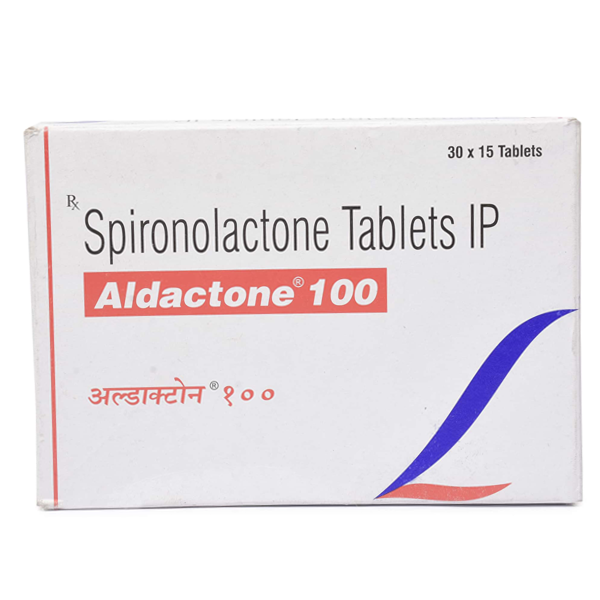
Aldactone 100 Mg
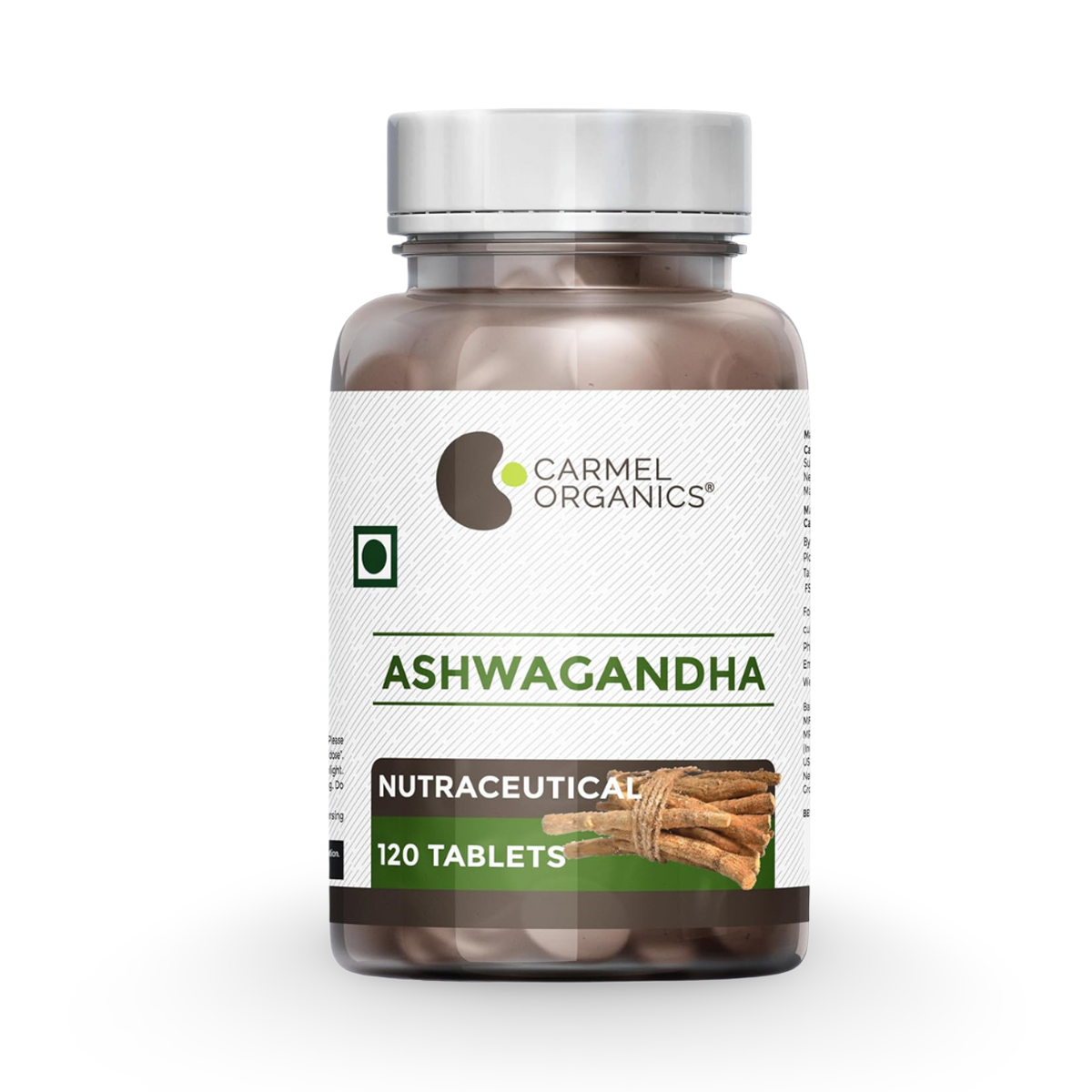
Carmel Organics Ashwagandha Extract Tablets
How to Regulate Periods with PCOS
Regulating periods is an important aspect of the treatment of PCOS. There are several natural ways to regulate periods, like exercise, diet, and sleep.
While these natural treatments can help manage irregular periods effectively, they may not be enough sometimes.
In such cases, medications and supplements may be more beneficial for people with PCOS.
Let’s discuss these methods to regulate periods with PCOS in detail.
Regular Workouts

Working out is not only good for your health, but it can also help people with PCOS.
PCOS-friendly workouts like jogging and swimming can help treat PCOS by managing weight, which may also regulate hormone levels.
Restoring hormonal balance can significantly help regulate periods and other PCOS symptoms.
A Balanced Diet
A multidirectional therapeutic approach is beneficial in the treatment of PCOS.
Such an approach involves a PCOS-friendly diet along with medications and exercise.
A balanced diet rich in proteins, vitamins, and fiber can help.
Foods with antioxidant properties and low glycemic index are especially beneficial for people with PCOS.
Quality Sleep
Good quality sleep is the key to achieving overall health and well-being. It is especially beneficial for women with PCOS, as quality sleep can reduce stress.
Reducing stress helps treat PCOS symptoms by managing hormone levels in the body.
Supplements
Several supplements, such as Inositol, Omega-3 Fatty Acids, vitamins, and Curcumin, can help regulate periods.
Vitamin D deficiency is especially associated with PCOS, so taking vitamin supplements for PCOS may help.
Wondering how does taking vitamin supplements affect PCOS? Read Should You Take Vitamins for PCOS: Revealing The Truth.
Medications
When no other supplements or natural treatments for PCOS improve your menstrual cycle, it may be time to consider taking medications for PCOS.
A medical professional may suggest medications like Metformin, Clomiphene, Ozempic, and birth control pills.
A specific medication is prescribed based on your symptoms and type of PCOS.
To determine which type of PCOS you have, read Beyond the Basics: Exploring Different Types of PCOS.
Takeaway
Polycystic Ovary Syndrome is a hormonal disorder that affects the menstrual cycle in many women.
It can disrupt the menstrual cycle by causing irregular or absent periods. This disruption in periods is often a result of hormonal imbalances caused by PCOS.
When this happens, many women may ask, ‘How to regulate periods with PCOS?’
There are several ways to regulate periods, like exercise, sleep, and a balanced diet. Taking supplements, especially vitamins, may help target the hormonal imbalance directly and improve symptoms.
Medications may need to be considered when these natural ways to treat PCOS are not enough. Generally, Metformin is a first-choice medication in the treatment of PCOS.
These medications can help regulate periods by addressing the underlying cause of hormonal imbalance.
If you have irregular periods, it is important to seek medical advice for effective management and treatment.

Frequently Asked Questions
Can quitting smoking positively impact menstrual regularity in PCOS?
Yes, smoking can affect hormonal balance. Quitting may improve overall health, potentially contributing to more regular menstrual cycles in PCOS.
How does weight loss contribute to regulating menstrual cycles in PCOS?
Excess weight can contribute to hormonal imbalances, which can cause PCOS. Weight loss through a healthy diet and exercise may help regulate periods by improving overall hormonal health.
Can maintaining a consistent daily routine help regulate periods with PCOS?
Yes, establishing a regular daily routine, including consistent meal times and sleep schedules, can help regulate hormonal balance and support menstrual regularity in PCOS.
Can acupuncture or acupressure contribute to menstrual regulation in PCOS?
Some studies suggest that acupuncture may have positive effects on menstrual regularity in PCOS. However, more research is needed, and individual responses vary.
How does hydration impact menstrual cycles in individuals with PCOS?
Staying adequately hydrated is important for people with PCOS. Dehydration can affect hormonal balance, so maintaining proper fluid intake may contribute to more regular menstrual cycles.
Cheap Medicine Shop only refers to credible, authoritative sources for our content. If you're curious about how we ensure the integrity of our content, we encourage you to read our Content Information Policy.