



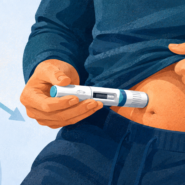



The delicate balance between the menstrual cycle and fertility is a subject that holds significant importance for many women.
Polycystic Ovary Syndrome (PCOS) is a common hormonal condition that can influence both these aspects of reproductive health.
PCOS can affect a woman’s menstrual cycle and ability to conceive.
This article will explore the relationship between PCOS and fertility and its treatment options, including the role of diet in managing PCOS-related fertility issues.
PCOS and Fertility
PCOS affects women’s hormonal balance and forms small cysts on the ovaries.
Because of this, women with PCOS may experience irregular periods and may also face challenges in terms of fertility.
The menstrual cycle is a delicate process that involves numerous hormones working together.
When this balance is disrupted, it can negatively impact a woman’s fertility and her ability to conceive.
In PCOS, elevated levels of Androgens, or male hormones, can lead to irregular ovulation or even the release of eggs.
This irregularity in the release of eggs significantly diminishes the chances of conception.
Insulin resistance can increase insulin production, stimulating the ovaries to produce more Androgens and disturbing hormonal imbalances.
To learn more about how insulin resistance can lead to PCOS, Read Connecting the Dots Between Insulin Resistance and PCOS.
Save up to 90% on your medicine bills
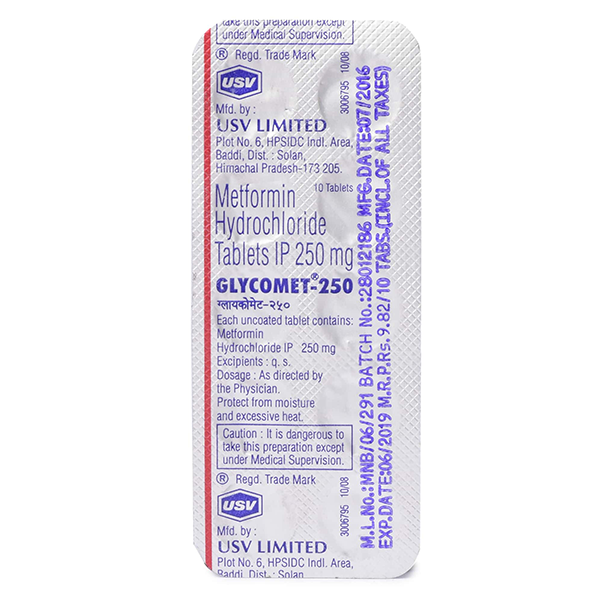
Glycomet 250 Mg

Aldactone 25 Mg
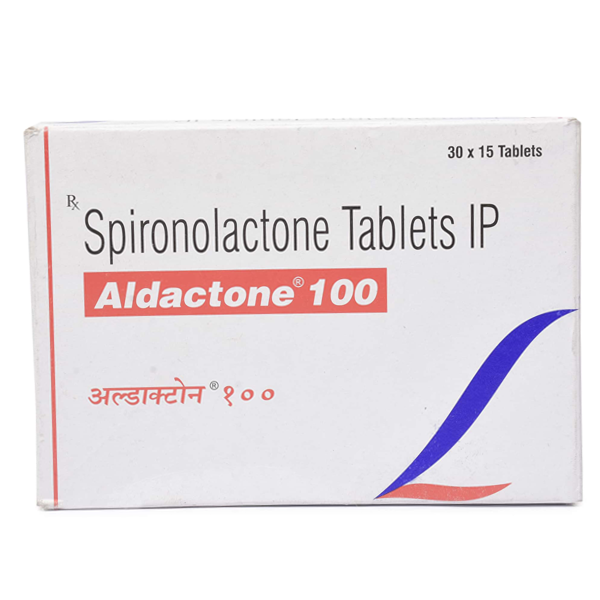
Aldactone 100 Mg
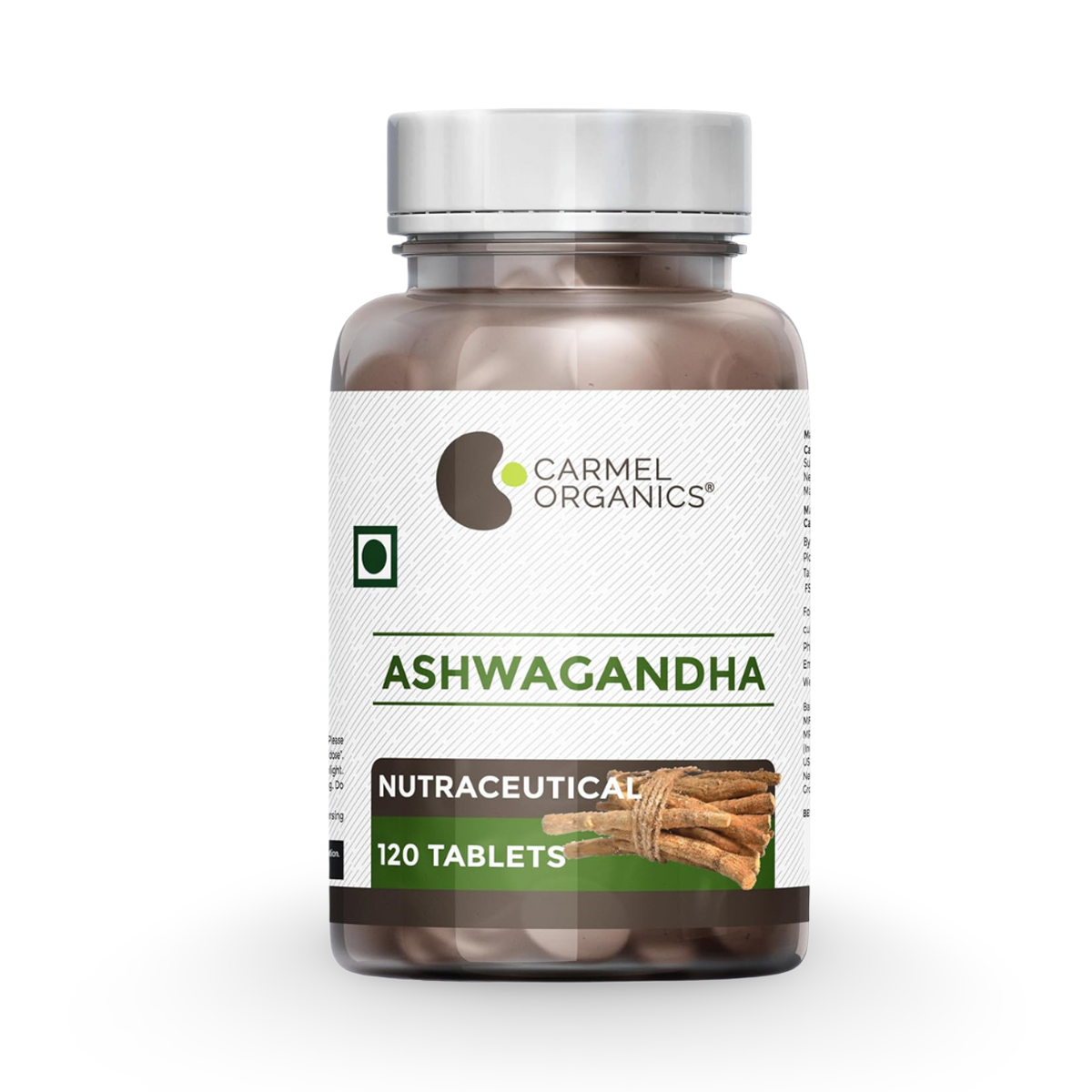
Carmel Organics Ashwagandha Extract Tablets
PCOS and Fertility Treatment
When facing fertility challenges related to PCOS, seeking medical guidance is important.
One common approach is the use of medications to induce ovulation.
Clomiphene Citrate is often prescribed to stimulate the ovaries, promoting the release of eggs.
If medications alone do not work, doctors may suggest assisted reproductive technologies such as In Vitro Fertilization (IVF) to help with fertility challenges related to PCOS.
Making lifestyle changes is crucial in managing fertility issues related to PCOS.
Weight management is particularly important, as being overweight can worsen Insulin resistance and hormonal imbalances.
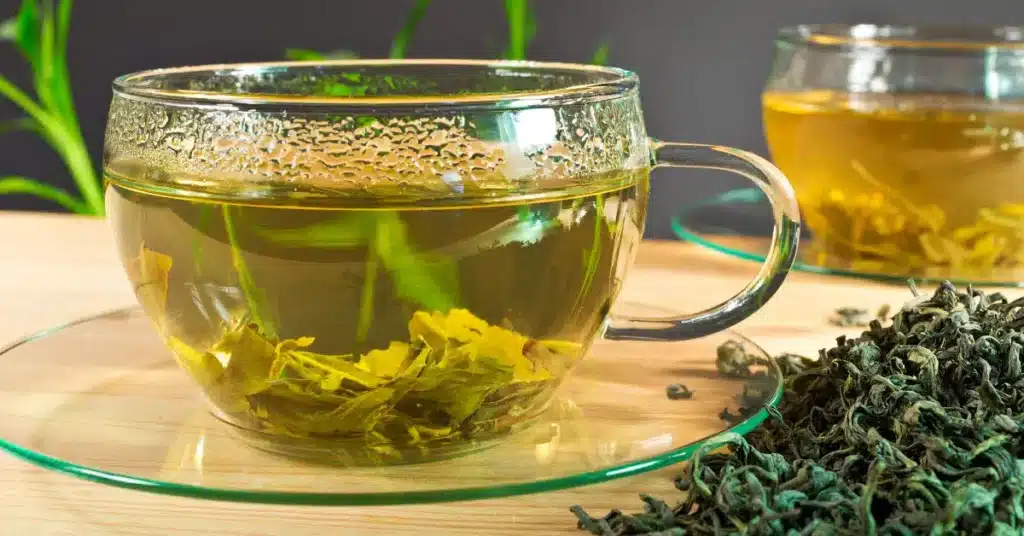
Certain herbs in herbal teas offer potential benefits for women dealing with PCOS. Spearmint tea, for example, has been studied for its potential to reduce Androgen levels.
By addressing elevated Androgens, spearmint tea may contribute to a more regular menstrual cycle, increasing the likelihood of ovulation.
Green tea, rich in antioxidants, has also been explored for its potential to improve Insulin sensitivity.
PCOS often involves Insulin resistance, and effectively managing it can have a positive effect on hormonal balance and fertility.
While tea can be a complementary element in managing PCOS-related fertility challenges, it should not replace medical interventions or prescribed PCOS treatments.
To learn more about other medications for managing PCOS symptoms, read PCOS Medication: Understanding Treatment Options.
Diet for PCOS and Fertility

Diet has a crucial role in managing symptoms of PCOS and optimizing fertility.
A balanced, nutrient-dense diet can help regulate Insulin levels, reduce inflammation, and support overall reproductive health.
Let’s look at the foods to include in your diet to promote reproductive health.
Low-glycemic foods: Choosing foods with a low glycemic index can help stabilize blood sugar levels. This includes whole grains, legumes, and non-starchy vegetables.
These foods promote a gradual increase in blood sugar, reducing the Insulin spikes that can contribute to Insulin resistance.
Adequate protein: Sufficient vitamins and protein in the diet are essential for women with PCOS.
Including protein-rich foods in the PCOS diet can help women with PCOS maintain an ideal weight and promote hormonal balance.
To learn more about how PCOS influences weight, read PCOS Weight Gain: Can PCOS Increase Your Weight?
Healthy fats: Adding healthy fats, such as avocados, nuts, seeds, and olive oil, can affect hormonal regulation.
Adding sources of omega-3 to the diet can be an effective way to manage PCOS-related fertility challenges in combination with medication, fertility treatment, and lifestyle changes.
Not all foods and fruits are beneficial for PCOS, and some foods need to be avoided.
To learn more about foods that must be avoided, read Diet for PCOS: Find Out What Foods to Avoid With PCOS.
Controlled portions: Managing portion sizes is important for weight loss, which can positively impact Insulin sensitivity and hormone balance.
Eating smaller, more frequent daily meals can help regulate blood sugar levels.
To learn more about various weight loss diets available for PCOS, read this article- A Comprehensive Weight Loss Diet for PCOS.
Hydration: Maintaining adequate hydration is essential for promoting overall health and well-being.
Opting for water as the primary beverage and reducing the intake of sugary drinks and snacks can support weight management and hormonal balance.
A balanced diet could help women manage PCOS symptoms and conceive successfully.
To learn more about how to get pregnant with irregular periods and PCOS, read Fertility Success: How to Get Pregnant with PCOS.
Conclusion
Managing the complex relationship between PCOS and fertility involves an approach that includes prescribed medical treatments and lifestyle adjustments.
PCOS affects hormonal balance, forms ovarian cysts, disrupts the menstrual cycle, causes irregular ovulation, diminishes chances of conception, and worsens hormonal imbalances due to insulin resistance.
Personalized treatment plans and a balanced diet can enhance the chances of a successful pregnancy, in addition to medications, fertility treatments, and lifestyle modifications.
It’s important for women to recognize various symptoms of PCOS beyond just irregular periods and consult a medical professional immediately for timely intervention.
Do you also want to know if a PCOS person gets pregnant with irregular periods, read this article – Can a PCOS person get pregnant with irregular periods?

Frequently Asked Questions
Is it possible to conceive naturally with PCOS?
Yes, some women with PCOS can conceive naturally, especially with lifestyle modifications and proper medical guidance. However, individual experiences vary, and professional consultation is recommended.
Can PCOS-related fertility issues be hereditary?
Yes, PCOS-related fertility issues can be hereditary. Women with a family history of PCOS may have a higher likelihood of experiencing fertility challenges. However, lifestyle factors also play a significant role.
Is irregular menstruation the only sign of PCOS-related fertility issues?
No, in addition to irregular periods, symptoms such as excessive hair growth, acne, and scalp hair thinning may indicate PCOS. Identifying and addressing these symptoms early can improve fertility outcomes.
Can PCOS affect the quality of eggs released during ovulation?
Yes, PCOS may lead to the release of immature eggs during ovulation, impacting fertility. Fertility treatments and medications aim to address this issue by promoting the release of mature, viable eggs.
Is there a specific age range when PCOS-related fertility issues are more common?
Yes, women with PCOS may face a higher risk of fertility challenges, especially as they approach their late 20s and early 30s. Timely intervention and family planning discussions are crucial during this period.
Cheap Medicine Shop only refers to credible, authoritative sources for our content. If you're curious about how we ensure the integrity of our content, we encourage you to read our Content Information Policy.