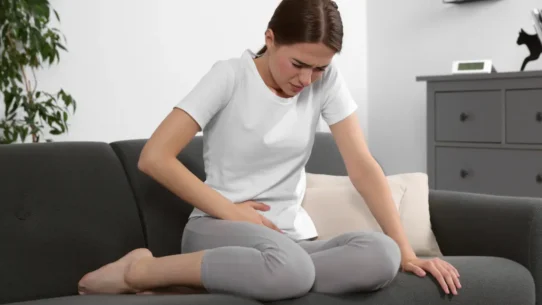








Polycystic Ovarian Syndrome (PCOS) is an endocrine condition that affects women of reproductive age.
PCOS and reproductive stages have been linked traditionally, but the connection has become less clear in recent years.
The article aims to answer ‘Can you develop PCOS later in life?’
The importance of recognizing PCOS in older women is to help relieve the symptoms.
This article provides information about PCOS and how it can develop during menopause or perimenopause.
Factors Influencing Late-Onset of PCOS
Hormonal fluctuations, lifestyle choices, and familial genetics all have an impact on late-onset Polycystic Ovarian Syndrome (PCOS).
Some women may inherit a tendency to develop PCOS later in life, meaning that PCOS may be genetic.
Hormonal fluctuations that occur during perimenopause and menopause may also have an impact on how PCOS symptoms present.
Furthermore, dietary habits, lack of physical activity, and stress all raise the possibility of developing late-onset PCOS.
Doctors must understand these factors to diagnose and treat this medical condition properly.
Want to know more about the connection between PCOS and genetics? Read Unraveling the Facts: Is PCOS Genetic?
Save up to 90% on your medicine bills
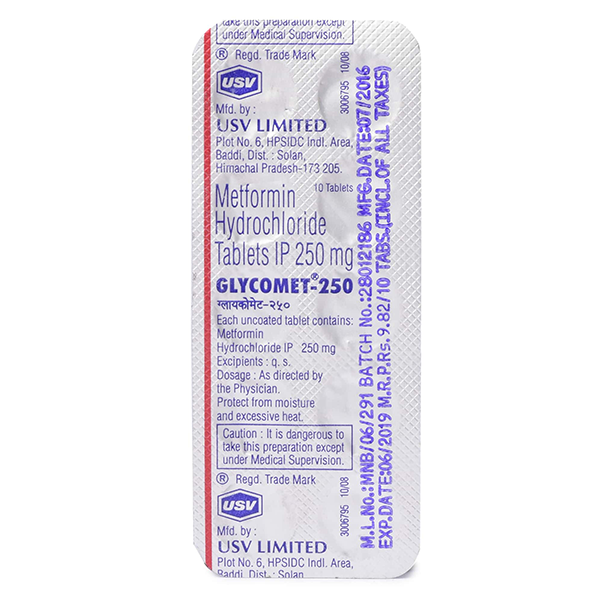
Glycomet 250 Mg

Aldactone 25 Mg
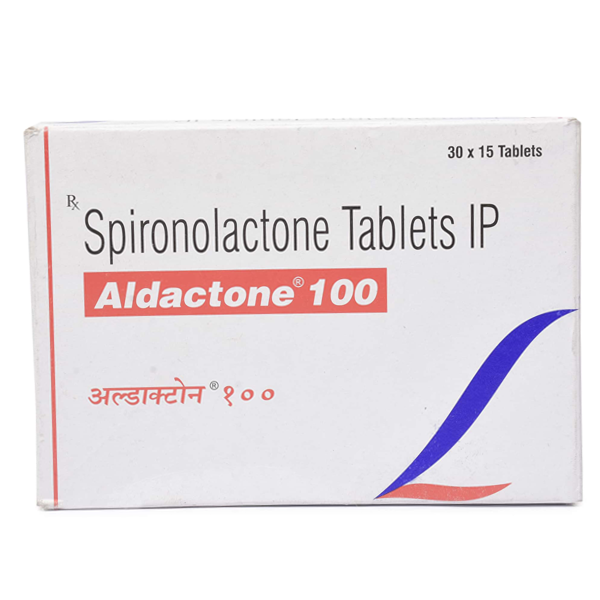
Aldactone 100 Mg

Carmel Organics Ashwagandha Extract Tablets
Can You Develop PCOS Later in Life

It is possible for women to develop PCOS in their later years.
Stress, obesity, and an inactive lifestyle can worsen the symptoms of PCOS, making it more likely for women to experience them later in life.
The hormonal changes that occur during perimenopause and menopause may not be the cause of PCOS symptoms in older women.
Some symptoms of PCOS, such as irregular periods, weight gain, mood changes, and sleep difficulties, overlap with those of perimenopause and menopause.
A research suggests that PCOS does not disappear as women get into menopause.
However, because PCOS and the symptoms of other conditions are similar, diagnosing PCOS in older women can be difficult.
For women experiencing late-onset PCOS, it is essential to have a comprehensive understanding and awareness of the condition.
Treatment and Management

Medication and lifestyle changes are essential in treating late-onset PCOS.
To effectively manage symptoms and regulate menstrual cycles, hormonal therapies such as birth control pills or Insulin-sensitizing medications are frequently prescribed.
The key to achieving optimal results is to create a personalized treatment plan customized to the unique health needs of each woman.
Lifestyle changes that include regular exercise, stress management, and a balanced diet are also important.
Frequent physical activity, like brisk walking or cycling, enhances general well-being while helping maintain a healthy weight.
Research suggests that engaging in at least 120 minutes of intense exercise per week helps lower your risk of PCOS complications.
Although frequently overlooked, getting enough sleep is essential for controlling hormones.
Women with late-onset PCOS should consult with doctors to figure out the best combination of lifestyle and medication adjustments for their particular needs.
Want to know about the best birth control for PCOS? Read Choosing the Best Birth Control for PCOS.
Conclusion
Polycystic Ovarian Syndrome (PCOS) is a medical condition that affects women of reproductive age.
PCOS is generally associated with reproductive age, but above, we have discussed the answer to the question, ‘Can you develop PCOS later in life?’.
Women are more likely to develop PCOS later in life because stress, obesity, and a sedentary lifestyle can make the condition worse.
A balanced diet, regular physical activity, and stress reduction are important lifestyle adjustments.
Consult a doctor for personalized treatment and to identify the signs and difficulties of PCOS.

Frequently Asked Questions
What challenges exist in diagnosing PCOS in older individuals?
Diagnosing PCOS in older individuals poses challenges due to overlapping symptoms with age-related changes.
Hormonal fluctuations during perimenopause may mimic PCOS symptoms, necessitating careful evaluation.
Additionally, distinguishing PCOS from other health conditions becomes crucial, emphasizing the importance of thorough diagnostic assessments and consideration of individual health histories.
Can late-onset PCOS be mistaken for other health conditions?
Yes, late-onset PCOS can be mistaken for other health conditions due to overlapping symptoms.
Conditions such as thyroid disorders or ovarian tumors may share similar characteristics.
Accurate diagnosis requires thorough medical evaluation, including hormone tests and imaging, to differentiate between these conditions and ensure appropriate treatment.
How can healthcare professionals differentiate between normal aging and symptoms of PCOS in older women?
Healthcare professionals distinguish between normal aging and PCOS symptoms in older women by assessing hormonal profiles, menstrual irregularities, and clinical symptoms.
Comprehensive evaluations, including ultrasound and blood tests, help confirm the diagnosis.
Timely recognition ensures appropriate management, considering the unique aspects of PCOS presentation in the later stages of a woman’s life.
Can exercise help prevent the late onset of PCOS?
Yes, regular exercise plays an important role in preventing late-onset PCOS.
Physical activity helps maintain a healthy weight, improves Insulin sensitivity, and reduces the risk of hormonal imbalances.
Engaging in moderate-intensity exercises can contribute to overall well-being and lower the likelihood of developing PCOS later in life.
Are there specific considerations for managing PCOS in postmenopausal women?
Yes, managing PCOS in postmenopausal women requires a tailored approach.
Hormone replacement therapy may be considered cautiously, and lifestyle interventions such as maintaining a healthy weight and regular exercise are important.
Regular health check-ups and addressing specific symptoms contribute to effective management at this stage of life.
Cheap Medicine Shop only refers to credible, authoritative sources for our content. If you're curious about how we ensure the integrity of our content, we encourage you to read our Content Information Policy.