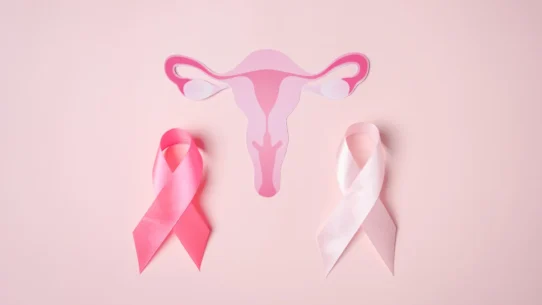




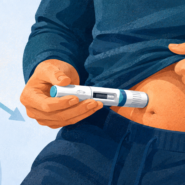



Women of reproductive age frequently experience Polycystic Ovary Syndrome (PCOS), a prevalent hormonal disorder.
Irregular menstrual cycles are among the numerous symptoms that are frequently related to PCOS.
Heavy menstrual bleeding during these irregular menstrual cycles can have a major impact on a woman’s physical and emotional well-being.
This article will explain the question, ‘Why does PCOS cause heavy periods?’
Additionally, we will look at the underlying causes of PCOS and its implications on women.
Understanding PCOS and the Menstrual Cycle
In Polycystic Ovary Syndrome, there is an increase in the levels of Androgens (male hormones) and the formation of cysts on ovaries.
PCOS is a complex condition with various symptoms, including irregular menstrual cycles, infertility, acne, and Hirsutism (excessive hair growth).
A regular menstrual cycle lasts around 28 days, and in individuals with PCOS, these days may vary.
Hormonal imbalance leads to irregular ovulation or, in some cases, the absence of ovulation altogether.
This irregularity in periods is a key factor contributing to heavy periods in individuals with PCOS.
To learn more about PCOS symptoms, read Unveiling the Hidden Signs: Understanding PCOS Symptoms.
Save up to 90% on your medicine bills
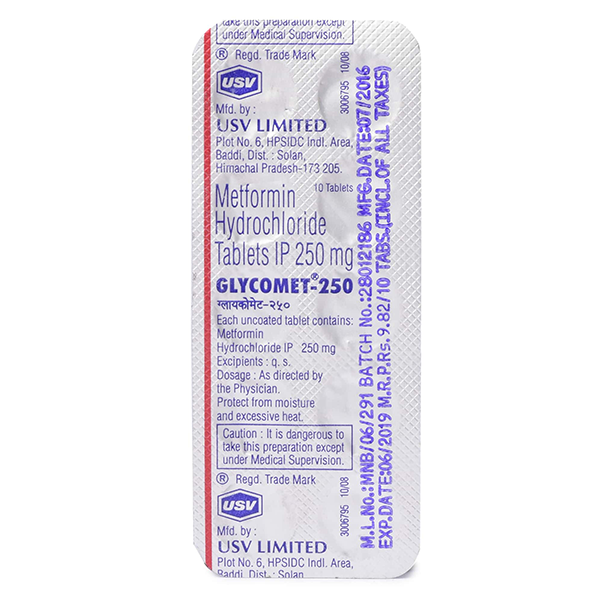
Glycomet 250 Mg

Aldactone 25 Mg
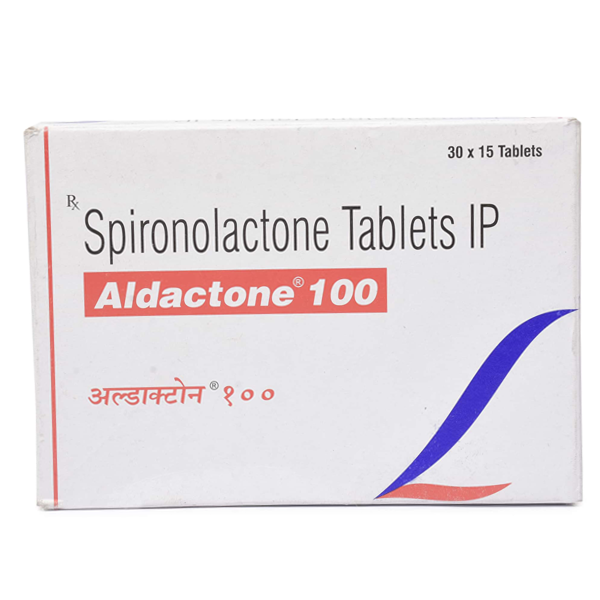
Aldactone 100 Mg
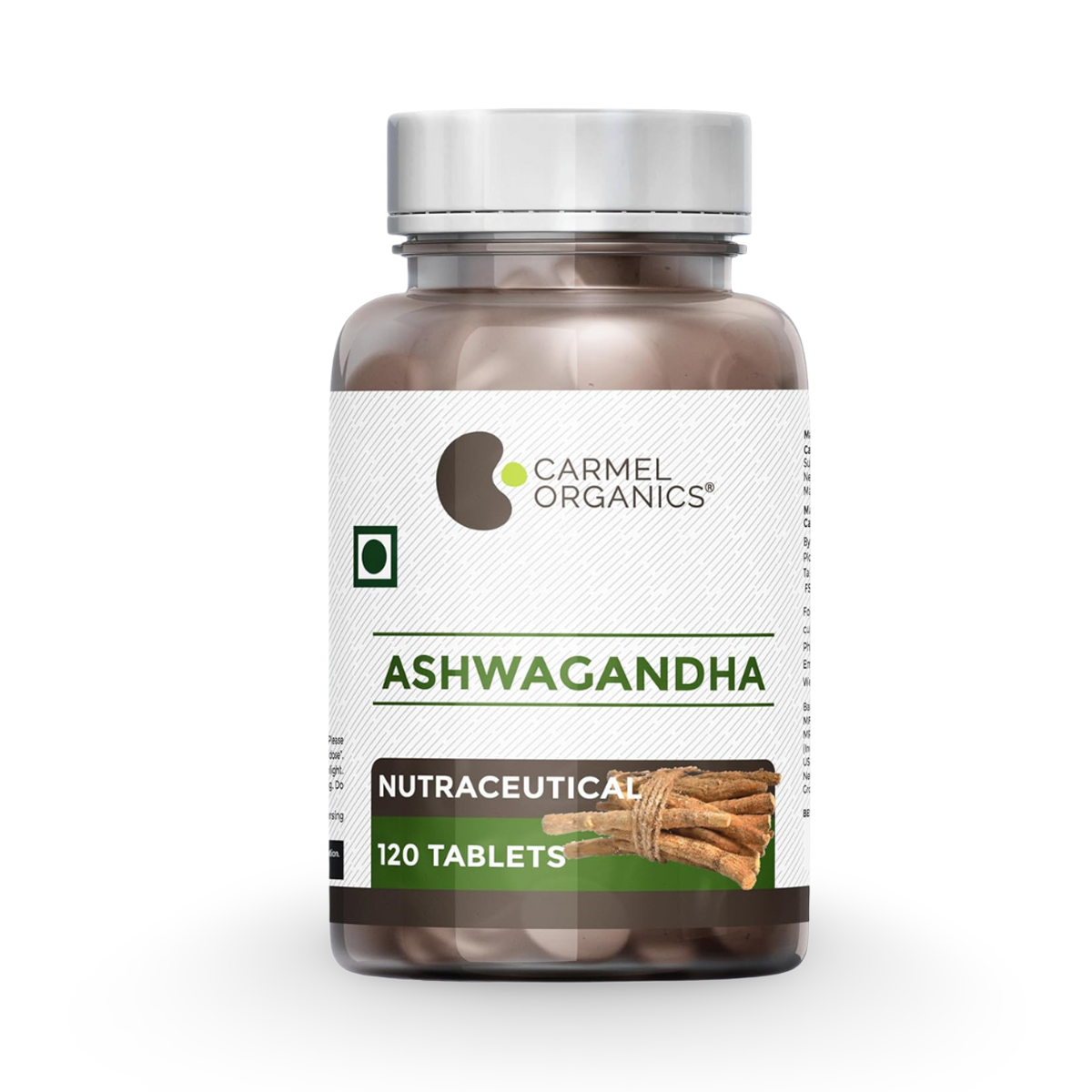
Carmel Organics Ashwagandha Extract Tablets
Why does PCOS cause heavy periods
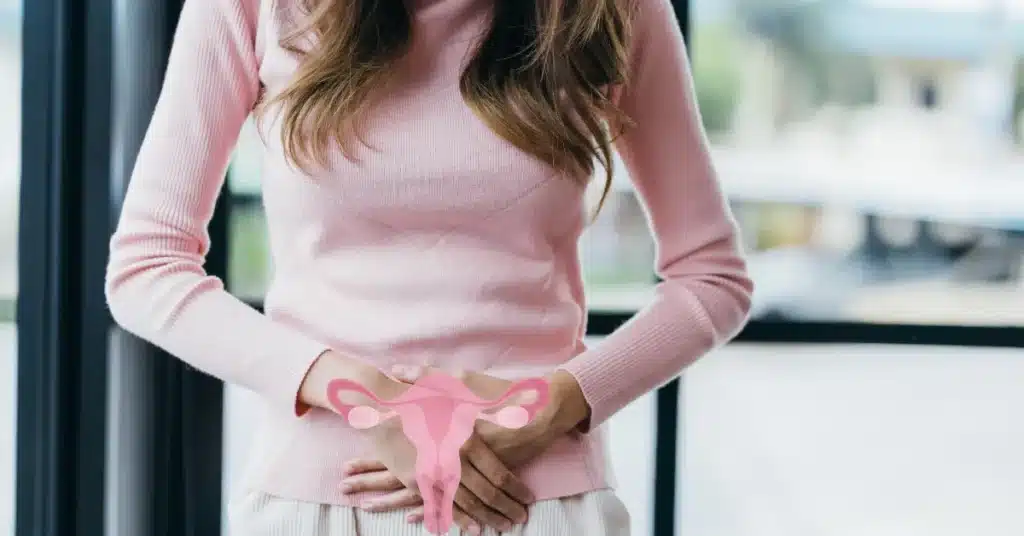
Conditions like Hyperandrogenism and Insulin resistance are the leading causes of irregular and heavy periods in PCOS.
Below, we have discussed these conditions in detail and how they cause heavy periods.
Hyperandrogenism
The elevated levels of Androgens, such as Testosterone, associated with PCOS contribute to a condition known as Hyperandrogenism.
This hormonal imbalance affects the development of cysts on the ovaries and directly impacts the Endometrium (inner lining of the uterus).
Research suggests that Hyperandrogenism can lead to an overgrowth of the endometrial tissue, making it thicker than usual.
When menstruation occurs, this excessive tissue results in heavier bleeding.
Additionally, elevated Androgen levels worsen the irregularity and intensity of periods in individuals with PCOS.
Insulin Resistance and Inflammation
Insulin is a hormone that helps maintain blood sugar levels.
In Insulin resistance, the body resists its effects, and the pancreas makes more Insulin to compensate.
Elevated Insulin levels might increase Androgen production in the ovaries, worsening the hormonal imbalance in women with PCOS.
Insulin resistance also plays a role in promoting inflammation in the body.
Chronic inflammation can affect various organs, including the ovaries and the uterus.
Also, inflammation may contribute to the abnormal thickening of the endometrial lining, leading to increased menstrual flow.
To better understand PCOS and Insulin resistance, read Connecting the Dots Between Insulin Resistance and PCOS
Treatment Approaches

Managing heavy periods in individuals with PCOS involves addressing the underlying hormonal imbalances and associated factors.
Hormonal contraceptives, like birth control pills, are commonly prescribed to adjust menstrual cycles and reduce the volume of blood flow.
These contraceptives contain Estrogen and Progestin, which help regulate hormonal fluctuations and irregular periods.
In cases where hormonal contraceptives are not suitable, other medications may be considered.
Lifestyle modifications have an important role in managing PCOS and its associated symptoms.
Regular workouts, weight management, and a healthy diet can help with PCOS by improving Insulin sensitivity and balance hormones.
To explore more about PCOS treatment options, read Balancing Hormones: A Comprehensive Guide to Effective PCOS Treatment.
Conclusion
PCOS is a complex hormonal disorder with a wide range of symptoms, including irregular and heavy periods.
Above, we have answered the question, ‘Why Does PCOS Cause Heavy Periods?’
Hormonal imbalances, irregular ovulation, Hyperandrogenism, Insulin resistance, and inflammation lead to heavy menstrual bleeding in individuals with PCOS.
Effective heavy-period treatments require understanding the root causes.
While medications can provide relief, lifestyle modifications can also help with PCOS management.
Consult a doctor for treatment options to improve reproductive health and well-being.

Frequently Asked Questions
Can blood clots during periods result from PCOS?
Yes, blood clots during periods can result from PCOS. The body releases anticoagulants to keep the blood from clotting.
In women with PCOS, the anticoagulants can’t keep up with the rapid bleeding during periods and result in blood clots.
How can I tell if my PCOS is improving?
Your PCOS is improving if your menstrual cycle becomes more regular. Also, the black patches on your skin will fade away, and your skin will get clearer.
Seek medical advice if you experience severe PCOS symptoms for proper diagnosis and treatment.
Does PCOS always cause infertility?
No, PCOS may not always lead to infertility among individuals.
However, it is a leading cause of infertility among women. Therefore, it is best to stay vigilant and seek proper treatment for PCOS.
What is the best age to get pregnant with PCOS?
The best age to get pregnant for women with PCOS is around 35 because fertility is at its peak before age 35, and it gradually diminishes with age.
Reproductive medicine and fertility treatments may help women with PCOS conceive at later ages.
At what age does PCOS begin?
PCOS can begin any time between puberty and menopause, but women usually start experiencing PCOS symptoms in late 20s to early 30s.
Seek medical advice from a physician regarding a diagnosis and the most effective course of treatment.
Cheap Medicine Shop only refers to credible, authoritative sources for our content. If you're curious about how we ensure the integrity of our content, we encourage you to read our Content Information Policy.