








Premenstrual Syndrome, or PMS, is a common condition that affects women who undergo menstruation.
It refers to combined physical, emotional, and behavioral symptoms before one’s menstruation.
One symptom that is often overlooked is dizziness.
It is important to be aware of this symptom and recognize its significance.
This article examines the complex connection between PMS and dizziness, its signs, and practical management strategies.
PMS Dizziness
Dizziness is a commonly overlooked aspect of Premenstrual Syndrome (PMS), which is commonly associated with mood swings and physical discomfort.
After ovulation, Progesterone levels gradually rise and then fall just before a person’s period.
These changes may contribute to the intensity of premenstrual symptoms.
If you feel dizzy, your head may be unsteady, and your vision may be blurry.
You may also feel heavy and unbalanced throughout your body.
During early pregnancy, many women experience a dizzy or lightheaded feeling.
This can be caused by hormonal changes, decreased blood pressure, or simply the body adjusting to the increased demands of pregnancy.
It can be a reason for confusion if it is a pregnancy symptom or a PMS symptom
Those experiencing PMS dizziness must identify the cause, seek medical attention, and explore management options.
Want to learn about the difference between pregnancy and PMS? Read Pregnancy vs PMS: How to Tell the Difference.
Save up to 90% on your medicine bills

Naprosyn 500 Mg

Brufen 400 Mg
Starting at just $0.21 per tabletBuy Now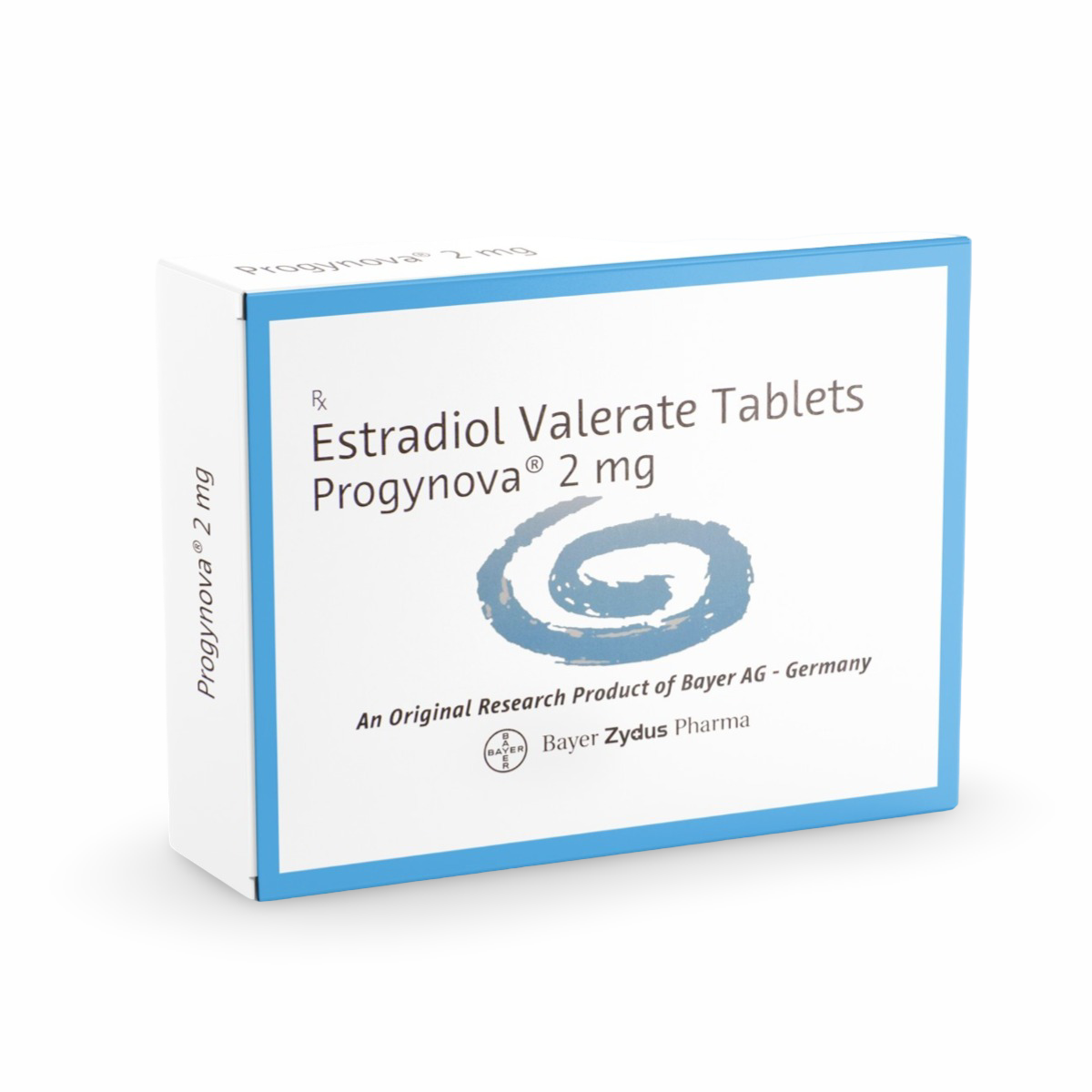
Progynova 2 Mg

Oestrogel 2.5 gm/1.5 mg
Causes of PMS Dizziness
Understanding the causes of PMS-related dizziness requires insight into the hormonal fluctuations that characterize the premenstrual phase.
During this period, changes in Progesterone and Estrogen levels may affect blood flow and the vestibular system, which is responsible for maintaining balance.
The vestibular system helps individuals maintain balance and spatial orientation, enabling them to move with ease.
According to a study, there are noticeable variations in the vestibular system in the days leading up to a person’s period.
Furthermore, neurotransmitter variations may be a factor in experiencing lightheadedness or dizziness.
The complicated relationship between these physiological and hormonal elements influences the symptoms of PMS, including lightheadedness.
Understanding the hormonal dynamics of the body is important for discovering the root cause of PMS-related vertigo and developing personalized PMS treatment approaches.
Management and Treatment

Effective management and treatment techniques are vital to managing and treating PMS-related dizziness.
Regular exercise, balanced nutrition, and adequate hydration contribute to overall well-being and may help reduce symptoms.
During the premenstrual phase, yoga and relaxation exercises may help manage stress and reduce the severity and frequency of dizziness.
Maintaining a consistent sleep schedule promotes hormonal balance, potentially minimizing the likelihood of experiencing dizziness.
PMS medications prescribed by medical professionals might be an option for individuals needing extra support.
When creating treatment plans, it’s important to consider each patient’s unique needs and the severity of their symptoms.
To make sure patients receive the appropriate care, treatment plans should be customized accordingly.
Regular communication with medical professionals and checkups are essential for tracking development and modifying treatments as needed.
Conclusion
Premenstrual Syndrome (PMS) is a condition that affects many women of childbearing age.
It typically occurs in the days leading up to menstruation and can cause a variety of symptoms.
Dizziness in PMS is commonly associated with mood swings and physical discomfort.
Hormonal changes during pre-menstruation can affect the vestibular system and cause dizziness or unsteadiness.
Try exercise, good nutrition, hydration, stress management, sleep consistency, and medication to manage PMS dizziness.
It’s important to regularly visit your doctor and keep in touch with them to track your progress and adjust your treatment as necessary.

Frequently Asked Questions
How can individuals track and manage PMS symptoms, including dizziness?
Individuals can track PMS symptoms, including dizziness, by maintaining a symptom diary, noting onset and severity.
Lifestyle modifications, such as balanced nutrition and stress reduction, can help manage symptoms.
Seeking professional advice for personalized strategies ensures effective management and improved quality of life during premenstrual phase.
What pharmacological treatments are available for managing PMS-related dizziness?
Pharmacological treatments for PMS-related dizziness may include medications targeting hormonal fluctuations, such as hormonal contraceptives or Selective Serotonin Reuptake Inhibitors (SSRIs).
Consult a doctor to determine the suitable treatment and consider potential side effects.
What impact does PMS-related dizziness have on daily activities and quality of life?
PMS-related dizziness can disrupt daily activities, causing discomfort and affecting concentration. Individuals may experience challenges in work or social settings.
While the severity varies, addressing this symptom through lifestyle adjustments and medical treatments can significantly enhance the quality of life during the premenstrual phase.
Can PMS-related dizziness persist beyond the premenstrual phase?
Yes, in some cases, PMS-related dizziness may persist beyond the premenstrual phase. Persistent symptoms could be indicative of other underlying health issues.
Consult a doctor for personalized evaluation and management.
What role does hydration play in preventing or relieved PMS-related dizziness?
Adequate hydration is important in reducing PMS-related dizziness.
Dehydration can worsen symptoms, intensifying feelings of lightheadedness and fatigue.
Drinking sufficient water helps maintain proper blood flow and electrolyte balance, contributing to overall well-being during the premenstrual phase.
Cheap Medicine Shop only refers to credible, authoritative sources for our content. If you're curious about how we ensure the integrity of our content, we encourage you to read our Content Information Policy.