






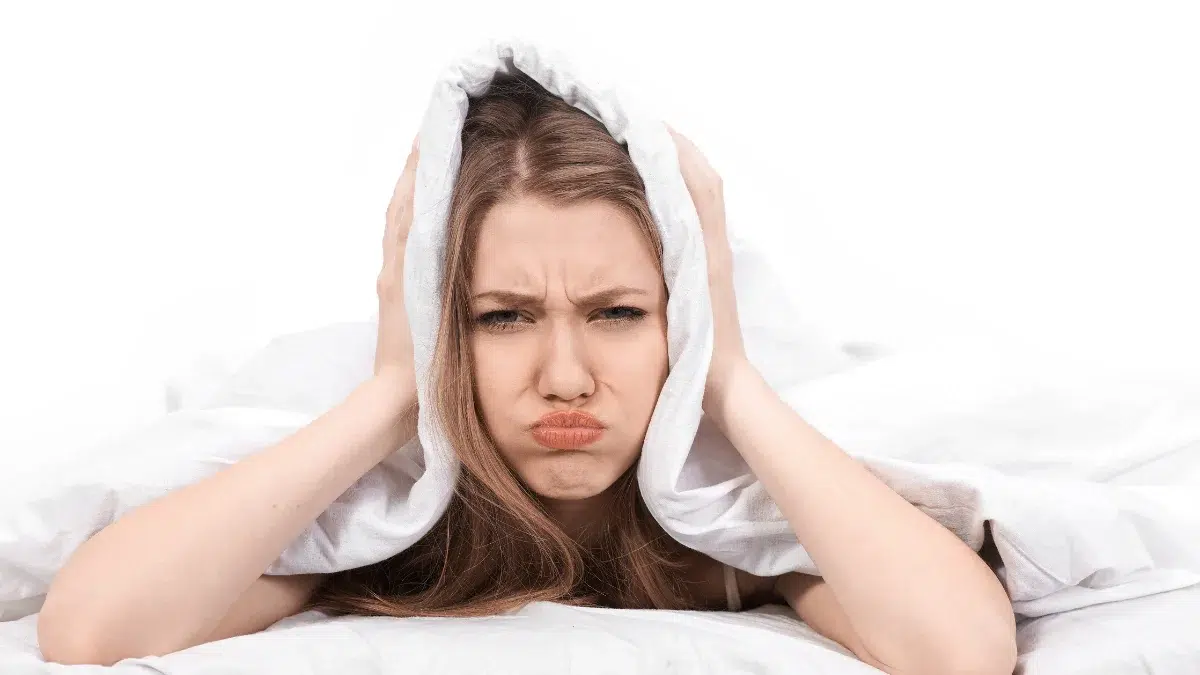

Premenstrual Syndrome (PMS) refers to the changes in emotions, mood, behavior, and physical health in the days leading up to your periods.
One common issues that women going through PMS face are mood swings.
They may wake up feeling completely normal but become irritable in an hour or two for no reason.
While PMS mood swings may not seem to be a problem at first, they can be severe enough to interfere with your daily life as well as relationships.
Proper management and care are needed to manage these bursts of emotions and return to your normal life.
This article will delve deep into PMS-related mood swings, including their causes, symptoms, and treatments.
What Causes PMS Mood Swings
Premenstrual Syndrome is a real condition that causes behavioral and physical symptoms in a cyclic pattern that occurs in the second half of the menstrual cycle.
PMS is very common, and upto 75 percent of women with regular periods experience it. One common behavioral symptom of PMS is mood swings.
A recent study suggests that women with PMS do not necessarily have abnormal hormonal balances but are particularly sensitive to normal hormonal changes.
However, hormones can fluctuate multiple times during the menstrual cycle, which may cause mood swings.
Changes in Estrogen and Progesterone levels can also affect Serotonin levels. Serotonin is a neurotransmitter that helps regulate mood, sleep, and appetite.
Low levels of Serotonin are often associated with irritability and sadness, along with strange cravings and sleeping problems.
Mood swings are one of the most common and most severe PMS symptoms.
Want to know more about when PMS symptoms start in your menstrual cycle? Read When Does PMS Start: Finding the Answer.
Save up to 90% on your medicine bills

Naprosyn 500 Mg
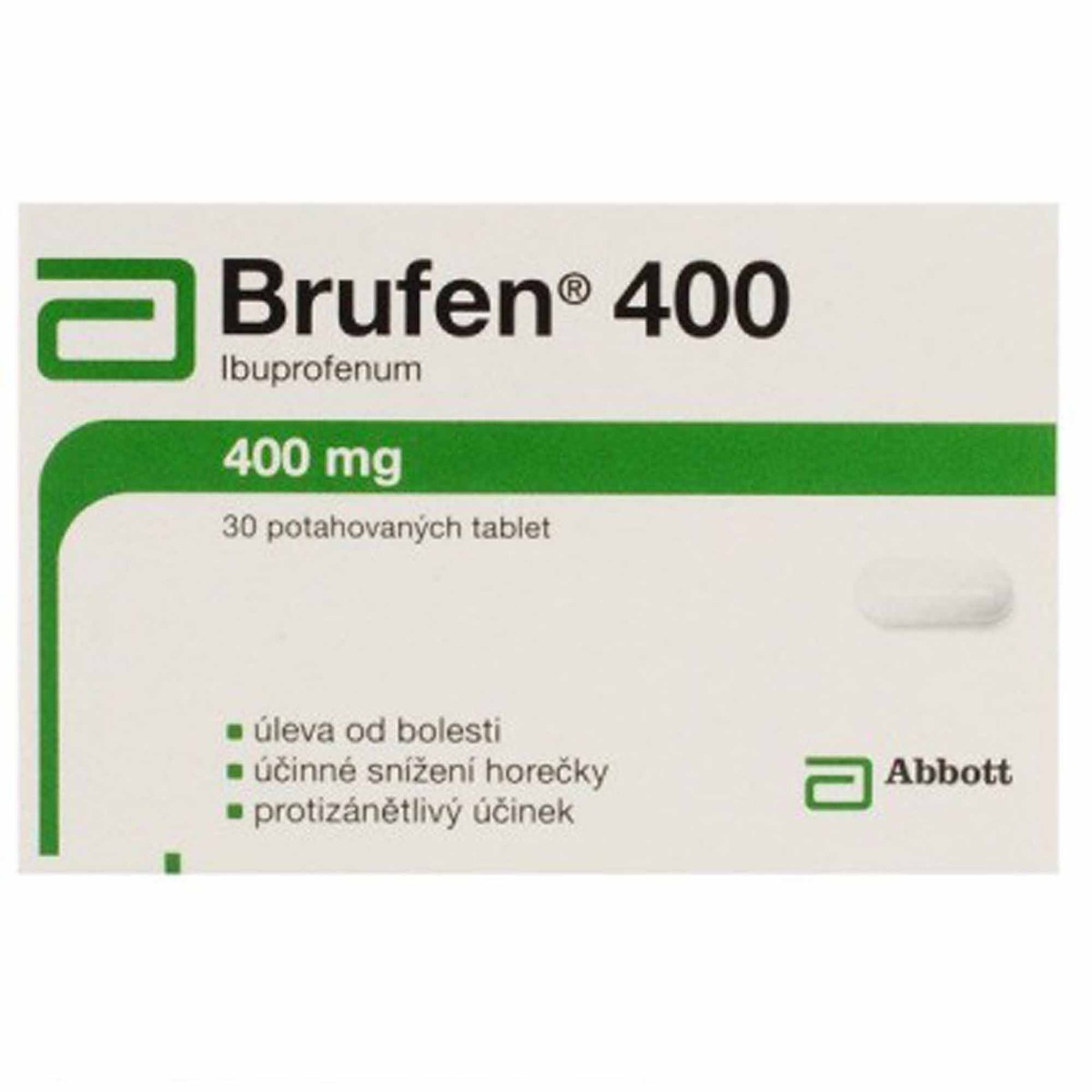
Brufen 400 Mg
Starting at just $0.21 per tabletBuy Now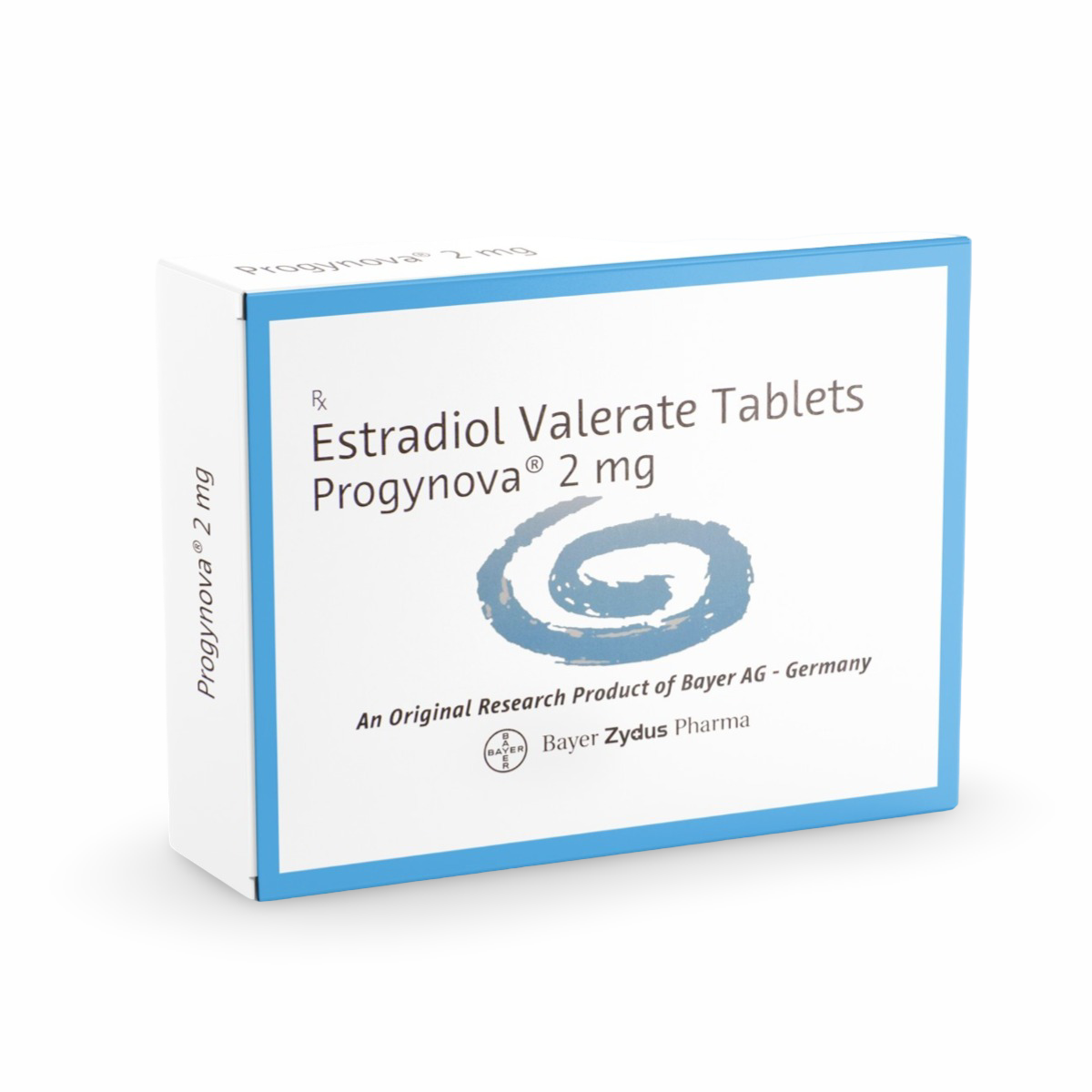
Progynova 2 Mg

Oestrogel 2.5 gm/1.5 mg
Symptoms of PMS Mood Swings
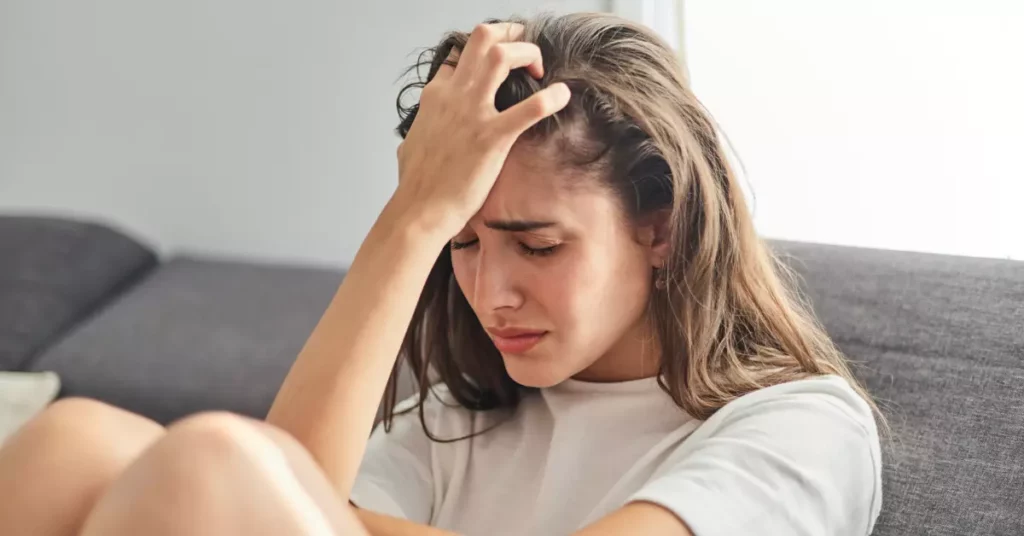
Common symptoms of PMS mood swings include
These emotional changes typically occur in the days leading up to menstruation and can vary in severity.
Understanding these symptoms is the first step in effectively managing PMS mood swings.
Treatment for PMS Mood Swings
While it may seem like there is no solution to your mood swings, treating PMS with medications and lifestyle changes may help you manage them.
PMS medications like Levonorgestrel and Ethinyl Estradiol are commonly prescribed to manage mood swings associated with PMS.
Other medications like Danazol are also known to be effective in managing PMS symptoms by regulating hormone levels.
Besides medications, managing stress with yoga, meditation, and deep breathing exercises may also help you get mood swings under control.
Exercise may also work as the best natural remedy for PMS mood swings by triggering the release of certain hormones that improve feelings of happiness.
It is important to seek medical help as soon as possible if your mood swings or other PMS symptoms are disruptive or severe.
Conclusion
Premenstrual Syndrome is a common issue among women. While it is not possible to determine the exact cause of PMS, hormonal changes during the menstrual cycle can cause several problems.
One such problem caused by hormonal changes is mood swings. PMS mood swings may not seem to be a problem at first, but they can interfere with your daily life and relationships.
Changes in hormone levels like Progesterone and Estrogen can affect serotonin levels, which in turn may cause these mood swings associated with PMS.
Stress management techniques like yoga and meditation, along with exercise, may work as the best natural remedies for managing PMS and mood swings.
Medications like Danazol may also help regulate hormone levels that affect your mood.
It is essential to get medical advice if PMS mood swings are severe or interfere with your daily activities.

Frequently Asked Questions
Can diet affect PMS mood swings?
Yes, maintaining a balanced diet with whole foods can positively impact hormonal balance and alleviate mood swings.
How important is sleep in controlling PMS mood swings?
Adequate sleep (7-9 hours) is crucial for overall well-being and emotional stability during the menstrual cycle. Taking proper sleep can help you regulate mood swings.
Are PMS mood swings the same for every woman?
No, the intensity and symptoms of PMS mood swings can vary widely among individuals. Seek medical help if your symptoms are severe or interfere with your daily activities.
Can birth control pills help with PMS mood swings?
Yes, birth control pills may regulate hormonal fluctuations and reduce the severity of PMS mood swings in some women. Consult with a healthcare professional for personalized advice.
Can PMS mood swings be hereditary?
Yes, there may be a genetic component to PMS, and women with a family history of PMS may be more prone to experiencing mood swings. However, environmental factors like poor sleeping habits may also play a role.
Cheap Medicine Shop only refers to credible, authoritative sources for our content. If you're curious about how we ensure the integrity of our content, we encourage you to read our Content Information Policy.