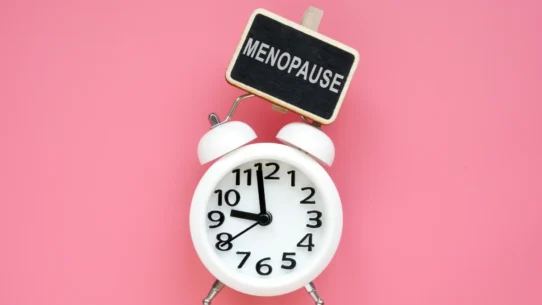






Menopause happens when a woman who used to have periods hasn’t had one in at least 12 months.
As women enter the menopausal stage of their lives, the question arises, ‘Can you get pregnant after Menopause?’
Usually, fertility reduces during Menopause, but certain steps should be followed to prevent pregnancy.
This article tries to answer this question and other related concerns regarding pregnancy after Menopause.
Can you get Pregnant after Menopause
You can typically become pregnant until you’ve gone a full year without your period.
Even if you’re experiencing Menopause symptoms like irregular periods and hot flashes, it doesn’t mean you can’t get pregnant.
It means you’re probably a lot less fertile than you once were.
At this stage, you might not be able to get naturally pregnant, but In Vitro Fertilization (IVF) may be an option.
Continue reading to learn more about fertility, the stages of Menopause, and IVF.
To get a better understanding of hot flashes after Menopause, read ‘Hot flashes after menopause.’
Save up to 90% on your medicine bills

Naprosyn 500 Mg
Brufen 400 Mg
Starting at just $0.21 per tabletBuy Now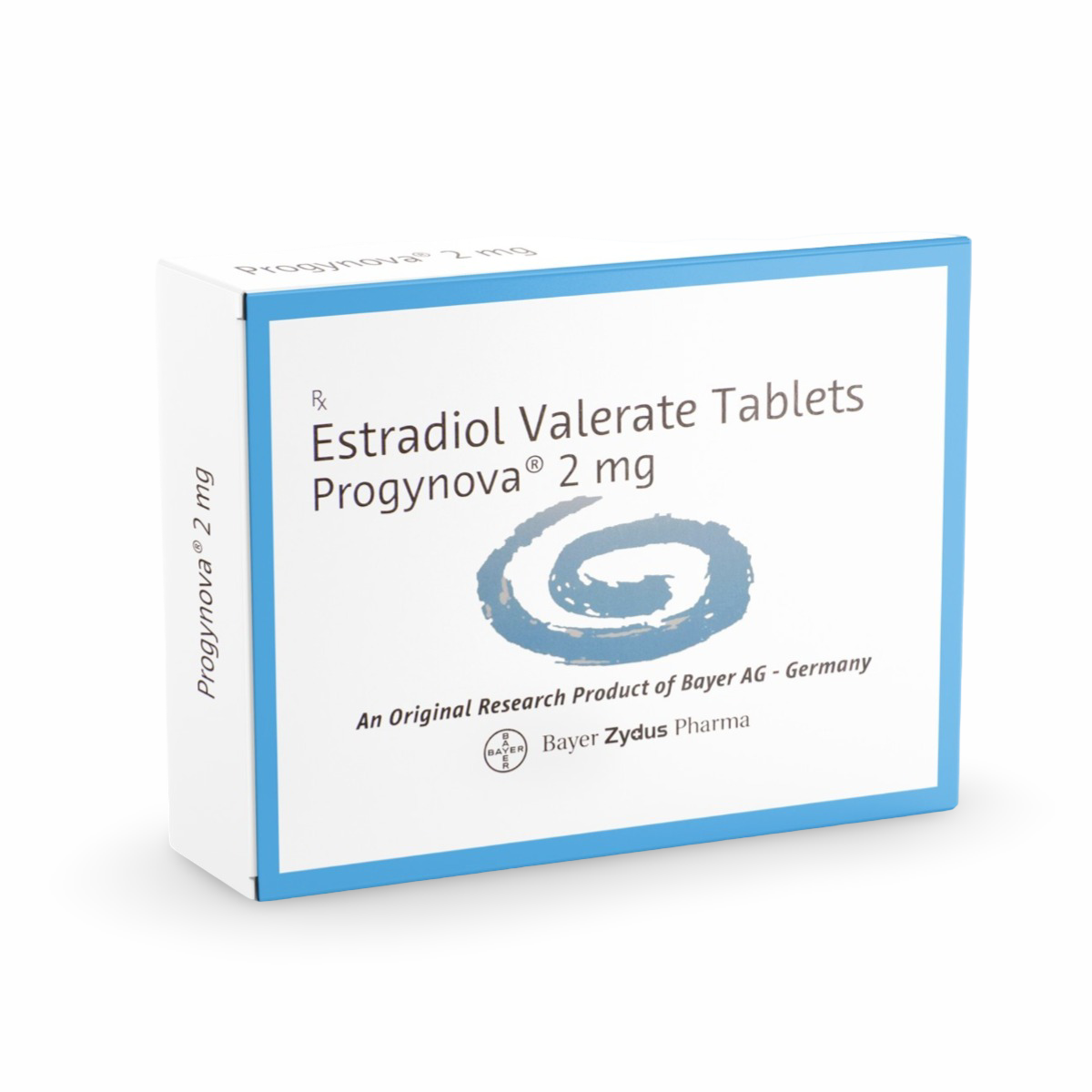
Progynova 2 Mg
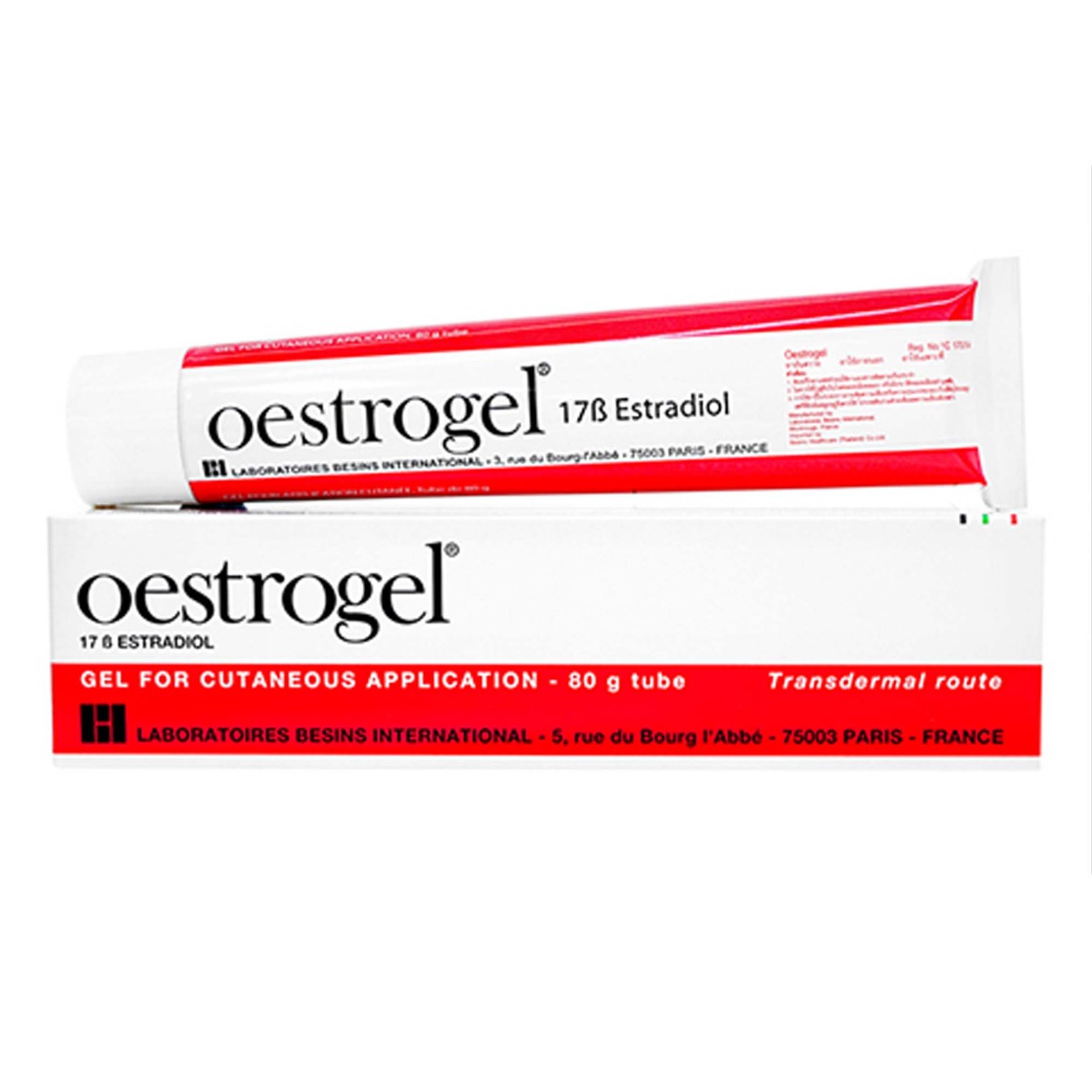
Oestrogel 2.5 gm/1.5 mg
Stages of Menopause
Perimenopause, Menopause, and Post-menopause are the three stages of Menopause.
Women produce Estrogen, Progesterone, Luteinizing Hormone (LH), and Follicle-Stimulating Hormone (FSH) during their reproductive years.
During ovulation, these hormones work together and make the ovaries release a mature egg.
Ovulation can’t occur unless the hormone levels are within the optimal range.
Below, we have discussed how these hormones function in the three stages of Menopause.
Perimenopause
Perimenopause is the time when the body naturally transitions into Menopause.
During Perimenopause, the ovarian function declines and starts to make less Estrogen and Progesterone.
As the ovaries become less active, the amounts of Follicle-stimulating hormone (FSH) and Luteinizing hormone (LH) rise.
The ovaries may release an egg in some months but not others, making periods irregular in length and frequency.
Although your fertility is declining, you may still conceive.
If you want to avoid pregnancy, you need to use birth control throughout Perimenopause.
Menopause
During Perimenopause, your periods might seem to have stopped, but they might begin again.
Sometimes, that can happen, making you think you’re in Menopause when you’re not.
If it’s been an entire year since your last period, you’ve reached Menopause.
For most women, Menopause occurs between 40 and 55 years, with an average age of 52.
Once you’ve reached Menopause, your Estrogen and Progesterone levels remain low, and your LH and FSH levels remain high.
Due to these hormonal changes, you may no longer ovulate and be able to conceive after Menopause.
To know the age at which Menopause starts, read ‘when does menopause start’
Postmenopause
Your hormone levels will change enough that your ovaries won’t release any more eggs once you’re postmenopausal.
Once you’re postmenopausal, you will never again ovulate or get pregnant.
Birth control options are no longer important when you reach the Postmenopause stage.
To learn more about the stages of Menopause, read ‘stages of menopause’
How to get Pregnant after Menopause
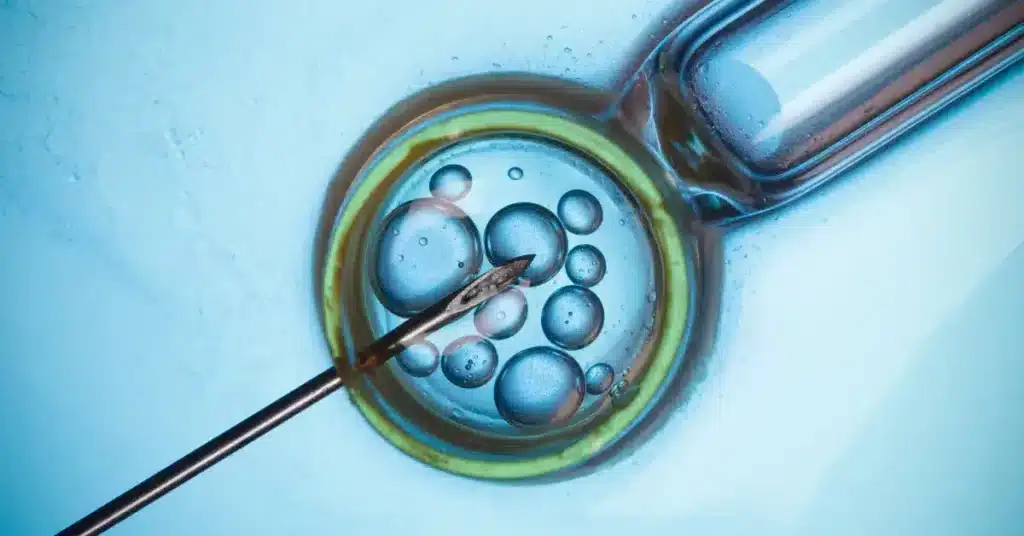
In Vitro Fertilization (IVF) after Menopause has been successful in helping women get pregnant.
Usually, postmenopausal eggs are not viable, but you can use eggs frozen earlier or donor eggs.
Preparing your body for implantation and carrying the baby to term will also require hormone treatment.
Complications in pregnancy after IVF are more common in postmenopausal women than premenopausal ones.
Before trying IVF treatment, it’s worth consulting with a fertility expert.
Health Risks for Pregnancies Later in Life
In the majority of cases, health risks in pregnancy increase with age.
After age 35, the risks of some problems rise compared to younger women. These include:
- Multiple pregnancies may result in low birth weight, early birth, and difficult delivery
- Gestational Diabetes can result in health problems for the baby and the mother
- High blood pressure, which needs careful monitoring and medication to ward off complications
- Placenta previa may require bed rest, medications, or cesarean delivery
- Miscarriage or stillbirth
Older people are more likely to have preexisting health conditions that might affect pregnancy and delivery.
Conclusion
The short answer to the question ‘Can you get pregnant after Menopause?’ is yes, you can.
After Menopause, you may be able to get pregnant through IVF and hormone therapies. But it’s not simple or risk-free.
But if it’s been a year since your last period, you can consider yourself beyond your childbearing years.
If you’re thinking about trying IVF, you’ll need expert fertility counseling and careful medical monitoring.

Frequently Asked Questions
Can Menopause be reversed?
No, Menopause can’t be reversed, but researchers are working on it. One option is treatment using a woman’s platelet-rich plasma (autologous PRP). PRP contains growth factors, hormones, and cytokines that may restore activity in the ovaries.
What is the oldest age a woman can get pregnant?
There is no set age when women can get pregnant naturally, but fertility begins to decline as you age. There have been instances of women giving birth in their 50s, 60s, and even 70s. But, these pregnancies are usually accomplished with donor eggs and in IVF.
Can a menopausal woman carry a baby?
Assisted reproduction can help women achieve pregnancy at any age. Irrespective of the menstrual functioning of women, they can now have a pregnancy even in the postmenopausal period.
What foods relieve Menopause symptoms?
A whole-food diet high in fresh fruits, vegetables, whole grains, high-quality protein, and dairy products may reduce Menopause symptoms. Consuming phytoestrogens and healthy fats, such as omega-3 fatty acids from fish, may also help.
Does drinking water help with Menopause?
Yes, drinking water and staying hydrated help with Menopause. Not only does water help with symptoms such as night sweats and hot flashes, where we lose more moisture, but it also helps lower the effects of other symptoms.
Cheap Medicine Shop only refers to credible, authoritative sources for our content. If you're curious about how we ensure the integrity of our content, we encourage you to read our Content Information Policy.