






Every woman who menstruates goes twelve consecutive months without their period, which is known as Menopause.
This phase usually occurs around their late 40s or 50s and can have several noticeable symptoms.
In some cases, individuals may still experience bleeding after their Menopause, which can be a cause of concern for many.
It is important to understand the causes for bleeding after Menopause since it can help manage it effectively.
This article will discuss the common and serious causes of postmenopausal bleeding.
Defining Bleeding After Menopause
Bleeding after Menopause is a phenomenon that requires extra and immediate attention from women.
The stopping of periods after Menopause is common, but research states that postmenopausal bleeding is abnormal.
About two-thirds of women need to visit the gynecologists due to the different conditions that may lead to this vaginal bleeding.
It often indicates major changes in one’s reproductive system, which makes it important to learn about their possible causes.
Save up to 90% on your medicine bills
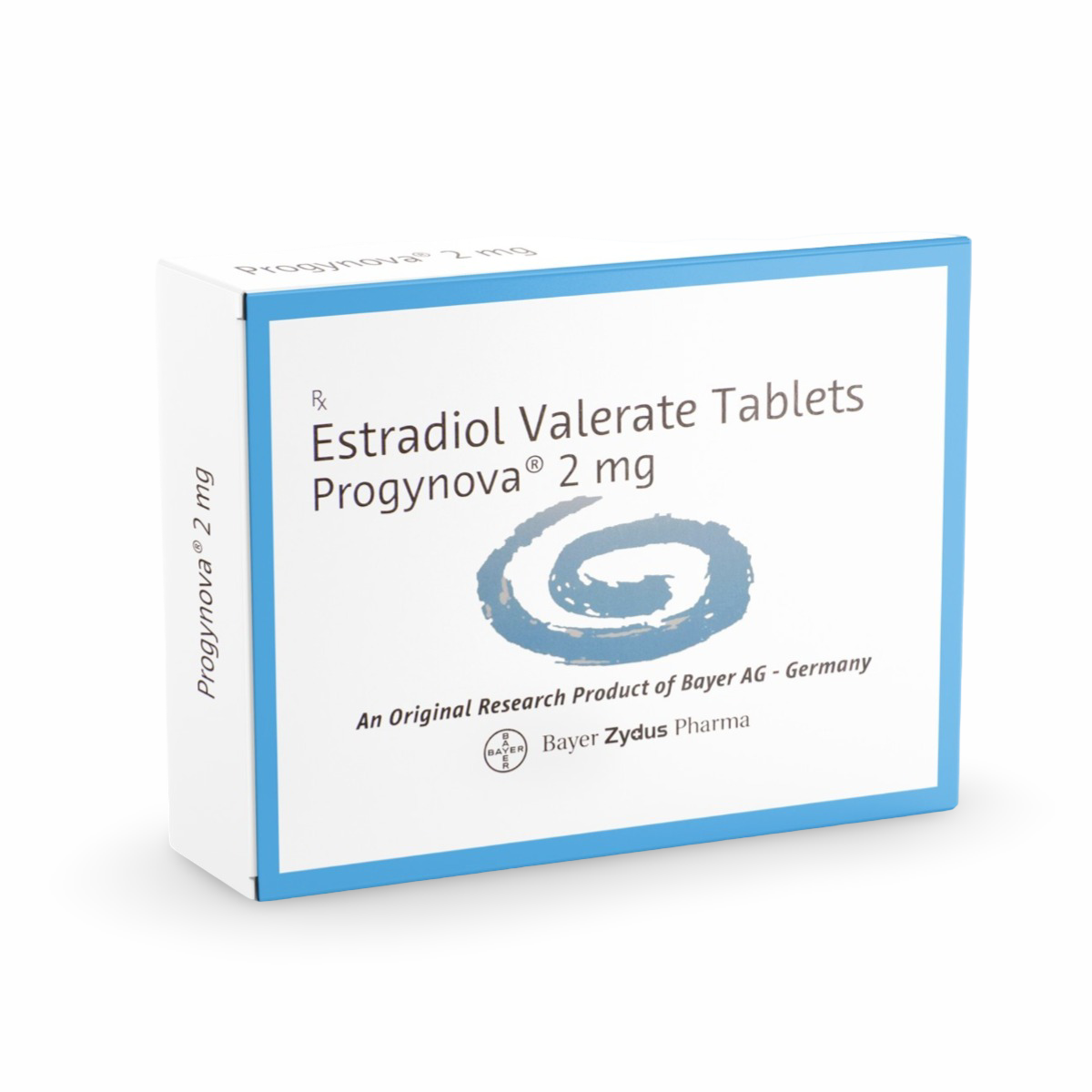
Progynova 2 Mg
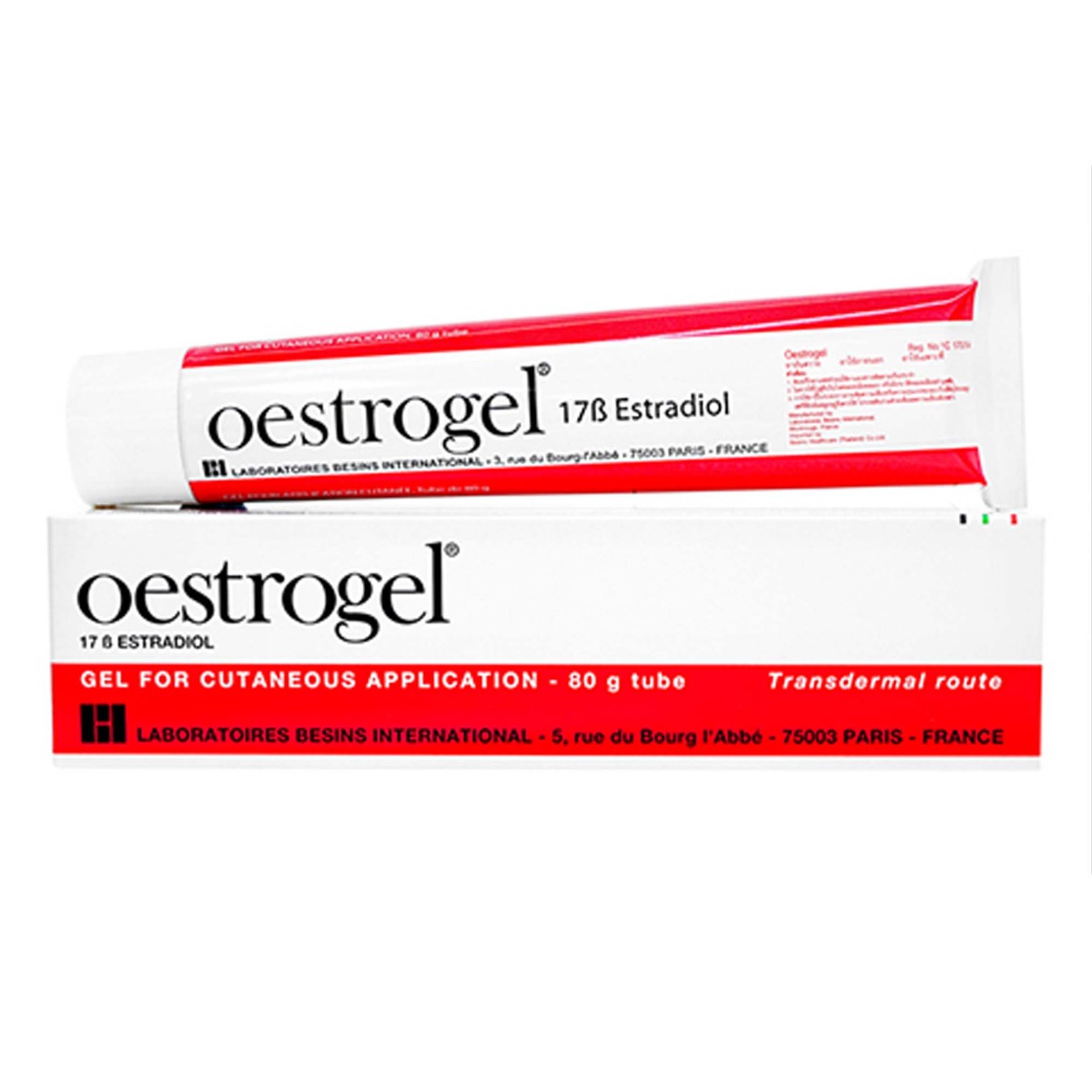
Oestrogel 2.5 gm/1.5 mg
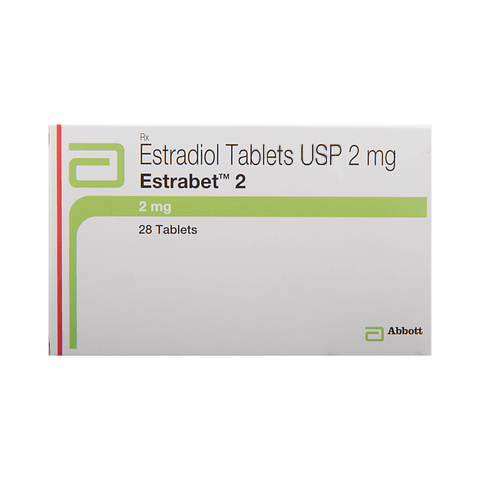
Estrabet 2 Tablet
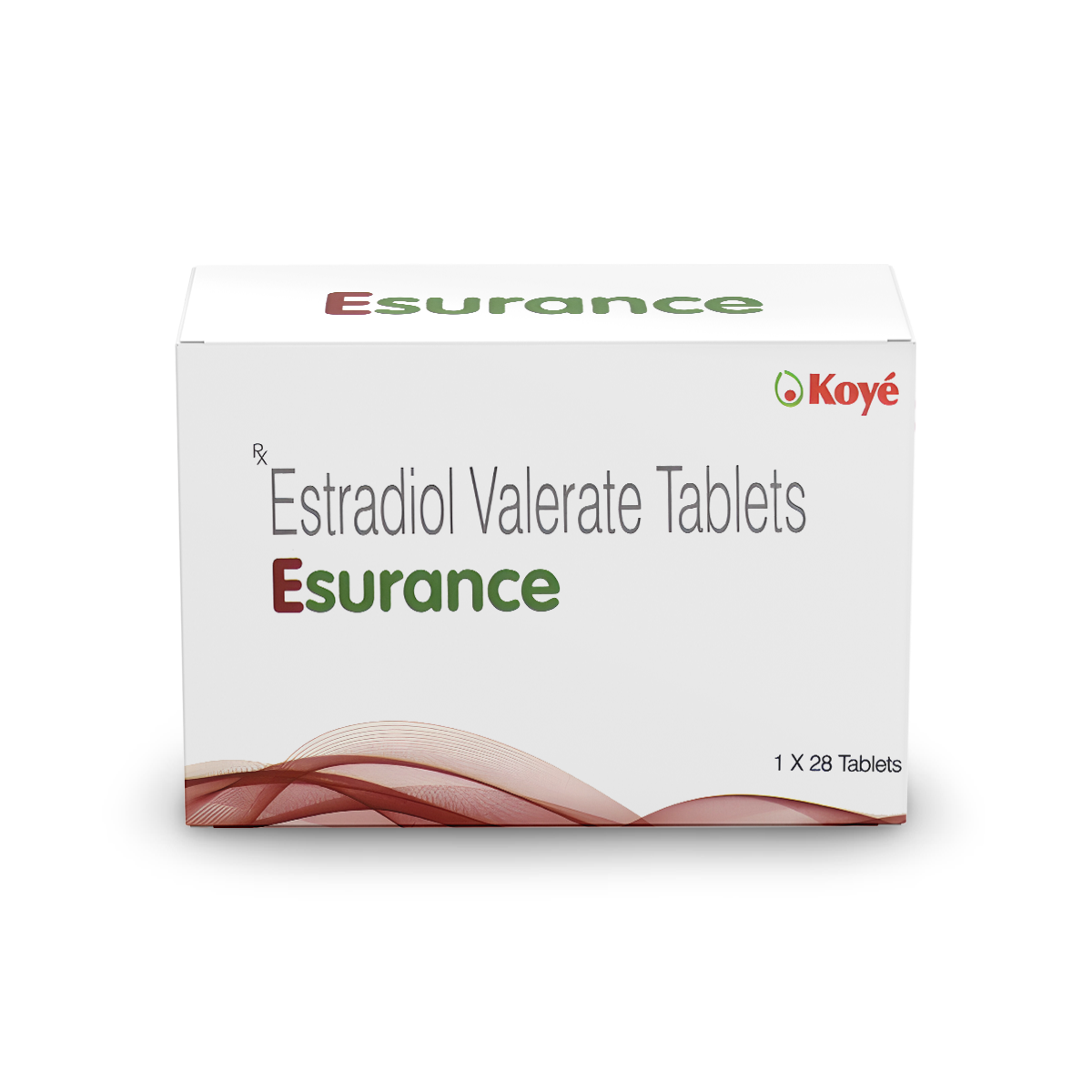
Esurance Tablet
Common Causes of Vaginal Bleeding After Menopause
According to a study, about 60% of the women who experience postmenopausal bleeding do it due to Genitourinary Atrophy.
The thinning and inflammation of vaginal tissues are one of the leading causes of this condition.
Several stages of Menopause result in hormonal imbalances, like Estrogen and Progesterone, which can also lead to vaginal bleeding.
Additionally, the growth of polyps or fibroids (tumors in the walls of the uterus) in the uterus can result in irregular bleeding.
Some of the other causes of postmenopausal vaginal bleeding include infections like Endometrial Tuberculosis, Vaginitis, Cystitis, or Cervicitis.
Since vaginal dryness is common among Menopausal women, the intense friction during sex may also lead to bleeding.
Potential Serious Causes of Postmenopausal Bleeding
Apart from the above-mentioned causes of vaginal bleeding after Menopause, women can experience it due to several serious conditions.
According to research, postmenopausal bleeding is a common symptom of Endometrial Cancer.
This form of cancer usually starts to develop in the layer of cells that form the lining of one’s uterus.
Although it is a serious condition, the vaginal bleeding after Menopause can often help in its early diagnosis in women.
Some of the other serious causes include cancer in a woman’s genital tract or the development of cancer cells in other tumors there.
Are you wondering if postmenopausal bleeding always indicates cancer? Read “Is Bleeding After Menopause Always Cancer? A Guide.”
Conclusion
Causes for bleeding after Menopause is an essential topic that most women need to be aware of.
One of the most common causes of vaginal bleeding after Menopause is Genitourinary Atrophy.
Individuals may also experience it due to hormonal fluctuations, vaginal dryness, tumors in uterine walls, and infections in the reproductive tract.
In some cases, it can result in serious conditions like Endometrial Cancer or cancer in the genital tract.
It is always best to consult your doctor immediately if you are experiencing this condition to get a proper diagnosis.

Frequently Asked Questions
Can lifestyle changes help prevent postmenopausal bleeding?
Yes, lifestyle changes can help prevent postmenopausal bleeding. These changes include regular exercise, maintaining a balanced, nutrient-rich diet, and staying hydrated. Individuals can also find benefits from avoiding smoking and excessive alcohol intake.
How do doctors diagnose the causes of bleeding after Menopause?
Doctors diagnose the causes of postmenopausal bleeding in a detailed manner. This includes a detailed medical history, pelvic examinations, and tests like ultrasounds. Often, they can opt for an Endometrial biopsy to analyze tissue samples and check for cancer or tumors.
Is bleeding after Menopause reversible?
Yes, the bleeding after Menopause is reversible, depending on its cause. In cases like hormonal fluctuations, which can be managed effectively, can stop postmenopausal bleeding.
However, conditions such as Endometrial Cancer require specific treatments, and late stages might fail to stop the bleeding.
Are there any medicines that can stop postmenopausal bleeding?
The choice of medication to stop postmenopausal bleeding depends on the underlying cause. Hormone Replacement Therapy (HRT) may be prescribed to treat hormonal imbalances.
On the other hand, Nonsteroidal Anti-inflammatory Drugs (NSAIDs) can reduce bleeding due to inflammation. It is always best to consult your doctor for appropriate Menopause treatment.
Is Hormone Replacement Therapy (HRT) a common treatment for postmenopausal bleeding?
Yes, Hormone Replacement Therapy (HRT) is a common treatment for postmenopausal bleeding caused by hormonal fluctuations. It balances the Estrogen and Progesterone levels, effectively treating the condition.
Cheap Medicine Shop only refers to credible, authoritative sources for our content. If you're curious about how we ensure the integrity of our content, we encourage you to read our Content Information Policy.