






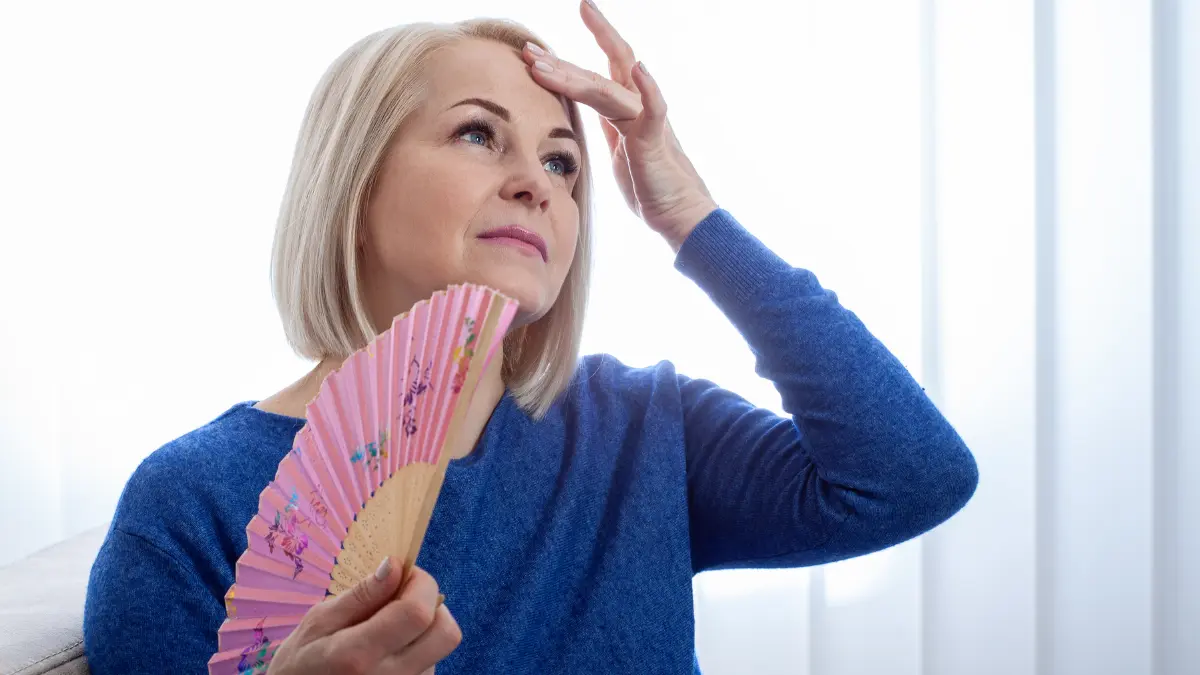

Menopause happens when a woman permanently stops having menstrual periods.
Menopause is a significant health transition for women, often causing emotional and physical changes.
Mood swings and hot flashes are common symptoms for many women.
Besides these common symptoms, some women may also notice bleeding after Menopause.
If you experience bleeding after Menopause, it’s important to see a doctor.
This article examines the causes, prevention, and available treatments for bleeding after Menopause.
Understanding Bleeding After Menopause
Bleeding after Menopause, while not uncommon, demands a closer look to ensure optimal health.
Hormonal changes that impact the uterine lining are the main cause of bleeding after Menopause.
Usually, this bleeding is caused by non-cancerous conditions like Uterine Polyps or hormonal imbalances, but it can also indicate more serious problems like Endometrial Cancer.
Early detection depends on identifying the symptoms, including spotting or irregular bleeding.
Biopsies and other diagnostic techniques are essential for determining the underlying cause.
In the following sections, we’ll discuss the causes, prevention, and treatment options.
Want to know if bleeding after Menopause is cancer? Read Is Bleeding After Menopause Always Cancer? A Guide
Save up to 90% on your medicine bills
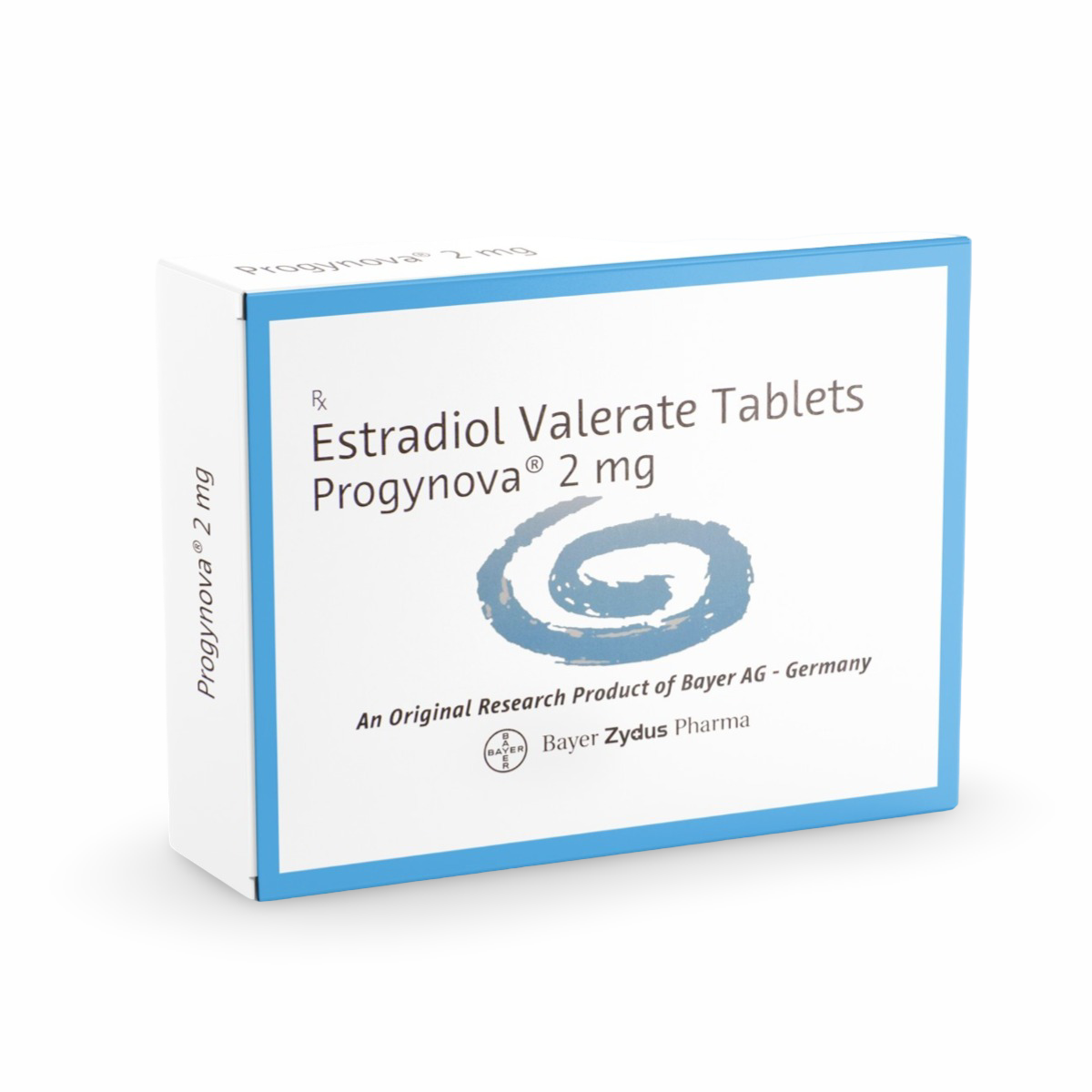
Progynova 2 Mg
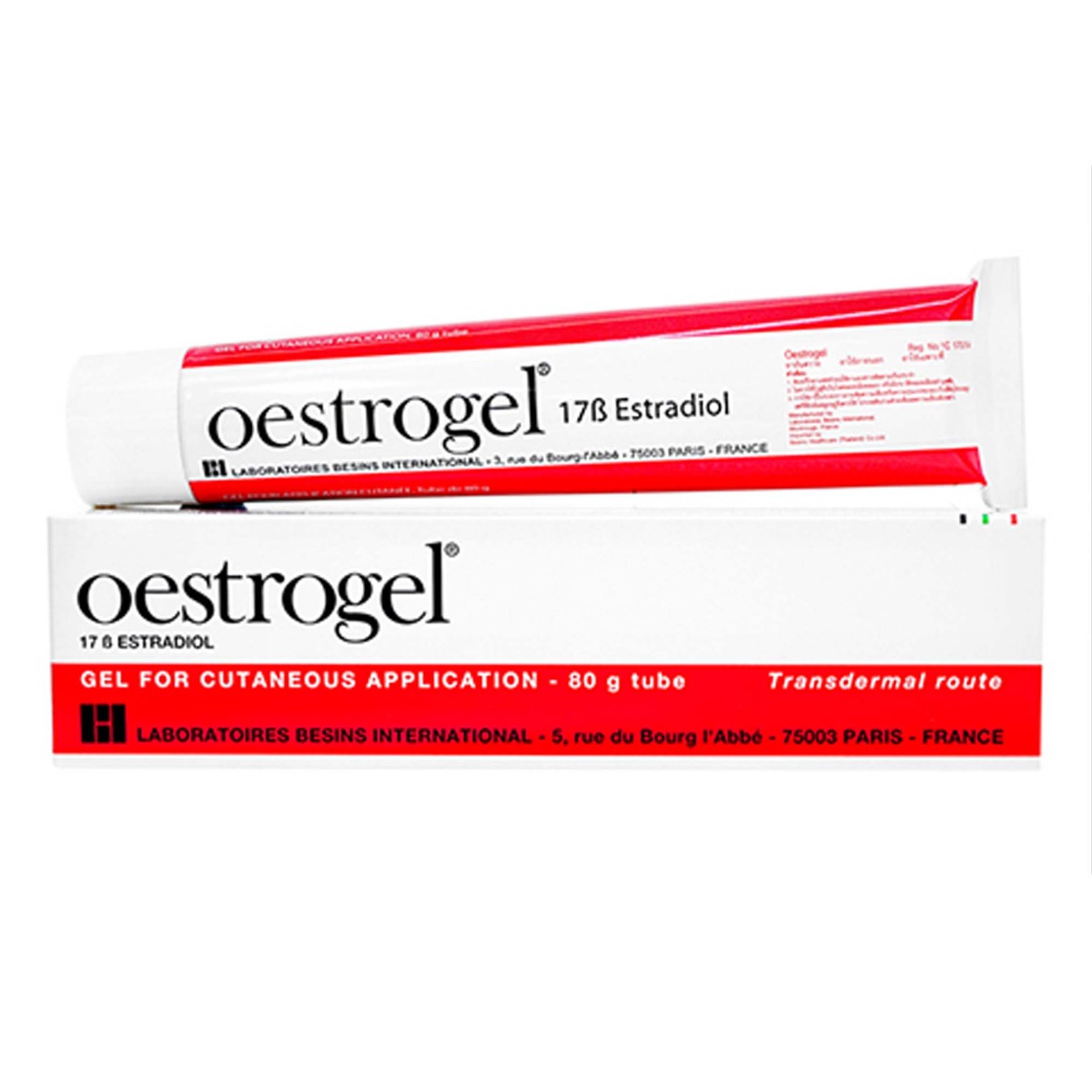
Oestrogel 2.5 gm/1.5 mg
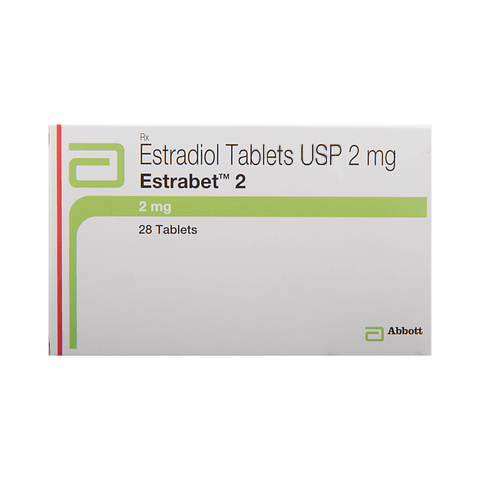
Estrabet 2 Tablet
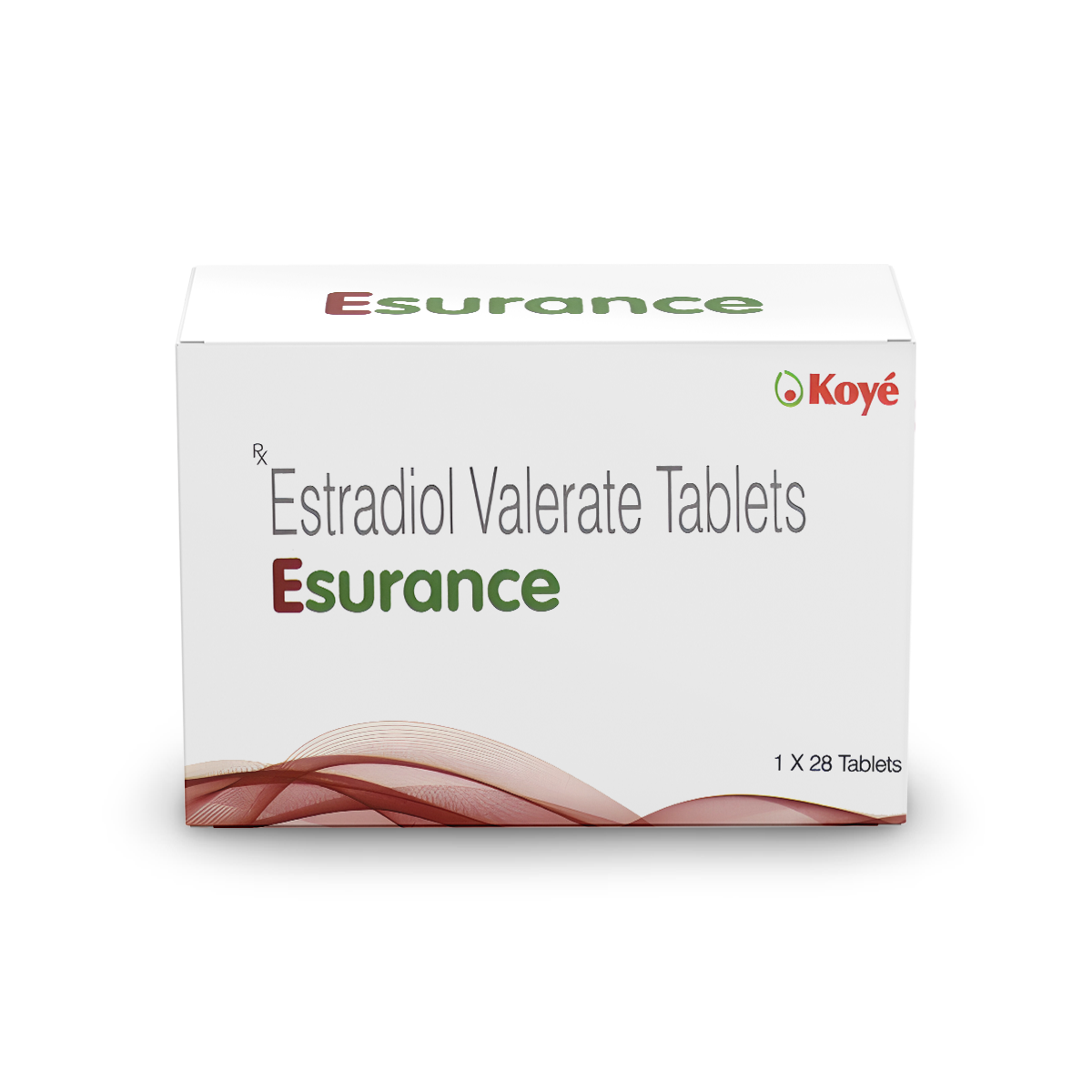
Esurance Tablet
Causes of Bleeding After Menopause

Bleeding after Menopause can be caused by hormonal changes or gynecological conditions.
The decline in Estrogen levels during Menopause triggers changes in the Endometrial tissue, often leading to irregular bleeding.
Endometrial Hyperplasia, a disorder marked by abnormal cell growth in the uterine lining, and Endometrial Cancer are two common gynecological causes.
Vaginal bleeding is the most common symptom observed in 90% of Postmenopausal women who are diagnosed with Endometrial Cancer.
There are non-gynecological causes of Postmenopausal bleeding as well, such as coagulation issues and some medications.
Understanding these causes is essential for quick detection as well as effective management of bleeding after Menopause.
To know more about the causes of bleeding after Menopause? Read Navigating the Causes for Bleeding After Menopause
Treatment Options
Bleeding after Menopause or Postmenopausal bleeding can be effectively treated in several ways, each specific to the underlying cause.
Hormone therapy or non-invasive procedures are frequently used in medical management for non-cancerous conditions like Uterine Polyps or hormonal imbalances.
If a more severe approach is needed, surgical options are available. These options include Dilation and Curettage (D&C) or Hysteroscopy.
Surgery is usually the first step in the treatment of malignancies like Endometrial cancer.
Chemotherapy or radiation therapy may also be used, depending on the disease’s stage.
Personalized treatment plans are essential; the doctor might suggest a mix of therapies to maximize results.
Routine follow-up is important for tracking improvement and making necessary treatment adjustments.
Prevention and Health Maintenance
Ensuring optimal health during the Postmenopausal phase is essential for women.
Frequent gynecological examinations, which include pelvic exams and screenings, are essential for identifying possible problems early on.
A healthy lifestyle that includes regular exercise and a balanced diet can greatly lower the chance of Postmenopausal bleeding.
Tobacco use must be avoided, and alcohol consumption must be kept to a minimum to promote general well-being.
Furthermore, being aware of any unusual symptoms is essential, and consult doctors immediately.
Conclusion
Menopause is the permanent end of menstruation, marking the end of the reproductive years.
An early diagnosis and suitable treatment are essential for effectively managing a common issue like bleeding after Menopause.
Bleeding after Menopause can be caused by hormonal changes and gynecological issues.
Hormone therapy or non-invasive procedures may be used for benign conditions, while severe cases may require surgical intervention such as D&C or Hysteroscopy.
Regular gynecological check-ups and consulting with your doctor are key to maintaining postmenopausal well-being.

Frequently Asked Questions
What is the typical duration of Menopause?
Menopause typically lasts several years, an average of 4 to 5 years.
Menopause typically starts between ages 45 and 55, with an average onset of around 51.
It begins with perimenopause, marked by irregular periods.
It concludes that once a woman has gone 12 consecutive months without a menstrual period.
How is postmenopausal bleeding diagnosed?
Postmenopausal bleeding is diagnosed through a series of tests, including transvaginal ultrasound, endometrial biopsy, and blood tests.
These help identify the underlying cause, such as hormonal changes, gynecological conditions, or other factors.
Seeking quick medical attention and discussing symptoms with a healthcare provider is crucial for an accurate diagnosis.
Can bleeding after Menopause be a sign of cancer?
Yes, bleeding after Menopause can be a potential sign of cancer, particularly Endometrial cancer.
Timely diagnosis and appropriate medical intervention are essential for effective management and ensuring the best possible outcomes for your health.
Are there lifestyle factors that can contribute to bleeding after Menopause?
Yes, certain lifestyle factors may contribute to bleeding after Menopause.
Smoking, excessive alcohol consumption, and a sedentary lifestyle can impact hormonal balance and increase the risk.
Maintaining a healthy lifestyle, including regular exercise and a balanced diet, can help reduce the likelihood of postmenopausal bleeding.
Can postmenopausal bleeding affect fertility?
No, postmenopausal bleeding does not typically affect fertility.
Menopause marks the end of the reproductive years, and any bleeding after that is often a sign of an underlying medical issue.
If experiencing postmenopausal bleeding, consult a healthcare professional promptly for proper evaluation and guidance on the appropriate action.
Cheap Medicine Shop only refers to credible, authoritative sources for our content. If you're curious about how we ensure the integrity of our content, we encourage you to read our Content Information Policy.