




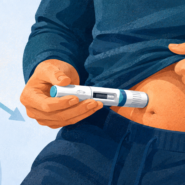



Hormonal fluctuations are common in women during Menopause since this phase ends one’s reproductive years.
The ovaries stop producing the normal levels of sex hormones in women during this phase.
Thus, most women may notice a noticeable decline in their Progesterone levels.
These declining hormones often affect one’s physical health and even one’s mental well-being.
Effects on several aspects of one’s life usually result in relationship problems in both personal and work life.
This article will discuss the Progesterone Menopause levels and ways to manage them.
Role of Progesterone in Women
To understand Progesterone levels during Menopause and its effects on women better, one must first understand its role.
According to research, Progesterone plays an important role in successful pregnancy.
The main purpose of Progesterone is to make the uterus lining ready in women for the implantation and growth of fertilized eggs.
Progesterone also plays an essential role in regulating the menstrual cycle and can affect one’s mood.
Thus, this particular hormone is quite necessary for good reproductive health.
Save up to 90% on your medicine bills
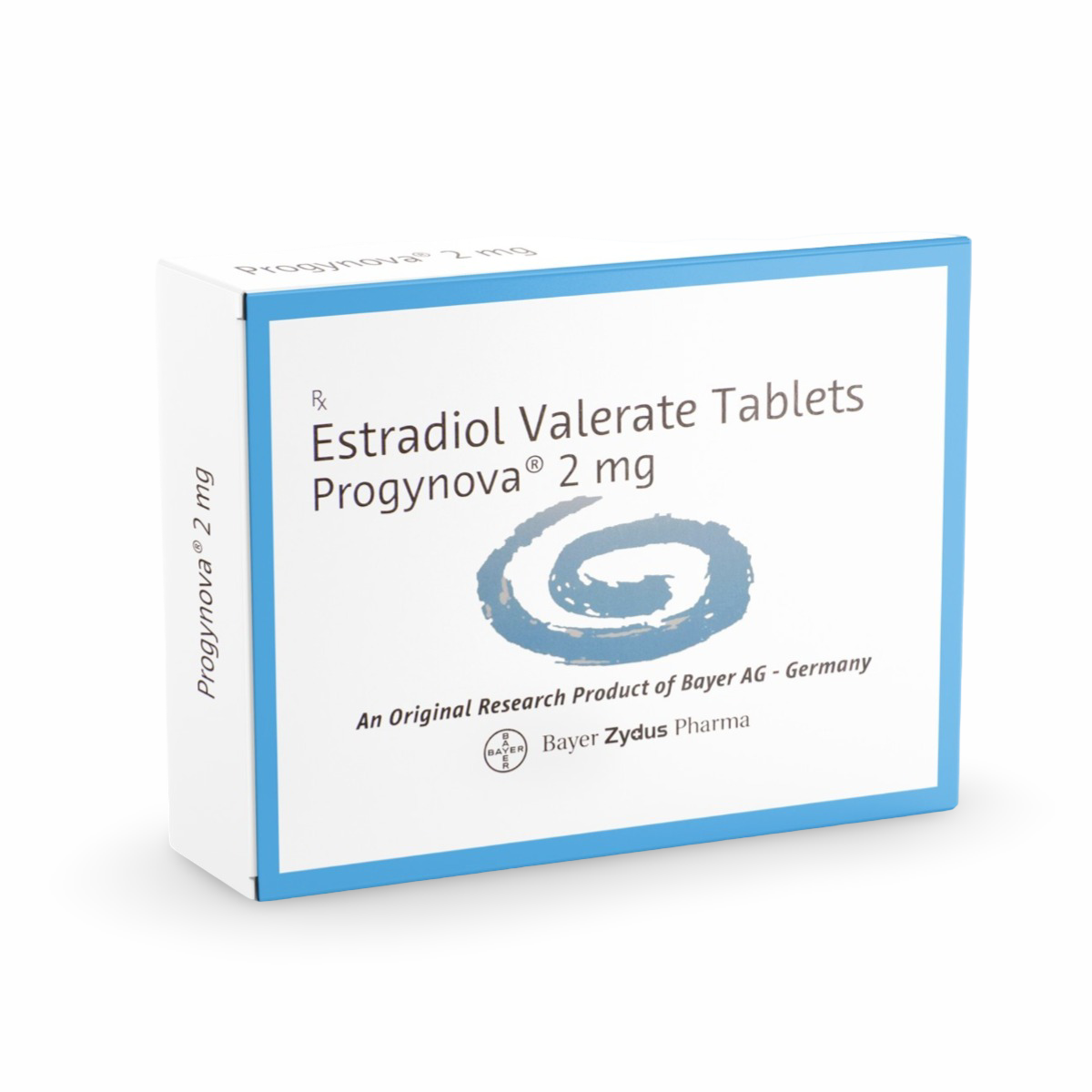
Progynova 2 Mg

Oestrogel 2.5 gm/1.5 mg
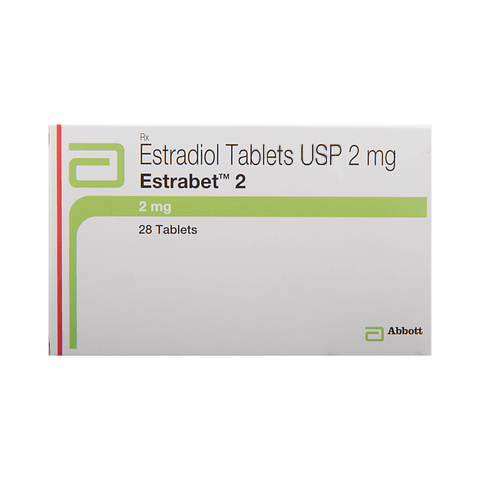
Estrabet 2 Tablet
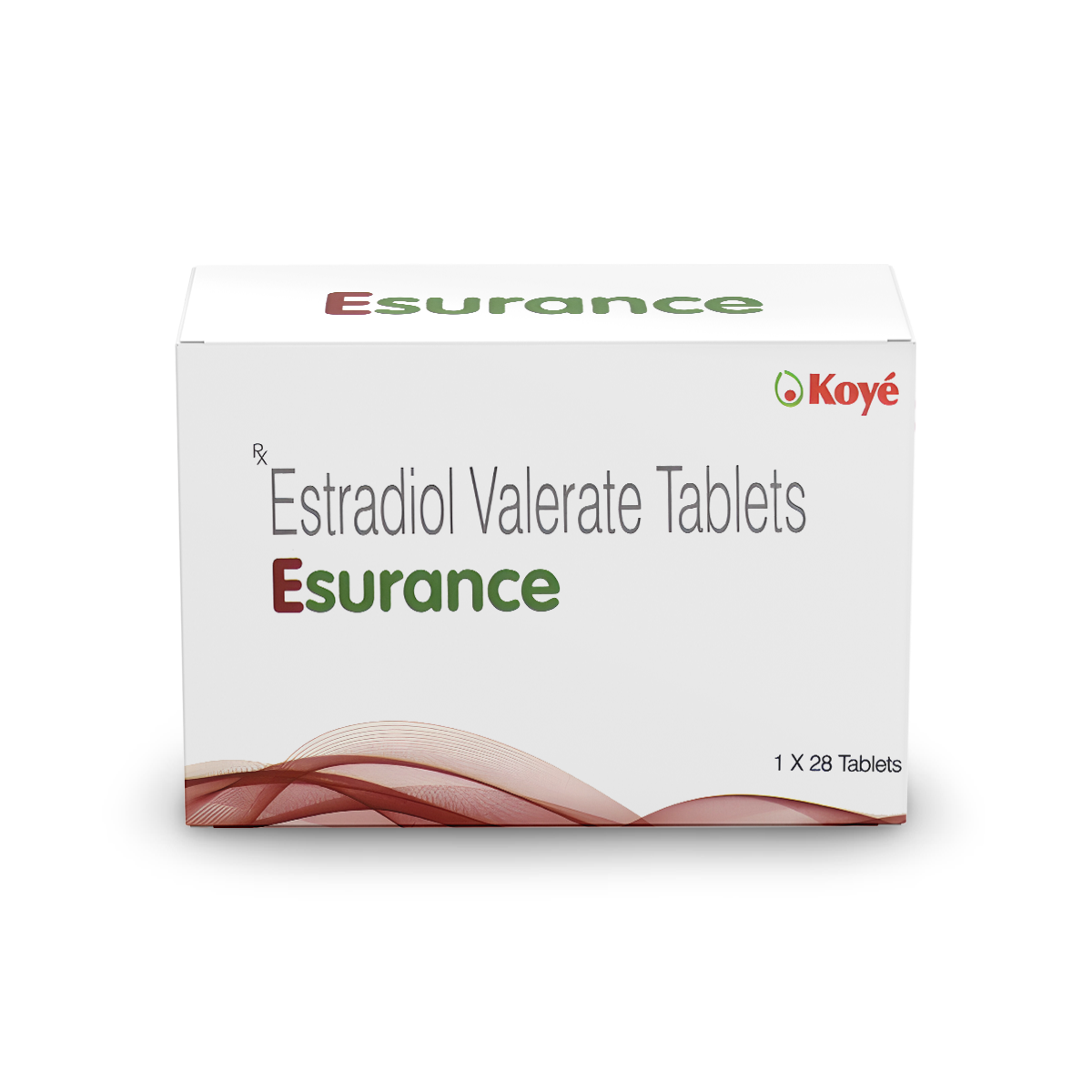
Esurance Tablet
Progesterone Levels During Menopause

After the start of Menopause, women may notice a drop in their Progesterone levels.
While normal Progesterone levels may stay about 5-20 ng/ml, they become less than 0.5 ng/l.
During Menopause, the ovaries do not produce enough Estrogen and Progesterone.
As a result, Follicular Stimulating Hormone (FSH hormone) levels start increasing to produce more of these sex hormones.
These high FSH levels during Menopause go hand-in-hand with the low Progesterone levels.
These hormonal changes ultimately lead to several Menopause symptoms, like hot flashes, breast tenderness, and joint pain.
Low Progesterone also makes the chances of natural pregnancy during Menopause close to null.
Managing Menopause Progesterone Level
The management of Progesterone levels requires different approaches.
Natural remedies like certain herbs and supplements may prove beneficial in improving the levels of Progesterone.
Some individuals can notice an improvement in their hormone levels with exercise.
Hormonal Replacement Therapy (HRT) can provide faster results than natural remedies.
In some cases, doctors may also suggest maintaining a Menopause diet besides using medications.
Are you curious to learn more about treatments for Menopause? Read A Comprehensive Guide to Menopause Treatments.
Conclusion
It is important to keep track of Progesterone Menopause levels since it can affect one’s overall well-being.
The level of these hormones declines during Menopause since the ovaries stop producing enough sex hormones.
This impacts one’s chances of pregnancy and can cause severe mood swings.
While the normal Progesterone level is 5-20 ng/ml, it goes below 0.5 ng/ml during Menopause.
It leads to other symptoms like hot flashes, night sweats, joint pain, and breast tenderness.
Doctors may suggest herbs, supplements, exercises, Hormonal Replacement Therapy (HRT), and medications to improve this hormone level.
Yet, it is always necessary to consult your doctor to find the best treatment option for yourself.

Frequently Asked Questions
What blood test should one take to check Progesterone levels in Menopause?
To test Progesterone levels during Menopause, doctors suggest a blood test that measures serum Progesterone.
This simple test analyzes the concentration of Progesterone in the bloodstream and can help one take measures to manage its levels.
Are there any natural remedies for Menopausal symptoms linked to Progesterone fluctuations?
Yes, there are certain natural remedies for Menopausal symptoms linked to Progesterone fluctuations.
Women can adopt a balanced diet with Phytoestrogen-rich foods and use herbs like black cohosh. In some cases, including yoga in daily life can also be beneficial.
What are the typical signs of declining Progesterone levels during Menopause?
Some of the common signs of declining Progesterone levels in Menopause include irregular periods, increased Anxiety or mood swings, and sleep disturbances.
Individuals may also notice major changes in their libido besides hot flashes, night sweats, and weight gain.
Can the use of natural remedies alone improve Progesterone levels?
No, using natural remedies alone cannot improve Progesterone levels in women. Although a balanced diet, exercises, and herbs can improve Menopause symptoms, one may not notice any significant changes.
In these cases, doctors may suggest using certain medications or hormonal therapy.
What is the best medication to improve Progesterone levels after Menopause?
Hormone Replacement Therapy (HRT), particularly Progesterone supplementation, is a common Menopause medication to improve Progesterone levels after Menopause.
They are available in various forms, including oral and topical options. However, the choice always depends on the person using them.
Cheap Medicine Shop only refers to credible, authoritative sources for our content. If you're curious about how we ensure the integrity of our content, we encourage you to read our Content Information Policy.