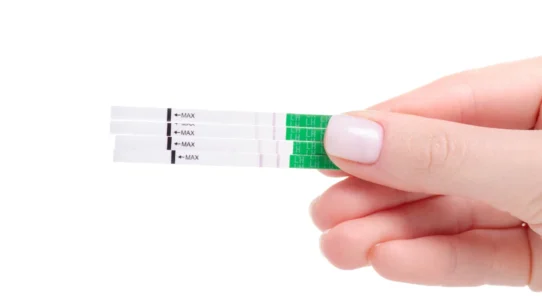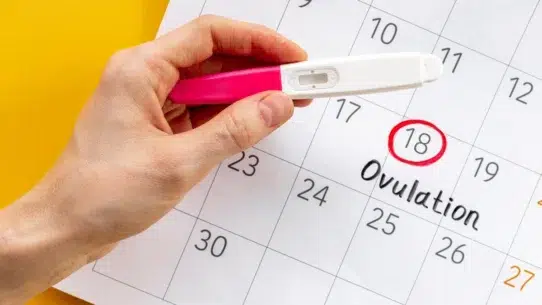





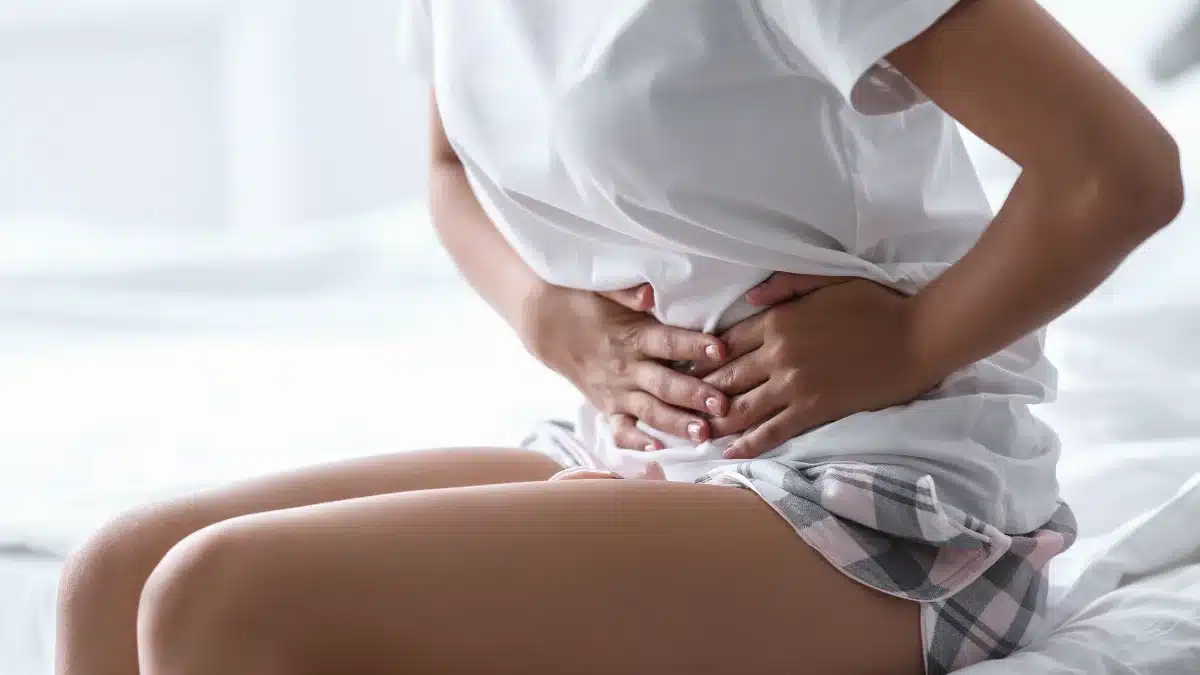

Ovulation cramps, though often regarded as a normal part of the menstrual cycle, can sometimes be difficult and discomforting for individuals experiencing them.
These cramps around ovulation signal an egg’s release from the ovary.
Understanding the causes behind the cramps is essential to get relief during these cramps.
Hormonal changes are a major factor in the start of severe cramps, especially a rise in Luteinizing Hormone and Estrogen.
This article explores the complex processes behind ovulation cramps, exploring hormonal fluctuations, uterine contractions, and individual factors contributing to their occurrence.
What Are Ovulation Cramps
Ovulation cramps, or Mittelschmerz, are abdominal pains that occur during ovulation, typically midway through the menstrual cycle.
When an egg is released from the ovary, it can cause temporary irritation or stretching of the ovarian surface, resulting in sharp or dull pain on one side of the lower abdomen.
According to the University of Florida, only 1 in 5 menstruating individuals experience ovulation cramping, but the intensity can vary from person to person. .
Understanding the causes of these cramps and their treatment options can help individuals better manage discomfort and track their fertility.
The usual duration of ovulation is around 1 day. To learn more about ovulation duration, read “how long does ovulation last?”
Save up to 90% on your medicine bills

Naprosyn 500 Mg
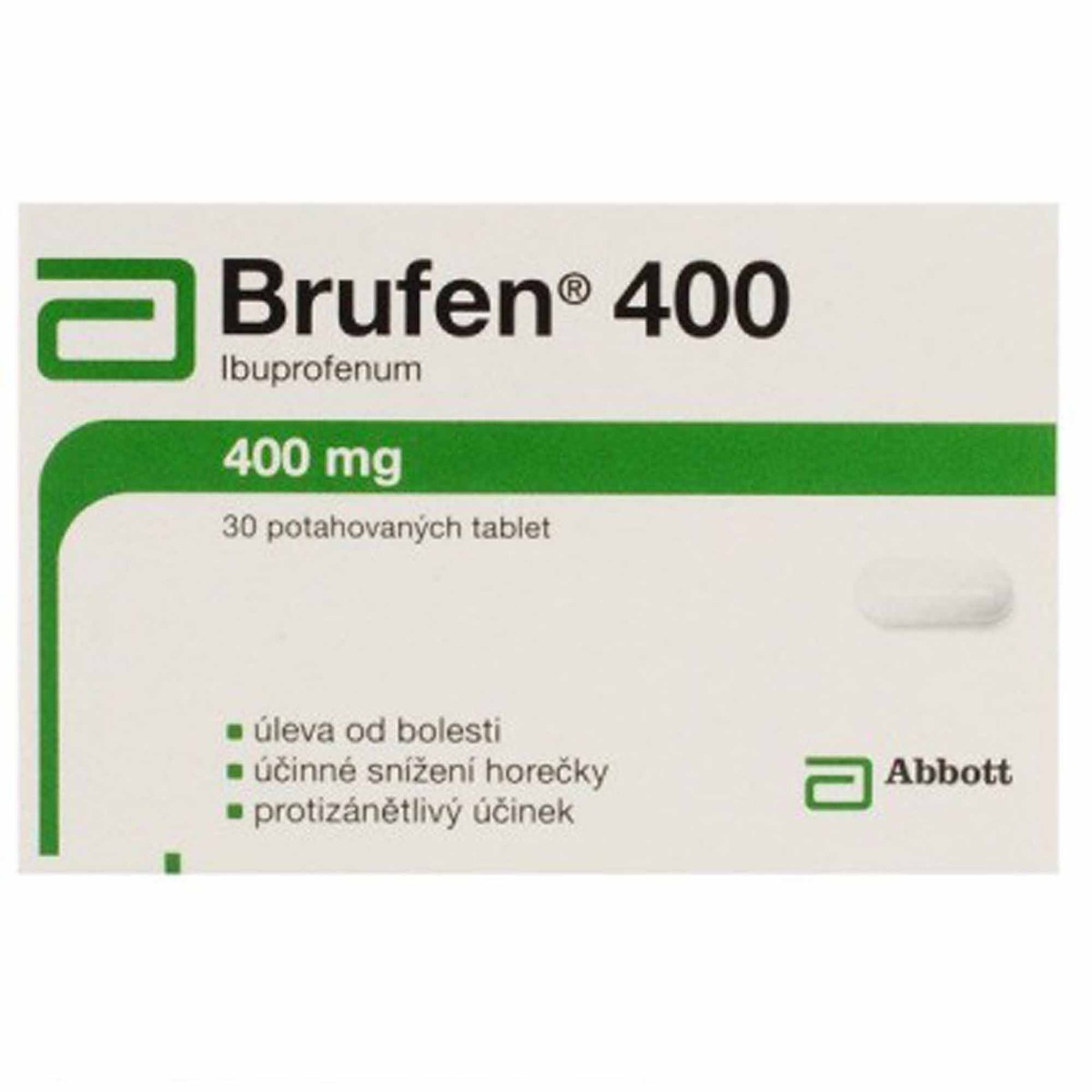
Brufen 400 Mg
Starting at just $0.21 per tabletBuy Now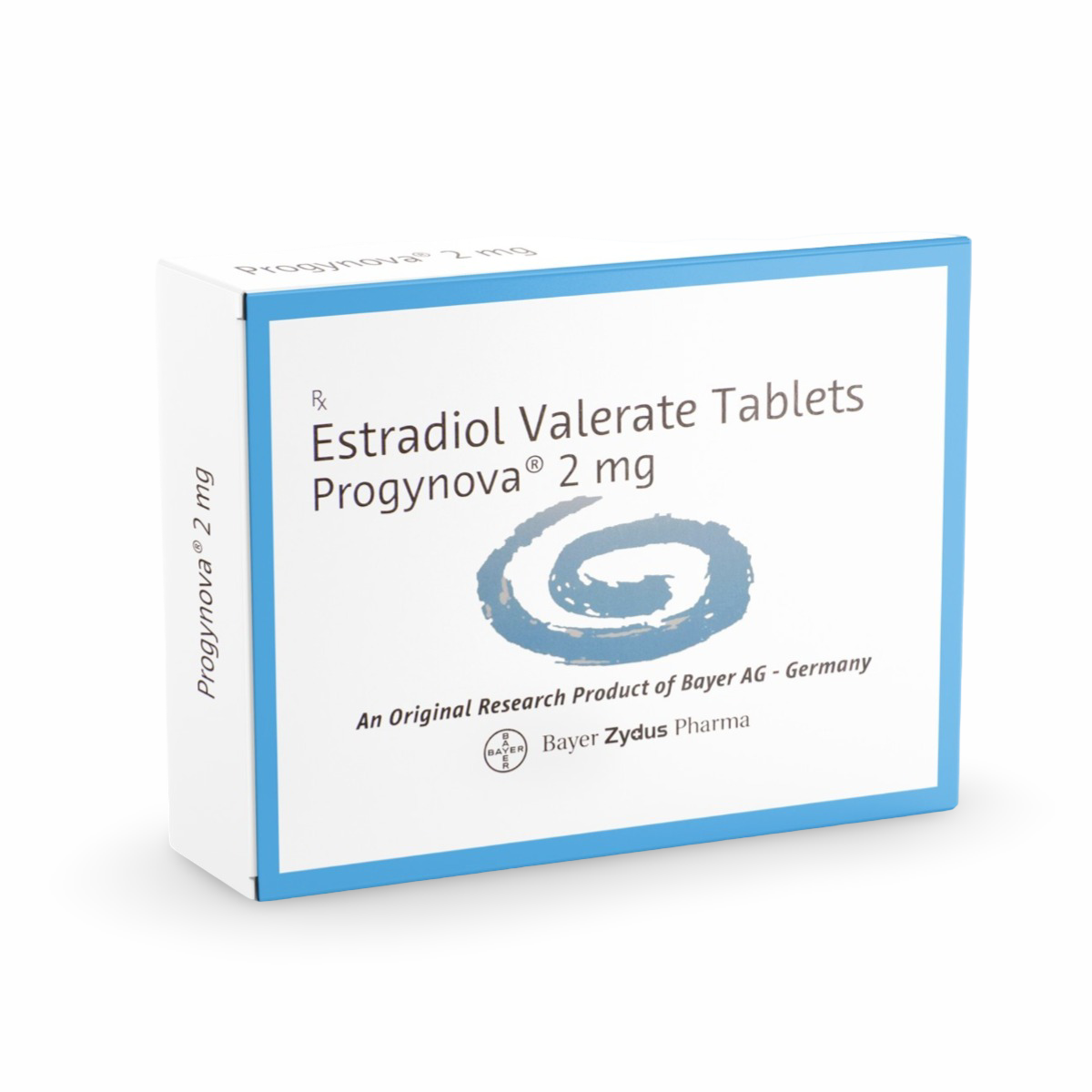
Progynova 2 Mg
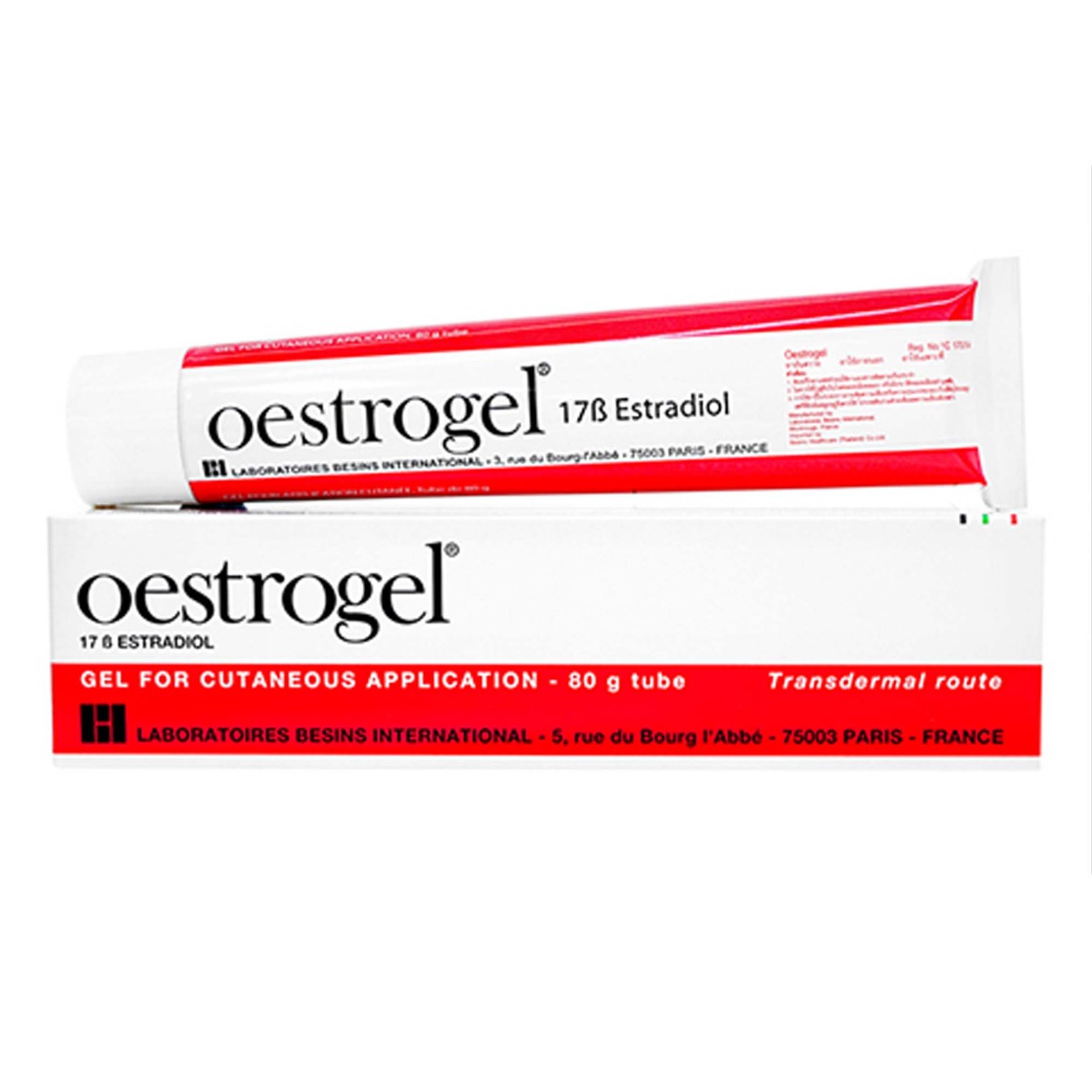
Oestrogel 2.5 gm/1.5 mg
Causes of Ovulation Cramps
Ovulation cramps primarily occur due to hormonal changes in the body during the menstrual cycle.
As an egg is released from the ovary, there is a rise in hormones, including Estrogen and Luteinizing Hormone (LH), which can stimulate the contraction of the uterine muscles.
Additionally, the release of Prostaglandins, chemicals that promote inflammation and muscle contractions, may contribute to the sensation of cramping.
Individual factors such as age, overall health, and reproductive history can also influence the severity of ovulation cramps.
These physiological processes collectively lead to the discomfort experienced by some individuals during ovulation.
Cramping After Ovulation

Cramping after ovulation is a common occurrence, though it is not frequently discussed.
The reasons for cramping can vary and may include the release of an egg from the ovary, which can cause temporary discomfort as the body adjusts.
Hormonal changes during this menstrual cycle phase may also contribute to cramping sensations.
While mild cramping is typically considered normal, persistent or severe cramps may indicate underlying issues that require medical attention.
It’s essential to monitor any unusual symptoms and consult a doctor if cramping becomes severe or disrupts daily activities.
Management Strategies for Ovulation Cramps
Making simple lifestyle changes can help to reduce the discomfort ovulation cramps cause.
Regular physical activity, such as gentle stretching or walking, can help reduce muscle tension and improve blood flow.
Applying heat to the lower abdomen using a heating pad or warm towel can also provide relief.
Over-the-counter medications like Ibuprofen or Acetaminophen can effectively reduce pain and inflammation.
Additionally, relaxation techniques such as deep breathing or meditation can help minimize stress, which can worsen cramping.
Conclusion
Hormonal changes cause ovulation cramps during the menstrual cycle.
The release of an egg from the ovary during ovulation causes temporary irritation or stretching of the ovarian surface, which results in abdominal pain.
The release of an egg causes an increase in hormones, including Estrogen and Luteinizing Hormone (LH), which can lead to cramping.
During ovulation, apart from cramps, individuals may experience bloating, pelvic fullness, and changes in ovulation discharge.
Gentle exercise, applying heat to your lower abdomen, and practicing relaxation techniques like deep breathing or meditation can help relieve the pain.

Frequently Asked Questions
How long do ovulation cramps last?
Ovulation cramps typically last from a few minutes to a couple of days, varying in intensity among individuals. u003cbru003eGenerally, they coincide with the ovulation period, occurring midway through the menstrual cycle. u003cbru003eHowever, if the cramping persists beyond this timeframe or becomes severe, it’s advisable to consult a healthcare professional for evaluation.
How can I differentiate between ovulation cramps and menstrual cramps?
Ovulation cramps typically occur around the middle of your menstrual cycle, often described as a dull ache or twinge on one side of your lower abdomen. u003cbru003eThey usually last a day or two and coincide with ovulation. u003cbru003eMenstrual cramps, on the other hand, occur during menstruation and are often more intense and widespread.
Are ovulation cramps a sign of fertility?
Yes, ovulation cramps can indicate fertility because they typically occur during the release of an egg from the ovary, which is a key aspect of the menstrual cycle.u003cbru003e However, experiencing cramps alone does not guarantee fertility; other factors, such as ovulation timing and overall reproductive health, also play significant roles.
Can ovulation cramps vary in intensity from month to month?
Yes, ovulation cramps can vary in intensity from month to month. u003cbru003eFactors such as hormonal fluctuations, stress levels, and individual differences in pain tolerance can influence the severity of cramping. u003cbru003eKeeping track of these variations can help individuals better understand and manage their menstrual discomfort.
Are ovulation cramps more common in certain age groups?
Yes, ovulation cramps are more commonly experienced by menstruating individuals in their reproductive years, typically between the ages of 18 and 40. u003cbru003eHowever, the frequency and severity of these cramps can vary among individuals. u003cbru003eThey may be influenced by factors such as hormonal fluctuations and overall health.
Cheap Medicine Shop only refers to credible, authoritative sources for our content. If you're curious about how we ensure the integrity of our content, we encourage you to read our Content Information Policy.