




The reproductive health of women is complicated and usually has several misconceptions surrounding it.
One of the most common periods of women’s reproductive cycle, which faces misconceptions, is ovulation.
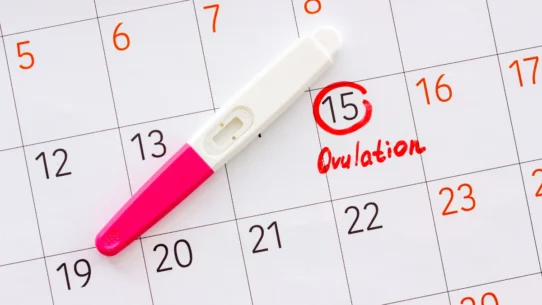
Ovulation is the process of releasing an egg from the ovary during the 14th day of the menstrual cycle.
In some cases, “Can you ovulate while pregnant?” is a common concern that comes up among women.
This article will discuss whether the concept of ovulation during pregnancy is a myth and how there are misinterpretations surrounding it.
Can You Ovulate While Pregnant
No, you cannot ovulate while you are pregnant, and the chances of experiencing it are close to zero.
Ovulation happens in the middle of one’s menstrual cycle and only involves the release of an egg.
Pregnancies involve the fertilization of this egg by sperm and then the implantation of the embryo in the uterine lining.
The ovulation days in a woman come to a halt after this implantation of the fertilized egg.
After the pregnancy, women can notice change in their Progesterone levels, which usually become high.
According to research, after pregnancy, the Progesterone levels become high and reach a level of 100-200 ng/ml.
This high Progesterone level is known for suppressing ovulation, and it may continue for six weeks post-childbirth.
Save up to 90% on your medicine bills

Naprosyn 500 Mg
Brufen 400 Mg
Starting at just $0.21 per tabletBuy Now
Progynova 2 Mg
Oestrogel 2.5 gm/1.5 mg
Misinterpretations Regarding Ovulation During Pregnancy

The question, “Can you be pregnant while ovulating?” usually comes up to the misinterpretation of ovulation symptoms with pregnancy.
Some women experience fatigue or ovulation pain and mistake it for pregnancy.
Other symptoms like Nausea or breast pain during ovulation can also cause further confusion.
Additionally, women sometimes experience bleeding or spotting during pregnancy, which is also known as implantation bleeding.
This can sometimes be mistaken for ovulation bleeding or menstruation.
Thus, it is important to be aware of the physiological changes between early pregnancy and ovulation.
Impact of Fertility Treatments on Ovulation
Individuals who are facing difficulties in getting pregnant can get positive results from several fertility treatments.
These treatments include ovulation induction and Assisted Reproductive Technologies (ART).
The following methods can enhance regular ovulation in women, improve their fertility window, and improve pregnancy chances.
Doctors may also suggest using ovulation tests like ovulation strips or Pregmate ovulation tests for better results.
In some cases, Clomiphene Citrate medications can also improve fertility and ovulation.
Conclusion
The popular question, “Can you ovulate while pregnant usually comes up due to increased misinterpretations.
It is not possible to ovulate while pregnant since the high Progesterone levels in this period suppress ovulation.
Most women confuse certain ovulation symptoms with pregnancy, which also raises this question.
These symptoms include pain, ovulation bleeding, Nausea, and breast pain.
In cases of irregular ovulation or pregnancy problems, fertility treatments can influence ovulation positively.
Some of these treatments are ovulation induction, ovulation tests, Clomiphene Citrate medications, and Assisted Reproductive Technologies (ART)
If you are actively trying to conceive, it is best to consult an expert for proper guidance on the motherhood journey.

Frequently Asked Questions
What are the symptoms of pregnancy during ovulation?
Symptoms of pregnancy during ovulation can mimic the usual signs of ovulation. These may include increased cervical mucus, changes in body temperature, and ovulation pain.
However, pregnancy symptoms such as missed periods, breast tenderness, and fatigue may also occur, often leading to confusion between ovulation and early pregnancy.
How long does it take to be pregnant when ovulating?
Pregnancy usually occurs within 24 hours of ovulation when a sperm fertilizes the released egg. It then travels to the fallopian tube to implant in the uterine lining.
This process normally takes about 6 to 10 days. Individuals can then notice symptoms or find accurate results via pregnancy tests.
How many days after ovulation can you get pregnant?
You can get pregnant if you have intercourse up to 5 days before ovulation, as sperm can survive in the female reproductive parts for several days.
Yet, conception is most likely to occur within 24 hours of ovulation when the released egg is available for fertilization.
How does In Vitro Fertilization (IVF) impact ovulation?
IVF involves stimulating the ovaries to produce multiple eggs using medication. This form of treatment controls ovulation to synchronize follicular development.
Experts then retrieve the eggs, fertilize them out of the body, and then transfer them to the uterus. Thus, it helps with proper ovulation and fertilization of the egg.
What should I do if I suspect I am ovulating during pregnancy?
If you suspect ovulation during pregnancy, it is best to consult your doctor for appropriate diagnosis and guidance.
Early treatments and tests can help them in preventing any serious complications.
Cheap Medicine Shop only refers to credible, authoritative sources for our content. If you're curious about how we ensure the integrity of our content, we encourage you to read our Content Information Policy.