







Pelvic Inflammatory Disease (PID) is a common but serious infection of the female reproductive organs.
One of the key indicators of PID is the presence of pain, which can vary in intensity and location.
PID pain can range from dull, aching sensations to sharp, stabbing pains of varying intensity.
This article delves into PID pain spots and management strategies, which are important for quick detection and effective care.
What is PID Pain
Pelvic pain resulting from inflammation and infection of the reproductive organs is known as Pelvic Inflammatory Disease (PID) pain.
It is a common gynecological condition primarily caused by Sexually Transmitted Infections (STIs) like Chlamydia and Gonorrhea.
One study estimates that the prevalence of chronic pelvic pain (CPP) in women with Pelvic Inflammatory Disease (PID) ranges from 5.7% in Austria to 26.6% in Egypt.
PID pain can vary in intensity and type, ranging from dull, aching sensations to sharp, stabbing pains.
It often indicates tissue injury and underlying inflammation in the uterus, fallopian tubes, and adjacent tissues.
Seeking medical attention immediately upon experiencing PID pain is essential for preventing potential complications such as infertility and chronic pelvic pain.
Save up to 90% on your medicine bills
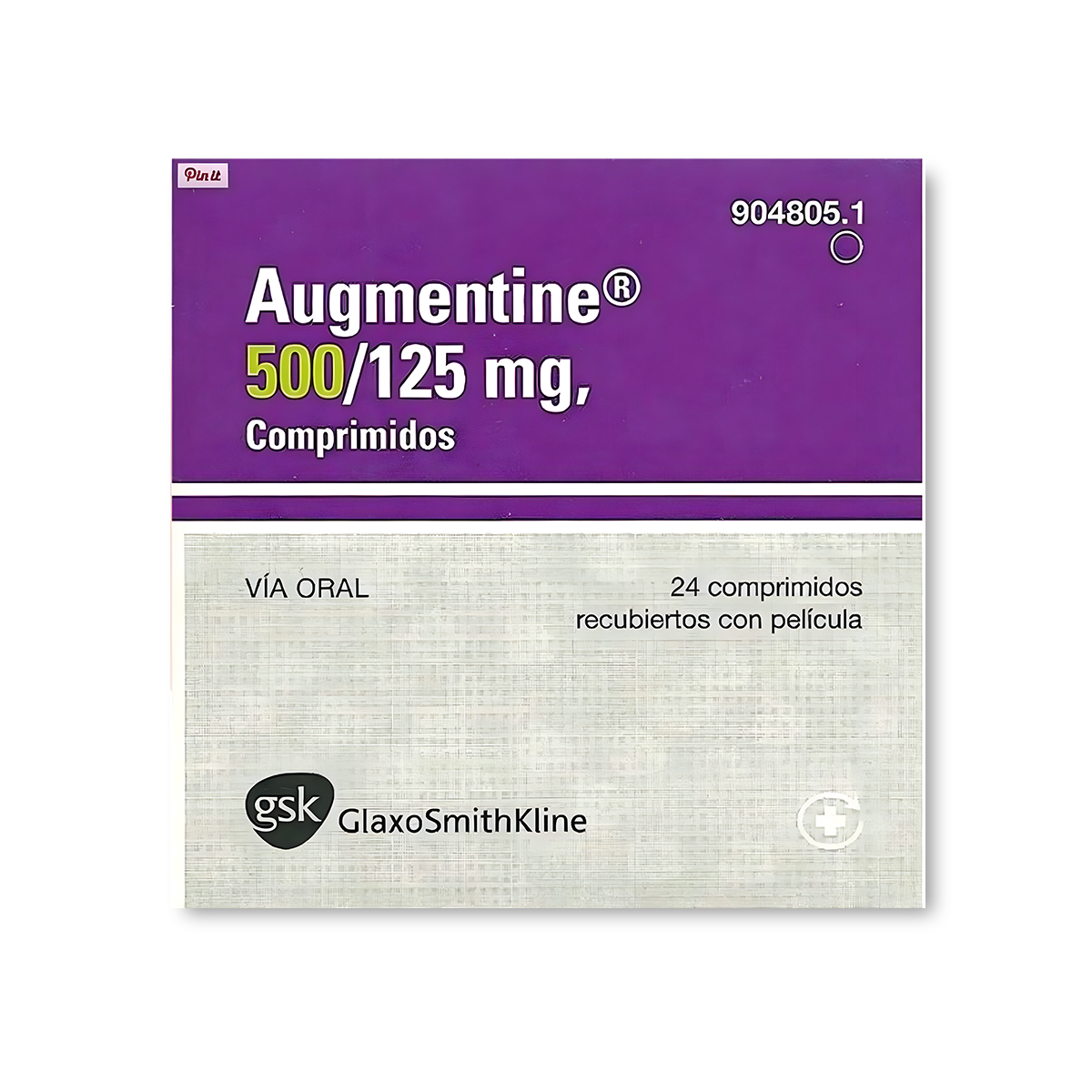
Augmentin 500 Mg+125 Mg
Starting at just $1.14 per tabletBuy Now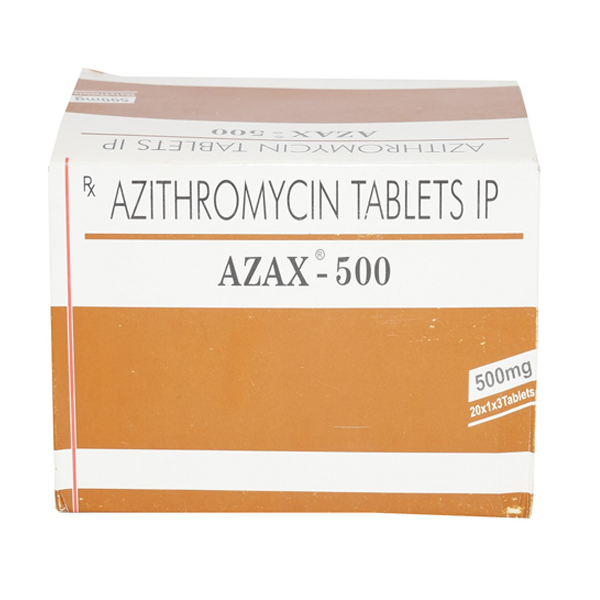
Azax 500 Mg
Starting at just $1.14 per tabletBuy Now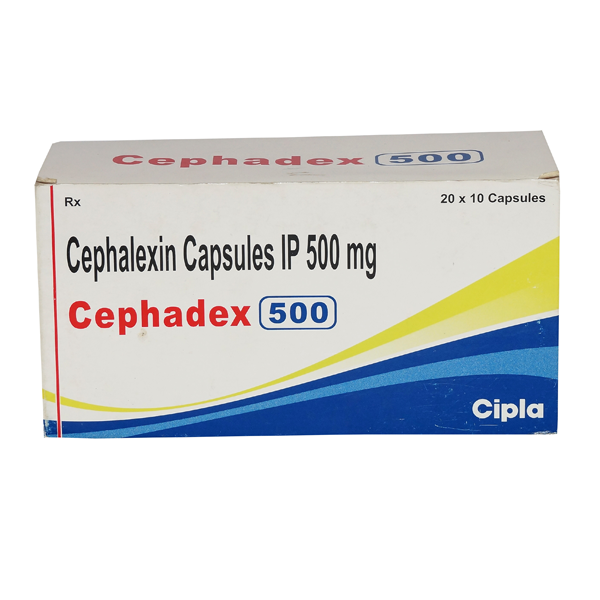
Cephadex 500 Mg
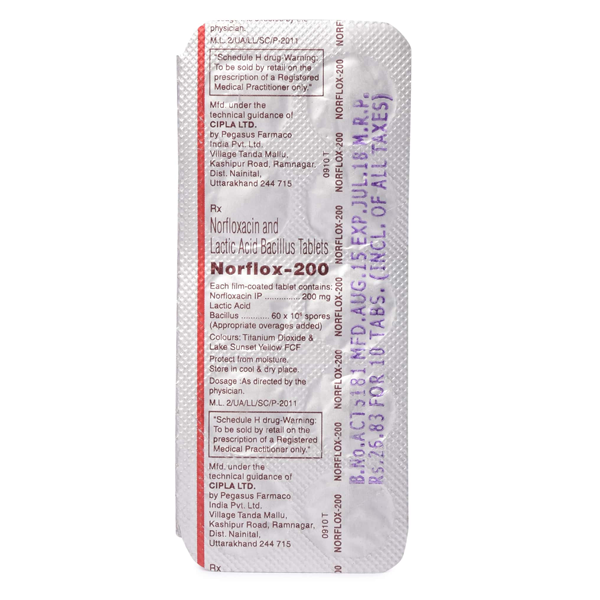
Norflox 200 Mg
Starting at just $0.13 per tabletBuy NowPID Pain Location

Pelvic Inflammatory Disease (PID) can cause pain in different parts of the body.
Common locations include the lower abdomen, lower back, and pelvic region.
Understanding these specific locations can help in diagnosing and managing PID-related discomfort.
PID Abdominal Pain
PID abdominal pain typically presents as a dull, constant ache in the lower abdomen.
This pain often worsens during activities such as intercourse or urination.
PID may cause pain in the right upper abdomen, typically a dull or sharp discomfort under the right ribs, associated with liver or gallbladder inflammation.
Accurate diagnosis and appropriate management are required for a timely medical evaluation to relieve symptoms and prevent complications.
PID Lower Back Pain
PID lower back pain is a common symptom characterized by a dull or sharp ache in the lower back region.
It often accompanies other PID symptoms, such as abdominal discomfort and pelvic pain.
This pain can diverge from the pelvis to the lower back, causing discomfort and reduced mobility.
PID Pain in Leg

Pelvic Inflammatory Disease (PID) can cause pain to radiate into one or both legs.
This pain is often described as a dull ache or throbbing sensation.
Other PID symptoms, such as lower abdominal pain or pelvic discomfort, may accompany it.
While PID pain in the legs is not as common as other symptoms, it can still occur.
Duration of PID Pain
Pelvic Inflammatory Disease (PID) pain can vary in duration from person to person.
Typically, PID pain may last for several days to weeks if left untreated.
The duration of PID pain can be significantly reduced with appropriate antibiotic therapy.
Delaying treatment can lead to complications and prolong the discomfort associated with PID pain.
PID Pain Management
Effective management of PID pain is essential for reducing discomfort and preventing complications.
Antibiotics are usually used with painkillers to treat symptoms and remove the underlying infection.
Rest and heat therapy can also provide relief, while surgery may be necessary in severe cases.
It’s essential to complete the course of antibiotics your doctor prescribes to ensure the infection is fully treated.
Additionally, maintaining good pelvic health practices and avoiding activities that contribute to pain can help in recovery.
Conclusion
Pelvic Inflammatory Disease (PID) is an infection of the female reproductive organs that can lead to serious health complications.
PID pain is caused by inflammation and infection of the reproductive organs, primarily due to STIs such as Chlamydia and Gonorrhea.
PID pain can vary from dull to sharp and is caused by inflammation and tissue damage in the reproductive system.
PID abdominal pain is a constant ache in the lower abdomen that worsens during activities like urination or intercourse.
PID can cause lower back pain, along with abdominal and pelvic discomfort.
Typically, PID pain may last for several days to weeks if left untreated.
However, with quick medical care, including appropriate antibiotic therapy, the duration of PID pain can be significantly reduced.

Frequently Asked Questions
Can PID pain be mistaken for other conditions?
Yes, PID pain can be mistaken for other conditions, such as urinary tract infections or Appendicitis.
It’s important to seek medical evaluation for accurate diagnosis, as untreated PID can lead to complications.
Symptoms like lower abdominal pain, pelvic discomfort, and abnormal vaginal discharge may mimic other conditions, warranting thorough assessment by a healthcare professional.
Can PID pain be managed at home?
Yes, certain measures can help relieve PID pain at home, such as rest, heat therapy, and over-the-counter pain relievers.
Still, seeking medical attention for proper diagnosis and treatment is crucial.
Home management complements prescribed treatments for effective pain relief and prevention of complications under doctors’ guidance.
How does PID pain affect menstrual cycles?
PID pain can disrupt menstrual cycles, leading to irregular periods or heavier bleeding.
The inflammation and infection associated with PID can affect the uterus and ovaries, causing hormonal imbalances that impact the regularity and flow of menstruation.
Seeking prompt medical attention is crucial for proper diagnosis and treatment.
Are there any dietary changes that can help manage PID pain?
No, dietary changes alone may not directly relieve PID pain.
Although maintaining a healthy diet rich in fruits, vegetables, lean proteins, and whole grains can support overall pelvic health and immune function.
It helps with the body’s ability to fight infections and potentially reduces inflammation associated with PID pain.
Is PID pain contagious?
No, PID pain itself is not contagious.
However, the underlying infection, Pelvic Inflammatory Disease (PID), which causes the pain, can be transmitted through sexual contact.
It is essential to seek medical treatment to prevent the spread of the infection to sexual partners and to avoid complications.
Cheap Medicine Shop only refers to credible, authoritative sources for our content. If you're curious about how we ensure the integrity of our content, we encourage you to read our Content Information Policy.