








Dysmenorrhea, a term often unfamiliar to many, is a medical condition that affects millions of women worldwide.
It refers to the painful period cramps experienced by individuals during their menstrual periods.
Severe pain during menstruation (Dysmenorrhea) can disrupt daily activities and quality of life.
This condition can be broadly categorized into Primary and Secondary Dysmenorrhea.
Understanding the symptoms, causes, and treatment options for Dysmenorrhea is important for effectively managing this often-overlooked aspect of women’s health.
Types of Dysmenorrhea
Dysmenorrhea, commonly known as severe menstrual cramps, can be classified into Primary and Secondary Dysmenorrhea.
Primary Dysmenorrhea typically occurs without any underlying medical condition, while Secondary Dysmenorrhea arises from identifiable pelvic abnormalities or disorders.
| Aspect | Primary Dysmenorrhea | Secondary Dysmenorrhea |
| Definition | Menstrual pain without an underlying medical condition | Menstrual pain caused by underlying medical conditions |
| Onset | Typically begins within a few years of menarche | May develop later in reproductive years or abruptly |
| Associated Conditions | Usually not associated with other medical conditions | Associated with underlying health issues, such as Endometriosis or fibroids. |
| Severity of Pain | Typically mild to moderate | Can range from mild to severe, often weakening |
| Response to Treatment | Often responds well to over-the-counter pain relievers | It may require targeted treatment for the underlying cause |
| Recurrence | Typically recurring with each menstrual period | May occur with or without menstrual cycle |
Understanding these differences is important for accurate diagnosis and appropriate treatment of menstrual pain.
Save up to 90% on your medicine bills
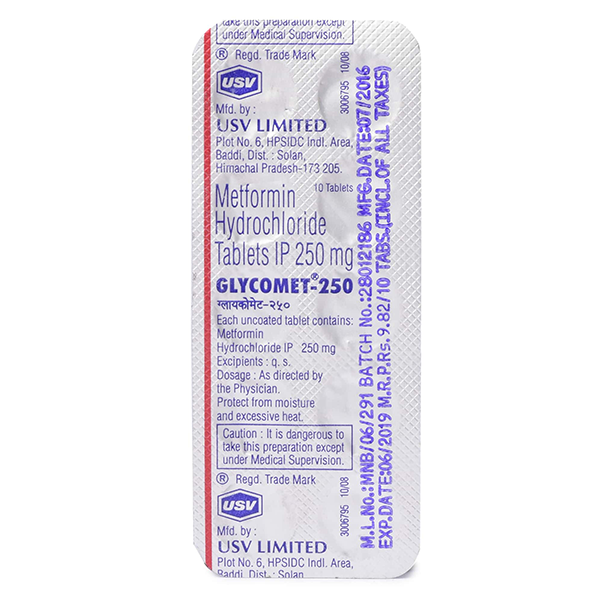
Glycomet 250 Mg

Aldactone 25 Mg
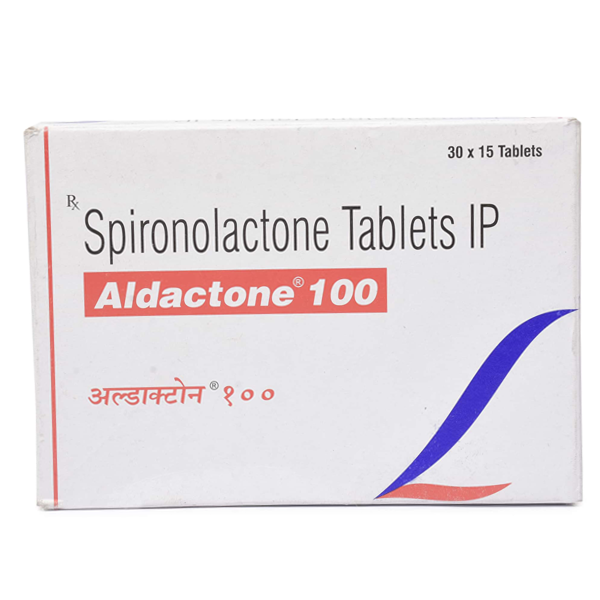
Aldactone 100 Mg
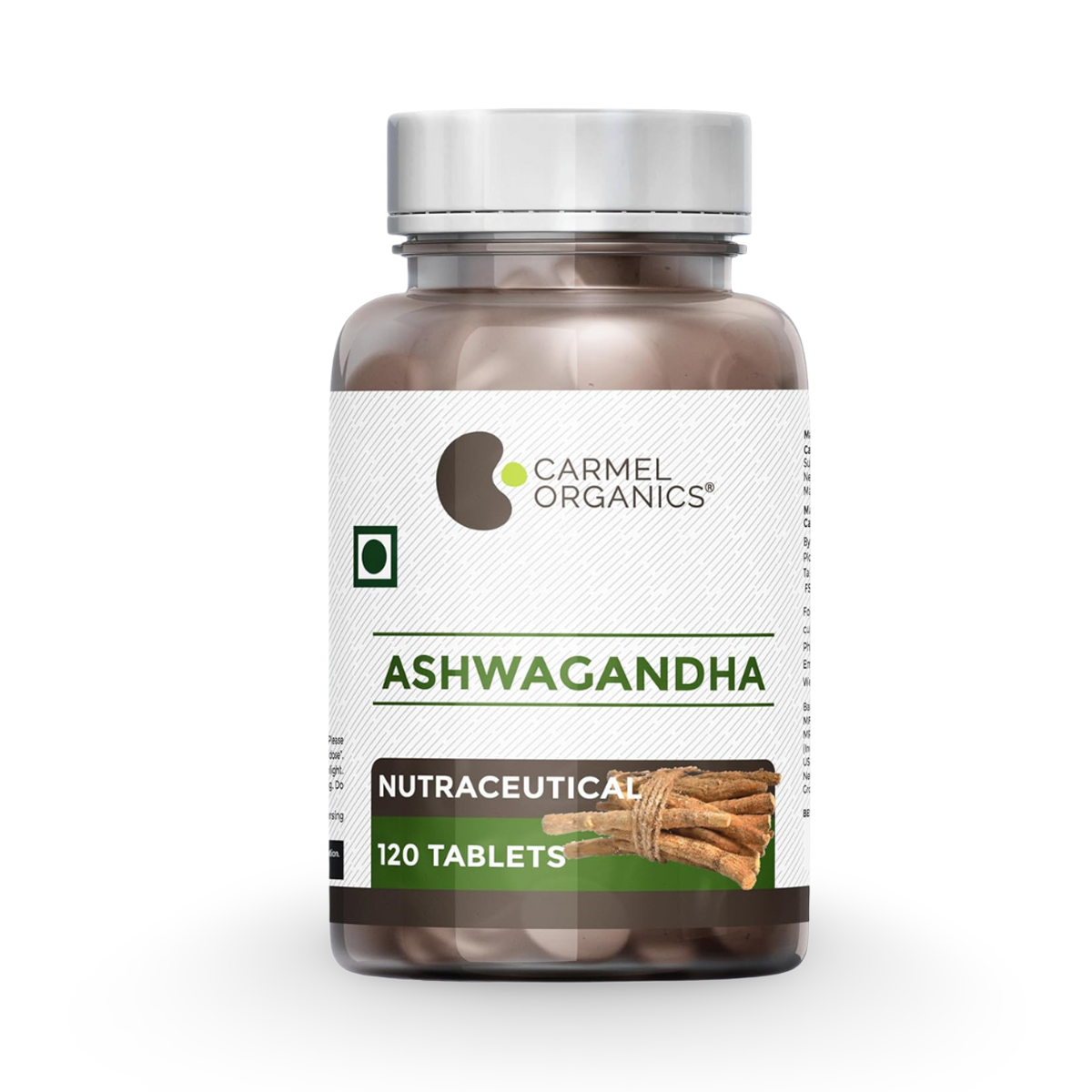
Carmel Organics Ashwagandha Extract Tablets
Dysmenorrhea Symptoms

Dysmenorrhea is characterized by intense menstrual pain that may start before or during menstruation and can continue for several days.
Common symptoms include intense lower abdominal pain, which may radiate to the lower back or thighs.
Many individuals experience Nausea, vomiting, Diarrhea, and headaches during episodes of Dysmenorrhea.
Additionally, some may notice fatigue, dizziness, and even fainting spells due to the severity of the pain.
Recognizing these periods symptoms early and seeking appropriate medical advice for effective management and relief is essential.
Causes of Dysmenorrhea
Dysmenorrhea can be caused by various factors.
The primary cause of Dysmenorrhea is hormonal changes in the body during menstruation.
These hormonal fluctuations trigger contractions of the uterine muscles, leading to discomfort and pain.
Additionally, anatomical abnormalities within the uterus, such as fibroids or polyps, can contribute to Dysmenorrhea.
Moreover, underlying medical conditions such as Endometriosis or Pelvic Inflammatory Disease can also show as Secondary Dysmenorrhea.
Understanding these diverse causes is important for effectively managing and treating Dysmenorrhea.
Dysmenorrhea Treatment Options

When it comes to treating Dysmenorrhea, several options are available to reduce discomfort and improve quality of life.
Non-pharmacological approaches, such as lifestyle modifications, dietary adjustments, and regular exercise, can often provide relief.
Additionally, over-the-counter pain relievers like Nonsteroidal Anti-Inflammatory Drugs (NSAIDs) are commonly recommended to reduce menstrual pain.
For those seeking long-term solutions, hormonal contraceptives or other hormonal therapies may be prescribed by healthcare professionals.
In cases of severe pain or underlying conditions, surgical treatment might be necessary.
It’s important to consult a doctor to determine the most suitable treatment plan personalized to individual needs.
Conclusion
Dysmenorrhea, also known as menstrual pain, is a common issue experienced by women that is often overlooked.
It can be classified into two forms: Primary and Secondary, each with its own distinct set of causes and symptoms.
Menstrual pain can be managed through lifestyle changes or medical treatment options.
Treatment can range from simple adjustments to more complex treatment.
Proper management relieves physical discomfort and enhances overall quality of life.
By understanding Dysmenorrhea and seeking appropriate care, women can take control of their menstrual health and lead fulfilling lives.

Frequently Asked Questions
Can Dysmenorrhea affect fertility?
No, Dysmenorrhea typically does not directly affect fertility.
However, underlying conditions causing Secondary Dysmenorrhea, such as Endometriosis or Pelvic Inflammatory Disease, can impact fertility.
Are there any dietary changes that can help with Dysmenorrhea?
Yes, certain dietary changes may help reduce Dysmenorrhea symptoms.
Incorporating foods rich in Omega-3 fatty acids, Calcium, Magnesium, and Vitamin D can be beneficial.
Additionally, reducing the intake of caffeine, alcohol, and salty foods may help manage menstrual pain and discomfort.
Can stress worsen Dysmenorrhea symptoms?
Yes, stress can worsen Dysmenorrhea symptoms.
Increased stress levels may lead to heightened muscle tension and hormonal imbalances, intensifying menstrual pain.
Stress-reduction techniques like meditation, deep breathing, and regular exercise can help reduce symptoms and improve overall well-being during menstruation.
Are there any exercises or yoga poses that can help relieve Dysmenorrhea pain?
Yes, certain exercises and yoga poses can help relieve Dysmenorrhea pain.
Gentle activities like walking, swimming, and cycling may reduce discomfort.
Yoga poses such as child’s pose, cat-cow stretch, and supine twist can also offer relief by easing tension in the abdomen and promoting relaxation.
How does age affect the prevalence and severity of Dysmenorrhea?
Age influences Dysmenorrhea prevalence and severity. It commonly starts during adolescence and tends to improve with age and childbirth.
Younger women often experience more intense pain due to hormonal changes and less established menstrual cycles.
However, older women may still experience Dysmenorrhea, albeit less frequently and severely.
Cheap Medicine Shop only refers to credible, authoritative sources for our content. If you're curious about how we ensure the integrity of our content, we encourage you to read our Content Information Policy.