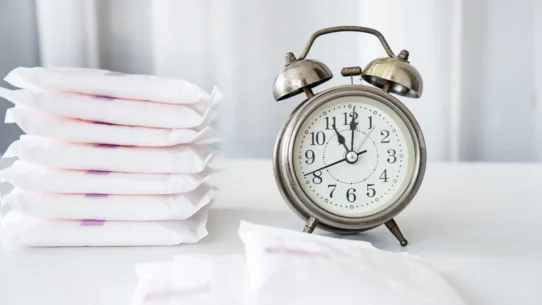







Heavy menstrual flow, also referred to as Menorrhagia, can severely interrupt everyday living, causing both physical and psychological distress for many people. A menstruation or period is considered heavy when the bleeding is significant or lasts more than 7 days.
Thankfully, there are several ways, including lifestyle changes, medical treatments, and alternative treatments, to assist in controlling and easing heavy periods.
In this article, we’ll examine multiple strategies and approaches to find out how to stop heavy periods and regain control of their reproductive health and general well-being.
What Causes Heavy Periods
Understanding the underlying cause of Menorrhagia is crucial for appropriate management and treatment. Several health issues, such as Endometriosis, Adenomyosis, Polycystic Ovary Syndrome (PCOS), Endometrial Hyperplasia, Pelvic Inflammatory Disease (PID), and Certain medications, can all lead to heavy menstrual bleeding.
Let us look at how these health issues lead to heavy menstruation.
Endometriosis: It occurs when the tissue that lines the uterus expands outside of it, causing heavy periods, pelvic discomfort, and infertility.
Adenomyosis: It is a disorder in which endometrial tissue develops into the uterine muscle walls, resulting in heavy, prolonged menstrual bleeding and severe cramping.
Polycystic Ovary Syndrome (PCOS): It is a hormonal condition characterized by irregular menstrual periods, elevated androgen levels, and ovarian cysts. Women with PCOS may have heavy or protracted periods due to irregular ovulation and hormonal abnormalities.
Endometrial Hyperplasia: This disorder causes abnormal thickening of the uterine lining, which can result in prolonged menstrual bleeding.
Pelvic Inflammatory Disease (PID): PID is a sexually transmitted bacterial infection of the female reproductive organs. Severe PID can cause scarring and inflammation in the uterus and fallopian tubes, resulting in heavy periods and pelvic pain.
Certain medications: Some medicines, such as Anticoagulants (blood thinners) or hormone-releasing Intrauterine Devices (IUDs), may cause excessive menstrual bleeding as a side effect.
Save up to 90% on your medicine bills

Naprosyn 500 Mg
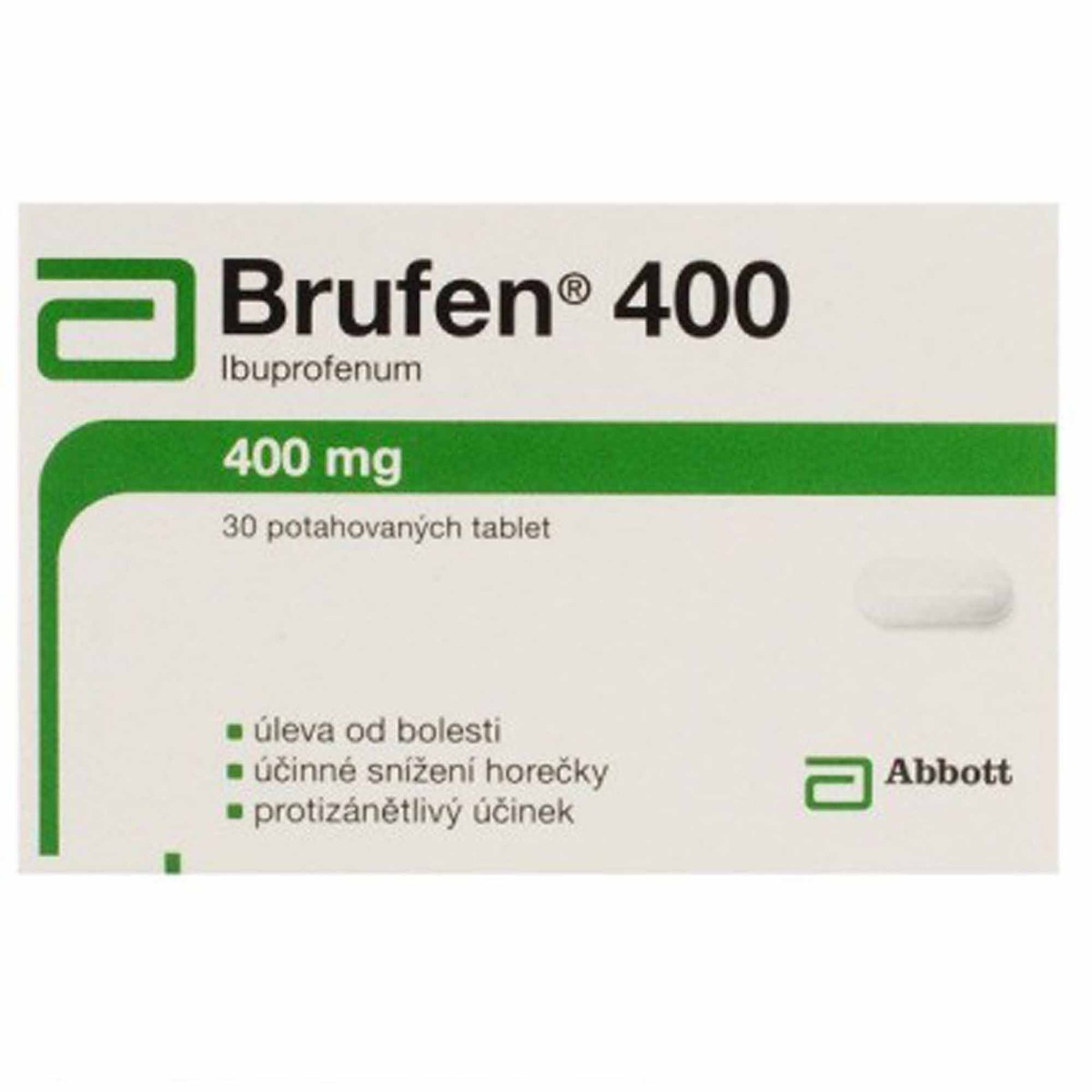
Brufen 400 Mg
Starting at just $0.21 per tabletBuy Now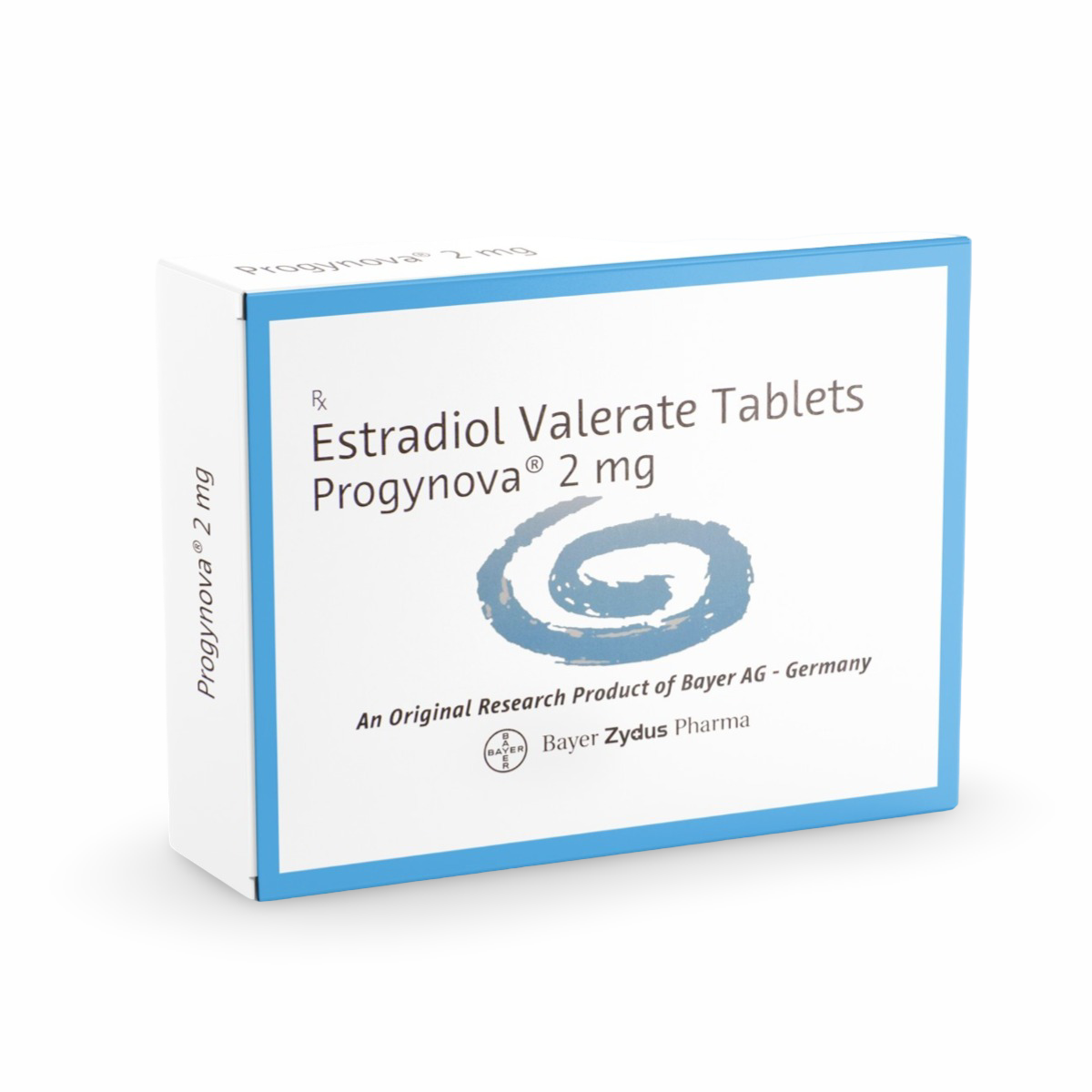
Progynova 2 Mg
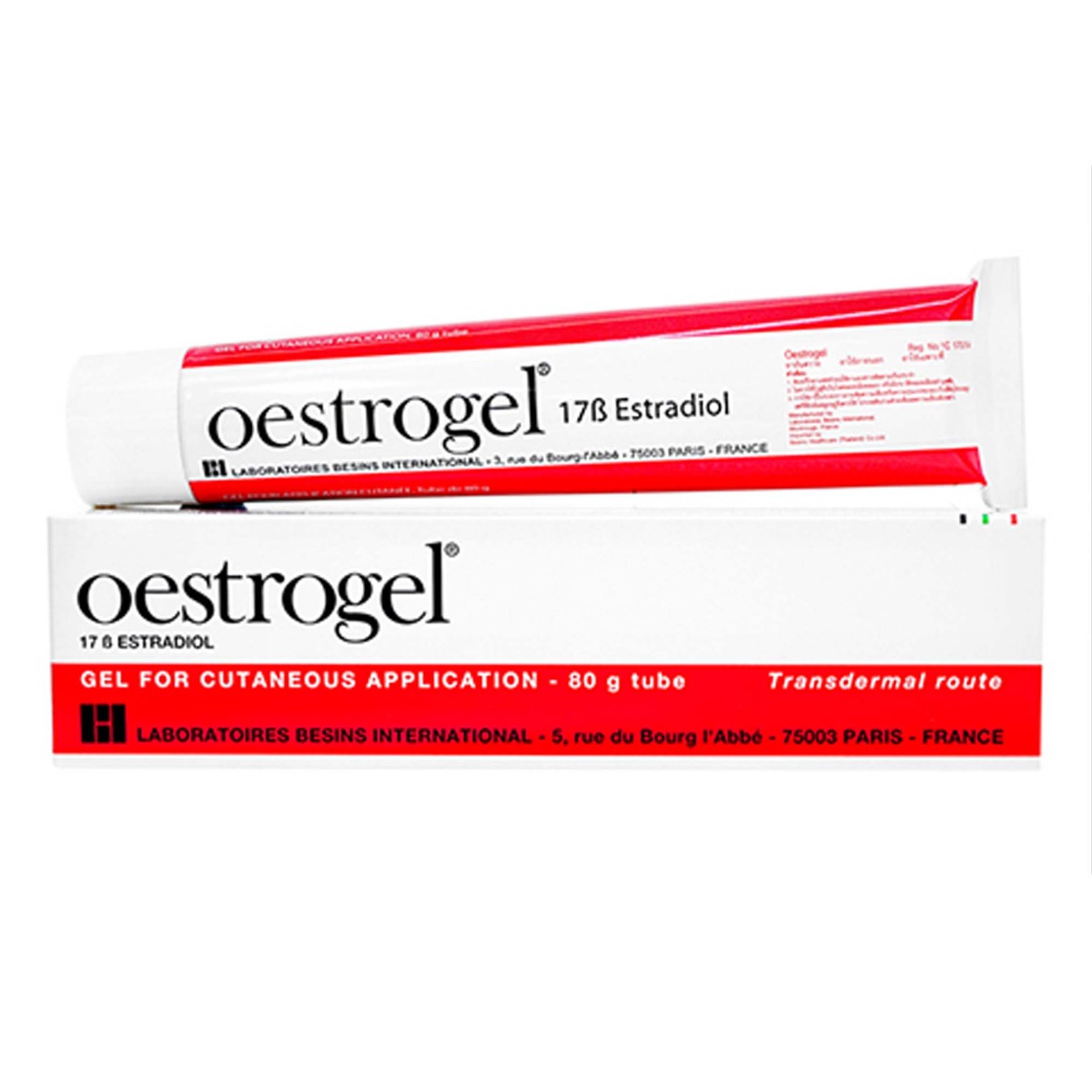
Oestrogel 2.5 gm/1.5 mg
How to Stop Heavy Periods Quickly

The management of heavy periods depends on the underlying cause and mostly involves lifestyle changes, medical treatments, and alternative therapies.
Let’s look at each of the management options one by one.
Lifestyle Changes
Changing your lifestyle can help you overcome heavy periods. This often includes a healthy, well-balanced diet, daily exercise, and stress reduction.
- Diet: A well-balanced diet rich in iron, vitamins, and minerals will aid in maintaining good health and dealing with heavy periods. Leafy greens, lean proteins, and iron-rich meals like beans and fortified cereals can help replace the iron quantity that is drained from your body during menstruation
- Exercise: Regular, moderate physical exercise can help regulate menstrual periods and relieve symptoms of excessive bleeding. Activities like brisk walking, swimming, or yoga improve circulation and decrease stress, resulting in better menstrual health
If you are concerned about doing workouts during your periods; Read Tips for Workout with Period: Maintaining Fitness and Flow
- Stress management: Chronic stress can worsen menstruation symptoms, such as heavy bleeding. Meditation, deep breathing exercises, yoga, and counseling can all help manage stress and enhance menstrual health
Medical Treatment
Usually, medications are recommended for first-line treatment for heavy menstrual bleeding, including birth control, Nonsteroidal Anti-Inflammatory Drugs (NSAIDs), Tranexamic acid, and Medroxyprogesterone acetate.
- Birth control: Hormonal birth control options, such as oral contraceptives, hormonal IUDs, and contraceptive patches, can help regulate menstrual cycles and minimize bleeding by stabilizing hormone levels
- NSAIDs: NSAIDs like Ibuprofen can lower blood loss by 20–49% and help overcome heavy menstrual flow and associated discomfort. These pills are taken from the beginning of the period (or just before) until the bleeding stops
- Tranexamic acid: This is another prescribed medicine that reduces menstrual bleeding by preventing blood clots from dissolving too rapidly. It can be given for short-term usage during heavy periods to reduce bleeding and ease discomfort
- Medroxyprogesterone acetate: This is a form of Progestin which, when given in injectable form, is found to reduce heavy periods by restricting the uterine lining from developing too fast.
If PCOS or any other underlying health issue is causing heavy periods, then managing the condition can help treat heavy menstruation.
To know more about PCOS treatment; read Balancing Hormones: A Comprehensive Guide to Effective PCOS Treatment
In rare cases, surgery like Endometrial ablation (removal of the uterine lining) or Hysterectomy (removal of the entire uterus) can be performed to treat severe or recurrent Menorrhagia.
Alternative Therapies

Besides lifestyle changes and medications, several alternative therapies, such as acupuncture and herbal supplements, can be utilized to reduce heavy menstruation.
- Acupuncture: Acupuncture, a traditional Chinese wellness method involving the insertion of small needles into particular sites on the body, has been researched as a supplemental therapy for menstrual conditions, such as heavy bleeding
Despite the fact that research into its efficacy in treating menstrual irregularities is ongoing, some people experience relief from menstruation problems after frequent acupuncture sessions
- Herbal supplements: Certain herbal supplements, like chasteberry, ginger, and turmeric, are known to have anti-inflammatory and hormonal-balancing effects that might help regulate menstrual cycles and prevent excessive bleeding
However, the efficacy of these treatment approaches can not be guaranteed as these are not approved by the Food and Drug Administration (FDA) as a prescribed method to treat heavy periods. Hence, it is advisable to consult a certified healthcare expert before considering any of these approaches.
Conclusion
Heavy periods or Menorrhagia can be brought on by several health issues, including Endometriosis, Adenomyosis, Polycystic Ovary Syndrome (PCOS), Endometrial Hyperplasia, Pelvic Inflammatory Disease (PID), and Certain medications.
Although Menorrhagia can be unpleasant and stressful, there are several techniques for relieving symptoms and regaining control of menstrual health. Individuals can effectively manage heavy periods by combining lifestyle changes, medical approaches, and alternative remedies.
Hormonal birth control, dietary changes, or other therapies, such as acupuncture, can help people manage heavy periods and live a better, more balanced life.

Frequently Asked Questions
Which food causes heavy periods?
Beetroot, honey, and papaya are some foods that can lead to heavy periods by increasing body temperature and blood flow.
Which food is beneficial for stopping heavy periods?
Lean meat, including red meat or chicken, is an important source of iron and protein and hence can be beneficial for people experiencing heavy periods.
Can lemon stop heavy periods?
No, there is no evidence to support the notion that having lemon or lemon juice can help reduce heavy menstrual flow.
Is there any drink to reduce period flow?
Although there are no specific drinks to reduce heavy period flow, several herbal teas like chamomile, ginger, peppermint, and warm broths, such as vegetable or chicken broth, can help reduce the discomfort associated with heavy periods.
When should I consult a doctor about my heavy periods?
Although experiencing heavy periods occasionally isn’t a matter of concern, you should visit a doctor if your periods are accompanied by other symptoms like pelvic pain, fatigue, or dizziness.
Cheap Medicine Shop only refers to credible, authoritative sources for our content. If you're curious about how we ensure the integrity of our content, we encourage you to read our Content Information Policy.