







High Blood Pressure and heart issues are becoming more common than ever. With busy lifestyles, poor diets, and stress, many people are finding themselves in need of medicines to manage these conditions.
One group of medicines that doctors often prescribe is Angiotensin II Receptor Blockers (ARBs). These medicines are known to be effective in controlling High Blood Pressure or Hypertension, and a number of other heart and related problems. But just like all medicines, ARBs come with their own set of side effects.
In this article, you will read about the most common and serious Angiotensin II Receptor Blockers side effects you should watch out for and how ARBs work.
How ARBs work and why side effects occur?
Angiotensin II receptor blockers, also called ARBs, are a group of medications used to treat Hypertension, heart failure, Chronic Kidney Disease (CKD), diabetic nephropathy, and certain cases of heart attack.
These medicines work by blocking the action of a hormone called Angiotensin II. This hormone usually narrows blood vessels and increases blood pressure. When ARBs block angiotensin II, the blood vessels stay more relaxed and open. As a result, blood pressure goes down, and the heart doesn’t have to work as hard.
Some well-known ARBs are Losartan (Cozaar), Valsartan (Diovan), Telmisartan (Micardis), Irbesartan (Avapro), Candesartan (Atacand) and Olmesartan (Benicar). Each of these medicines works in the same way but may have small differences in how long they last or how strong they are.
ARBs side effects happen because the medicine can affect other parts of the body besides its main target, leading to unwanted reactions. Individual factors like age, health conditions, and other medications can also influence how your body responds. With the right dosage and doctor’s guidance, it’s both safe and effective for long-term use.
Save up to 90% on your medicine bills
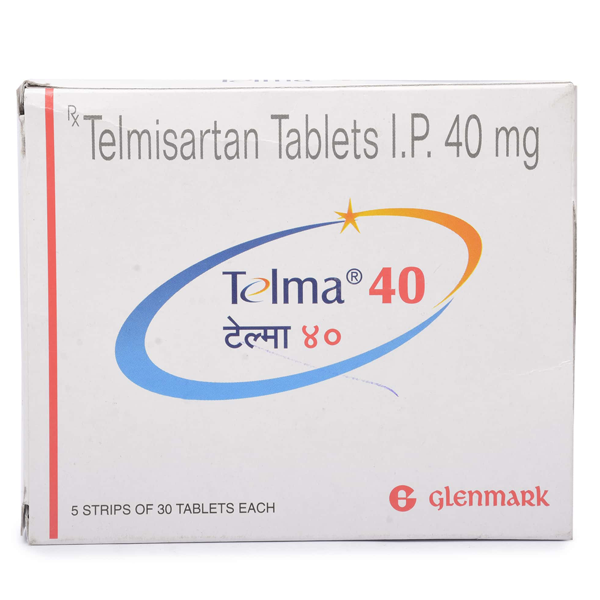
Telma 40 Mg
Starting at just $0.40 per tabletBuy Now
Lipvas 20 Mg
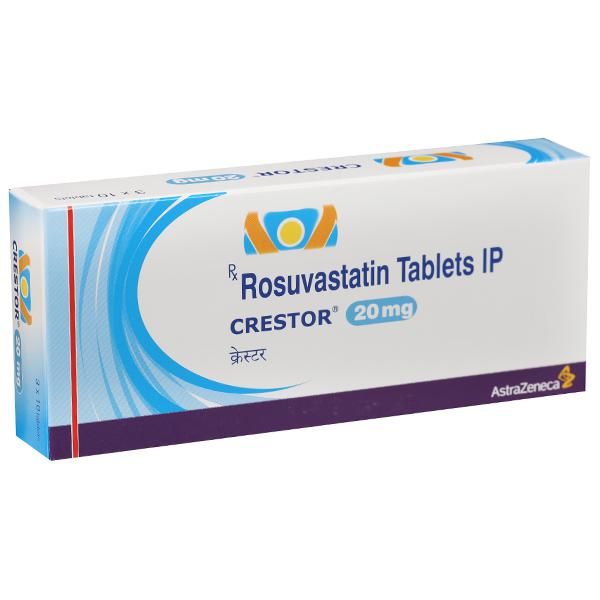
Crestor 20 Mg Tablet

Tonact EZ 20+10 Mg
Common Angiotensin II Receptor Blockers side effects
Most people who take ARBs do not experience serious side effects. These medications are generally well-tolerated. However, that doesn’t mean side effects are impossible.
Here are some of the Angiotensin II Receptor Blockers most common side effects:
- Dizziness or light-headedness: This usually happens when you first start taking the medication or after a dose increase. Since ARBs lower blood pressure, your body may need time to adjust. Getting up too quickly from a sitting or lying position may cause dizziness.
- Fatigue: Some people feel unusually tired or weak when they first begin taking ARBs. This may be because your heart is not working as hard to pump blood, leading to a feeling of low energy.
- Headache: This is a relatively mild and temporary side effect. It often goes away as your body gets used to the medication.
- Increased potassium levels: ARBs can cause potassium to build up in your blood (Hyperkalemia). Too much potassium can affect your heartbeat and lead to other health issues.
Less common but serious side effects
Although rare, some side effects of ARBs can be severe. You should call your doctor or seek medical help immediately if you notice the following:
- Kidney problem: ARBs help protect the kidneys in people with Diabetes, but in some cases, especially when combined with other medications like painkillers or diuretics (water pills), they can reduce kidney function.
- Severe allergic reactions: Though rare, some people might develop an allergic reaction to ARBs like swelling of the face, tongue, or throat, trouble breathing, skin rash or itching.
- Angioedema: This is a condition where swelling occurs under the skin, especially around the face or throat. It’s rare with ARBs but more common with ACE inhibitors. If it does happen, the medication should be stopped immediately.
Drug interactions
It’s important to tell your doctor about all medications and supplements you’re taking. ARBs can interact with:
- Potassium supplements or salt substitutes can raise potassium levels too high.
- Nonsteroidal Anti-Inflammatory Drugs (NSAIDs) like Ibuprofen or Naproxen (can affect kidney function).
- Diuretics (may increase the risk of Low Blood Pressure or kidney issues).
- Lithium (used for mental health conditions – ARBs can increase its levels in the blood).
Tips to manage side effects
Follow these to reduce the chances of side effects and get the best results:
- Take your medication at the same time every day to help your body adjust smoothly.
- Drink plenty of water.
- Avoid potassium-rich foods or supplements unless advised by your doctor.
- Go for regular blood tests to monitor kidney function and potassium levels.
- Let your doctor know if you feel unwell or notice any unusual symptoms.
When to call the doctor
Call your doctor if you experience:
- Ongoing dizziness or fainting
- Muscle weakness or irregular heartbeat
- Swelling of the face, lips, or throat
- Trouble breathing
- Signs of kidney issues
Don’t stop the medication without talking to your doctor first, even if you feel better.
Conclusion
ARBs are a reliable and widely used option for managing High Blood Pressure and other heart-related conditions. They work effectively by helping your blood vessels relax, lowering your risk of heart attack, stroke, and kidney damage. However, like any medicine, ARBs can come with side effects—some mild, others more serious.
The good news is that most people tolerate ARBs very well, and with the right precautions, Angiotensin II Receptor Blockers side effects can often be minimized or avoided. Understanding how these medications work, what signs to look out for, and when to seek medical help can make a big difference in your treatment journey.
Always take ARBs exactly as prescribed, stay consistent with check-ups, and don’t hesitate to report anything unusual to your doctor. Remember, managing hypertension is a long-term commitment, and staying informed is one of the best ways to protect your health.

Frequently Asked Questions
Is it safe to take Angiotensin II Receptor Blockers (ARBs) during pregnancy?
No, ARBs should never be used during pregnancy, especially in and after u003ca href=u0022https://www.cheapmedicineshop.com/blog/womens-health-pregnancy/second-trimester-pregnancy/u0022u003esecond trimesteru003c/au003e. They can harm the unborn baby, including kidney failure. If you are pregnant or planning to become pregnant, talk to your doctor about switching to a safer medication.
How long will I need Angiotensin II Receptor Blockers?
You may need ARBs for the long term, depending on your condition. Many people take them for life to manage chronic issues like High Blood Pressure or heart failure. Your doctor will observe your health and adjust the treatment based on your response and progress.
Can ARBs cause weight gain or swelling?
No, ARBs don’t typically cause weight gain, but some people may experience swelling in the legs or ankles (Edema), especially if kidney function is affected. Always report unexplained swelling to your healthcare provider.
Are ARBs better than Angiotensin-Converting Enzyme (ACE) inhibitors?
Both ARBs and ACE inhibitors are effective for controlling blood pressure and protecting the heart. ARBs are often preferred if ACE inhibitors cause a dry cough, which is a common side effect of ACE medicines.
Cheap Medicine Shop only refers to credible, authoritative sources for our content. If you're curious about how we ensure the integrity of our content, we encourage you to read our Content Information Policy.