








Asthma affects over 250 million people worldwide, affecting lives across all ages and backgrounds. It is a common condition that affects breathing and can cause coughing, wheezing, and shortness of breath.
While it is a chronic condition, many individuals live full, active lives thanks to effective treatments and careful management. Understanding Asthma and its treatment can feel overwhelming, especially when newly diagnosed or caring for a loved one.
This article offers a practical guide to managing Asthma with confidence. From daily care to handling sudden attacks and exploring alternatives beyond inhalers, you’ll find clear, essential information to help you breathe easier and live well.
Overview of Standard Asthma Treatments
Treatment cannot cure Asthma, but you can control it with medicines and by avoiding things that make it worse, like smoke, dust, and pollution.
Here is a simple overview of standard Asthma treatments:
- The main treatment uses inhalers that send medicine directly into your lungs. There are two main types of inhalers:
- Quick-relief inhalers (relievers): These open your airways quickly when you have coughing or wheezing symptoms. They relax the muscles around your airways. Examples are Albuterol or Salbutamol.
- Preventer inhalers (controllers): These reduce swelling and mucus inside your airways. They usually contain Inhaled Corticosteroids (ICS), the primary medicine for long-term Asthma control. You use these every day to keep your Asthma calm.
- Many use inhalers that combine ICS with Long-acting Beta₂-agonists (LABA), like Formoterol. LABA relaxes airway muscles longer, helping keep airways open all day.
- Some people take Leukotriene Receptor Antagonist pills to help control Asthma, especially if allergies cause symptoms.
- Always use quick-relief inhalers when symptoms start, but use preventer or combination inhalers daily as your doctor says.
- For severe Asthma, doctors may inject special medicines called Biologics to reduce swelling inside the airways.
- Avoiding triggers like allergens, smoke, and pollution is also very important to keep Asthma under control.
Following your doctor’s plan helps you breathe easier and live an active life.
Save up to 90% on your medicine bills

Asthalin 100 Mcg Inhaler
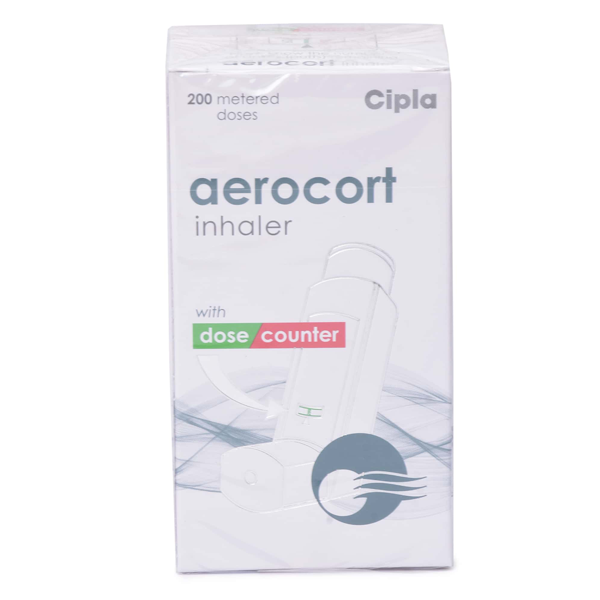
Aerocort Inhaler 50 Mcg + 50 Mcg
Starting at just $8.33 per tabletBuy Now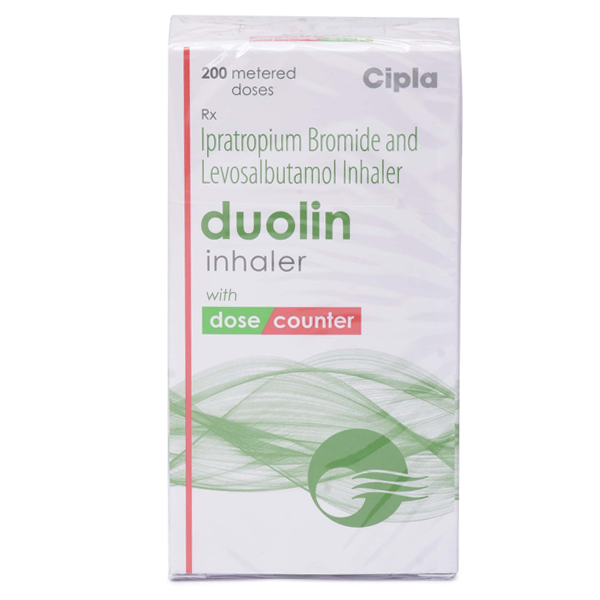
Duolin Inhaler 50 Mcg + 20 Mcg
Starting at just $11.04 per tabletBuy Now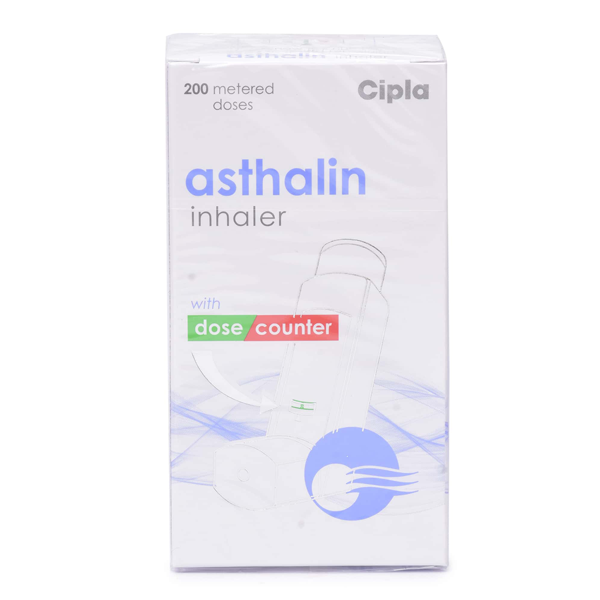
Asthalin HFA Inhaler 100 Mcg (200 mdi)
Starting at just $7.32 per tabletBuy NowAcute flare-up and Asthma attack treatment
An Asthma attack can be frightening, but knowing how to respond is key. Asthma exacerbation treatment focuses on quickly opening the airways and reducing inflammation.
Use a rescue inhaler immediately as directed. If symptoms do not lessen, seek emergency medical help.
At the onset of an attack:
- Sit upright and stay calm.
- Administer 4 puffs of a reliever inhaler (e.g., Albuterol), using a spacer if available.
- Take 4 breaths per puff.
- Wait 4 minutes and repeat if needed, up to 12 puffs.
- If symptoms persist or worsen, contact emergency services and continue the inhaler until help arrives.
Oral corticosteroids (e.g., Prednisone 37.5–50 mg daily for 5–10 days) are often prescribed to reduce inflammation during flare-ups.
If Peak Expiratory Flow (PEF) remains below 80% after treatment, this signals poor response and requires medical attention.
Following a personalized Asthma Action Plan developed with your healthcare provider can help manage symptoms and reduce emergency visits.
Peak Expiratory Flow (PEF): The fastest speed at which you can blow air out of your lungs.
Anti-IgE: Anti-IgE therapy blocks IgE antibodies to prevent allergic reactions and reduce inflammation.
Bronchoconstriction: The tightening of airway muscles that narrows airways and makes breathing difficult.
Management of severe Asthma
People with severe or difficult-to-control Asthma may not respond well to standard treatments.
Biologic therapies, such as Omalizumab (targets IgE), offer targeted inflammation control and is effective for allergic Asthma. According to the New England Journal of Medicine, phase III trials published in 2024, Depemokimab, given twice a year, lowered the annual rate of exacerbations by about 54 % in people with severe eosinophilic Asthma.
Biologics require ongoing monitoring and may cause side effects like injection site reactions or increased infection risk. Your doctor will choose the right biologic based on your Asthma type.
Tailored treatment for different Asthma types
Asthma presents in various forms, and treatment should be individualized:
- Allergic Asthma: Focuses on allergen avoidance, antihistamines, and sometimes immunotherapy.
- Cough variant Asthma: Treated mainly with inhaled corticosteroids to manage chronic coughing.
- Exercise-induced Bronchoconstriction (EIB): ICS/Formoterol inhalers used before activity offer better prevention than SABA alone. A 2023 Brazilian study supports using Noninvasive Positive Pressure Ventilation (NIPPV) and breathing exercises to improve outcomes in children with EIB. Respiratory muscle training enhances lung strength and reduces medication reliance in EIB cases.
- Asthma with Pneumonia: This requires treating both the Pneumonia infection (antibiotics) and the Asthma (anti-inflammatory and bronchodilator medications).
Asthma treatment without inhalers
While inhalers are the standard, non-inhaler options include:
- Nebulizers, delivering medication in mist form, are often used for young children or during attacks.
- Oral medications (e.g., leukotriene antagonists) or injections (like biologics).
- Alternative remedies (e.g., diet, supplements, acupuncture) may offer support but should not replace primary treatment.
Always consult a doctor before trying alternatives.
Asthma treatment guidelines and best practices
Asthma treatment aims to:
- Control Asthma symptoms
- Prevent attacks
- Maintain open airways
According to the 2023 Global Initiative for Asthma (GINA), a stepwise, personalized approach is essential. GINA promotes ICS-Formoterol as the preferred reliever over SABA-only use. Regular reviews with your doctor help fine-tune your regimen and ensure effectiveness.
Natural, alternative, and holistic approaches
Complementary treatments support overall wellness. Breathing exercises, yoga, and meditation improve quality of life and reduce stress. Natural products like honey and garlic are traditionally used to ease cough, especially in children.
A trial published in the Journal of Alternative and Complementary Medicine in 2017 saw that acupuncture, combined with standard care, improved the quality of life for people with allergic Asthma compared to standard care alone.
Note: These are not substitutes for medical treatment and should only supplement care under supervision.
Home remedies and OTC support options
Managing Asthma at home involves:
- Trigger control: Reduce dust, pet dander, smoke, and pollution exposure.
- OTC aids: While effective Asthma medicines are prescription-based, items like saline sprays, humidifiers, or nebulized saline may ease mild symptoms.
- Nutrition: Diets rich in vitamins C and E and omega-3 fatty acids support lung health.
These methods support, but do not replace, prescribed treatment. Always consult a doctor first.
Conclusion
Asthma treatment helps you breathe better. It includes daily inhalers, quick-relief medicine, and stronger options like biologics for severe Asthma. Always follow your doctor’s plan and never change your treatment without asking them first.
Understanding your Asthma, using your medicine correctly, and acting fast during attacks can keep you safe and active. Some home remedies may help with symptoms but should not replace medical treatment.
Different treatments work for different people. Some, like ICS/LABA inhalers, work quickly. Others, like biologics such as Omalizumab or Depemokimab, last longer but cost more. Your doctor can help you choose the best one based on your Asthma type and history.
Following Asthma guidelines keeps your symptoms under control. The advice in the article comes from current research, but it’s not a substitute for medical care. Always talk to your healthcare provider about what’s best for you.

Frequently Asked Questions
Can an Asthma attack go away without treatment?
No, an Asthma attack usually does not go away without treatment. It can be tough to breathe during an attack, and you need medicine or help to feel better. Rest and medicine are essential for safe recovery.
How does Asthma affect dental treatment?
Asthma affects dental treatment because Asthma medicines can lower saliva, weaken teeth, and cause cavities, gum disease, and mouth infections. Some Asthma medicines can also cause dry mouth and change saliva, increasing dental problems. Stress or anxiety during dental visits may trigger Asthma attacks.
How much does Asthma treatment cost?
Asthma treatment costs vary. Mild cases cost less, while severe Asthma can cost thousands yearly. Most expenses come from medicine and doctor visits. Emergency care or hospital stays cost much more. The more serious and frequent the symptoms, the higher the cost.
Can I live a long life with Asthma?
Yes, you can live a long life with Asthma. You can manage Asthma by taking your medicines. You should also avoid things that trigger your Asthma. See a doctor regularly to keep your lungs healthy.
Cheap Medicine Shop only refers to credible, authoritative sources for our content. If you're curious about how we ensure the integrity of our content, we encourage you to read our Content Information Policy.