






Polycystic Ovary Syndrome (PCOS) is one of the most common hormonal conditions affecting women in Australia. According to available data, approximately 12% of the women aged 16-29 are affected by PCOS nationwide.
The condition disrupts normal ovarian function and may cause irregular periods, acne, excess hair growth, weight gain, and fertility challenges. Managing PCOS involves a structured, long-term treatment strategy that addresses hormone balance, metabolic health, and reproductive goals.
With appropriate care, many women successfully regulate their menstrual cycles, conceive naturally or with support, and reduce long-term health risks. This article discusses all options available for women seeking PCOS treatment in Melbourne, covering natural to medical options.
Natural and lifestyle-based PCOS treatments
Lifestyle and supportive therapies play a central role in PCOS management. These treatments aim to improve hormone regulation, insulin sensitivity, and overall metabolic health. Some of the natural treatment options for PCOS include:
- Dietary changes: Dietitians can develop individualized meal plans focused on low-glycaemic carbohydrates, lean proteins, and healthy fats to stabilize blood sugar and reduce androgen levels.
- Natural therapies: Options such as acupuncture and structured stress-reduction techniques, such as yoga and mindfulness techniques, can support cycle regulation and reduce cortisol-related hormonal disruption. These therapies should be performed by a qualified practitioner.
- Supplements: Certain supplements, like Ashwagandha, can support hormonal balance and improve insulin sensitivity. They should be used only after consulting a healthcare professional.
- Weight management programs: Supervised programs combining nutrition planning, exercise routines, and behavioral counseling can help reduce abdominal fat, improve menstrual regularity, and enhance fertility outcomes.
- Psychological support: Counseling and therapy can help manage Anxiety, Depression, and body image concerns associated with PCOS, improving overall treatment outcomes.
These approaches are often combined with medical therapy for optimal results.
Save up to 90% on your medicine bills
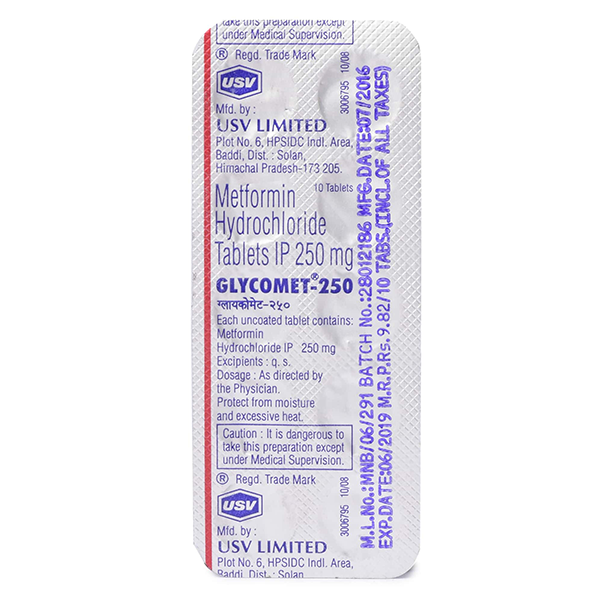
Glycomet 250 Mg

Aldactone 25 Mg
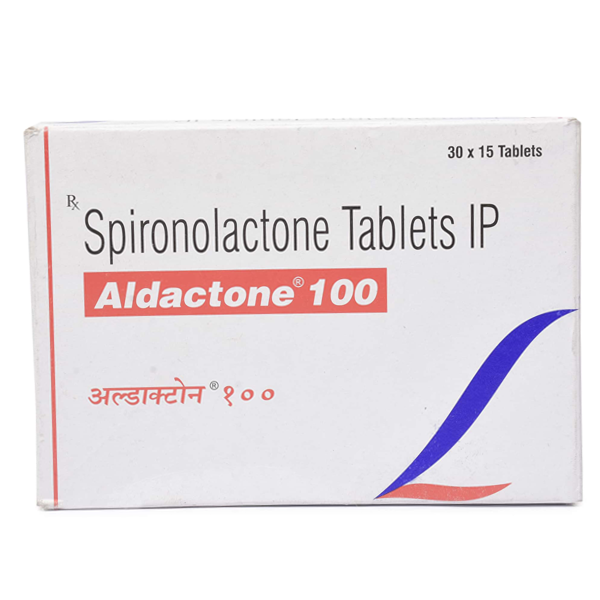
Aldactone 100 Mg

Carmel Organics Ashwagandha Extract Tablets
Medical treatments for PCOS
A doctor can decide the appropriate medical treatment for PCOS depending on symptom severity, fertility goals, and metabolic health status. Some of the options include:
- Hormonal contraceptives: Combined oral contraceptive pills are prescribed to regulate menstrual cycles, reduce androgen levels, and manage acne or Hirsutism (excess hair growth typically on the face, chest, back, and abdomen).
- Metformin therapy: While commonly used for Type 2 Diabetes, a doctor can prescribe Metformin to improve insulin resistance in women with PCOS and help regulate blood glucose levels. This can indirectly improve ovulation and cycle regularity.
- Anti-androgen medications: These medications help reduce excessive hair growth and acne by lowering circulating androgen levels. Commonly prescribed off-label options include Spironolactone, Flutamide, and Finasteride.
- Ovulation induction medicines: Medicines such as Clomiphene or Letrozole are prescribed to stimulate ovulation in women with PCOS who are trying to conceive.
- Gonadotropin therapy: This treatment involves injectable follicle-stimulating hormone (FSH) or a combination of FSH and luteinizing hormone (LH) to directly stimulate the ovaries to develop and release mature eggs.
- Ovarian drilling: In selected cases, a minimally invasive surgical procedure can be performed to restore ovulation.
- Assisted Reproductive Technology (ART): It includes advanced fertility procedures such as In Vitro Fertilization (IVF), in which eggs are fertilized outside the body and transferred into the uterus. It helps women to conceive when other fertility treatments are unsuccessful.
Regular hormone testing, metabolic screening, and ultrasound monitoring are essential to ensure safe and effective treatment.
Where to get PCOS treatment in Melbourne?
Women seeking PCOS care in Melbourne have access to multiple public and private healthcare services. Whether needing diagnosis, hormone testing, fertility support, prescription medication, or long-term monitoring, several trusted options are available, including:
Online pharmacies
Reliable and trustworthy online pharmacies like Cheap Medicine Shop provide home delivery for PCOS medications. They allow women with prescriptions from a licensed doctor to upload them and receive medicines at their doorstep. Benefits include:
- Discreet delivery
- Access to brand-name and generic options
- Repeat prescription reminders
- 24×7 customer support
Save up to 90% on your medicine bills
Glycomet 250 Mg
Aldactone 25 Mg
Aldactone 100 Mg
Carmel Organics Ashwagandha Extract Tablets
Offline pharmacies
Prescription medicines like Metformin, hormonal contraceptives, and anti-androgens are easily available at local chains. They offer benefits such as pharmacist counseling on dosage and side effects. Some of the best options are:
- Chemist Warehouse
- Priceline Pharmacy
- TerryWhite Chemmart
Hospitals and medical centers
Major hospitals in Melbourne offer complete PCOS assessment, including hormone testing, ultrasound evaluation, endocrinology referrals, and fertility services, under one roof for coordinated care. These are ideal for women needing detailed diagnostics or specialist input. Top choices include:
- Royal Melbourne Hospital
- The Royal Women’s Hospital
- Monash Health
Women’s health and specialty clinics
Dedicated women’s health clinics often provide faster appointments and personalized hormone care. These are best for women seeking hormone management, fertility evaluation, ovulation monitoring, or long-term PCOS care plans. Some of the options available are:
- Jean Hailes for Women’s Health
- Melbourne IVF
Telehealth services
Telehealth services offer virtual consultations that allow women to connect with licensed Australian doctors from home. They can help with symptom assessments, lab test orders, and electronic prescriptions, saving time and travel.
These services are ideal for follow-up visits, prescription renewals, hormone monitoring, and convenient advice. Some of them are:
- InstantScripts
- HotDoc
- Qoctor
Conclusion
PCOS treatment requires a structured and individualized management plan that combines lifestyle intervention with appropriate medical therapy. Doctors can prescribe oral contraceptives to regulate cycles and reduce androgen levels or Metformin to improve insulin sensitivity and support ovulation.
Fertility care can include ovulation induction medicines or monitored injectable hormone therapy. Psychological counseling, structured exercise, weight management, and supervised stress management can also improve long-term outcomes.
To get PCOS treatment in Melbourne, women can access a wide range of healthcare options, including major hospitals such as Monash Health, specialist women’s clinics, and local pharmacies. Online pharmacies such as Cheap Medicine Shop and telehealth services also provide PCOS medicines without the hassle of in-person visits.
Regular monitoring and coordinated care improve safety and treatment effectiveness.
With proper medical supervision, many women achieve cycle control, better metabolic health, and improved fertility outcomes.
Frequently Asked Questions
What is the most effective treatment for PCOS?
There is no single most effective treatment for PCOS because it depends on individual symptoms and goals. Lifestyle modification combined with hormonal therapy or Metformin is often highly effective for cycle regulation and metabolic control. For fertility, ovulation induction medications are usually the first-line approach.
Can we treat PCOS permanently?
No, PCOS cannot currently be cured permanently, but it can be effectively managed. With proper lifestyle changes, medical treatment, and regular monitoring, symptoms can be controlled, and complications significantly reduced.
What should you avoid eating with PCOS?
If you have PCOS, limit highly processed foods, refined carbohydrates, sugary beverages, and excessive saturated fats. These foods can worsen insulin resistance and hormonal imbalance. A low-glycaemic, balanced diet is typically recommended.
Do Melbourne specialists offer hormone regulation therapies for PCOS?
Yes, Melbourne-based specialists and medical centers offer a wide range of hormone regulation therapies for Polycystic Ovary Syndrome (PCOS). Women can consult a licensed endocrinologist or gynecologist for proper evaluation, diagnosis, and ongoing management.
What labs or tests are required to diagnose PCOS?
PCOS diagnosis requires two of three Rotterdam criteria: irregular periods, high androgens, or polycystic ovaries on ultrasound. Key tests include blood tests for hormones (testosterone, LH, and FSH) and a pelvic ultrasound. Glucose/insulin and prolactin tests are used to rule out other issues.
Cheap Medicine Shop only refers to credible, authoritative sources for our content. If you're curious about how we ensure the integrity of our content, we encourage you to read our Content Information Policy.