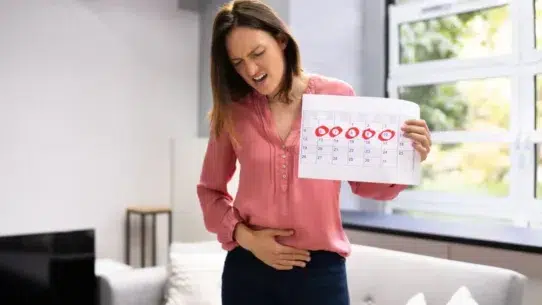






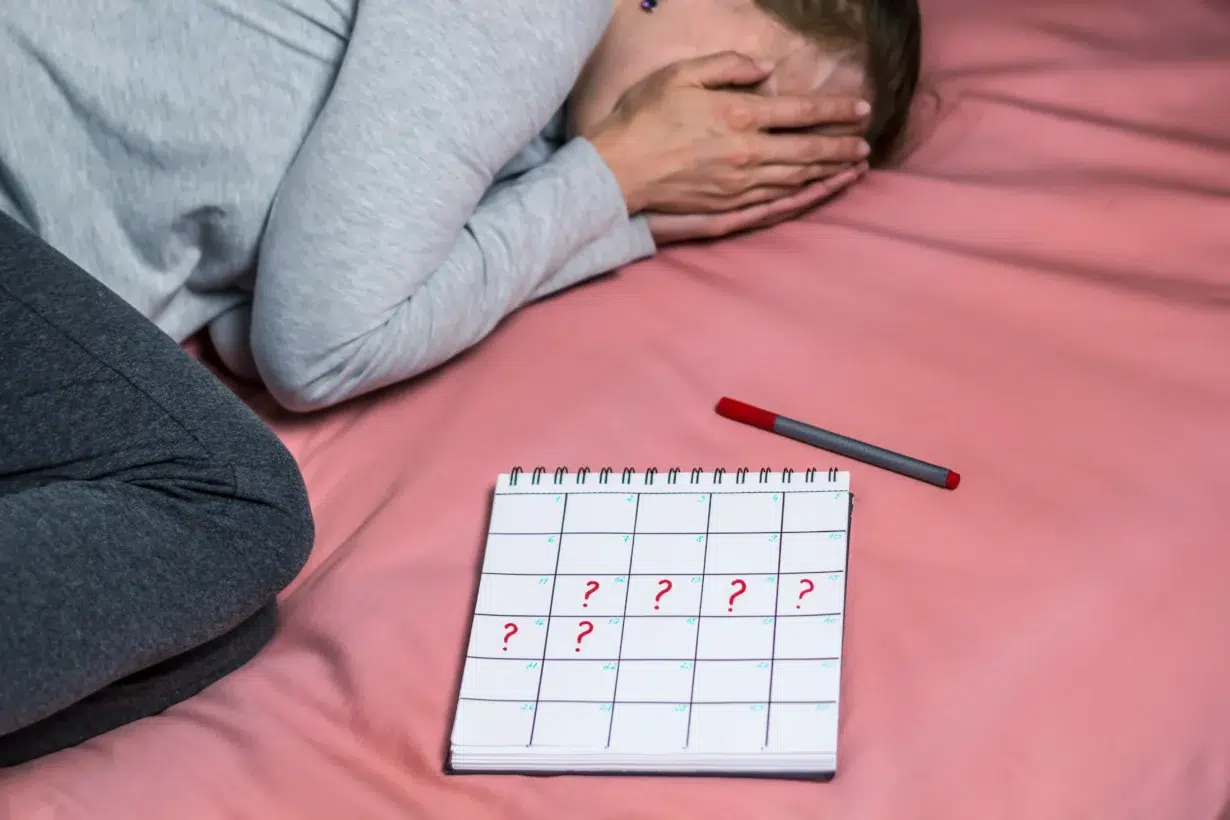

Amenorrhea is defined as the lack of menstruation or period for 3-6 months in women or Assigned Females at Birth (AFAB) of reproductive age.
Nearly 1% of women in the US develop Amenorrhea at least once in their lifetime.
Amenorrhea can be divided into two categories: primary and secondary. Primary Amenorrhea occurs when a woman does not get her first period by the age of 15. Whereas secondary Amenorrhea is defined as the absence of menstruation for three months or more after normal cycles.
Besides missed menstruation, other symptoms of Amenorrhea include headaches, vaginal dryness, and milky discharge from the breasts.
Read further to understand these specific symptoms of Amenorrhea and ways to manage them.
Understanding Amenorrhea Symptoms
Although the absence of menstruation is the primary symptom of Amenorrhea, it can also lead to other symptoms, including:
- Vaginal dryness
- Headaches
- Excessive body hair
- Milky discharge from nipples
- Emotional distress, such as Anxiety, Depression, and mood swings
- Infertility
However, these symptoms can vary among individuals. Hence, always consult your doctor for an effective diagnosis and treatment.
Save up to 90% on your medicine bills

Glycomet 250 Mg

Aldactone 25 Mg

Aldactone 100 Mg

Carmel Organics Ashwagandha Extract Tablets
Can you Manage the Symptoms of Amenorrhea
Yes, you can effectively manage the symptoms of Amenorrhea with an early diagnosis and a proper treatment approach.
The treatment of Amenorrhea is based on the underlying cause of Amenorrhea and often involves hormonal therapy, treating underlying health conditions, and lifestyle modifications.
Hormonal Treatment
Estrogen therapy, a kind of Hormone Replacement Therapy, can help in controlling symptoms of Amenorrhea, especially in people with low Estrogen levels.
Birth control tablets and other hormonal contraceptives like Intrauterine Devices (IUD) and patches help in normalizing hormonal imbalances, thereby regulating the menstrual flow.
In cases where increased Prolactin levels are leading to Amenorrhea, medications like Bromocriptine or Cabergoline can be used to reduce the Prolactin levels and manage the symptoms associated with it.
Lifestyle Modifications

A nutritious diet and regular, moderate physical activity can help control menstrual periods. Incorporating relaxation techniques like yoga, deep breathing exercises, or meditation can help reduce stress and support hormonal balance.
Addressing Underlying Health Issues
Sometimes, health conditions like Polycystic Ovary Syndrome (PCOS) and tumors in the pituitary gland can cause Amenorrhea. Therefore, managing these health issues can help relieve the symptoms.
In the case of tumors in the pituitary gland causing Amenorrhea, surgery can be performed to remove tumors causing problems in normal menstrual flow.
Whereas if PCOS is leading to Amenorrhea, then overcoming PCOS symptoms can help treat the condition.
PCOS treatment often includes the use of medications like Spironolactone and Metformin along with lifestyle changes like having a healthy diet and reducing weight.
Besides medications, several supplements can also help in overcoming PCOS symptoms, such as migraines, weight gain, and Anxiety.
Want to know more about the use of supplements to manage PCOS? Read A Comprehensive Guide to PCOS Supplements.
Conclusion
Amenorrhea is the absence of menstruation for 3-6 months in women or Assigned Females at Birth (AFAB) of reproductive age.
It is classified into two types: primary and secondary Amenorrhea.
Common Amenorrhea symptoms include headaches, vaginal dryness, and milky discharge from the breasts. In order to manage the symptoms, early detection and treatment are essential.
Treatments include hormonal therapy, managing underlying health conditions, and lifestyle modifications. Hormonal therapy, birth control tablets, and medications like Bromocriptine or Cabergoline can help control symptoms.
Additionally, managing health issues like Polycystic Ovary Syndrome (PCOS) and tumors in the pituitary gland can also help treat the condition.
Apart from hormonal therapy and managing medical factors, lifestyle modifications, including a nutritious diet, regular physical activity, and relaxation techniques, help with Amenorrhea symptoms.

Frequently Asked Questions
What are Lactational Amenorrhea symptoms?
Lactational Amenorrhea often leads to fertility problems and excessive turnover of bones in women after childbirth.
What are Amenorrhea symptoms in a teenager?
The major symptom of Amenorrhea in teens is the absence of menstrual vaginal blood when it is normally anticipated.
Is Amenorrhea a symptom of ovarian cancer?
Yes, it has been found that secondary Amenorrhea is an early symptom of an ovarian tumor in postmenopausal women.
When should I seek medical help for Amenorrhea?
If the symptoms of Amenorrhea last for several months, then you should consult a doctor immediately. Your healthcare practitioner can assist in determining the underlying reason and recommending suitable treatment.
Is Amenorrhea usually a sign of infertility?
Not necessarily. While Amenorrhea may signal underlying reproductive difficulties, it does not always imply infertility. Many women with Amenorrhea can still conceive with the right therapy, especially if the underlying reason is diagnosed and properly treated.
Cheap Medicine Shop only refers to credible, authoritative sources for our content. If you're curious about how we ensure the integrity of our content, we encourage you to read our Content Information Policy.
Cheap Medicine Shop only refers to credible, authoritative sources for our content. If you’re curious about how we ensure the integrity of our content, we encourage you to read our Content Information Policy.