








Prolonged menstrual bleeding, medically known as Menorrhagia, is a common concern among women or Assigned Females at Birth (AFAB). It can highly affect the quality of one’s life and well-being.
This condition often refers to menstrual bleeding lasting longer than seven days. The bleeding is usually heavier than normal menstrual flow.
Apart from prolonged menstrual bleeding or periods, individuals can experience several other symptoms, like the passing of blood clots and intense cramps. One can also experience Anemia due to the heavy and prolonged bleeding.
Learning about the causes of prolonged menstrual bleeding is important for effective management and treatment. This can also help avoid possible health risks.
Let’s proceed further with this article and discuss the possible causes of Menorrhagia in detail.
Causes of Prolonged Menstrual Bleeding
There are several causes of prolonged Menstrual Bleeding, ranging from hormonal problems to underlying health conditions.
Some of the most common causes of this condition include hormonal imbalance, Uterine Fibroids, Pelvic Inflammatory Disease (PID), and Endometrial and blood disorders.
Others may also experience it due to certain medications and medical procedures. These causes usually vary for individuals and need a proper diagnosis.
This section will provide a detailed discussion of the causes of Menorrhagia.
Save up to 90% on your medicine bills

Naprosyn 500 mg

Brufen 400 mg
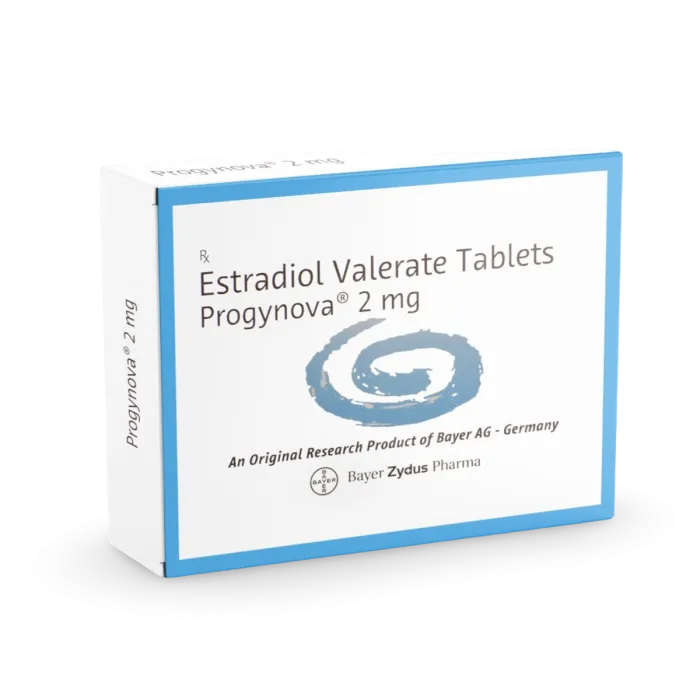
Progynova 2 mg

Oestrogel 2.5 gm / 1.5 mg
Hormonal Imbalance
One of the main causes of prolonged menstrual flow is hormonal imbalance. According to research, this period is marked by fluctuations in Estrogen and Progesterone.
When hormonal levels are abnormal, it can disrupt regular ovulation. This can increase the thickness of the uterine lining.
Thus, when the menstruation eventually occurs, the flow increases, resulting in prolonged menstruation.
Individuals can also experience prolonged menstrual bleeding during Perimenopause and with conditions like Polycystic Ovary Syndrome (PCOS) and thyroid disorders. These often lead to irregular ovulation, increasing the menstrual flow.
It is vital to note that PCOS bleeding can differ for every person, and its symptoms range widely. If you want to gain more insights, read PCOS Bleeding: Causes, Symptoms, and Effective Management.
Uterine Fibroids or Polyps
Uterine Fibroids are non-cancerous growths of the uterus. These are a common cause of Menorrhagia, particularly in women approaching Menopause.
They often lead to pain and heavy menstrual bleeding. Likewise, women with Polyps can also notice increased blood flow during menstruation.
Polyps are also non-cancerous tissue growth in different parts of the body. When it grows in the uterus, it results in heavy blood flow.
Endometrial and Blood Disorders

Endometrial disorders, such as Endometriosis and Adenomyosis, can also lead to prolonged menstrual bleeding. Endometriosis is a condition where tissue similar to the lining of the uterus grows outside of it, causing irregular or heavy bleeding.
In Adenomyosis, tissue growth in the uterus thickens the uterine lining. This can lead to high blood flow and sometimes cause blood clots during menstruation.
Additionally, certain inherited blood disorders, like Von Willebrand Disease and platelet disorders, can interfere with normal blood clotting, resulting in heavy menstrual flow.
Pelvic Inflammatory Disease (PID)
PID is an infection of the female reproductive organs. It is usually caused by Sexually Transmitted Infections (STIs).
PID can result in inflammation and scarring of the reproductive organs, producing several symptoms. These PID symptoms include irregular menstrual bleeding, pelvic pain, and infertility.
Did you know that different causes of PID call for distinct treatments? To gain more insights on these treatment options, read Exploring Pelvic Inflammatory Disease Treatments.
Medications and Medical Procedures
Certain anticoagulants or anti-inflammatory medications can affect the normal menstrual cycle and contribute to prolonged bleeding in women.
Besides these medicines, other medications like aspirin and blood thinners can also result in irregularity of flow and cause prolonged bleeding. According to a study, abnormal uterine bleeding is a common side effect of hormonal contraceptives.
Similarly, medical procedures like Intrauterine Device (IUD) insertion or surgical interventions may lead to prolonged bleeding as a side effect.
Conclusion
It is essential to understand the causes of prolonged menstrual bleeding since it affects the entire well-being of women. Two of the most common causes of heavy menstrual flow include hormonal imbalance and irregular ovulation.
Some women may also experience this condition due to Uterine Fibroids, Polyps, Endometriosis, or Adenomyosis. Yet, this cause may vary for every individual.
Additionally, blood disorders and PID may also cause irregularities in menstrual bleeding patterns. In severe cases, one may notice medications like anticoagulants and anti-inflammators causing heavy blood flow.
As a side effect, women who use hormonal contraceptives and IUDs may also notice excessive bleeding. It is best to consult a doctor to get a proper diagnosis of the underlying treatment in order to receive proper management.

Frequently Asked Questions
Can pregnancy cause prolonged menstrual bleeding?
No, pregnancy usually does not cause prolonged menstrual bleeding. Yet, bleeding during pregnancy, especially in the first trimester, can occur and may appear as menstrual bleeding.
One should consult an expert immediately if they experience any bleeding during pregnancy to avoid further complications.
What are the diagnostic methods for prolonged menstrual bleeding?
There are several diagnostic methods for prolonged menstrual bleeding. It includes medical history assessment, physical examination, laboratory tests, and imaging studies.
In some cases, doctors may suggest procedures like endometrial biopsy. These methods can help identify the causes of prolonged menstruation.
How do you treat prolonged menstrual bleeding?
Treating prolonged menstrual bleeding depends on the underlying cause and individual factors. Some of these treatment options include hormonal therapy, Nonsteroidal Anti-inflammatory Drugs (NSAIDs), and surgical interventions.
Sometimes, lifestyle modifications and complementary therapies can also help with the management.
Is there any way to prevent menstrual bleeding for prolonged periods?
Yes, certain steps can prevent prolonged menstrual bleeding. These include maintaining a proper lifestyle, managing Stress, and addressing underlying conditions.
Experts may also suggest to stay under regular gynecological check-ups. This can ensure timely treatment of menstrual irregularities and one can easily minimize the risk.
What are the complications of untreated, prolonged menstrual bleeding?
Untreated and prolonged menstrual bleeding can lead to several complications, including Anemia due to heavy menstruation, fatigue, and weakness.
It may worsen underlying conditions such as Uterine Fibroids or Polyps, potentially impacting fertility and overall reproductive health.
Cheap Medicine Shop only refers to credible, authoritative sources for our content. If you're curious about how we ensure the integrity of our content, we encourage you to read our Content Information Policy.
Cheap Medicine Shop only refers to credible, authoritative sources for our content. If you’re curious about how we ensure the integrity of our content, we encourage you to read our Content Information Policy.