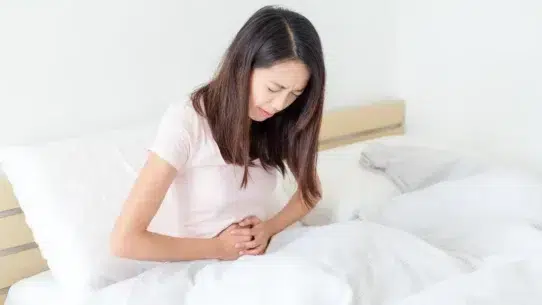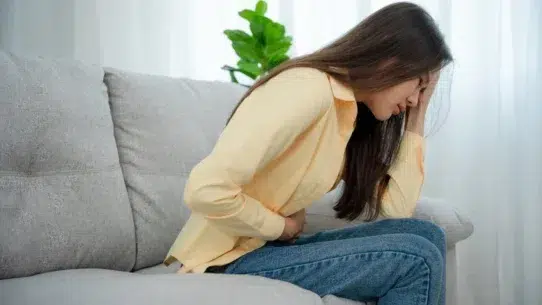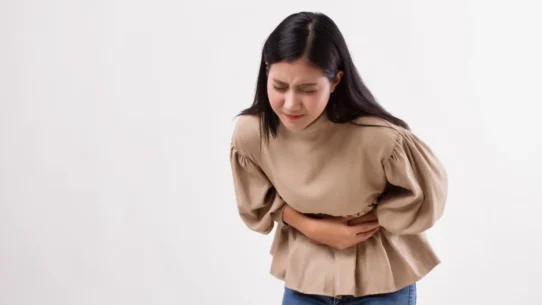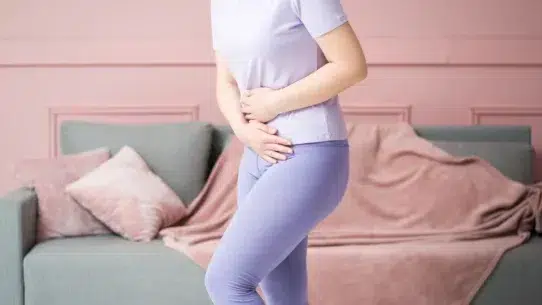







Pelvic Inflammatory Disease (PID) is an infection of the fallopian tubes, ovaries, or uterus in women. In 85% of cases, the infection results from Sexually Transmitted Diseases (STDs), including Gonorrhea and Chlamydia. If left untreated, the infection can cause further health complications.
Symptoms like pelvic pain or fever define PID. However, in some cases, the infection can also cause abdominal bloating, characterized by pressure, trapped gas, or an uncomfortable sense of fullness. Bloating can cause significant discomfort if not managed effectively.
In this article, we will have a detailed discussion about how does PID causes bloating and the underlying factors behind it. Moreover, you’ll learn natural ways to manage PID-related abdominal fullness and when to consult a doctor for abdominal discomfort.
Can PID cause bloating?
Yes, Pelvic Inflammatory Disease can cause bloating in women, as it is one of the associated symptoms. The infection affects the reproductive organs and, in some cases, can lead to abdominal swelling or a feeling of fullness. In addition to bloating, other symptoms of PID include painful urination and moderate to severe lower abdominal or pelvic pain.
Some key points about bloating during PID are:
- Non-specific symptom: PID is not a common symptom, with its occurrence varying from woman to woman. Bloating doesn’t always indicate the severity of PID.
- Mild in early stages: PID-related abdominal fullness can be mild at first and mistaken for menstrual or digestive discomfort.
- Inconsistent intensity: The bloated feeling can fluctuate, sometimes worsening alongside urinary symptoms and pelvic pain.
Save up to 90% on your medicine bills
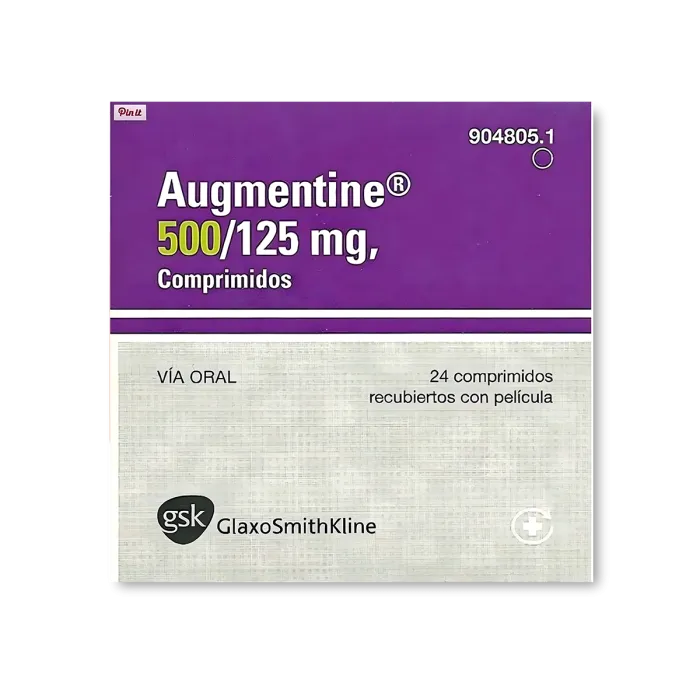
Augmentin 500/125 Mg

Azax 500 Mg

Cephadex 500 Mg

Norflox 200 Mg
In some rare cases, bloating along with other symptoms, including severe abdominal pain, discharge, and high fever, can indicate that the infection is affecting or spreading to other parts of the body. In such a case, a medical evaluation is essential to prevent serious complications.
Note that bloating is itself a symptom of PID, which is why it can not be diagnosed as a separate condition. Instead, PID is diagnosed through laboratory tests, ultrasound or CT scan, and, in rare cases, laparoscopy.
Causes of bloating in PID
Bloating in PID does not develop randomly. It occurs as a result of the infection and its effects on the reproductive organs and surrounding tissues. Abdominal heaviness is caused by one or more of the following reasons:
- Inflammation: The infection causes swelling and inflammation in the fallopian tubes, ovaries, and uterus itself. This leads to a feeling of pressure or fullness.
- Pus buildup: In some cases, PID can result in the formation of pus-filled pockets in the ovaries or fallopian tubes, known as Tubo-Ovarian Abscess (TOA). Although this complication is relatively rare, when it does occur, it can create pressure on the lower abdomen, triggering a sensation of bloating. If left untreated, these pockets can rupture, causing serious health issues.
- Fluid buildup: One long-term consequence of PID is the formation of scar tissue, causing the fallopian tubes to be blocked and trapping body fluid inside them. It can increase pelvic pressure, contribute to bloating, and affect fertility.
- Gastrointestinal irritation: PID-linked inflammation can affect the digestive organs, disrupting normal bowel function. This can result in constipation, gas, or bloating similar to a stomach bug.
Natural ways to manage bloating
As previously discussed, PID-related bloating results from gut irritation, pelvic inflammation, and infection. Therefore, treatment includes both addressing the cause and supporting the body while it heals and recovers. Medically, it is recommended to complete the antibiotic course prescribed by the doctor, typically 100 mg of Doxycycline twice daily for 14 days, to treat the infection. This will automatically help regulate and reduce abdominal heaviness.
Additionally, you can use natural remedies as supportive measures to complement PID treatment and achieve relief. Natural approaches to manage bloating are as follows:
- Herbal teas: Consume ginger, peppermint, and chamomile teas. These can calm gut muscles and support digestion, helping release trapped gas.
- Probiotics: Incorporate fermented foods into your diet, such as kefir and plain yogurt, to strengthen gut bacteria that the antibiotic course can disrupt. You can also take probiotic supplements after consulting the doctor.
- Physical activity: Take a 10-15-minute walk after meals to improve circulation and help move gas out of your system. Another way is to do yoga poses, such as cat-cow and child’s pose, which can help release trapped gas and reduce bloating.
- Healthy diet: Eat anti-inflammatory foods like bananas and rice. Eat smaller portions of food in frequent intervals rather than large, heavy meals.
- Hydration: Drink enough water to support the digestive system and help prevent constipation, which can worsen pelvic pressure and bloating. Make sure to sip water throughout the day rather than drinking it all at once.
- Warm Compression: Apply a hot water bottle or heating pad to the lower abdomen for 15-20 minutes, 2-3 times a day. It can help ease cramps and relax muscles, offering comfort and reducing pelvic pressure.
- Gentle massage: Move your fingers in light, circular, clockwise motion for 5 to minutes over the lower abdomen. It can help relieve gas buildup and control muscle spasms. Be cautious and stop immediately if pain increases.
- Avoid: Do not consume alcohol as it can irritate the digestive tract and increase inflammation. Limit excessive caffeine intake, as it can lead to dehydration. Also, avoid gas-triggering foods, such as beans, cabbage, and carbonated drinks.
You should see a doctor for bloating when there is no improvement after completing an antibiotic course, you experience fever and foul-smelling discharge, and abdominal pain or swelling worsens. Timely medical intervention will prevent further health complications.
Conclusion
PID is a reproductive tract infection characterized by pelvic pain, fever, and abnormal vaginal discharge. Although not common, PID can also cause bloating due to pelvic inflammation or pressure from fluid or pus buildup. Its presence and intensity vary between women and do not reflect disease severity. During the initial stages, it can be mistaken for menstrual or digestive discomfort.
Because bloating is a symptom, it is not diagnosed separately. Instead, PID is confirmed through lab tests, ultrasound or CT scans, and, in rare cases, laparoscopy. Along with prescribed antibiotics such as Doxycycline, supportive natural approaches can ease bloating.
Staying hydrated, eating small anti-inflammatory meals, and avoiding alcohol, caffeine, and gas-forming foods can help. Gentle strategies such as warm compresses, light abdominal massage, short walks, and yoga can help relax muscles and release trapped gas.
Moreover, supporting gut health with probiotics and herbal teas can also help control digestive discomfort, particularly during or after antibiotic treatment. Seek medical care immediately if bloating persists or abdominal pain and swelling worsen.

Frequently Asked Questions
How to remove gas from the pelvic area?
To remove gas from the pelvic area, try gentle movements such as yoga poses, walking, or pelvic tilts. This will help the trapped air move out. Moreover, stay hydrated and avoid carbonated drinks. Eat fiber slowly and consult a doctor if the issue persists.
Does PID affect bowel movement?
Yes, PID can affect bowel movement as inflammation can spread to the intestines and affect gut function. This can lead to diarrhea, constipation, painful bowel movements, and bloating. In severe cases, it can cause intestinal blockage. Consult a doctor if bowel changes are followed by pelvic pain.
Who is most at risk for PID?
Women under the age of 25, with untreated Sexually Transmitted Infections (STIs), and new or multiple sex partners are most at risk for PID. Moreover, women with a history of PID or who have frequent unprotected sexual activity are highly likely to get PID. Early detection and treatment can prevent major health complications.
Can PID stop menstruation?
No, PID doesn’t completely stop menstruation; instead, it can delay menstruation, cause heavy bleeding during this phase, or cause irregular bleeding. Moreover, this condition can worsen the menstrual cramps by triggering inflammation in the reproductive organs.
Cheap Medicine Shop only refers to credible, authoritative sources for our content. If you're curious about how we ensure the integrity of our content, we encourage you to read our Content Information Policy.
Cheap Medicine Shop only refers to credible, authoritative sources for our content. If you’re curious about how we ensure the integrity of our content, we encourage you to read our Content Information Policy.