




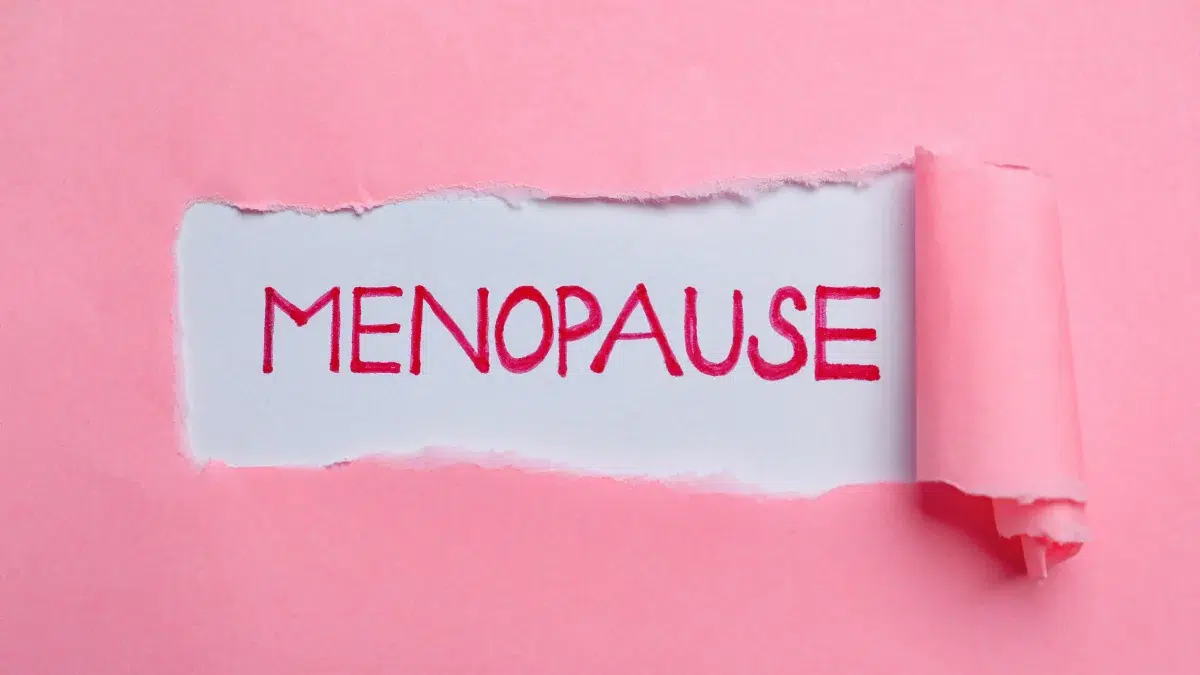

Early Menopause, which occurs between the ages of 40 and 45, can have a significant impact on a woman’s physical and emotional well-being.
Understanding the symptoms of early Menopause is essential for immediate and efficient treatment.
Some common early Menopause symptoms include irregular periods, hot flashes, and mood swings.
The article discusses various treatment options and management strategies for early Menopause symptoms, ranging from Hormone Replacement Therapy to lifestyle modifications.
Common Early Menopause Symptoms

Menopause typically occurs between the ages of 45 and 55, marking the end of a woman’s reproductive years.
However, if Menopause happens between the ages of 40 and 45, it is considered early Menopause.
Various factors, such as genetics, medical conditions, or lifestyle choices, can cause it.
Early Menopause often starts with several distinct symptoms that are essential indicators of the body’s hormonal changes.
Among the most common signs are hot flashes and night sweats, disrupting daily routines and sleep patterns.
Women may experience changes in their menstrual cycle, such as missed periods or irregular cycles. These changes may differ from their usual pattern.
Vaginal dryness during intercourse is common and uncomfortable.
Mood swings, irritability, and episodes of Depression can accompany hormonal fluctuations, affecting emotional well-being.
Additionally, disturbances in sleep patterns, changes in libido, and cognitive challenges such as memory lapses may become apparent during early Menopause.
Recognizing and understanding these symptoms is important for finding the right medical advice and support.
Save up to 90% on your medicine bills
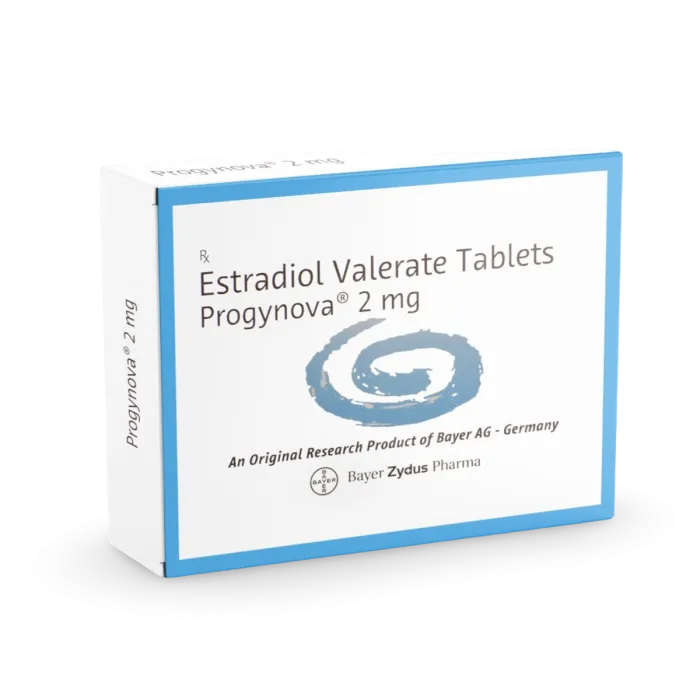
Progynova 2 mg

Oestrogel 2.5 gm / 1.5 mg

Estrabet 2 Tablet
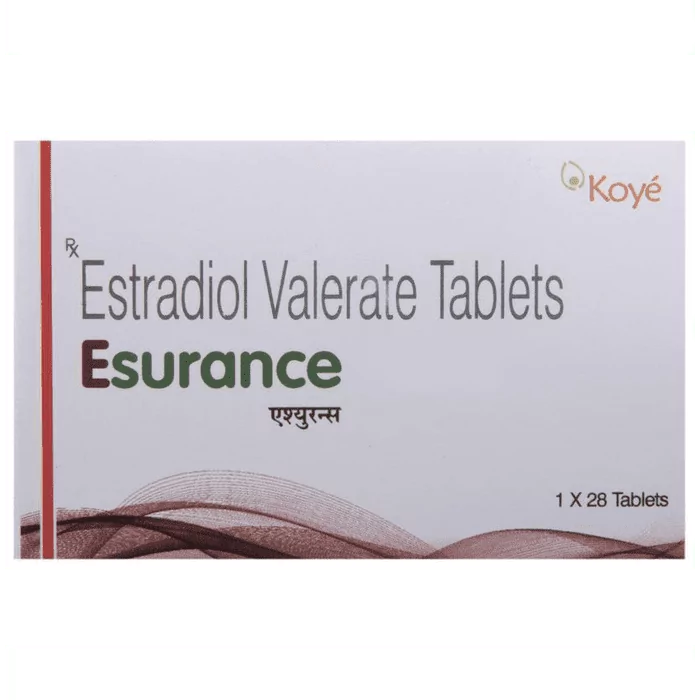
Esurance Tablet
Rare Symptoms of Early Menopause
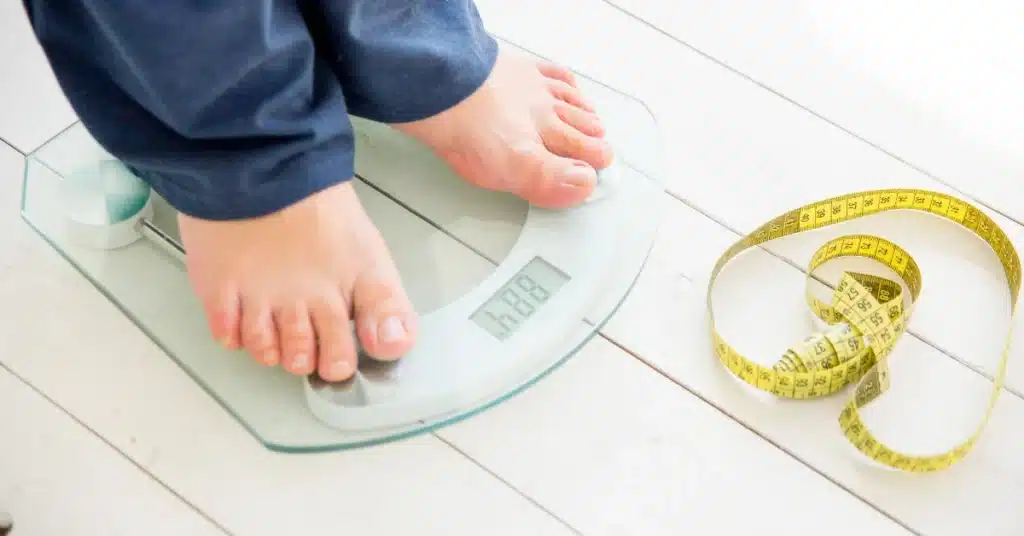
Some women may have symptoms during the early stages of Menopause that are less frequent than the typical ones.
These include urinary incontinence, hair texture, growth changes, dry skin, and accelerated aging.
Weight gain and changes in body composition may also occur, along with occasional heart palpitations and fluctuations in cholesterol levels.
If you are experiencing these uncommon symptoms, consulting your doctor is advisable to ensure appropriate management and care.
Treatment Options and Management Strategies
Effective management of early Menopause symptoms involves a combination of medical treatments and lifestyle adjustments.
Hormone Replacement Therapy (HRT) remains a key treatment, replenishing hormonal levels to relieve symptoms.
Non-hormonal treatments offer relief for some women, such as Selective Serotonin Reuptake Inhibitors (SSRIs) or Serotonin-Norepinephrine Reuptake
Inhibitors (SNRIs).
Integrating healthy lifestyle practices, including regular exercise, balanced nutrition, and stress management techniques, can reduce symptoms.
Consulting with a doctor is essential to determine the most suitable treatment approach personalized to individual needs and health circumstances.
Accessing supportive resources, such as support groups or counseling services, can further enhance coping mechanisms and overall well-being during this transitional phase.
Conclusion
Early Menopause occurs before age 45 due to genetics, medical conditions, or lifestyle choices.
Common symptoms of early Menopause include hot flashes, night sweats, irregular periods, vaginal dryness, mood swings, Depression, changes in libido, sleep patterns, and cognitive abilities.
Rare early Menopause symptoms include hair and skin changes, urinary incontinence, aging, heart palpitations, Cholesterol fluctuations, and weight gain.
HRT is an important treatment that replenishes hormones to reduce symptoms.
Non-hormonal treatments like SSRIs or SNRIs also offer relief from early Menopause symptoms.
Healthy lifestyle practices, including exercise, nutrition, and stress management, can help reduce symptoms.

Frequently Asked Questions
Are there any specific tests to diagnose early Menopause symptoms?
Yes, specific tests can help diagnose early Menopause symptoms. u003cbru003eThese may include hormone level testing (FSH, LH, Estrogen), Pelvic ultrasound, and the AMH (Anti-Mullerian Hormone) test. u003cbru003eConsulting a doctor for proper evaluation and guidance is essential for accurate diagnosis and management.
Can early Menopause symptoms be confused with other health conditions?
Yes, early Menopause symptoms can sometimes be mistaken for other health issues. u003cbru003eConditions like thyroid disorders or certain medications can mimic symptoms like irregular periods and hot flashes. u003cbru003eConsulting a doctor for proper evaluation and diagnosis is essential to distinguish early Menopause from other conditions.
What are the long-term health risks associated with early Menopause?
The long-term health risks of early Menopause include an increased risk of Osteoporosis, heart disease, and cognitive decline. u003cbru003eWithout sufficient Estrogen, bone density decreases, leading to Osteoporosis. u003cbru003eEstrogen also helps maintain heart health, and its decline may increase the risk of heart disease.
How can I manage the emotional effects of early Menopause symptoms?
Managing the emotional effects of early Menopause symptoms involves engaging in Stress-relief activities like meditation or yoga and considering counseling or therapy if needed. u003cbru003eMaintaining a healthy lifestyle, including regular exercise and adequate sleep, can also contribute to emotional well-being during this time.
Will early Menopause affect my fertility and ability to conceive?
Yes, early Menopause can impact fertility as it signifies the end of a woman’s reproductive years. u003cbru003eFertility declines significantly, making it difficult to conceive naturally. u003cbru003eConsulting a fertility specialist for guidance and exploring assisted reproductive technologies may be necessary for those wishing to conceive after early Menopause.
Cheap Medicine Shop only refers to credible, authoritative sources for our content. If you're curious about how we ensure the integrity of our content, we encourage you to read our Content Information Policy.
Cheap Medicine Shop only refers to credible, authoritative sources for our content. If you’re curious about how we ensure the integrity of our content, we encourage you to read our Content Information Policy.