



Most women undergo a series of physical and emotional changes throughout their reproductive years.
These changes are even more prominent during the time when they lose their reproductive capabilities, known as Menopause.
The hormonal fluctuations in this phase cause a number of symptoms, such as hot flashes, headaches, and acne.
In fact, hot flashes are the primary cause for women seeking medical attention during their Menopausal transition.
However, some women may find themselves dealing with hot flashes long after their Menopause has ended.
Therefore, understanding the onset and treatment options for these hot flashes becomes crucial to minimize their impact on daily life.
In this article, we aim to provide an in-depth understanding of hot flashes after Menopause.
What are Hot Flashes
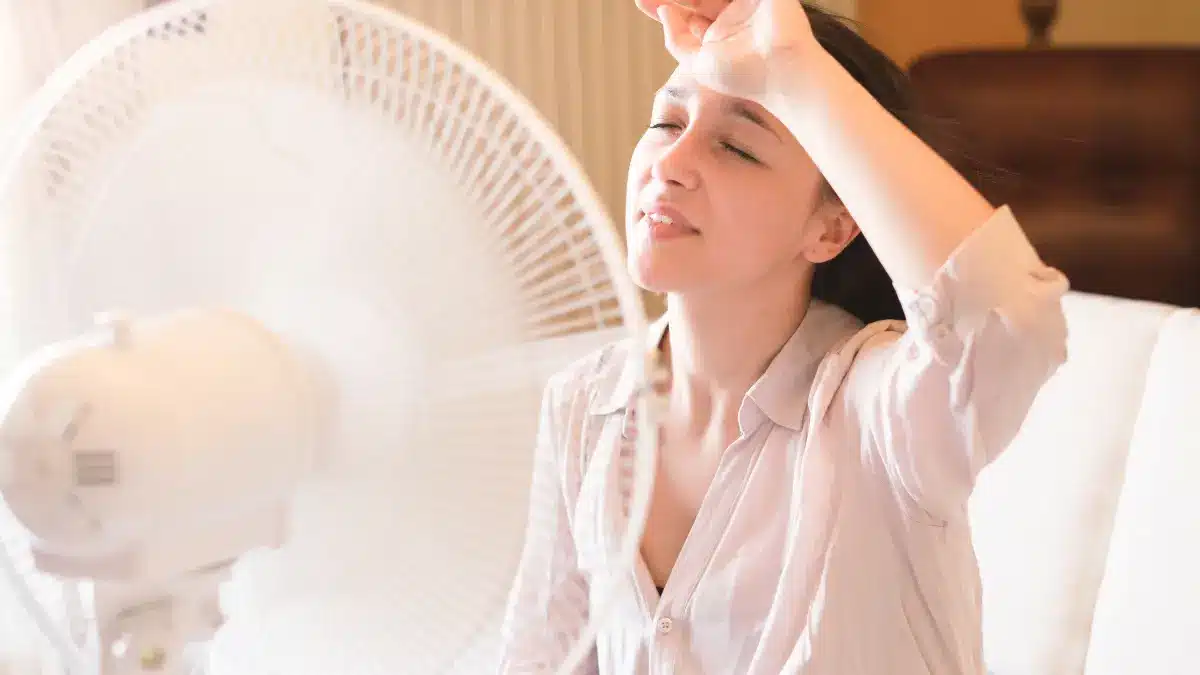
Hot flashes are sudden and intense sessions of heat that are often accompanied by sweating, a rapid heartbeat, and flushed or reddened skin.
This heat sensation usually starts in the face or chest and slowly spreads to the upper body.
Most women experience symptoms such as hot flashes during their Menopausal transition.
However, some women may also face hot flashes after hitting Menopause. This stage of the reproductive cycle is known as Postmenopause.
Besides this stage, the two other stages of Menopause come with their unique symptoms.
To learn about these stages of Menopause in detail, read Learn Everything About the 3 Stages of Menopause.
Save up to 90% on your medicine bills
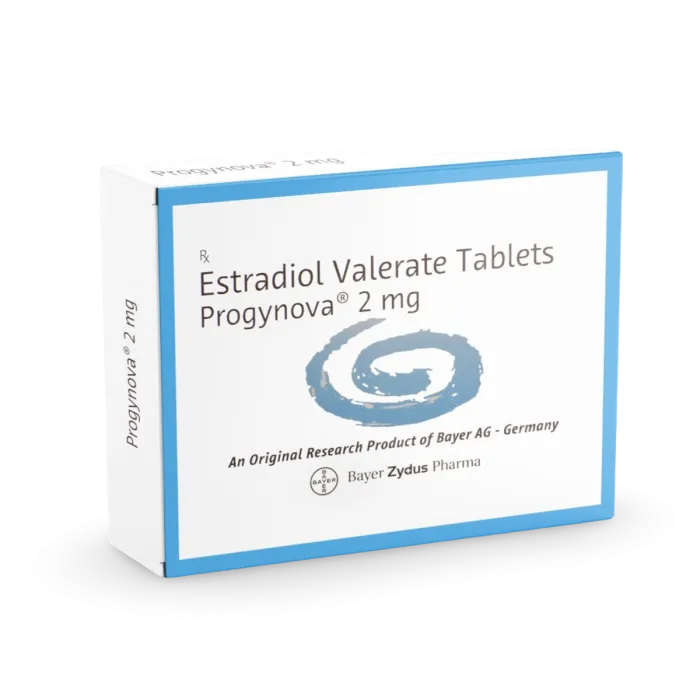
Progynova 2 mg

Oestrogel 2.5 gm / 1.5 mg

Estrabet 2 Tablet
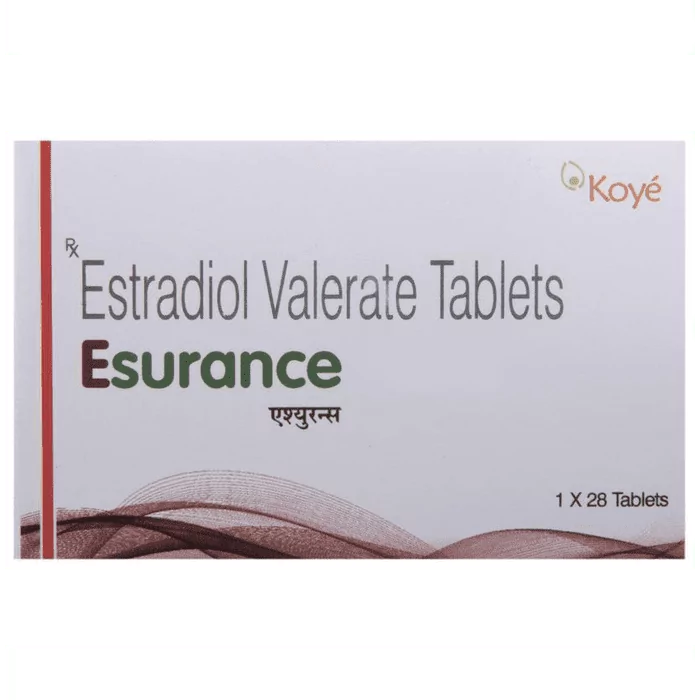
Esurance Tablet
What Causes Hot Flashes After Menopause
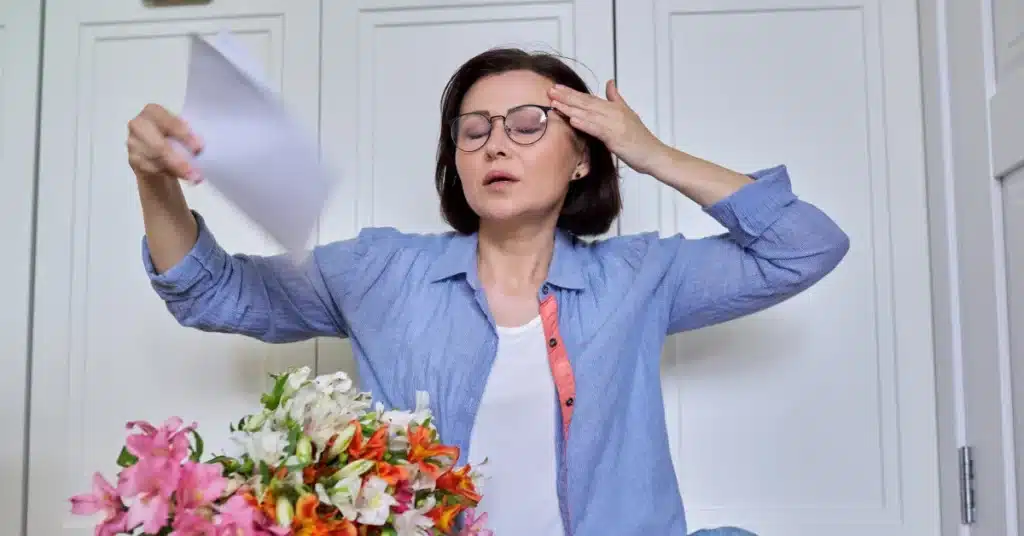
Hot flashes after Menopause are primarily caused by hormonal fluctuations, specifically the decline in Estrogen levels.
When a woman reaches Menopause, her ovaries produce less Estrogen and Progesterone.
The Hypothalamus is a part of the brain that helps regulate various bodily functions, including temperature regulation.
It responds to these hormonal fluctuations after Menopause, which results in hot flashes.
Hence, it is not uncommon to experience Menopause symptoms such as hot flashes towards the end of your Menopause.
Paying attention to particular signs that mark the end of Menopause may help you better manage symptoms such as hot flashes.
If you wish to learn more about these noticeable signs of Menopause ending, refer to Revealed: What are the Signs of Coming to the End of Menopause?
Treatment for Hot Flashes After Menopause
While complete prevention of hot flashes after Menopause may not be possible, you can take some steps to reduce their occurrence.
Seeking medical advice is often the most effective approach to address hormonal fluctuations behind symptoms such as hot flashes.
Therefore, it is advised to consult a doctor to receive a proper treatment plan for Menopause.
This treatment may include Hormone Replacement Therapy (HRT) or alternative Menopause medications such as antidepressants.
Prioritizing self-care is also crucial to better manage physiological and emotional symptoms at this stage.
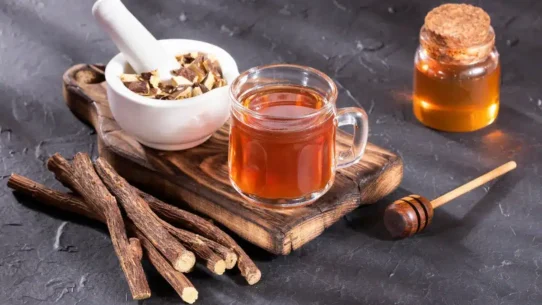
Some people may also seek natural remedies such as herbs for Menopause and teas to deal with Menopause symptoms.
If you are interested in learning about natural remedies for Menopause in detail, read “natural remedies for Menopause.”
Conclusion
A significant number of women experience discomforting symptoms such as hot flashes after their Menopause ends.
The decline in reproductive hormones such as Estrogen causes hot flashes after Menopause.
The Hypothalamus in the brain plays a role in inducing hot flashes due to this decline in Estrogen levels.
To effectively address Post-menopausal hot flashes, it is recommended to consult a certified doctor to receive proper treatment for your symptoms.
They may prescribe medications such as antidepressants or suggest undergoing Hormone Replacement Therapy (HRT).
Also, it is advised to incorporate natural remedies such as teas and herbs to manage Menopause symptoms better.

Frequently Asked Questions
Are hot flashes normal in years after Menopause?
Yes, some women may experience hot flashes in years after Menopause.
While these symptoms often decrease over time, they can persist for an extended period.
Factors like genetics, overall health, and lifestyle may influence the duration and severity of post-menopausal hot flashes.
When should I be concerned about hot flashes?
If hot flashes significantly impact your daily life, disrupt sleep, or are accompanied by concerning symptoms, it is best to consult a doctor.
Additionally, persistent hot flashes after Menopause may indicate serious underlying health issues in some cases.
What stops hot flashes naturally?
To naturally alleviate hot flashes, consider lifestyle adjustments like dressing in layers and maintaining a cool environment.
Also, managing stress through meditation and avoiding spicy foods may help reduce hot flashes.
However, it is best to not rely just on natural remedies and seek proper medical treatment for hot flashes.
How many hot flashes per day is normal?
The frequency of hot flashes varies among women, and there is no defined normal frequency for hot flashes.
If the frequency or intensity of your hot flashes is bothersome, consult your doctor for personalized guidance and management strategies based on your individual health needs.
How can I increase my Estrogen naturally?
To naturally increase your Estrogen levels, it is advised to eat a balanced diet including fruits, vegetables, and whole grains.
Additionally, exercising regularly helps keep hormonal secretions in balance.
It is recommended to consult a doctor for personal guidance regarding this subject.
Cheap Medicine Shop only refers to credible, authoritative sources for our content. If you're curious about how we ensure the integrity of our content, we encourage you to read our Content Information Policy.
Cheap Medicine Shop only refers to credible, authoritative sources for our content. If you’re curious about how we ensure the integrity of our content, we encourage you to read our Content Information Policy.