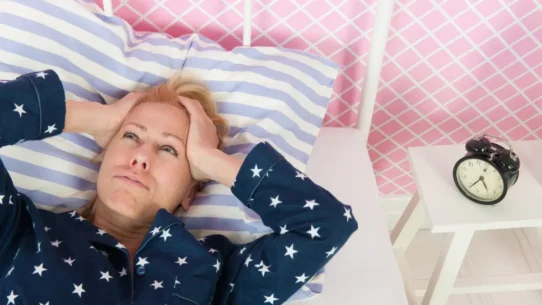






Menopause is defined as a stage in a woman’s life where she gradually loses her reproductive capabilities.
While going through Menopause, most women experience diverse physical and psychological changes in their bodies.
These changes may lead to severe mood swings and even Depression in some women.
Therefore, the transitional years of Menopause are often a period of concern among individuals.
It is important to understand the correlation and possible symptoms of Depression during Menopause to navigate through this journey effectively.
Let us proceed with the article to understand the relationship between Menopause and Depression comprehensively.
Are Menopause and Depression Related
Yes, there is a correlation between Depression and Menopause.
Research reveals that women are more prone to experiencing Depression during their Menopausal transition.
This may be caused by the hormonal fluctuations occurring during Menopause.
As Estrogen and Progesterone levels fluctuate, they may result in mood swings, affecting your ability to cope with stress.
In some cases, these hormonal changes may trigger depressive episodes.
Additionally, major life changes associated with aging, such as health concerns and career pressures, may contribute to Depression.
Save up to 90% on your medicine bills
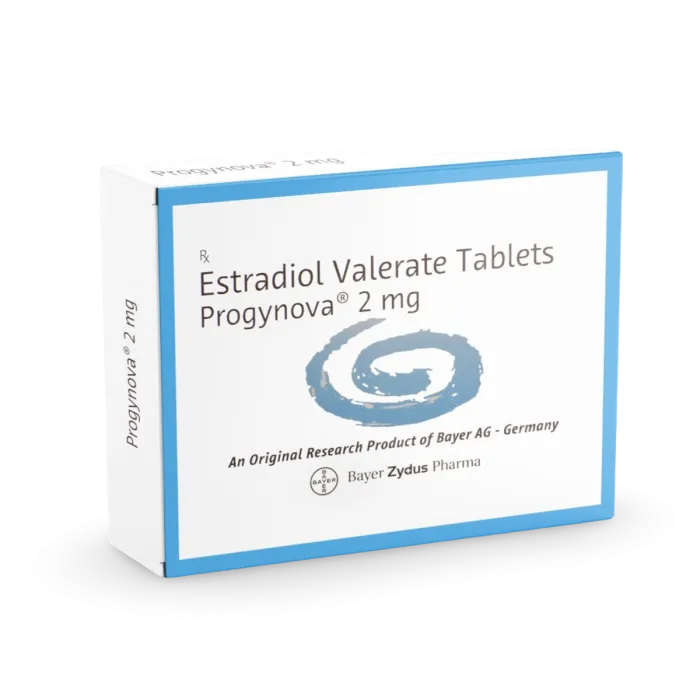
Progynova 2 mg

Oestrogel 2.5 gm / 1.5 mg

Estrabet 2 Tablet

Esurance Tablet
Symptoms of Menopause-Related Depression

There are various possible symptoms of Depression during Menopause.
Some of these symptoms may resemble typical Depression symptoms, whereas others might appear unusual.
Common symptoms of Menopause-related Depression include:
- Disinterest in personal activities
- Feeling sad or empty
- Fatigue
- Anxiety
- Appetite changes
- Irritability
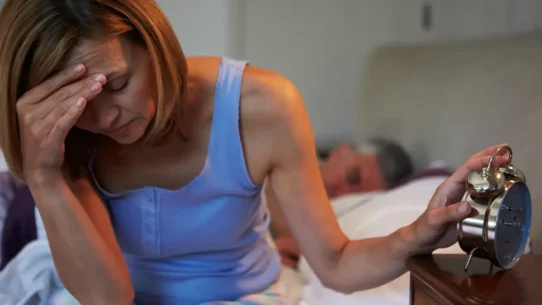
- Sleep disturbances
- Decreased sexual interest
These depressive episodes may start as mild cases of mood swings, gradually worsening with time.
Also, studies suggest Depression symptoms are more commonly observed during Perimenopause, the first stage of Menopause.
Moreover, hormonal changes and other symptoms of Menopause, such as hot flashes, may worsen Depression symptoms in some women.
How to Deal with Depression During Menopause
To effectively deal with Menopausal Depression, it is important to seek proper treatment for Menopause from a certified doctor.
Following your diagnosis, they may prescribe Hormone Replacement Therapy (HRT) or alternative Menopause medications such as antidepressants.
Additionally, you may consider undergoing therapy to restore your mental well-being.
Regular exercise, mindfulness techniques, and yoga may also help alleviate Depressive
symptoms due to Menopause.
Conclusion
Menopause is a natural biological stage marked by various physical and emotional changes in an individual’s life.
The hormonal fluctuations associated with this stage may lead to episodes of Depression among some women.
Depressive episodes during Menopause may lead to fatigue, appetite, and sleep disturbances, feelings of sadness, and Anxiety.
To address Depression during Menopause, it is essential to contact a doctor to receive proper treatment for the hormonal disturbances.
They may suggest Hormone Replacement Therapy (HRT) and alternative medications such as antidepressants.
Additionally, consider including yoga and mindfulness exercises to complement the treatment for Menopause and Depression.
Progynova 2 Mg for relief only from Cheap Medicine Shop!

Frequently Asked Questions
Is Depression a common symptom of Menopause?
Yes, Depression is a relatively common symptom of Menopause.
Hormonal fluctuations, life stressors, and psychological factors contribute to its onset.
How long can Menopausal Depression last?
The duration of Menopausal Depression varies among individuals. It may last for several months to a few years.
Seeking professional help and incorporating coping strategies can aid in managing symptoms during this time.
How do you beat Depression in Menopause?
To beat Depression during Menopause, seek support from healthcare professionals, engage in regular physical activity, and prioritize self-care.
Consider maintaining a healthy lifestyle and taking therapy or medication if needed.
You may also benefit from social support and stress reduction techniques.
What age does Depression start with Menopause?
Depression can start at any age during the Menopausal transition, typically occurring in the late 40s to early 50s.
However, it can develop earlier or later depending on factors such as hormonal changes, genetics, and life circumstances.
What is the best antidepressant during Menopause?
The best antidepressant for Menopause symptoms is determined based on various individual factors such as medical history and potential side effects.
However, Selective Serotonin Reuptake Inhibitors (SSRIs) or Serotonin-Norepinephrine Reuptake Inhibitors SNRIs are some popular options for antidepressants during Menopause.
Cheap Medicine Shop only refers to credible, authoritative sources for our content. If you're curious about how we ensure the integrity of our content, we encourage you to read our Content Information Policy.
Cheap Medicine Shop only refers to credible, authoritative sources for our content. If you’re curious about how we ensure the integrity of our content, we encourage you to read our Content Information Policy.