



Menopause is a natural phase in the life of every woman. It marks the end of their reproductive cycles.
It usually occurs in the late 40s or early 50s.
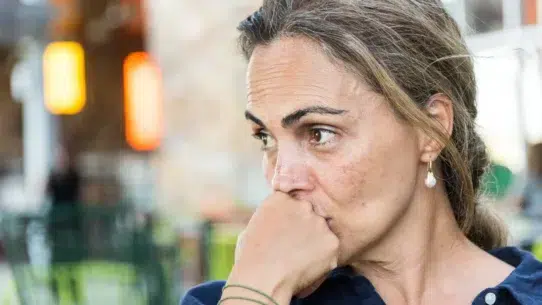
The transition to Menopause brings about various physical and emotional changes.
While it’s a natural process, the symptoms associated with Menopause might be challenging for several women.
In such cases, medications play an essential role in managing Menopause symptoms and improving the overall quality of life.
Let us proceed with this article and understand everything about Menopause medication in detail.
About Menopause
Menopause, a natural process, is the absence of menstrual cycle for 12 consecutive months.
It signals the decline in reproductive hormones like Estrogen and Progesterone.
Most females or Assigned Females at Birth (AMAB) experience Menopause at the age of 51.
However, the average age of Menopause for women living in the USA is generally 52 years.
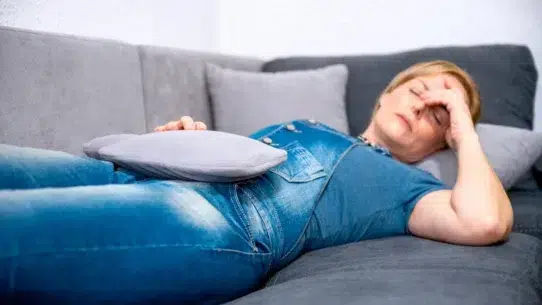
The shift in hormones can result in a range of symptoms.
Some common Menopause symptoms include-
- Irregular periods,
- hot flashes related to Menopause
- Mood swings
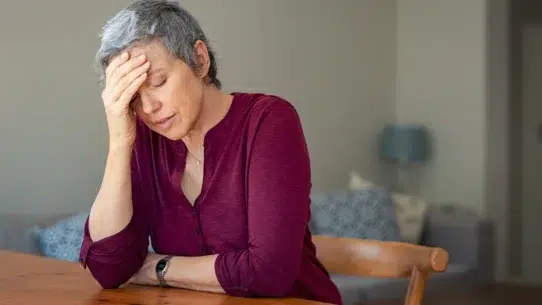
- Headaches from Menopause
- Low sex drive
- Sweating
Menopause starts in the three stages, i.e., Perimenopause, Menopause, and Postmenopause.
The onset of Menopause varies from woman to woman, and the duration of symptoms can also differ.
Wondering about the duration of Menopause? To know the answers, read Understanding the Duration: How Long Does Menopause Last?
Save up to 90% on your medicine bills
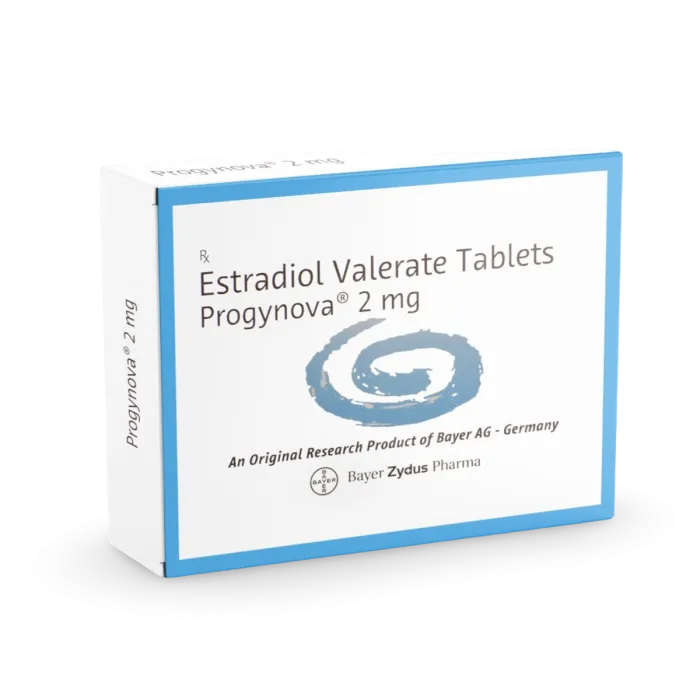
Progynova 2 mg

Oestrogel 2.5 gm / 1.5 mg

Estrabet 2 Tablet
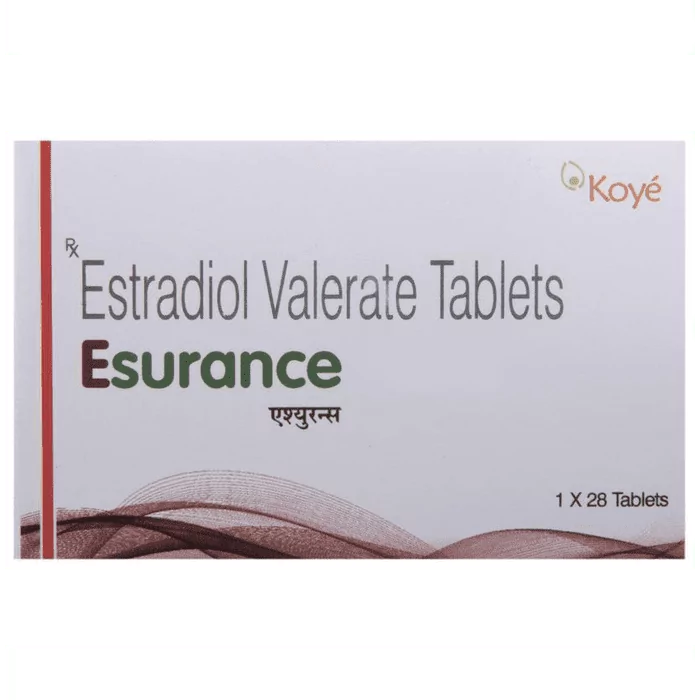
Esurance Tablet
Effective Menopause Medication Available
Various treatment options are available, like prescription medications and natural remedies to get relief from the symptoms of Menopause.
Several medications can help with Menopause symptoms effectively.
The best medication to manage your Menopause symptoms depends on its severity.
Therefore, discussing these medications with your doctor before taking them is best.
Let us now take a detailed look at the medications that can effectively manage your Menopause symptoms.
Menopausal Hormone Therapy (MHT)
Menopausal Hormone Therapy, or MHT, is one of the effective options to consider when the Menopause symptoms are severe and last for a longer duration.
MHT helps manage symptoms like hot flashes, night sweats, vaginal dryness, and painful sex.
MHT helps to increase the low levels of hormones like Estrogen and Progesterone that are known to cause some severe symptoms.
MHT may be prescribed separately or in combination, depending on the levels of your hormones and health condition.
Although MHT might be beneficial in reducing symptoms at any age, it is considered safe to incorporate MHT within ten years of Menopause or before the age of 60.
MHT is available in various prescription forms, including:
- Tablets (Premarin, Prometrium)
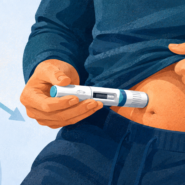
- Injection (Delestrogen)
- Patches (Climara, Estraderm)
- Skin creams
- Vaginal creams
- Vaginal rings
Vaginal Estrogen
During Menopause, the levels of Estrogen drops, leading to vaginal dryness and painful sex.
With topical Estrogen creams, tablets, or rings, women experiencing vaginal dryness can experience relief without the systemic effects of oral hormone therapy.
SNRIs and SSRIs
Selective Serotonin Reuptake Inhibitors (SSRIs) and Serotonin-Norepinephrine Reuptake Inhibitors (SNRIs) are some commonly known antidepressants.
Low doses of some antidepressants may get relief from certain Menopause symptoms like hot flashes and mood changes.
Studies have shown that SSRIs and SNRIs are effective in reducing Menopause symptoms.
The only SSRI that the FDA approves to manage symptoms like hot flashes is Paroxetine.
Gabapentin
Gabapentin is an effective anticonvulsant medication that may be prescribed off-label to treat hot flashes from Menopause.
However, the use of Gabapentin to manage hot flashes is still unclear.
According to a 2020 review, Gabapentin has moderate benefits in managing hot flashes.
However, it might not be effective when compared with Estrogen.
Apart from these medicines, Clonidine and Osteoporosis medicines like Bisphosphonates, Abaloparatide, Raloxifene, and Calcitonin can help manage Menopause symptoms effectively.
Other Options to Manage the Symptoms of Menopause
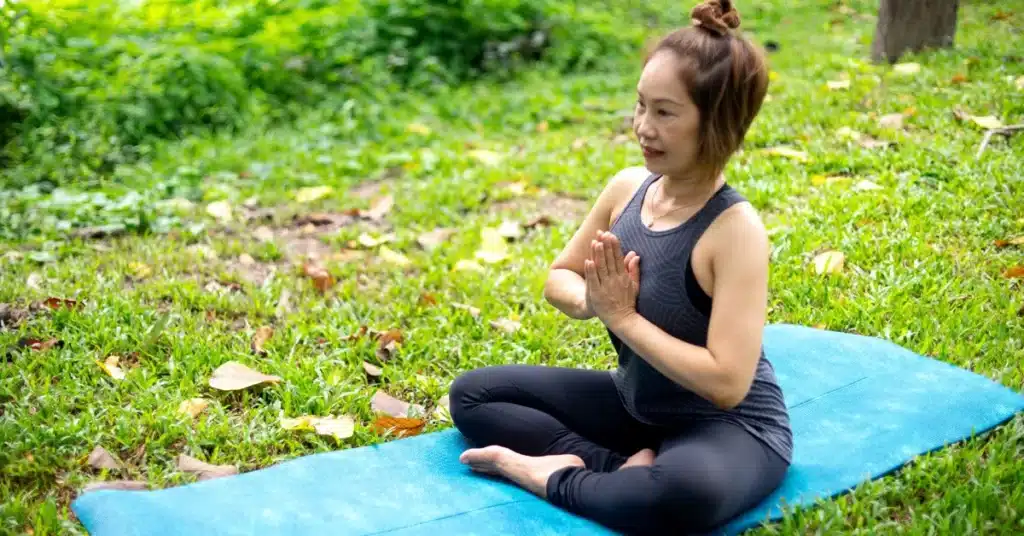
Besides medicines, several natural remedies might also help manage the symptoms of Menopause effectively.
Incorporating healthy lifestyle practices can help manage your Menopause.
Working out every day may help you manage the symptoms of Menopause effectively.
Besides workouts, yoga or meditation may also help you with stress and mood swings associated with Menopause.
According to the 2023 research review, dietary choices during Menopause can help manage
Depression, weight, and skin changes.
Dressing in layers, using fans, and keeping the bedroom cool can also help manage the discomfort of hot flashes and night sweats.
Apart from taking a diet for Menopause, some women may also find relief from symptoms by taking herbs and supplements such as omega-3 fatty acids.
However, consulting a medical professional before incorporating supplements into your daily routine is essential.
Are you looking to gain in-depth information about supplements for Menopause? Read Menopause Supplements: A Guide to Effective Relief.
Key Notes
Menopause is a natural phase in women’s lives, occurring in the late 40s or early 50s.
Common Menopause symptoms include irregular periods, hot flashes, mood swings, low sex drive, sweating, and headaches.
Various medications, including Menopausal Hormone Therapy (MHT), Vaginal Estrogen, and Gabapentin, can help manage Menopause symptoms.
Natural remedies like healthy lifestyle practices and dietary choices can also help manage symptoms.
However, consulting a medical professional is essential before incorporating these methods into daily routines.

Frequently Asked Questions
What is the best medication for Menopause?
The best menopause medication varies based on individual needs.
Hormone Replacement Therapy (HRT), SSRIs/SNRIs, Gabapentin, and Clonidine are common choices.
For personalized guidance, consult a healthcare provider.
Do all women experience the same symptoms during Menopause?
No, the symptoms of Menopause vary widely among women.
While some may experience hot flashes, others may have mood swings, insomnia, or no noticeable symptoms at all.
Can lifestyle changes alone manage Menopausal symptoms?
Lifestyle changes can be effective for some women, but others may require medication for symptom relief.
The approach should be individualized based on the severity of symptoms and overall health.
Can I start Menopause medication without consulting a doctor?
No, you should avoid taking Menopause medication without consulting a doctor. It is vital to visit a healthcare practitioner before starting Menopause medication.
They’ll assess your health and recommend the most suitable treatment based on your needs.
How long should I continue Menopause medication?
The duration varies based on individual needs.
Your doctor may recommend adjustments or discontinuation, depending on the severity of the symptoms of Menopause.
Cheap Medicine Shop only refers to credible, authoritative sources for our content. If you're curious about how we ensure the integrity of our content, we encourage you to read our Content Information Policy.
Cheap Medicine Shop only refers to credible, authoritative sources for our content. If you’re curious about how we ensure the integrity of our content, we encourage you to read our Content Information Policy.