






Women who have Polycystic Ovary Syndrome (PCOS) often experience Depression and other mental health issues.
This raises an obvious question as to whether PCOS causes Depression or it is the other way around.
Living with PCOS and Depression can be quite hard, which can increase the intensity of the other PCOS symptoms.
However, making certain lifestyle changes and improving one’s diet may be beneficial.
This article will discuss the link association of PCOS with Depression and its treatments.
Link Between PCOS and Depression

According to research, women who have PCOS experience more Depression along with stress and Anxiety.
Insulin resistance is a common PCOS symptom, causing Type-2 Diabetes in women.
The Centers for Disease Prevention and Control (CDC) states that people with Diabetes are more likely to experience Depression.
Since most women with PCOS experience Anxiety and stress, it further results in Depression.
When a person is under stress, the body releases Cortisol (stress hormone), which can cause metabolic dysfunction and result in weight gain with PCOS.
Weight gain or Obesity due to the condition often makes women self-conscious, resulting in Depression.
Inflammatory PCOS is quite common among women and can also lead to Depression.
Since PCOS causes hormonal imbalance in one’s body, it can also cause Depression and mood swings.
Save up to 90% on your medicine bills

Glycomet 250 Mg

Aldactone 25 Mg

Aldactone 100 Mg

Carmel Organics Ashwagandha Extract Tablets
Other Effects of PCOS on Mental Health
Beyond the ranges of Depression, PCOS, or Polycystic Ovary Syndrome can have several effects on one’s mental health.
According to a study, PCOS increases the risk of developing mood disorders, which can also turn aggressive.
In the initial stages, a person may experience stress and Anxiety other than Depression.
Further, pregnancy with PCOS often becomes harder, raising mental health issues in the concerned person.
Sometimes, it can lead to major Depressive disorders, causing further health problems.
In severe cases, individuals can develop mental health issues like Bipolar Disorder, Obsessive Compulsive Disorder (OCD), and Somatization.
Are you wondering how you can get pregnant with PCOS? Read How to Get Pregnant with PCOS?
Managing Depression and PCOS

It is important to be aware of proper management methods for both PCOS and Depression.
According to research, doctors may suggest acupuncture, oral contraceptives, and psychological therapy to treat PCOS-related Depression.
Since insulin resistance during PCOS can cause Depression, medications that increase insulin sensitivity may also prove to be beneficial.
Doctors may suggest medication like Metformin for PCOS, which can also reduce body weight.
The reduction in body weight can improve a woman’s confidence and improve their mental health.
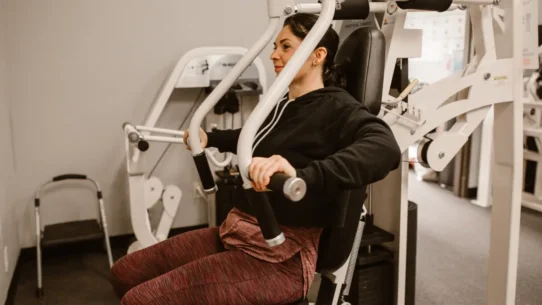
Including a PCOS diet and regular workouts for PCOS can be highly effective in improving one’s condition.
Some people may also gain benefits from practicing stress-relieving methods such as breathing exercises and yoga.
Do you want to learn more about the treatments for PCOS? Read A Comprehensive Guide to Effective PCOS Treatment.
Conclusion
PCOS and Depression are quite connected, and it is important to learn about them for proper management.
A person may experience Depression with PCOS due to insulin sensitivity, Obesity, body image issues, and hormonal imbalance.
In some cases, PCOS may lead to mental health issues like stress and Anxiety in women.
Doctors often suggest maintaining a PCOS diet and performing regular exercises to manage Depression with PCOS.
Medications like Metformin, oral contraceptives, and psychological therapy can also prove to be beneficial.
However, it is always best to consult your doctor before using any management methods for the condition.

Frequently Asked Questions
Can hormonal treatments for PCOS worsen Depression?
Yes, hormonal treatments for PCOS might affect mood in some individuals. While these treatments help regulate hormonal imbalances, their impact on mood can vary. It is important to consult one’s doctor regarding hormonal therapy before going for it.
Can treating PCOS help reduce Depression symptoms?
Yes, treating PCOS can help in reducing Depression symptoms. Treating PCOS can increase insulin sensitivity, reduce body weight, and reduce stress. All these factors can ultimately reduce Depression and other mental health problems in an individual with PCOS.
Which exercises are good for treating Depression in women with PCOS?
There are several PCOS workouts that can help in treating Depression in women with PCOS. Aerobic exercises like jogging, cycling, swimming, and strength training like bodyweight exercises and weight lifting can prove to be beneficial for the condition.
Some people may also find breathing exercises, yoga, and pilates effective.
Is PCOS causing my OCD?
Yes, PCOS can cause your OCD or Obsessive Compulsive Disorder, although they are not directly connected. Hormonal imbalances during PCOS can increase one’s mental vulnerability and result in severe cases of OCD.
Is using antidepressants with PCOS safe?
Yes, doctors may prescribe antidepressants with PCOS, but its safety is still under investigation. Some antidepressants can reduce one’s weight, which can increase confidence, and treat mental health issues like Depression in several women.
Cheap Medicine Shop only refers to credible, authoritative sources for our content. If you're curious about how we ensure the integrity of our content, we encourage you to read our Content Information Policy.
Cheap Medicine Shop only refers to credible, authoritative sources for our content. If you’re curious about how we ensure the integrity of our content, we encourage you to read our Content Information Policy.