






Polycystic Ovary Syndrome (PCOS) is a hormonal condition that can affect women during their reproductive years.
Excessive production of male sex hormones, known as Androgens, is the primary cause of PCOS.
Weight gain, commonly referred to as ‘PCOS belly,’ is a common symptom of PCOS.
The formation of abdominal fat presents serious difficulties for those managing the condition.
The complex hormonal imbalances that lead to the development of this condition and the causes behind its emergence are examined in this article.
This article provides comprehensive advice, from specific treatments to lifestyle changes, to help understand and manage PCOS belly.
What is a PCOS Belly
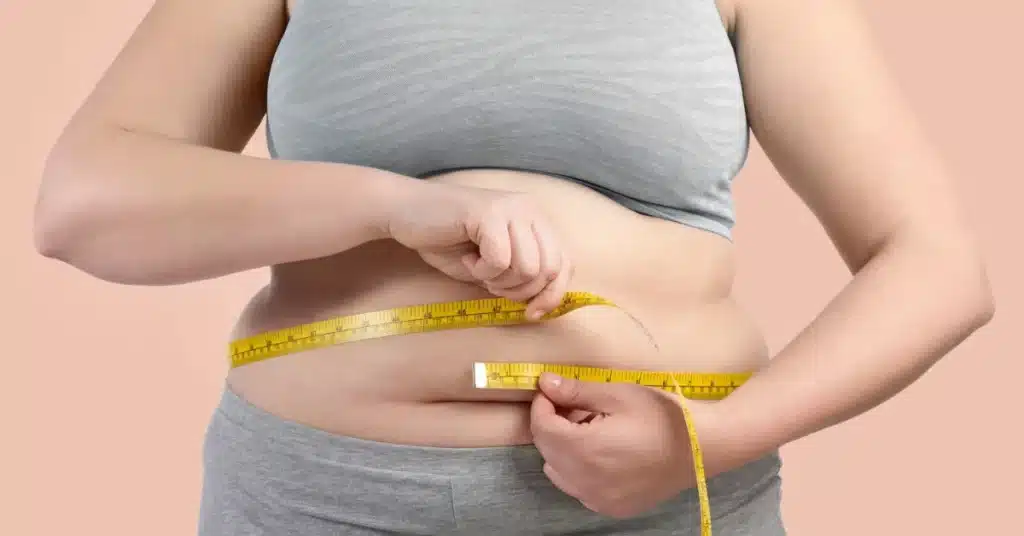
An abnormal formation of abdominal fat in people with Polycystic Ovary Syndrome (PCOS) is referred to as a PCOS belly.
It is characterized by increased visceral fat, frequently making the midsection more noticeable and rounded.
Insulin resistance and higher Androgen levels are two major hormonal imbalances linked to PCOS.
The appearance of the belly is partly due to the particular metabolic challenges associated with PCOS.
Understanding the physical symptoms of PCOS is essential for individuals affected by the condition.
It helps to determine the most effective treatment and prevention methods.
Want to know more about the connection between Insulin resistance and PCOS? Read “insulin resistance and pcos”
Save up to 90% on your medicine bills

Glycomet 250 Mg

Aldactone 25 Mg

Aldactone 100 Mg

Carmel Organics Ashwagandha Extract Tablets
Causes of PCOS Belly
Hormonal imbalances linked to Polycystic Ovary Syndrome are the primary cause of a PCOS belly.
Women with PCOS often experience Insulin resistance, a condition where the body’s cells do not respond effectively to Insulin.
This causes the blood to contain higher amounts of Insulin, encouraging fat storage in the abdomen.
Furthermore, elevated Androgen hormones, like Testosterone, contribute to visceral fat accumulation.
Genetics also comes into play because some people are more likely than others to have belly fat.
To effectively manage PCOS-related belly, it’s important to understand the underlying causes and implement lifestyle changes and medical treatment.
Do you know genetics play a major role in PCOS? To know more, read Unraveling the Facts: Is PCOS Genetic?
How to Get Rid of PCOS Belly

Making lifestyle adjustments is essential for treating belly fat.
Eating a diet high in whole foods and avoiding processed foods can help control Insulin levels and prevent the buildup of belly fat.
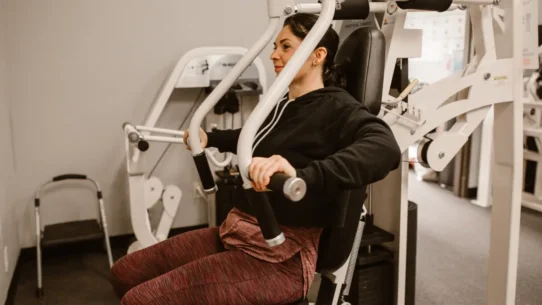
Exercises like moderate-intensity walking or brisk walking help control weight and reduce the effects of PCOS on the abdominal region.
Stress can worsen the hormonal imbalances linked to PCOS, so stress management strategies like mindfulness and relaxation exercises are essential.
A comprehensive approach may also include seeking individual advice from doctors.
Combining these methods creates a thorough strategy to address and decrease the effects of PCOS on the belly, enhancing general health and self-confidence.
Want to know how to lose weight with PCOS? Read How to Lose Weight with PCOS? Navigating Effective Strategies.
Conclusion
Polycystic Ovary Syndrome (PCOS) is a hormonal condition that is primarily caused by the excessive production of male sex hormones known as Androgens.
Understanding the causes of PCOS is important to come up with effective treatments.
By acknowledging the role of genetics and hormonal imbalances, people can take actionable steps toward prevention and management.
There are effective ways to address the issues related to PCOS belly, whether through dietary changes, customized exercise programs, or medical treatments.
It is important to prioritize early detection and maintain a healthy lifestyle to manage and prevent belly.
Polycystic Ovary Syndrome (PCOS) is a hormonal condition that is primarily caused by the excessive production of male sex hormones known as Androgens.
Understanding the causes of PCOS is important to come up with effective treatments.
By acknowledging the role of genetics and hormonal imbalances, people can take actionable steps toward prevention and management.
There are effective ways to address the issues related to PCOS belly, whether through dietary changes, customized exercise programs, or medical treatments.
It is important to prioritize early detection and maintain a healthy lifestyle to manage and prevent belly.
Polycystic Ovary Syndrome (PCOS) is a hormonal condition that is primarily caused by the excessive production of male sex hormones known as Androgens.
Understanding the causes of PCOS is important to come up with effective treatments.
By acknowledging the role of genetics and hormonal imbalances, people can take actionable steps toward prevention and management.
There are effective ways to address the issues related to PCOS belly, whether through dietary changes, customized exercise programs, or medical treatments.
It is important to prioritize early detection and maintain a healthy lifestyle to manage and prevent belly.
Polycystic Ovary Syndrome (PCOS) is a hormonal condition that is primarily caused by the excessive production of male sex hormones known as Androgens.
Understanding the causes of PCOS is important to come up with effective treatments.
By acknowledging the role of genetics and hormonal imbalances, people can take actionable steps toward prevention and management.
There are effective ways to address the issues related to PCOS belly, whether through dietary changes, customized exercise programs, or medical treatments.
It is important to prioritize early detection and maintain a healthy lifestyle to manage and prevent belly.

Frequently Asked Questions
Can stress contribute to the development of a PCOS belly?
Yes, stress can contribute to the development of a PCOS belly.
Chronic stress triggers hormonal imbalances, particularly elevated cortisol levels, which may lead to increased abdominal fat accumulation.
Managing stress through techniques like meditation, exercise, and relaxation can be beneficial in addressing this aspect of PCOS belly concerns. Buy Now
What role does Estrogen play in the development of a PCOS belly?
Estrogen imbalance in PCOS disrupts the body’s natural fat distribution, leading to an increased accumulation of abdominal fat.
Estrogen deficiency or dominance can contribute to insulin resistance, prompting the storage of excess calories in the abdominal region.
This hormone plays an important role in shaping the distinctive characteristics of a PCOS belly. Buy Now
What are the potential risks associated with leaving a PCOS belly untreated?
Untreated PCOS belly poses risks such as increased insulin resistance, higher likelihood of developing Type 2 Diabetes, cardiovascular complications, and compromised mental well-being.
Timely treatment through lifestyle changes, medical support, and proactive management is essential to reduce these risks and promote overall health in individuals with PCOS. Buy Now
How does PCOS belly affect body image and mental health?
PCOS belly can impact body image, leading to self-esteem issues.
The hormonal changes associated with PCOS may contribute to mood swings, Anxiety, and Depression, affecting mental well-being. Buy Now
Are there targeted exercises to reduce abdominal fat in PCOS?
Yes, including core-strengthening exercises like planks, crunches, and cardio workouts can help reduce abdominal fat in PCOS.
Additionally, a balanced diet and overall physical activity contribute to effective weight management. Buy Now
Cheap Medicine Shop only refers to credible, authoritative sources for our content. If you're curious about how we ensure the integrity of our content, we encourage you to read our Content Information Policy.
Cheap Medicine Shop only refers to credible, authoritative sources for our content. If you’re curious about how we ensure the integrity of our content, we encourage you to read our Content Information Policy.