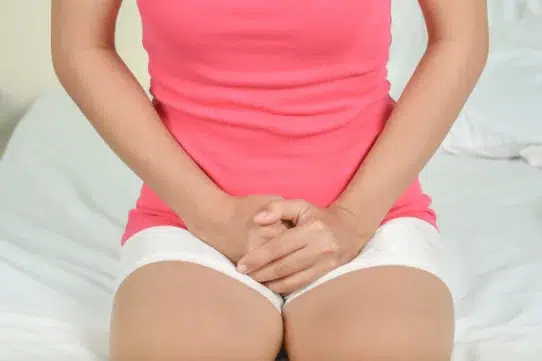







Primary Dysmenorrhea is a common condition where women of reproductive age experience painful period cramps without an underlying pelvic issue.
It is a common yet often overlooked condition that can significantly impact a woman’s quality of life.
This condition is characterized by pelvic discomfort, typically occurring before or during menstruation.
It requires attention from doctors due to its recurrent nature and potential for severe symptoms.
This article helps you understand its causes, symptoms, and management options for effective management and relief.
Primary Dysmenorrhea Causes
Primary Dysmenorrhea is primarily caused by an excess of Prostaglandins, which are natural chemicals produced in the lining of the uterus.
During menstruation, the uterus contracts to shed its lining, and Prostaglandins play an important role.
In individuals with Primary Dysmenorrhea, higher levels of Prostaglandins lead to stronger and longer uterine contractions, resulting in pain.
Hormonal changes, such as fluctuations in Estrogen and Progesterone levels, also contribute to the condition.
Additionally, genetic history may play a role, as women with a family history of Primary Dysmenorrhea are more likely to experience it themselves.
Save up to 90% on your medicine bills

Glycomet 250 Mg

Aldactone 25 Mg

Aldactone 100 Mg

Carmel Organics Ashwagandha Extract Tablets
Primary Dysmenorrhea Symptoms

Primary Dysmenorrhea usually appears as severe cramping pain in the lower abdomen, occurring just before or during menstruation.
The pain is often described as sharp or throbbing and may radiate to the lower back or thighs.
Alongside abdominal discomfort, individuals may experience Nausea, mood swings, vomiting, Diarrhea, or headaches.
Additionally, some individuals may notice changes in bowel movements or urination patterns during menstruation.
Primary Dysmenorrhea Diagnosis
Diagnostic criteria for Primary Dysmenorrhea often involve the presence of recurrent, crampy lower abdominal pain that occurs just before or during menstruation.
Diagnosing Primary Dysmenorrhea typically involves a thorough clinical assessment by a doctor.
This assessment includes a detailed physical examination to rule out other potential causes of period cramps.
In some cases, further investigations, such as imaging tests or laboratory studies, may be conducted to exclude secondary causes of Dysmenorrhea.
Accurate diagnosis is important to initiate appropriate management strategies and reduce the discomfort associated with Primary Dysmenorrhea.
Treatment and Management of Primary Dysmenorrhea

Treatment and management strategies for Primary Dysmenorrhea primarily focus on relieving pain and improving quality of life.
Non-pharmacological approaches such as applying heat to the lower abdomen, regular exercise, and dietary modifications can relieve some individuals.
Additionally, over-the-counter pain relievers like Ibuprofen or Naproxen, known as Nonsteroidal Anti-Inflammatory Drugs (NSAIDs), are commonly recommended.
For individuals seeking hormonal management, contraceptives like birth control pills or patches may be prescribed to regulate hormonal fluctuations.
Patients must consult doctors to determine the most suitable treatment plan customized to their needs and preferences.
Do you want to know about Dysmenorrhea treatment options? Read “Discussing Effective Strategies for Dysmenorrhea Treatment”
Conclusion
Primary Dysmenorrhea is severe cramping pain in the lower abdomen before or during menstruation.
It can also cause Nausea, vomiting, Diarrhea, headaches, mood swings, and changes in bowel movements or urination patterns.
An excess of Prostaglandins, Hormonal changes, and genetic predisposition cause Primary Dysmenorrhea.
Primary Dysmenorrhea is treated by relieving pain and improving quality of life.
Non-pharmacological approaches like heat therapy, exercise, and dietary modifications help some individuals.
Over-the-counter pain relievers like Ibuprofen or Naproxen are commonly recommended.
Hormonal management can also be used, which involves prescribing contraceptives to regulate hormonal fluctuations.

Frequently Asked Questions
How common is Primary Dysmenorrhea?
Primary Dysmenorrhea is quite common, affecting a significant portion of menstruating individuals.
Studies suggest that around 50-90% of women experience some degree of Primary Dysmenorrhea during their reproductive years.
It is one of the most prevalent gynecological conditions, often starting in adolescence and continuing into adulthood.
What is the difference between Primary and Secondary Dysmenorrhea?
Primary Dysmenorrhea is menstrual pain without any underlying medical condition, commonly caused by hormonal changes.
Secondary Dysmenorrhea, however, stems from an underlying health issue like Endometriosis or fibroids.
While Primary Dysmenorrhea typically starts within a few years of menstruation, Secondary Dysmenorrhea can develop later in life.
What role does diet play in managing Primary Dysmenorrhea?
Maintaining a balanced diet rich in fruits, vegetables, whole grains, and lean proteins can help manage Primary Dysmenorrhea.
Avoiding excessive caffeine, alcohol, and foods high in salt and sugar may also relieve symptoms. Adequate hydration is important.
However, individual responses to diet vary, so consult a doctor for personalized advice.
Can exercise help with Primary Dysmenorrhea symptoms?
Yes, exercise can help reduce Primary Dysmenorrhea symptoms by releasing endorphins, which act as natural painkillers.
Additionally, regular physical activity can reduce stress levels and improve overall well-being, potentially decreasing the severity of menstrual cramps.
How does Primary Dysmenorrhea affect fertility?
Primary Dysmenorrhea typically doesn’t directly affect fertility.
Uterine contractions cause it during menstruation, unrelated to reproductive health.
However, severe pain might interfere with sexual activity, leading to decreased chances of conception.
Cheap Medicine Shop only refers to credible, authoritative sources for our content. If you're curious about how we ensure the integrity of our content, we encourage you to read our Content Information Policy.
Cheap Medicine Shop only refers to credible, authoritative sources for our content. If you’re curious about how we ensure the integrity of our content, we encourage you to read our Content Information Policy.