




The menstrual cycle is a natural phenomenon occurring monthly in women’s reproductive life.
However, women’s menstrual cycle stops after reaching a certain age, typically in the late 40s or early 50s.
This phase is known as Menopause.
It is a natural phase in a woman’s life that occurs in three stages and marks the end of her reproductive years.
Understanding the different stages of Menopause is crucial for navigating this significant life transition with grace and well-informed choices.
Let us proceed with this article and understand the stages of Menopause in detail.
Understanding Menopause
Menopause is a natural phenomenon when a woman stops having periods and can no longer have children.
Most women start to experience Menopause at the age of 51. In the United States of America, the average age is 52 years.
Menopause usually happens when the hormones needed for pregnancy, Estrogen and Progesterone, are no longer produced by the ovaries.
Although Menopause occurs naturally with age, factors such as stem surgery or the treatment of an illness or disease can also lead to Menopause.
In such cases, Menopause can be referred to as induced Menopause or surgical Menopause.
Several signs and symptoms may depict the start of Menopause.
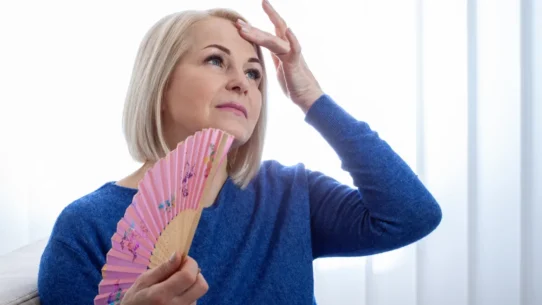
The most common symptom of Menopause is irregular periods. Besides this, some women may also experience hot flashes, mood swings, low sex drive, sweating, and headaches.
The first signs of Menopause show up about four years before the last period. Symptoms can last for years and depend on the person.
In case you are experiencing such symptoms of Menopause, it is best to consult an experienced healthcare provider for management.
They may prescribe effective Menopause medications to manage these symptoms.
Save up to 90% on your medicine bills
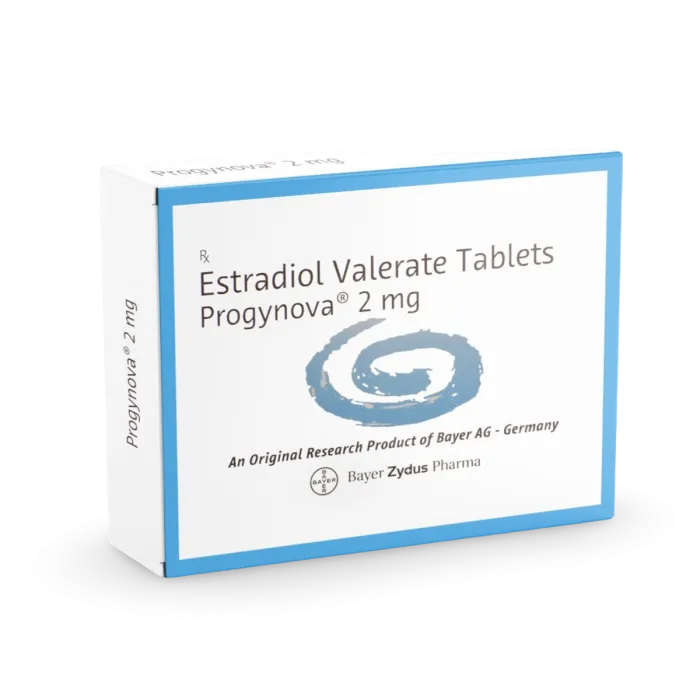
Progynova 2 mg

Oestrogel 2.5 gm / 1.5 mg

Estrabet 2 Tablet
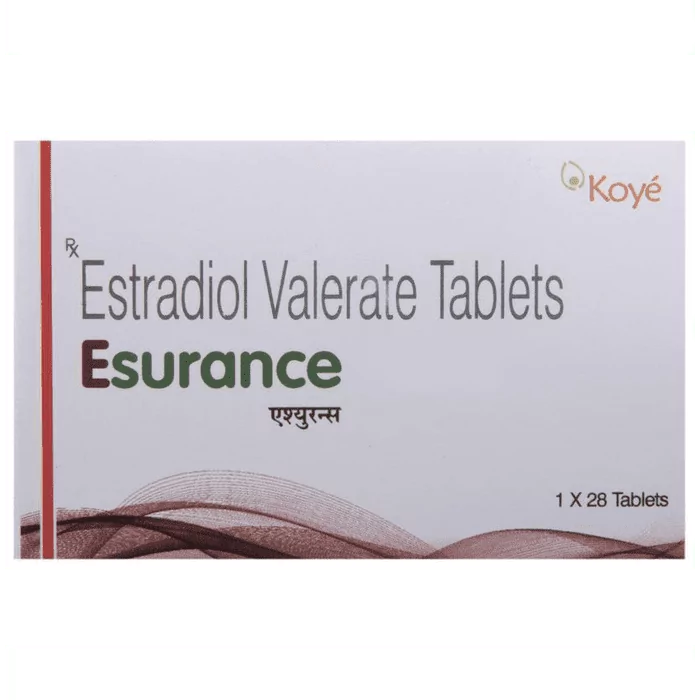
Esurance Tablet
What Are the 3 Stages of Menopause
Menopause starts gradually in three different phases.
The three different stages of Menopause are-
- Perimenopause
- Menopause
- Postmenopause
The symptoms and their effect on the body can vary in stages. Let us now understand each of these stages in detail.
Perimenopause
Perimenopause begins 8 to 10 years before Menopause when the ovaries stop producing Estrogen.
A common symptom of Perimenopause includes an irregular menstrual cycle.
Perimenopause often starts after the mid-40s and may last for a few weeks to several months.
It usually lasts till Menopause, the stage where the ovaries stop producing eggs.
In the last one to two years of Perimenopause, Estrogen levels decrease rapidly. Many women may experience symptoms of Menopause at this stage.
In this stage of Menopause, there might be a chance of achieving pregnancy.
If you want to explore more about the possibility of pregnancy during Perimenopause, read “Can you get pregnant during Perimenopause”
Menopause
Menopause is the stage when women no longer get menstrual cycles.
In this stage, the ovaries stop releasing eggs and producing Estrogen.
Menopause is usually diagnosed when a woman experiences loss of periods for 12 straight months.
Since the ovaries stop producing eggs, there is no possibility of getting pregnant in or after Menopause.
Are you looking to gain in-depth knowledge about pregnancy and Menopause? Read “Can you get pregnant during Menopause”
Postmenopause
Postmenopause is the stage that follows Menopause. This stage usually begins 12 Months after the last period.
In the postmenopause phase, Menopausal symptoms, like hot flashes, may improve.
However, in some cases, Menopausal symptoms may persist for a decade or longer after the transition from Menopause.
Individuals in the postmenopausal stage are at higher risk of experiencing several health conditions like heart disease due to increased levels of Estrogen.
Can You Reverse Menopause
No, you can’t reverse Menopause as it is a natural, irreversible biological process.
However, the Menopause symptoms can be managed effectively with the help of several treatment options.
It is best to consult your healthcare provider to manage these symptoms effectively.
Common treatment options for Menopause include-
- Hormonal treatments to manage symptoms like hot flashes
- Lubricants for vaginal dryness
- Supplements and medications to help prevent osteoporosis
Apart from the treatment option, several natural remedies may help manage these symptoms of Menopause.
Indulging in daily workouts can help manage the symptoms of Menopause.
Besides exercising, indulging in yoga or meditation can help with stress and mood swings caused by Menopause.
According to the 2023 research review, dietary choices during Menopause can help manage Depression, weight, and skin changes.
Apart from the Menopause diet, taking certain supplements and herbs can also help manage Menopause effectively.
To learn about the supplements for Menopause, read Menopause Supplements: A Guide to Effective Relief.
Key Notes
Menopause is a natural process where a woman stops having periods and cannot have children.
It occurs in three stages.
Perimenopause, Menopause, and Postmenopause are three stages of Menopause.
Perimenopause, which begins 8-10 years before Menopause, occurs when the ovaries stop producing Estrogen.
It usually lasts until Menopause, when ovaries stop producing eggs.
Menopause occurs when women lose menstrual cycles for 12 months.
Postmenopause, which begins 12 months after Menopause, may improve symptoms but may persist for a decade or longer due to increased Estrogen levels.

Frequently Asked Questions
How long do the stages of Menopause last?
Perimenopause varies, lasting a few months to several years.
Menopause is declared after 12 months without a period, typically around age 51. Postmenopause, the stage following Menopause, spans a woman’s lifetime.
Can Menopause affect mental health?
Yes, hormonal changes during Menopause can impact mood and can cause Anxiety or Depression. It is crucial to seek support in such cases.
At what stage is Menopause the worst?
Menopause symptoms can be challenging during perimenopause and Menopause due to hormonal fluctuations.
The severity varies for each woman, with symptoms often improving in postmenopause as the body adjusts to hormonal changes.
Can a woman still get wet after Menopause?
Yes, women can still experience vaginal lubrication after Menopause.
While estrogen levels decrease, factors like arousal, emotional connection, and various lubricants can contribute to maintaining sexual comfort and pleasure.
Do breasts get bigger after Menopause?
No, breasts do not get bigger after Menopause. Postmenopausal changes typically result in decreased breast density and firmness due to hormonal shifts.
Breast size may appear smaller or undergo changes.
Cheap Medicine Shop only refers to credible, authoritative sources for our content. If you’re curious about how we ensure the integrity of our content, we encourage you to read our Content Information Policy.