






For many women, intimacy after 50 feels richer, more confident, and more emotionally connected than it did in earlier years. Experience, self-awareness, and deeper bonds with a partner often shape a more fulfilling approach to sex with age. That said, this is not the same for every woman. While many continue to enjoy and value sexual intimacy, others find that their interest naturally shifts or fades, and both are completely normal.
Menopause, however, can change how the body responds to intimacy. Hormonal shifts during this phase often lead to vaginal dryness, slower arousal, and changes in sensitivity that can make sex feel different from how it used to. These experiences are common and, in most cases, manageable.
Read on to find out how Menopause affects sex drive and desire, what influences libido over 50, and what steps can help maintain a fulfilling sex life.
Do women want sex after menopause?
Yes, many women still want and enjoy sex after menopause. Sexual interest does not simply switch off after this stage of life. Many women find intimacy deeply fulfilling, with emotional connection, relationship quality, and physical health playing a greater role than age alone. That said, some women do notice a genuine decline in interest, and that too is a normal part of this stage of life.
For many women, sex after 50 shifts away from being goal-oriented, less focused on penetration or orgasm, and more focused on touch, intimacy, and pleasure. Once the pressures of earlier life, including career demands and child-rearing, ease up, intimacy can feel more relaxed, connected, and genuinely enjoyable.
A few reasons why women often find sex more fulfilling after 50:
- No pregnancy concerns: Intimacy can feel more relaxed and focused purely on connection and pleasure, without the worry of unintended pregnancy.
- Deeper emotional bonds: Long-term relationships often bring a level of trust and openness that makes physical intimacy feel safer and more meaningful.
- Greater self-awareness: With age comes a clearer understanding of what feels good, making it easier to communicate needs and set boundaries comfortably.
- More time and privacy: Fewer daily responsibilities, including work pressure and parenting, create more space for unhurried, meaningful connections.
- Shift in priorities: Many women find that emotional closeness, affection, and shared experience matter more than frequency, which can make each encounter feel more intentional.
- Freedom from past pressures: Without the expectations that often come with younger relationships, many women feel more at ease exploring what intimacy means to them on their own terms.
- A greater focus on pleasure: Sex often becomes less about reaching a specific outcome and more about touch, comfort, and what genuinely feels good. Many women find this shift brings more satisfaction, not less.
Even so, hormonal changes during menopause can affect the physical experience of sex, and these are worth understanding clearly.
Save up to 90% on your medicine bills
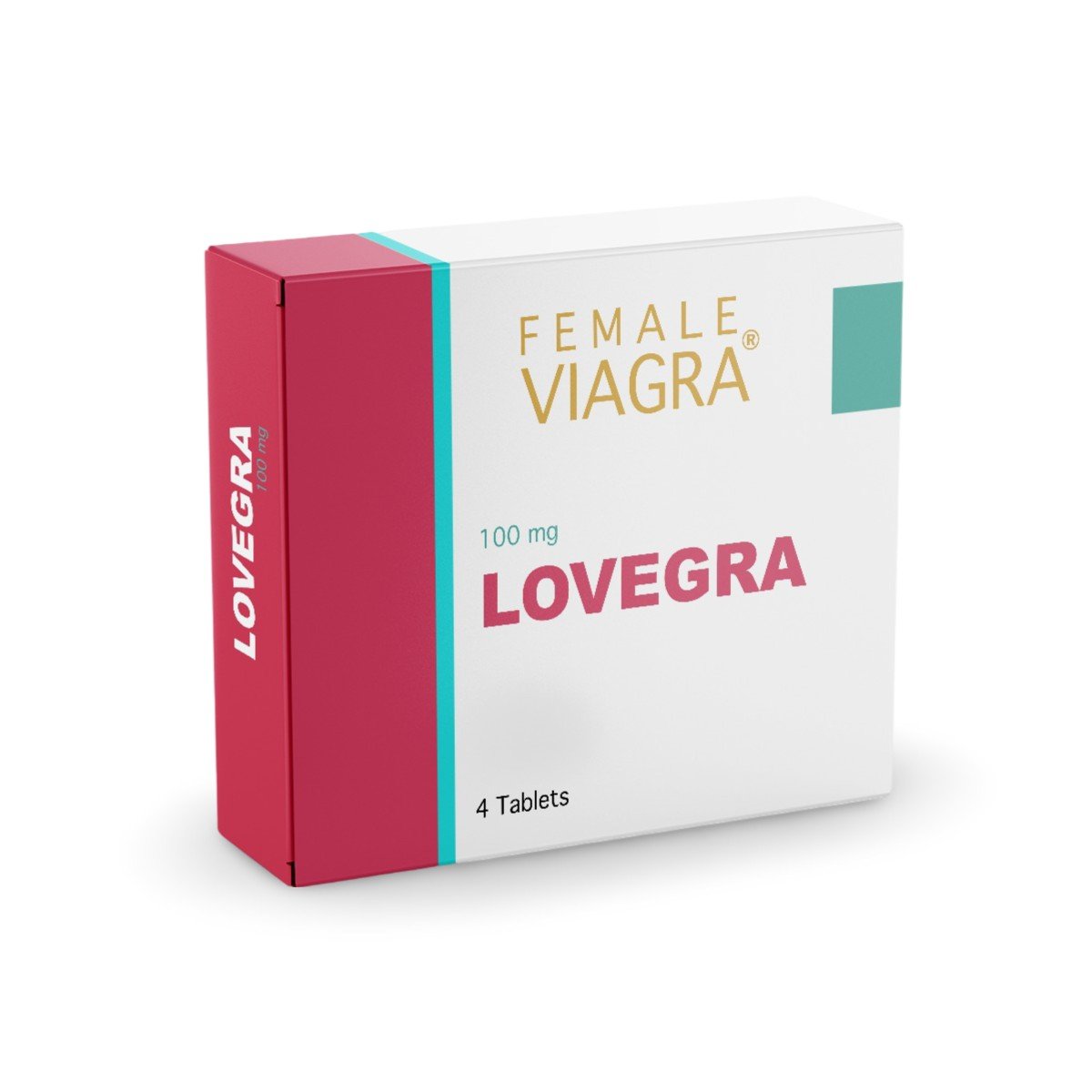
Lovegra 100 Mg
Starting at just $2.17 per tabletBuy Now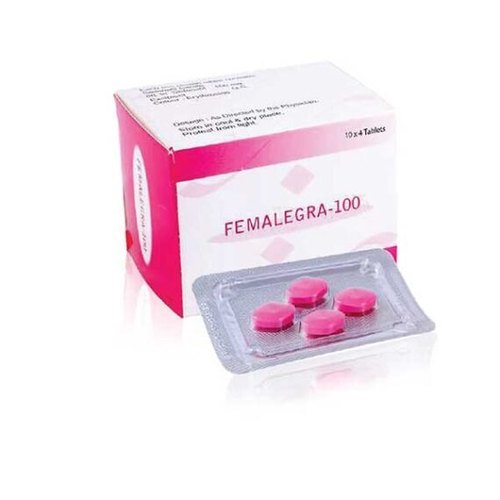
Femalegra 100 Mg
Starting at just $0.79 per tabletBuy Now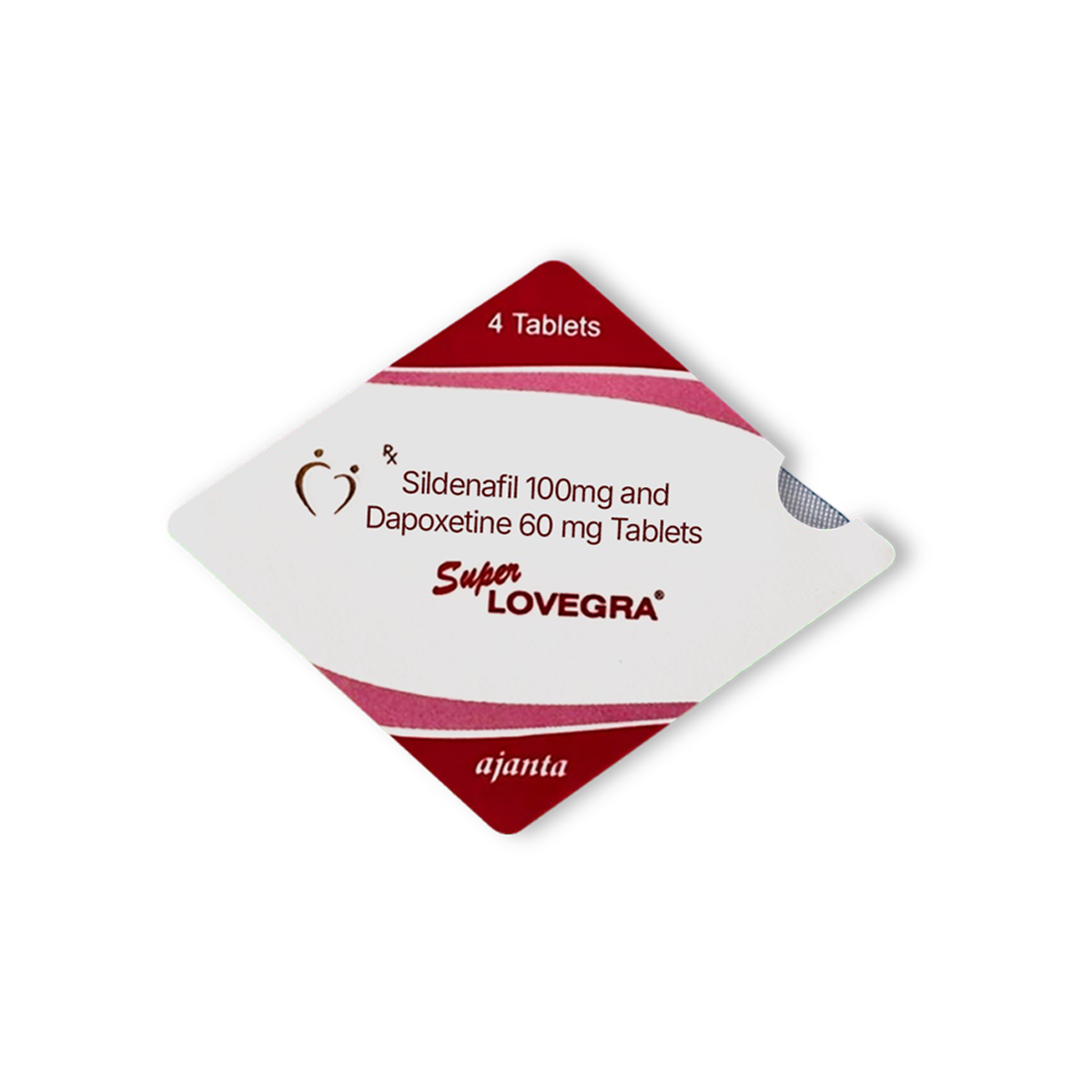
Super Lovegra Tablet
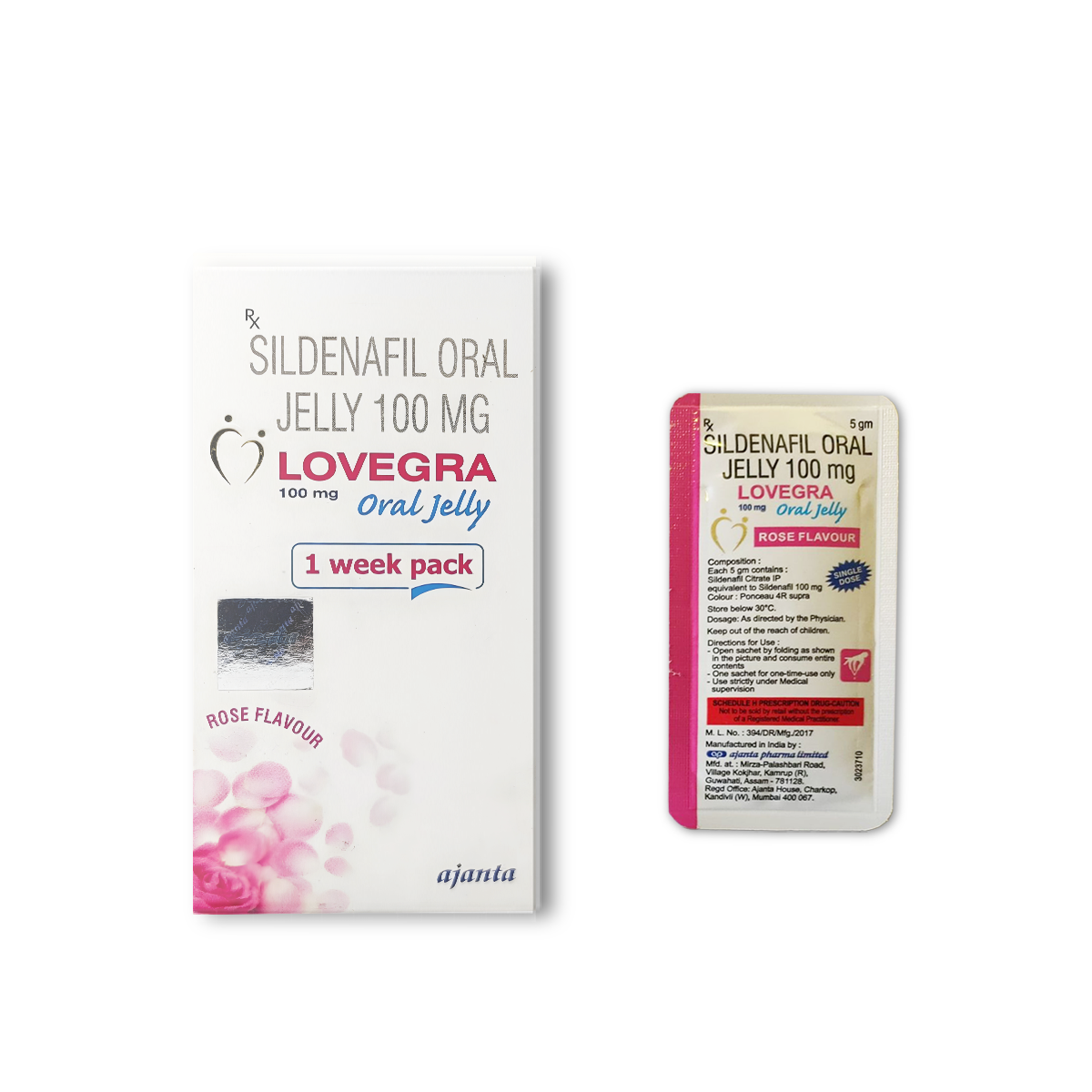
Lovegra Oral Jelly Rx 100 Mg
How menopause can affect sex drive
Menopause can affect both sex drive (the biological urge driven by hormones) and desire (the emotional and mental interest in intimacy), though in different ways. The most direct effect is a drop in estrogen and testosterone. These hormones support sexual response, and when their levels fall, the body’s ability to become aroused, lubricated, and sensitive to touch can all change. This is a natural hormonal process, and it is very common.
Menopause symptoms like vaginal dryness can make intercourse uncomfortable or even painful. Vaginal tissues also become thinner and less elastic over time, and arousal tends to take longer than it used to.
Emotional desire can also be affected, though not always by hormones alone. Hot flashes, night sweats, disrupted sleep, and mood changes all wear down daily energy levels, making sex feel less appealing even when the interest is still there. Research supports this too, with many women reporting that Menopause-related symptoms made sexual activity less comfortable or less frequent overall.
How to increase sexual desire after menopause
Sexual interest and comfort after menopause can be supported through lifestyle changes, physical comfort, and medical guidance when needed. Taking care of both the body and the emotional side of intimacy tends to make the biggest difference. Some of the ways to help include:
Physical comfort during sex
Physical comfort during sex can be improved with a few practical steps. Using a vaginal lubricant before sex helps reduce vaginal dryness and discomfort, while a regular vaginal moisturizer supports tissue health over time.
Trying new things
Slowing down, increasing foreplay, and experimenting with different positions can meaningfully improve the physical experience of sex. Taking more time to build arousal and exploring what feels comfortable at this stage can make intimacy more enjoyable for both partners.
Healthy lifestyle habits
Regular exercise, quality sleep, a balanced diet, and stress management all support hormone balance, mood, and energy levels. Open communication with a partner about needs and changes also makes a significant difference in maintaining sexual interest and connection.
Supplements
Some women find that supplements such as maca root, ginseng, L-arginine, or zinc can modestly support mood, blood flow, and sexual function, all of which can help improve libido. Always speak to a doctor before starting any supplement to avoid interactions or complications.
Medical support
Medical support options vary depending on the cause. Oestrogel and other forms of estrogen therapy (available as creams, patches, or pessaries) are commonly used to relieve vaginal dryness and discomfort. Low-dose testosterone under medical supervision can help with reduced sex drive, and non-hormonal prescription medications like Addyi (Flibanserin) are available for persistent low sexual interest. A doctor can also check whether existing medications, such as antidepressants or blood pressure medicines, may be contributing to the problem.
Therapy and emotional support
Sex therapy, couples counseling, and open conversations about intimacy can reduce anxiety or shame around sexual changes and strengthen emotional connection, which directly supports sexual desire.
Conclusion
Many women over 50 continue to enjoy sex and find intimacy meaningful, and menopause does not change that. Greater confidence, fewer daily pressures, and deeper emotional bonds all contribute to a more satisfying experience of intimacy with age.
Menopause-related physical changes, such as vaginal dryness, slower arousal, and reduced sensitivity, are common, and managing them effectively can make a significant difference to sexual well-being. Practical steps like using lubricants, staying physically active, managing stress, and keeping open communication with a partner can make a significant difference.
When lifestyle changes are not enough, medical options, including estrogen therapy, low-dose testosterone, and non-hormonal medications, are available with proper guidance. Persistent concerns are always worth discussing with a doctor. A fulfilling sex life after 50 is achievable with the right support, proper guidance, and professional consultation when needed.

Frequently Asked Questions
Can menopause affect orgasms?
Yes, menopause can make orgasms harder to achieve or less intense. Falling estrogen levels reduce blood flow to the genitals, which affects sensitivity and climax. Regular sexual activity and pelvic floor exercises can help maintain orgasmic response over time.
Does a low libido over 50 always need treatment?
No, u003ca href=u0022https://www.cheapmedicineshop.com/blog/womens-health/low-libido-in-women/u0022 target=u0022_blanku0022 rel=u0022noopeneru0022u003elow libidou003c/au003e over 50 does not always need treatment. A natural shift in desire is common at this stage and is not a medical concern in itself. However, when it causes personal distress or affects relationships, seeking a doctor’s advice is a worthwhile step.
Can a new relationship improve sexual desire after 50?
Yes, a new relationship can noticeably improve sexual desire after menopause. Novelty, emotional excitement, and renewed confidence all contribute to a stronger sense of desire and connection, and many women in new relationships in later life report their sexual well-being improving significantly.
Do women over 50 still need contraception during sex?
Yes, women over 50 who have not yet gone a full year without a period still need contraception. Ovulation can still occur during u003ca href=u0022https://www.cheapmedicineshop.com/blog/womens-health-pregnancy/perimenopause/u0022 target=u0022_blanku0022 rel=u0022noopeneru0022u003eperimenopauseu003c/au003e, making an unintended pregnancy possible even if periods are irregular. Using contraception until a doctor confirms menopause is complete remains the safest approach.
Cheap Medicine Shop only refers to credible, authoritative sources for our content. If you're curious about how we ensure the integrity of our content, we encourage you to read our Content Information Policy.