






Diabetes is a disease that affects a number of people around the world. While it is known to impact blood sugar levels, its effects can go far beyond that. One of the most serious complications of Diabetes is Diabetic Retinopathy.
This condition damages the retina, the part of the eye that helps us see clearly. If not treated timely, Diabetic Retinopathy can lead to permanent vision loss. Noticing the signs early and taking the right steps can help protect your eyesight and overall health.
In this article, we will explain what Diabetic Retinopathy is, what causes it, how to identify the symptoms, and what treatments are available.
What is Diabetic Retinopathy?
Diabetic Retinopathy is an eye disease that develops when high blood sugar levels, because of Diabetes, damage the blood vessels in the retina. The retina is a thin tissue at the back of the eye that allows you to see clearly by sending visual signals to the brain and senses light.
When the blood vessels in the retina are harmed, they can leak fluid or bleed, leading to vision problems. There are two main Diabetic Retinopathy stages:
- Non-proliferative Diabetic Retinopathy (NPDR): This is an early stage in which the blood vessels in the retina become weak and may leak blood or fluid, causing swelling.
- Proliferative Diabetic Retinopathy (PDR): This is the advanced stage when abnormal blood vessels grow in the retina. These can bleed easily and increase the risk of serious vision loss or even blindness.
Save up to 90% on your medicine bills
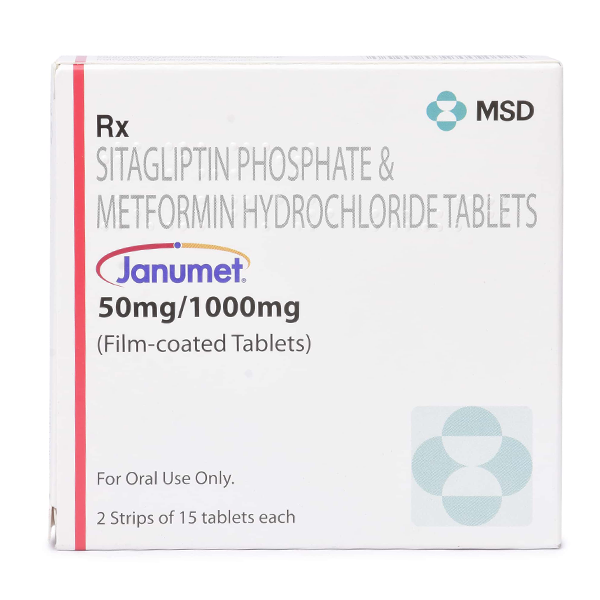
Janumet 50 + 1000 Mg
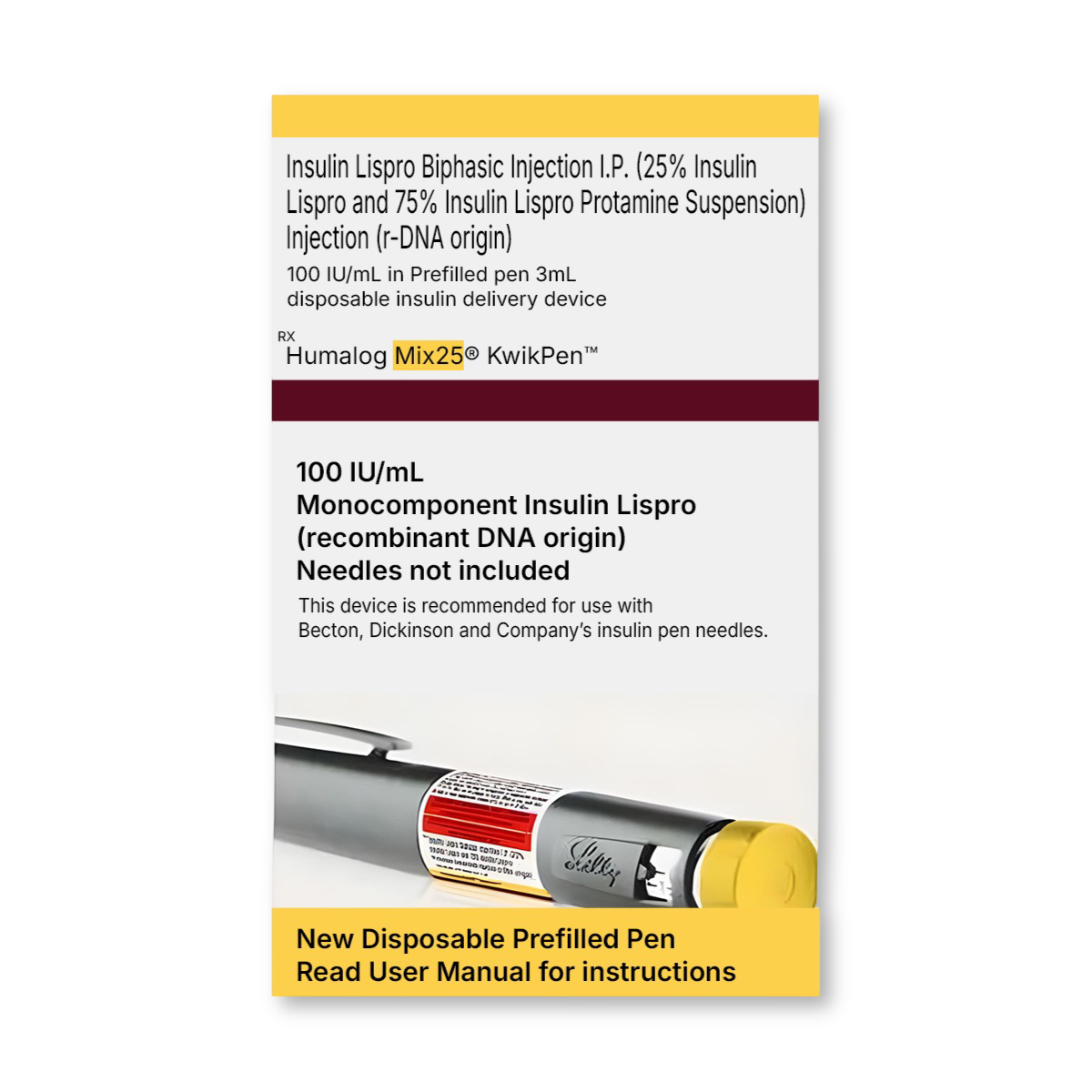
Humalog Mix 25 Kwikpen 100IU/ml
Starting at just $48.25 per tabletBuy Now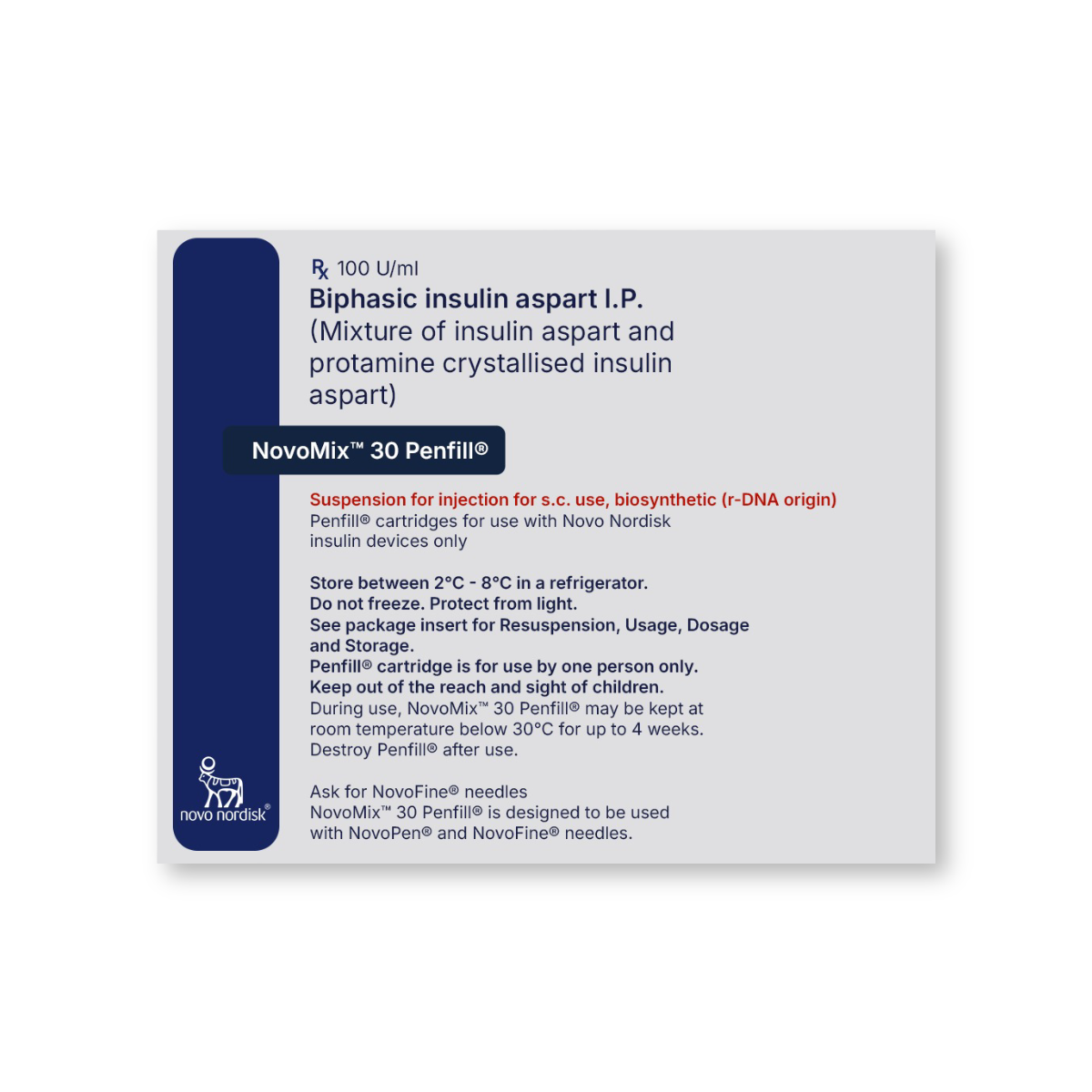
Novomix 30 100IU/ml Penfill
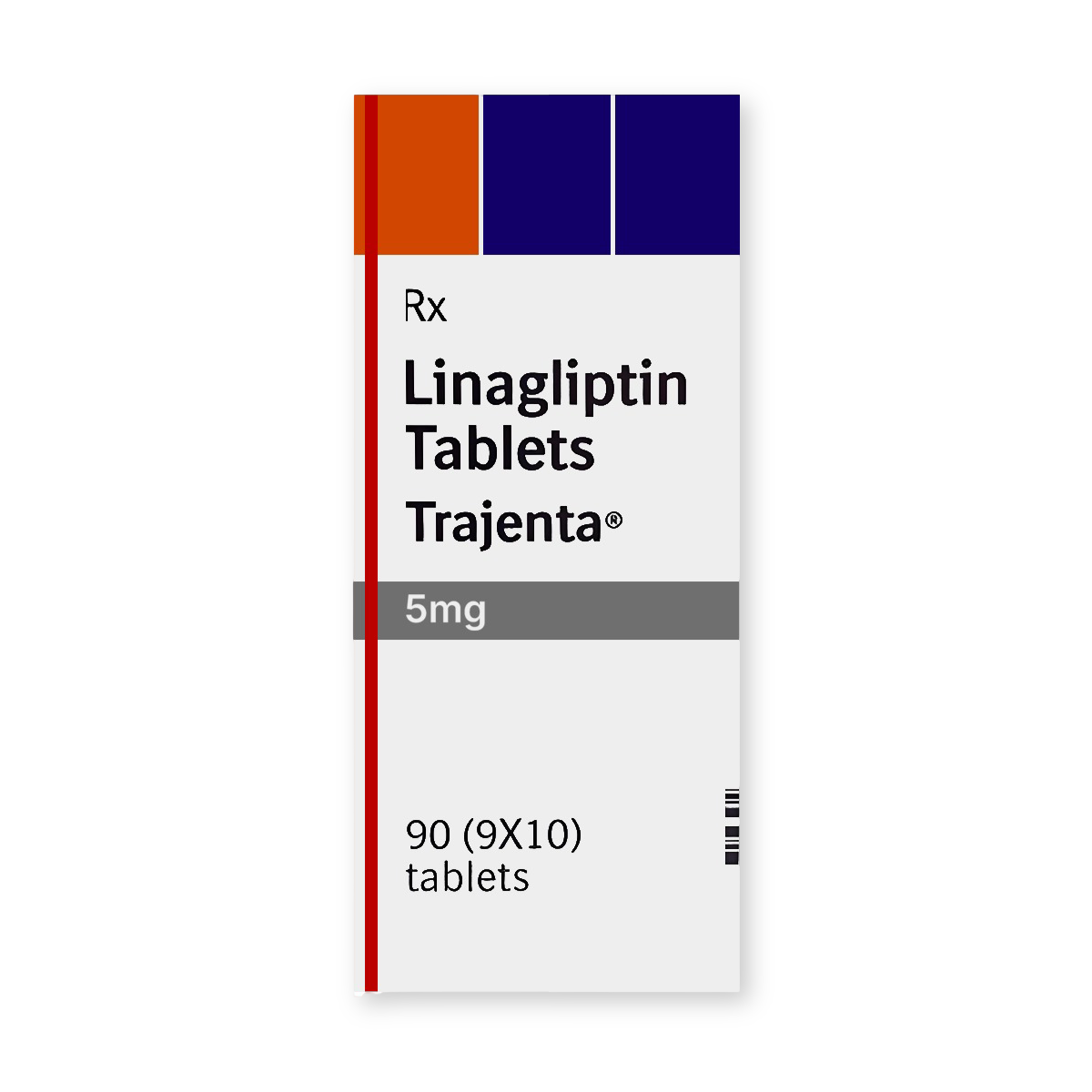
Trajenta 5 Mg
Causes
The main cause of Diabetic Retinopathy is uncontrolled blood sugar levels over a long period. When blood sugar stays high, it can damage blood vessels all over the body, including those in the eyes.
Other factors that increase the risk include:
- Type 1 or Type 2 Diabetes
- High Blood Pressure
- High cholesterol levels
- Smoking
- Pregnancy in diabetic women
The longer you live with Diabetes, the higher are your chances of developing this condition.
Symptoms of Diabetic Retinopathy
In the early stages, Diabetic Retinopathy may not cause any symptoms. This makes it hard to detect without a proper eye exam. As the condition progresses, people may experience the following symptoms:
- Blurred or distorted vision
- Dark spots or floaters in the vision
- Difficulty seeing at night
- Empty or dark areas in the field of vision
- Sudden and complete vision loss (in severe cases)
It is important to remember that symptoms do not always match the severity of the condition. Some people might not notice any changes in vision until serious damage has already occurred.
How is Diabetic Retinopathy diagnosed?
It is diagnosed through a dilated eye exam performed by an eye specialist. During this test:
- The doctor using eye drops widens your pupils.
- The retina is examined for swelling, bleeding, or abnormal blood vessels.
- A test called fluorescein angiography may also be done. In this, a special dye is injected into the arm, and photos of the retina are taken to check blood flow.
- Optical Coherence Tomography (OCT) is another imaging test that shows detailed images of the retina.
Regular eye exams are key to finding Diabetic Retinopathy early, even before symptoms appear.
Treatment options for Diabetic Retinopathy
The treatment depends on the stage of the condition. In the early stages, good Diabetes management can help slow down or stop further damage.
For more advanced cases, treatment options include:
1. Laser treatment (Photocoagulation)
Laser therapy is often used to stop or slow the leaking of blood and fluid in the retina. It can also shrink abnormal blood vessels in the advanced stages of retinopathy.
2. Anti-VEGF injections
These are medications injected into the eye to block a protein called VEGF (Vascular Endothelial Growth Factor), which causes abnormal blood vessels to grow. These drugs help reduce swelling, prevent bleeding, and improve vision.
3. Steroid injections
Steroids may be used to reduce swelling in the retina. Like anti-VEGF injections, they are injected directly into the eye.
4. Vitrectomy
This is a type of eye surgery done when there is bleeding inside the eye or severe retinal damage. During the surgery, the vitreous gel (the clear, jelly-like substance inside the eye) is removed and replaced with a clear solution.
Can Diabetic Retinopathy be prevented?
While Diabetic Retinopathy cannot always be prevented, the risk can be reduced with proper Diabetes management. Here are some key steps:
- You must keep your blood sugar within the target range by following a healthy diet, regular exercise, and taking your Diabetes medication as prescribed.
- Stop smoking because it harms blood vessels and increases the risk of eye problems.
- Get a comprehensive eye exam at least once a year, even if you have no symptoms.
- Take medications as prescribed and attend regular health checkups.
- Monitor blood pressure and cholesterol. High Blood Pressure and high cholesterol can also worsen the issue.
Living with Diabetic Retinopathy
Being diagnosed with Diabetic Retinopathy can be overwhelming, but early detection and care can help preserve your vision. It is important to stay informed, keep regular appointments, and make healthy lifestyle changes.
Joining support groups or speaking to a counselor can also help reduce the emotional pressure of living with this chronic eye condition.
When to see a doctor
If you are Diabetic and notice any changes in your vision, do not wait. Visit your eye doctor immediately. Sudden changes, such as flashes of light, floaters, or vision loss, should be treated as emergencies.
Conclusion
Diabetic Retinopathy is a very serious issue that can occur because of Diabetes, yet it often goes unnoticed until vision is already affected. That is why awareness, routine eye checkups, and strict Diabetes management are essential.
If you or a loved one has Diabetes, do not wait for symptoms to appear; make annual eye screenings a part of your healthcare routine. Early detection, timely treatment, and good control of blood sugar, blood pressure, and cholesterol can go a long way in preventing vision loss.
Remember, protecting your eyesight is not just about your eyes; it’s about taking control of your overall health. Stay proactive, stay informed, and take the right steps today to safeguard your vision for tomorrow.

Frequently Asked Questions
Is Diabetic Retinopathy painful?
No, it is not usually painful. That’s one reason it often goes unnoticed in its early stages. People may not realize there’s a problem until their vision becomes affected. This makes regular eye exams critical, especially for individuals who have had Diabetes for many years.
Can Diabetic Retinopathy affect both eyes?
Yes, it typically affects both eyes. The damage caused due to high blood sugar is systemic, meaning it impacts the body as a whole. However, the severity may differ between eyes. Monitoring both eyes closely helps ensure balanced treatment and better overall visual outcomes.
Is vision loss from Diabetic Retinopathy reversible?`
In many cases, the vision loss from Diabetic Retinopathy can be partially improved with treatment, but it is not always fully reversible. Timely medical care can prevent further damage and sometimes restore some clarity. However, if the retina is severely damaged, the vision loss may be permanent.
How long does it take for Diabetic Retinopathy to develop?
It usually develops slowly over several years. The timeline varies depending on how well Diabetes is controlled. Some people may not develop it for decades, while others with poorly managed Diabetes may show signs within a few years. Regular eye screenings help track its progress early.
Cheap Medicine Shop only refers to credible, authoritative sources for our content. If you're curious about how we ensure the integrity of our content, we encourage you to read our Content Information Policy.